
Coffee Design
Discover trendy AI prompts for cafe menu designs and artistic coffee illustrations.
2026.07.04
Make “Coffee Design” exactly the way you wantCreate your own “Coffee Design”
Just ask in plain language — Carat generates optimized images and videos for you.

Start now with 100 free credits daily
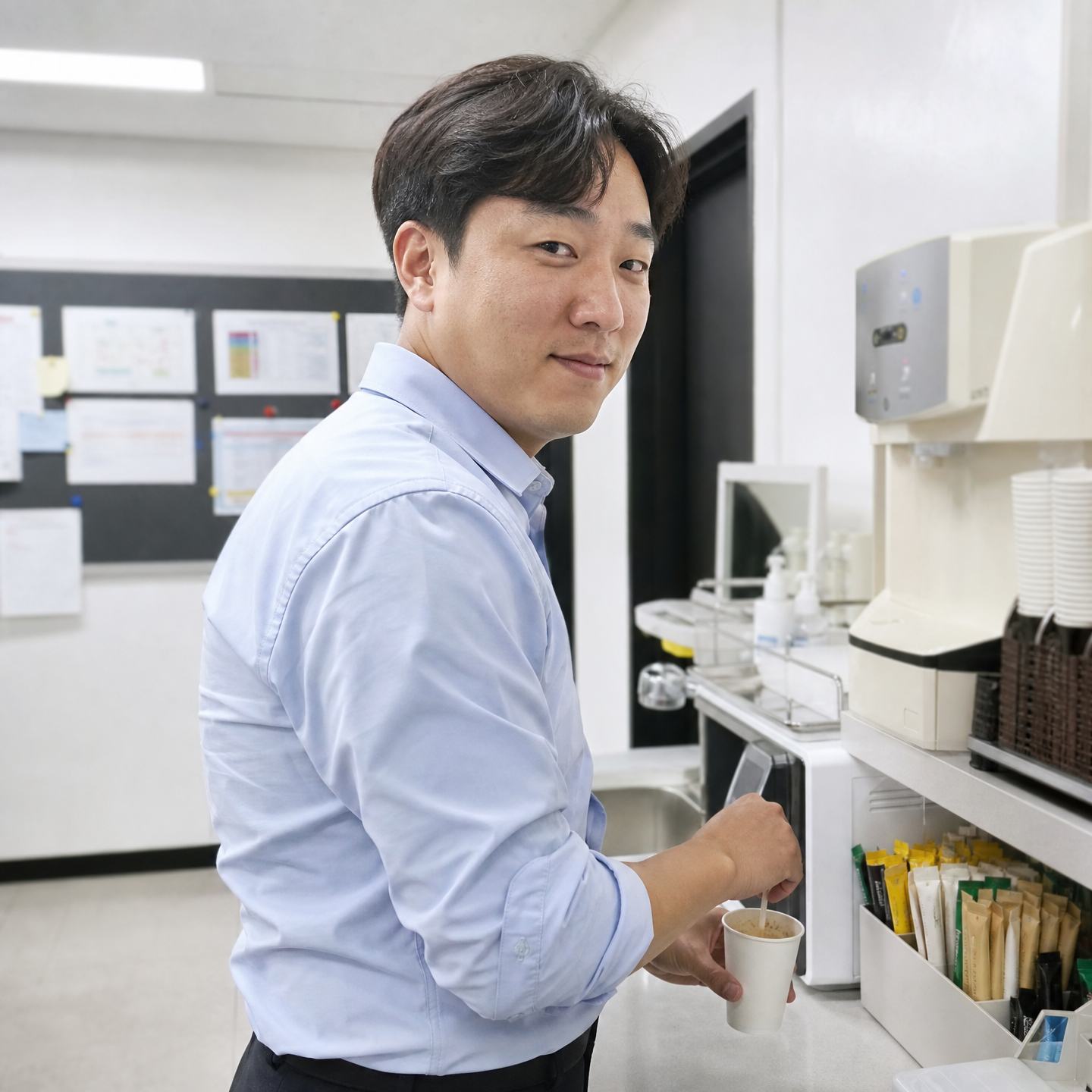
Office Pantry Coffee Break

Cafe Selfie with Your Bias
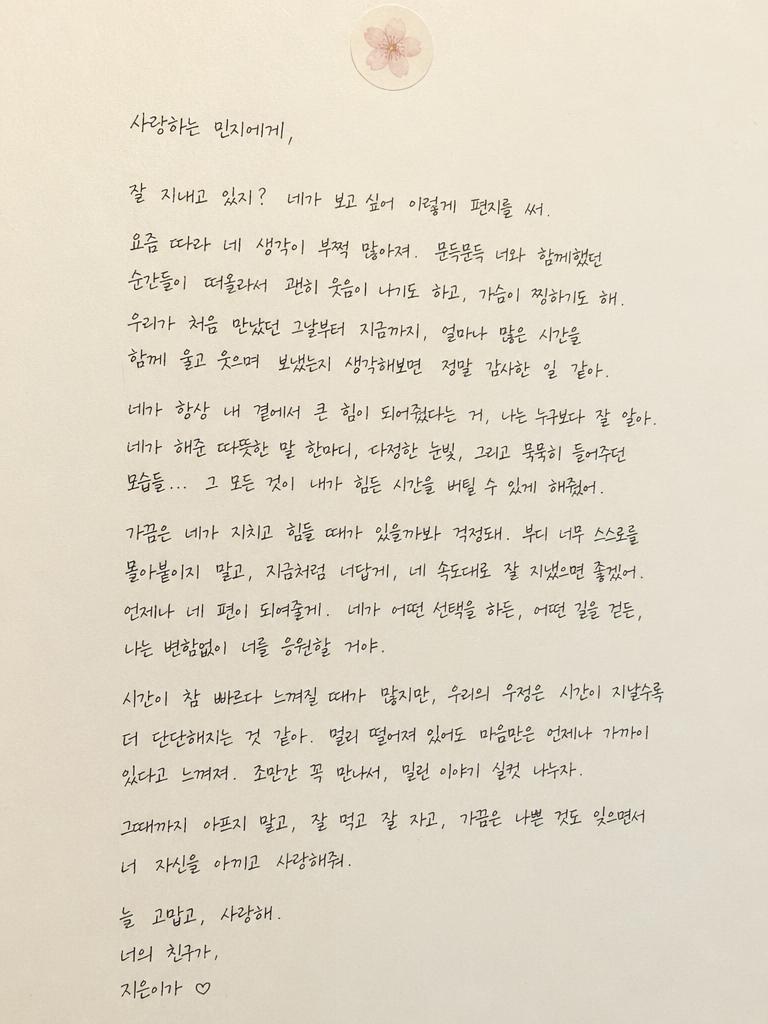
Hyper-realistic Handwritten Korean Letter on Cream Stationery
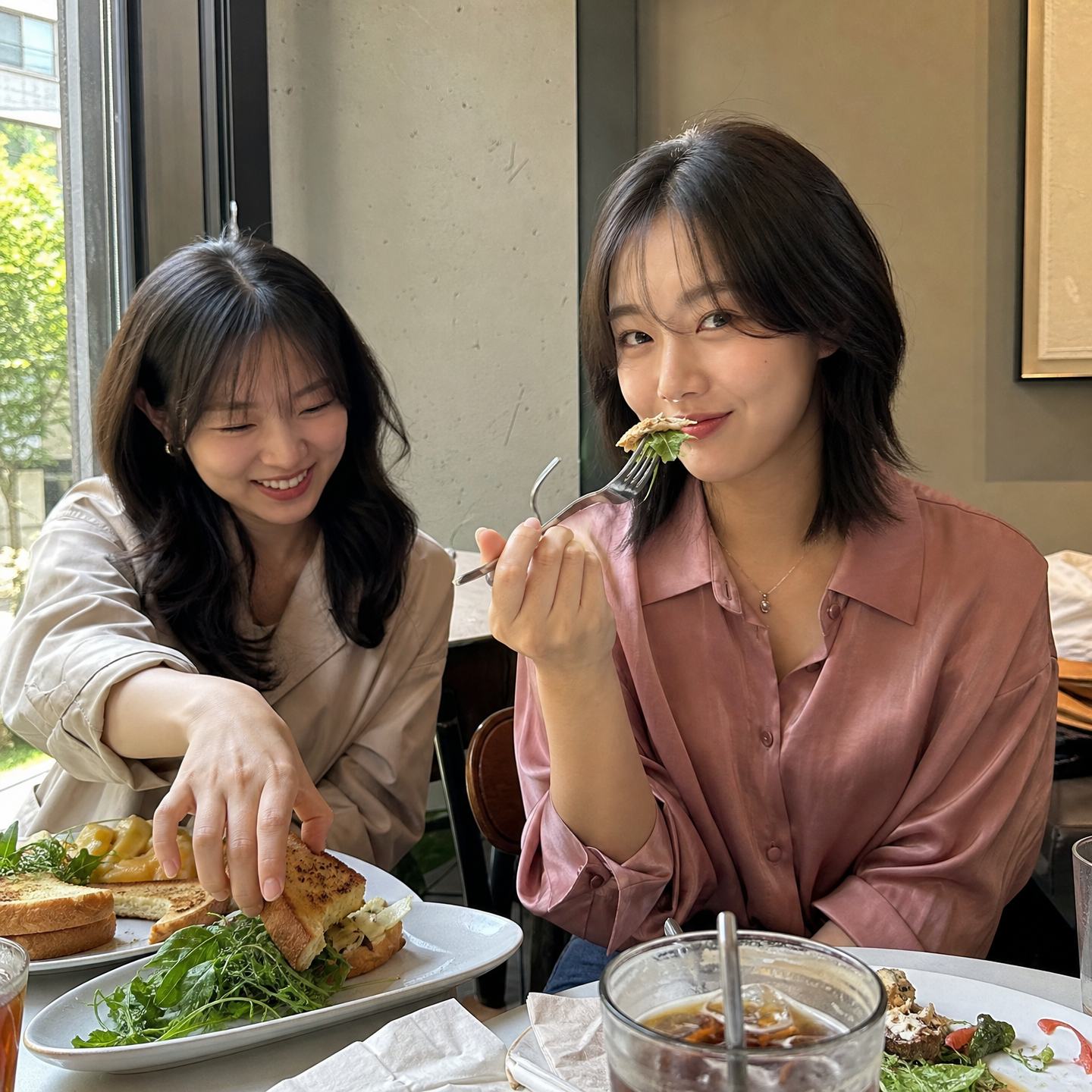
Brunch Cafe with a Friend
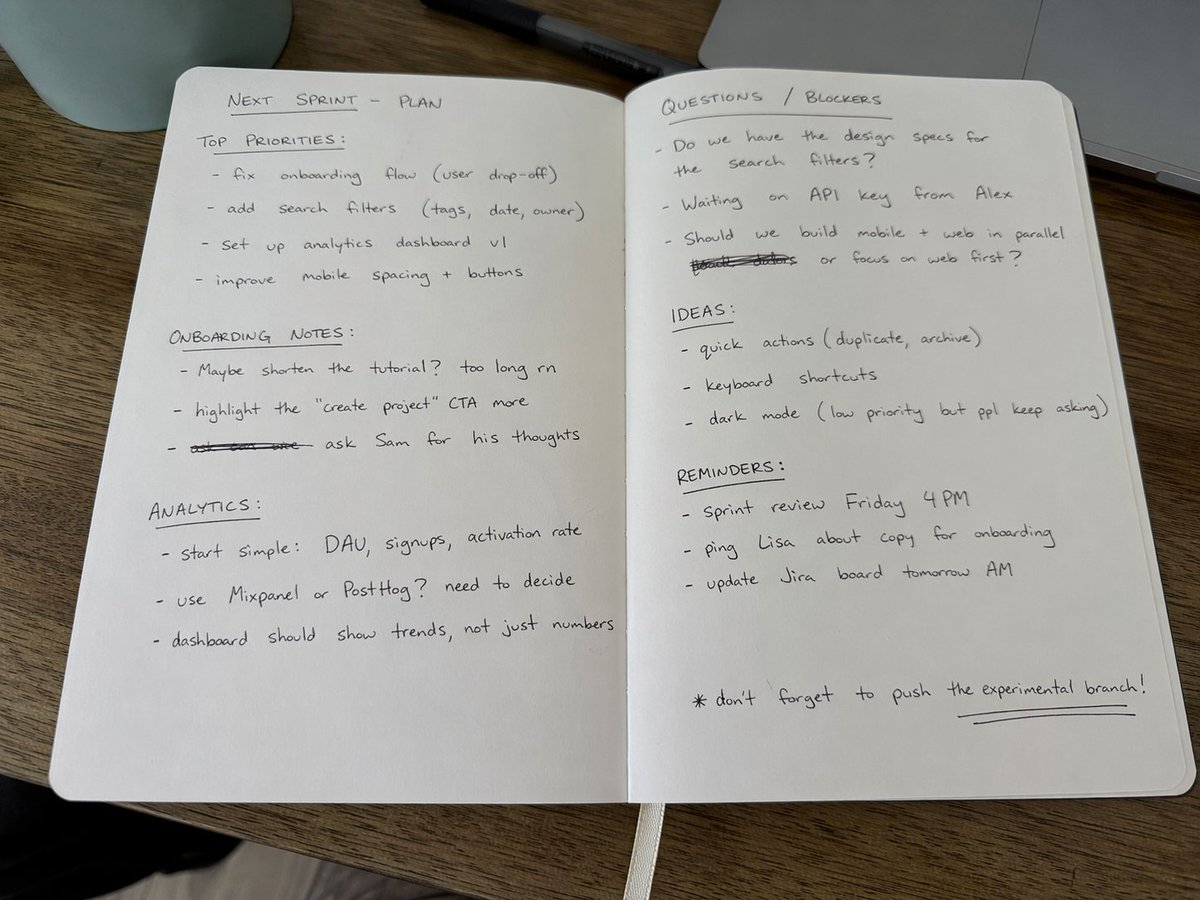
Amateur Photo of an Open Notebook Lying Flat

Polished Anime-style Portrait of a BLonde Female VTuber-inspired Maid Seated Indoors in a

Cozy Kitchen Lifestyle Scene
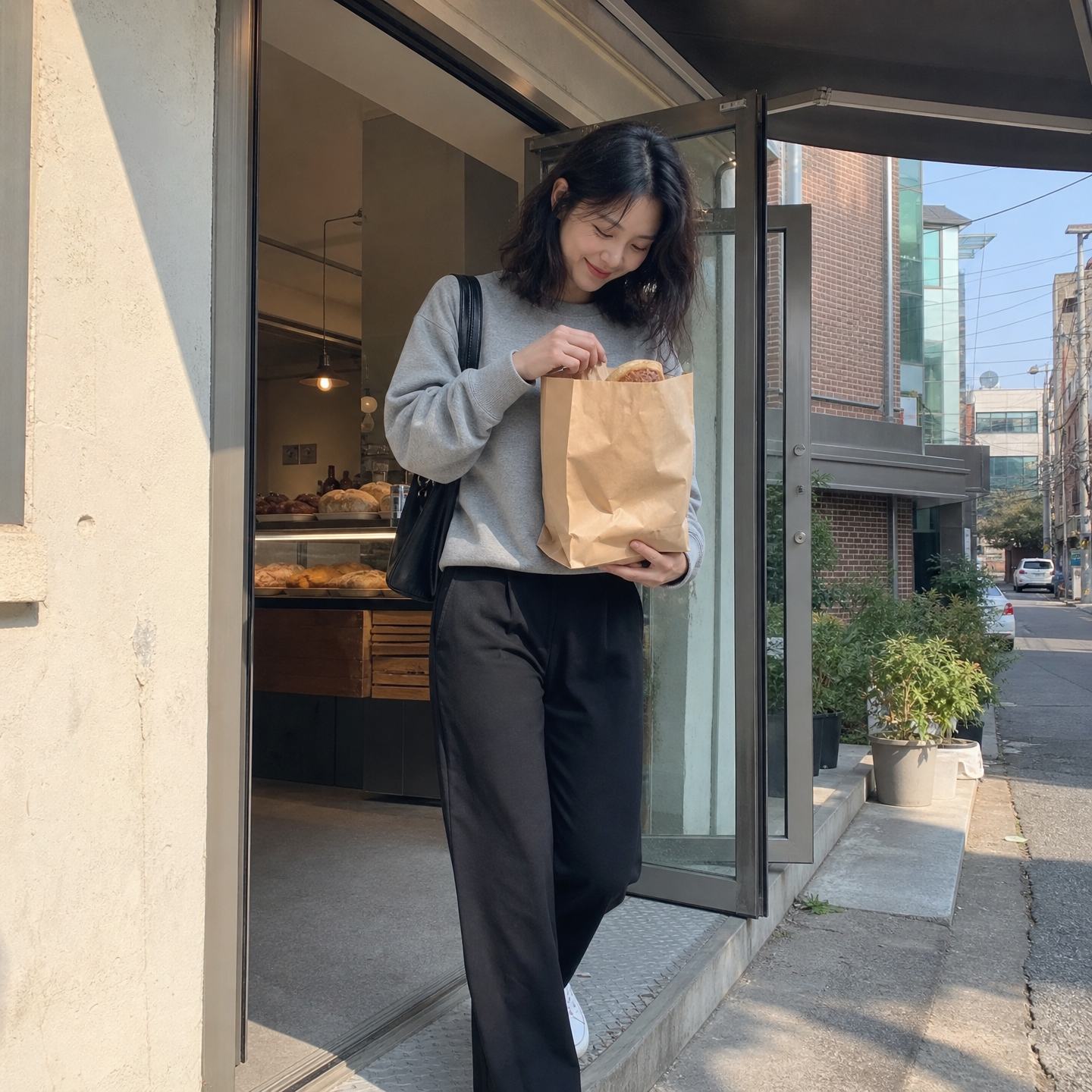
Leaving the Neighborhood Bakery

Rainy Night Cafe Portrait
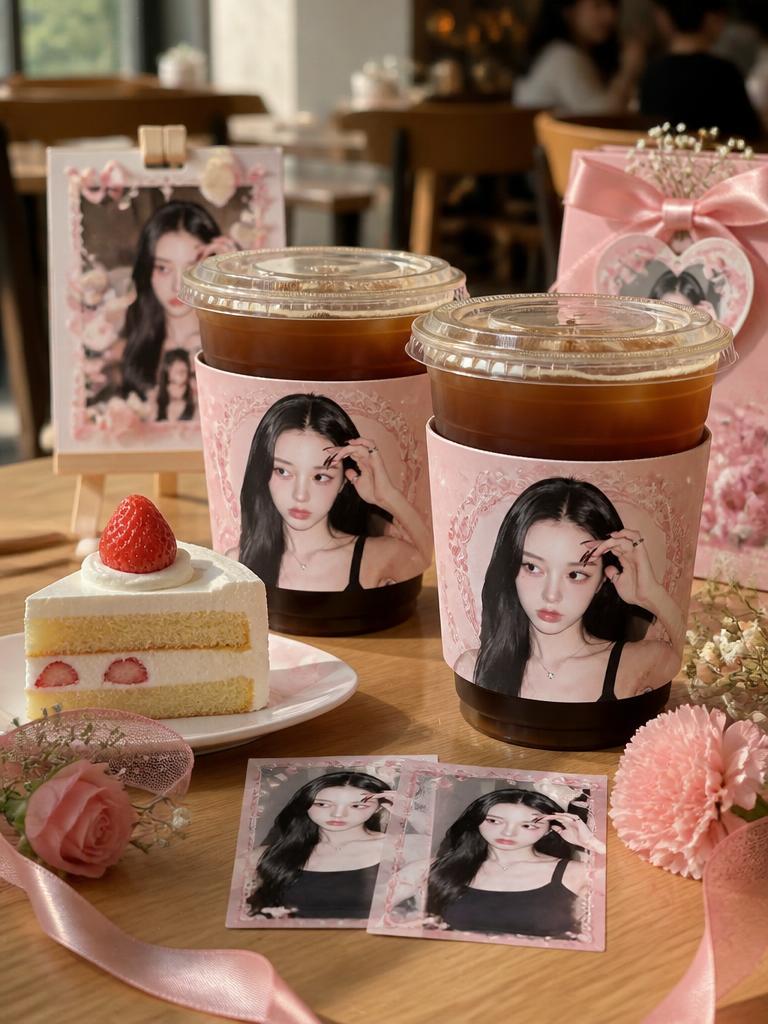
Cafe Cup Holder Event Main Character
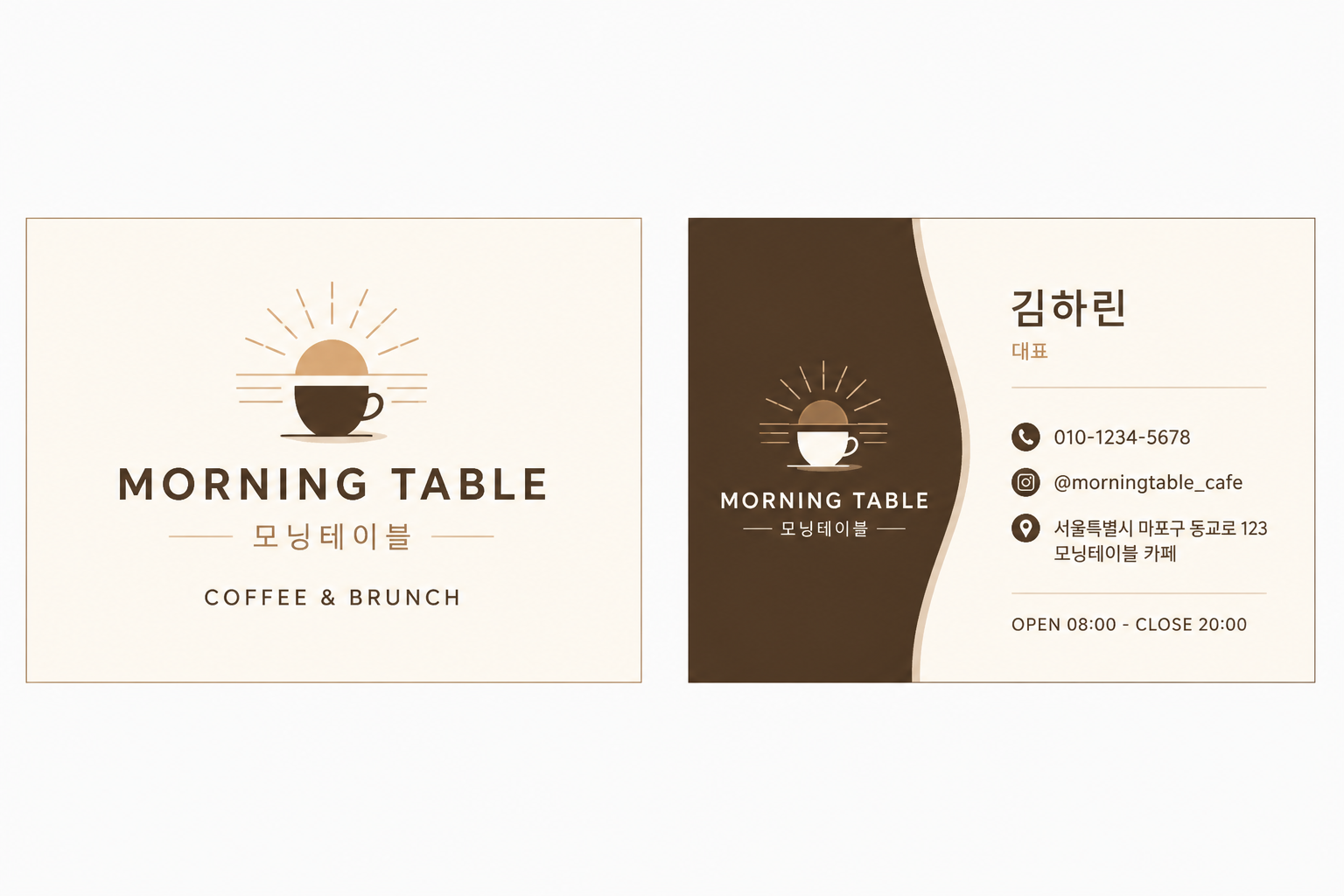
Premium Horizontal Business Card for a Korean Neighborhood Cafe Named 'MORNING TABLE'
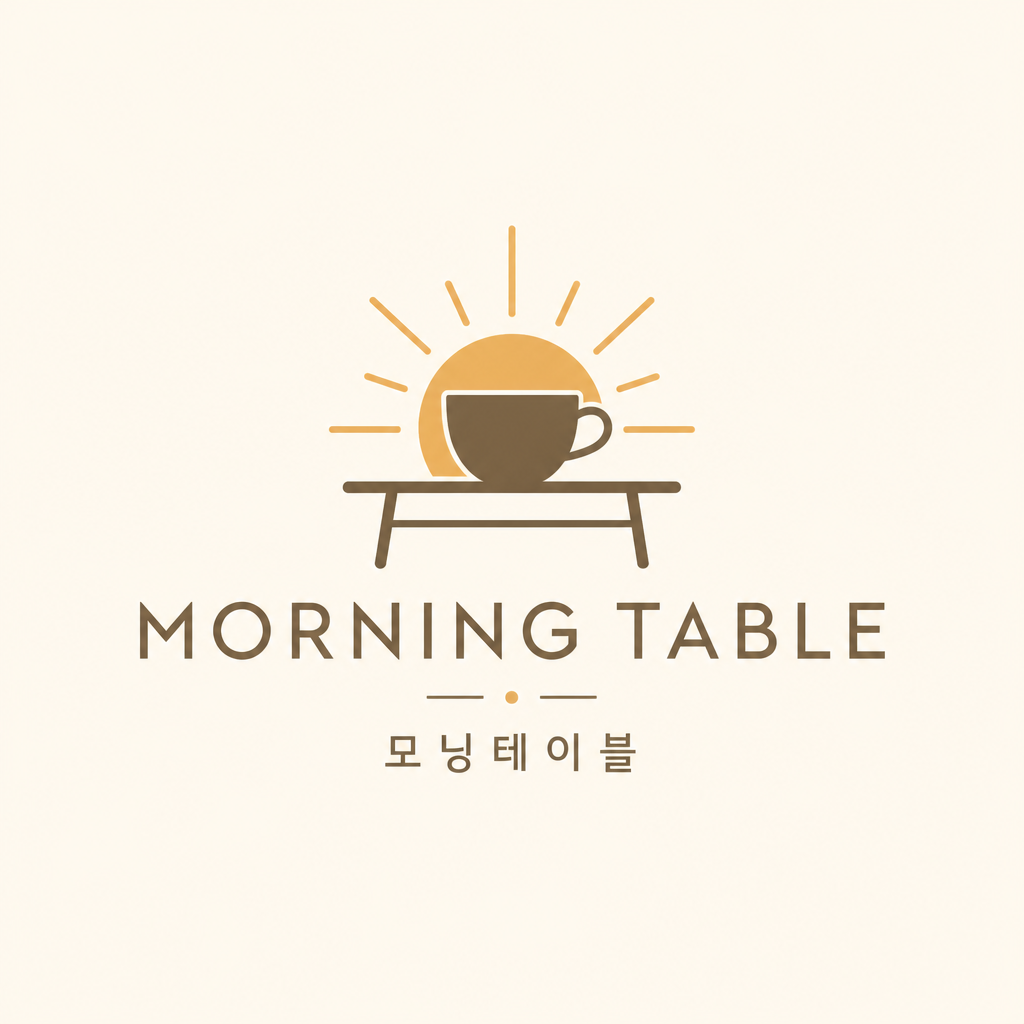
Clean Professional Logo Design for a Small Korean Neighborhood Cafe Brand
What Are Coffee Design AI Prompts?
Coffee Design AI prompts are sophisticated linguistic formulas crafted to guide artificial intelligence in generating high-quality visuals related to the world of coffee and cafe culture. These prompts act as a bridge between abstract sensory experiences-like the rich aroma of roasted beans or the velvety texture of frothed milk-and tangible digital art. By providing specific descriptors for brewing methods, cup styles, espresso layering, and cafe environments, these prompts enable the AI to produce images that resonate with coffee enthusiasts and professionals alike. Whether you are looking for a hyper-realistic photograph of a steaming latte or a whimsical watercolor illustration of a coffee shop interior, these prompts provide the necessary parameters to achieve consistent and professional results. Carat's Coffee Design tag is curated to capture the nuanced aesthetics of modern specialty coffee, from the golden crema of an espresso shot to the intricate patterns of top-tier latte art. It empowers users to create branding materials, social media content, and artistic pieces that look like they were produced by a high-end design agency, all through the power of generative AI. The prompts delve into the technical aspects of coffee presentation, including the specific viscosity of different brews and the way light interacts with various glass and ceramic vessels. By leveraging these prompts, you can create a complete visual narrative for a cafe brand, encompassing everything from the raw ingredients to the final, elegantly served beverage.
Best Use Cases
The utility of Coffee Design prompts spans across marketing, branding, and personal creative projects. For cafe owners and entrepreneurs, these prompts are a godsend for creating high-impact social media posts, digital menus, and promotional banners without the logistical headache of organizing a professional photoshoot. You can instantly visualize new seasonal drinks or imagine a complete redesign of your store's aesthetic. Marketing agencies specializing in food and beverage use these prompts to develop creative campaign concepts and mood boards for their clients. Content creators, such as bloggers and YouTubers, find them indispensable for generating unique thumbnail images and illustrative assets for articles about coffee culture, roasting techniques, or barista guides. Additionally, these visuals are perfect for interior decor, where high-resolution coffee-themed posters can be generated and printed to enhance the ambiance of a kitchen or a commercial space. They are also widely used in the creation of infographics and educational materials that explain the journey from bean to cup, providing clear and attractive imagery to support complex information. Designers can also use these prompts to experiment with innovative packaging designs for coffee beans or cold brew bottles, visualizing how labels and branding interact with the product. For the hobbyist, it's a way to express their passion for coffee through beautiful digital art that can be shared with a global community of fellow enthusiasts.
Why This Tag Works
The Coffee Design tag is exceptionally effective because it understands the specific visual language associated with the 'coffee aesthetic'. In the world of AI art, natural materials and liquids can be difficult to render accurately; however, this tag optimizes for the specific color palettes and textures unique to coffee. It handles the subtle gradients of milk mixing with espresso, the transparency of glass cups, and the delicate steam effects with remarkable precision. Furthermore, the tag is designed to recognize and implement popular cafe design trends, such as minimalist industrialism, rustic wood finishes, and cozy hygge-inspired interiors. This specialized focus ensures that the AI doesn't just produce a generic cup of liquid, but a compelling scene that tells a story and evokes an emotional response. By using this tag, users avoid the common pitfalls of AI-generated food images, such as unappealing textures or inconsistent lighting, and instead receive polished, professional-grade assets every time. The tag's deep understanding of 'coffee shop lighting'-often a mix of warm indoor fixtures and soft natural window light-is a key factor in its success. It also excels at capturing the tactile qualities of coffee-related materials, from the matte finish of a ceramic mug to the reflective surface of a polished espresso machine, making the final images feel truly grounded in reality.
Explore Related Prompts
Prompt Building Tips
Building a superior coffee design prompt requires a focus on both the subject and the environment. Start by specifying the exact drink-for instance, 'a flat white with a rosetta latte art'-and then describe the vessel, such as a 'matte ceramic mug' or a 'tall glass with visible ice cubes'. Lighting is crucial in coffee photography; try keywords like 'soft morning sunlight', 'warm indoor glow', or 'moody spotlight' to define the mood. Don't forget to include the surrounding elements to ground the image: a 'scattered trail of coffee beans', a 'open laptop on a marble table', or a 'blurred background of a busy city cafe'. If you want a specific artistic style, add descriptors like 'vintage poster style', 'minimalist vector art', or 'cinematic lighting'. The more you can describe the desired sensory experience through visual keywords, the more successful your AI-generated coffee masterpiece will be. You can also vary the depth of field to create a more professional look; for example, 'f/1.8 aperture with a shallow depth of field' will keep the coffee in sharp focus while beautifully blurring the background. Consider the 'story' behind the cup-is it a quick morning caffeine fix or a slow, contemplative afternoon break? Naming the specific environment, like a 'rainy day in a cozy Parisian cafe', can help the AI set the perfect emotional tone for the image.