Cute Character
A practical guide for building cute character prompts with clear proportion control, expression balance, and reusable style anchors.
2026.07.29
Make “Cute Character” exactly the way you wantCreate your own “Cute Character”
Just ask in plain language — Carat generates optimized images and videos for you.

Start now with 100 free credits daily

Sleepy Pomeranian on a Cloud

Hamster Pocket Snack
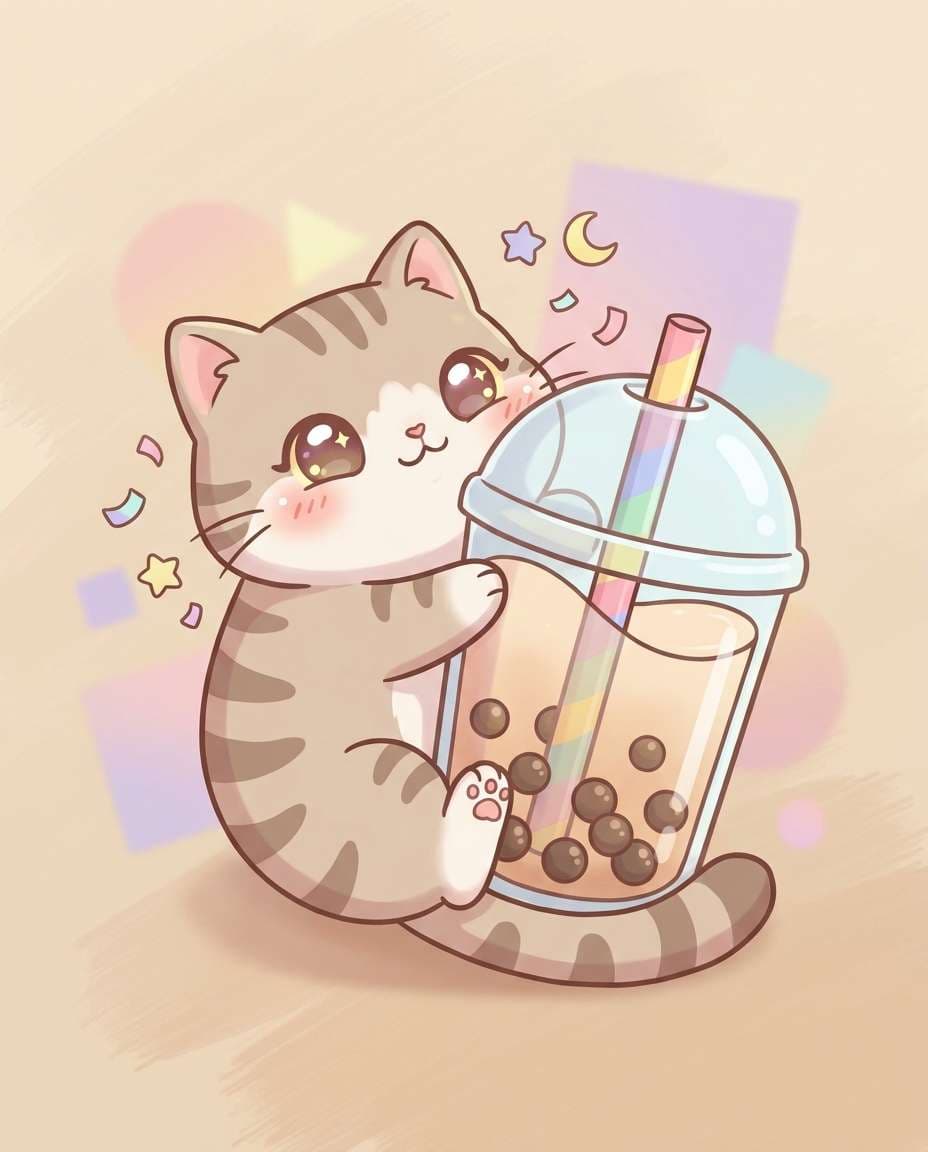
Boba Cat Buddy
Core Conditions for Cute Characters
Cute character prompts need stable structure across expression, proportion, motion, and scene density. Start by defining character tone first, such as playful, gentle, or shy. That mood decision determines how eyes, mouth angle, and head ratio should be expressed in all later versions. If you only tune style, identity will drift quickly across generated sets.
Face and Emotion Controls
Keep face geometry fixed and adjust emotion intensity step by step. Define elements like eye openness, cheek tone, and mouth direction separately from outfit terms. This allows one character identity to appear in multiple scenes without turning too artificial. Use gentle modifiers such as soft smile or slight blush in a controlled order to avoid unstable extremes.
Style Layer Management
Pixel, 3D, and illustration styles each respond differently. Pixel-like art benefits from clean line control and compact color blocking, while 3D prefers material cues and soft shadow structure. Webtoon workflows rely on line weight and balanced color layers. Select one base style per batch and then vary only supportive accents so the character family remains recognizable.
Pose, Props, and Motion
Small, clear motions keep character geometry stable. Phrases like small bounce, gentle wave, and resting hand are safer than strong dynamic commands. Props should be treated as identity anchors and reused consistently in repeated sets.
Practical Production Loop
Use a short review checklist before moving to final output: face alignment, limb visibility, prop consistency, and background intrusion. Then test at least one alternate expression and one alternate scene layout. Version prompts by base, emotion, and environment so the next batch can reuse successful combinations instead of rebuilding from scratch. This reduces rework and improves consistency for publishing pipelines.",