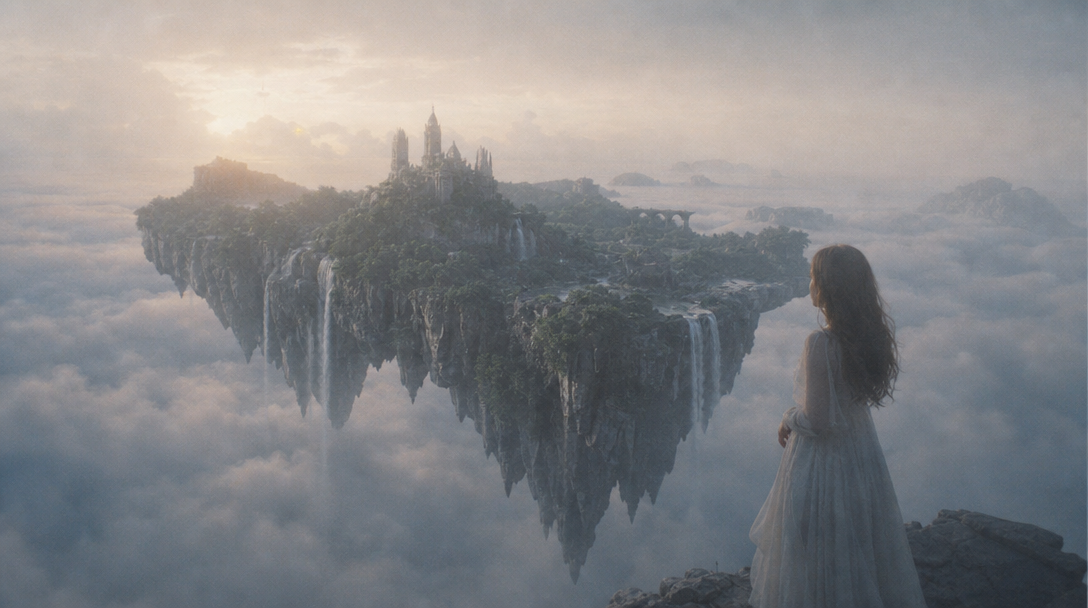
Dark Aesthetic
Unlock the beauty of shadows with AI prompts for moody cinematic photography and dark fantasy art.
2026.07.04
Make “Dark Aesthetic” exactly the way you wantCreate your own “Dark Aesthetic”
Just ask in plain language — Carat generates optimized images and videos for you.

Start now with 100 free credits daily
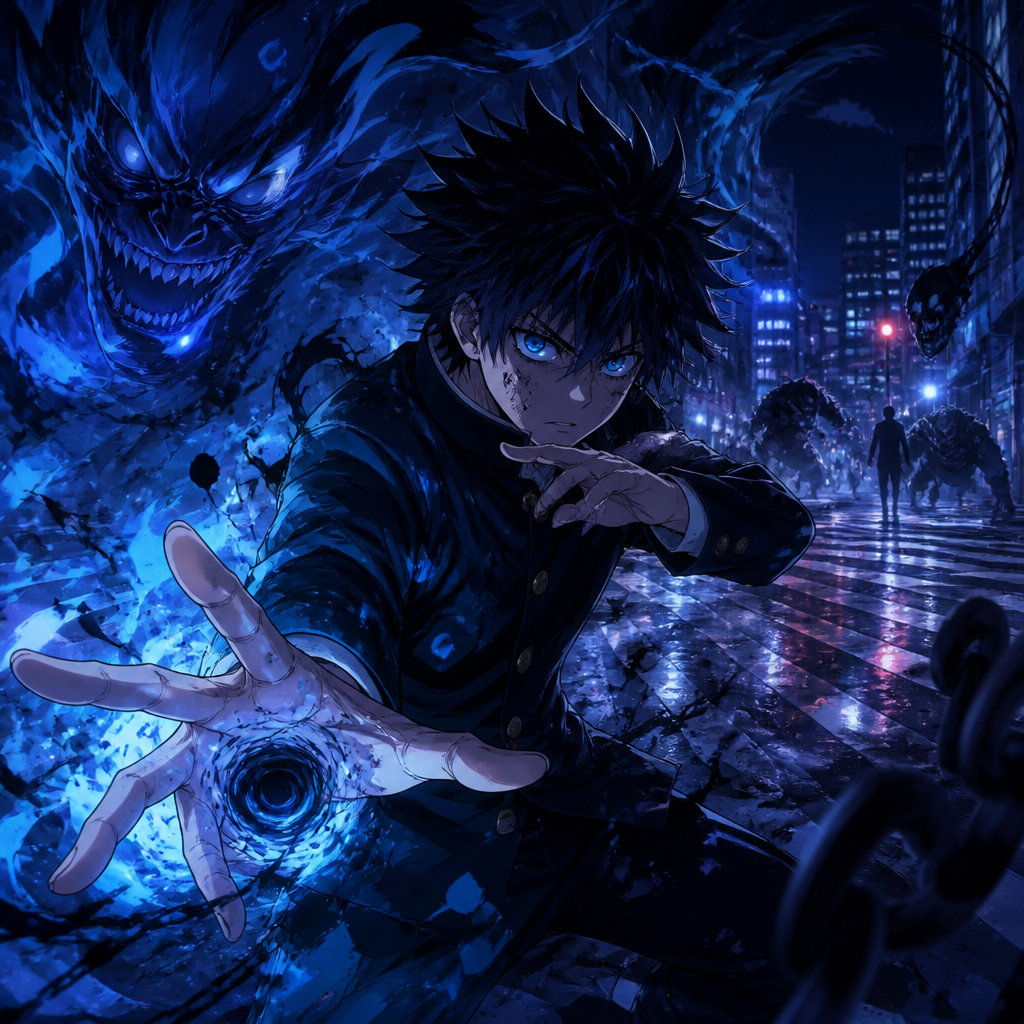
다크 판타지 주술사
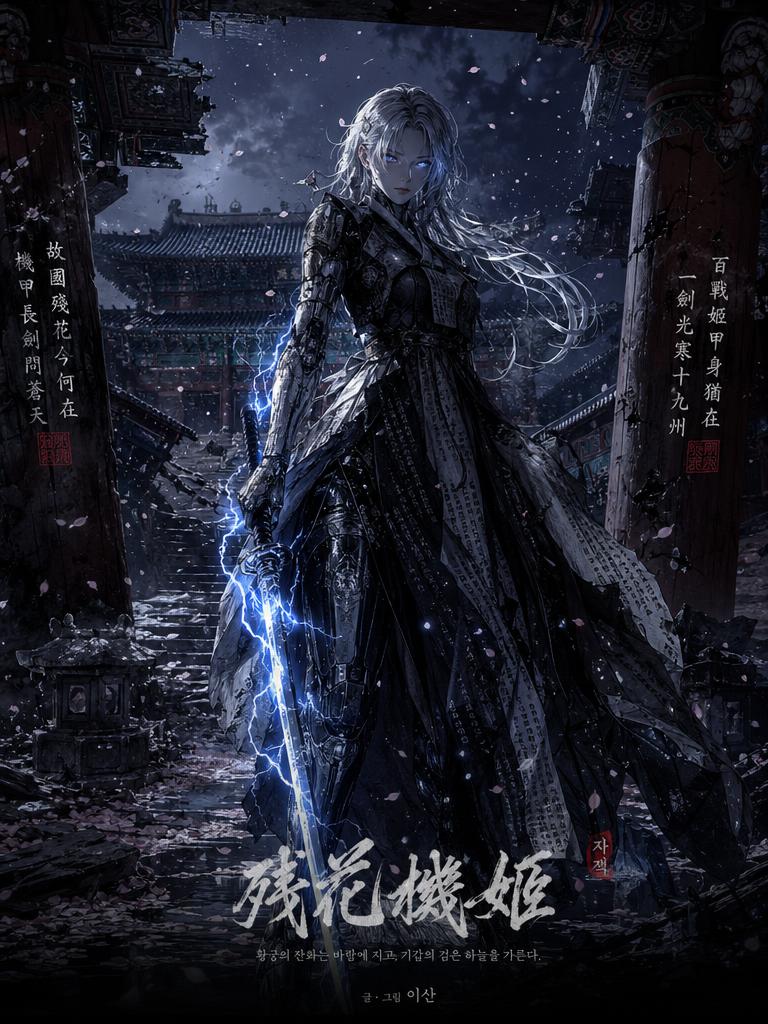
Dark Fantasy Korean Webtoon Key Art in a Ruined Traditional Korean Palace

Xuan Huan Fantasy Novel Cover
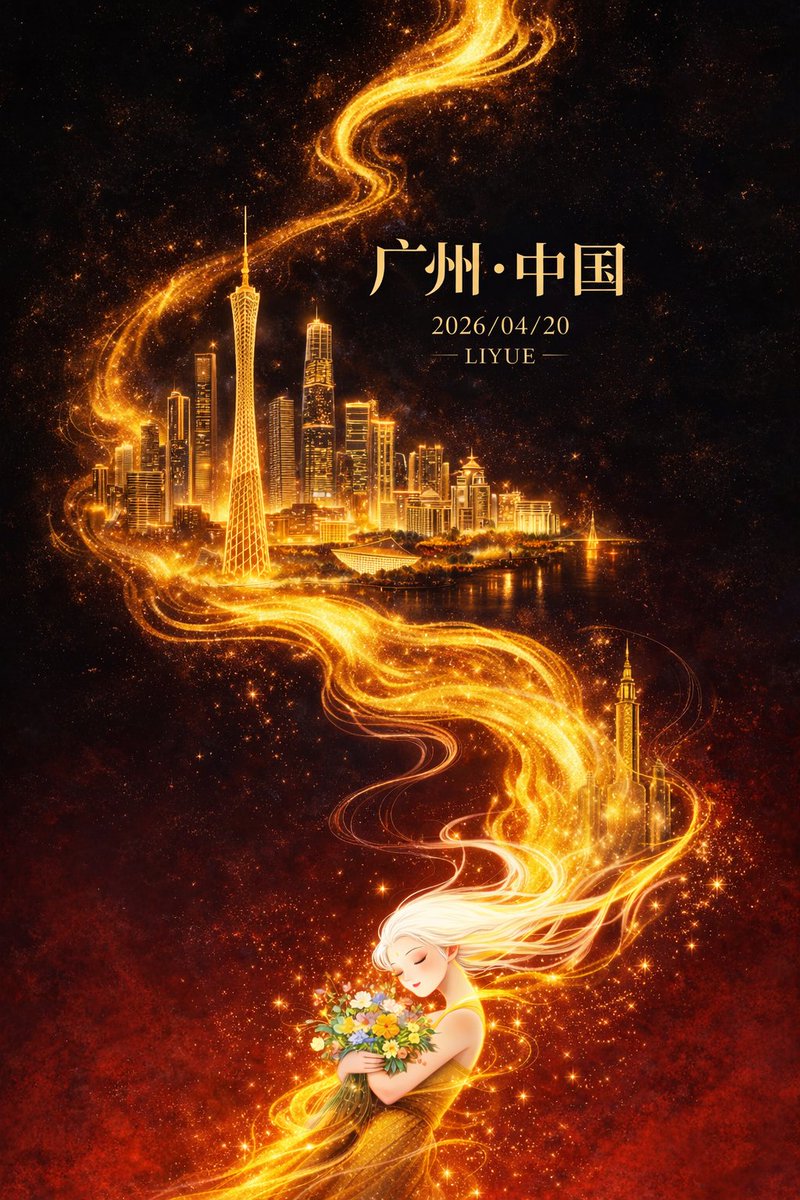
Flat Illustration
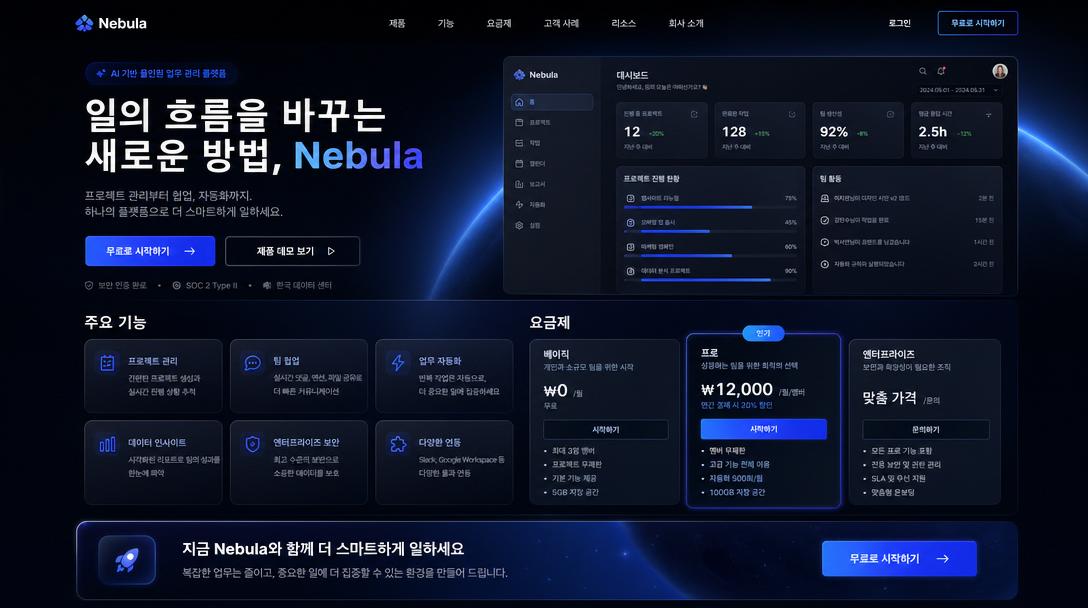
Premium Dark Mode SaaS Landing Page Design Mockup
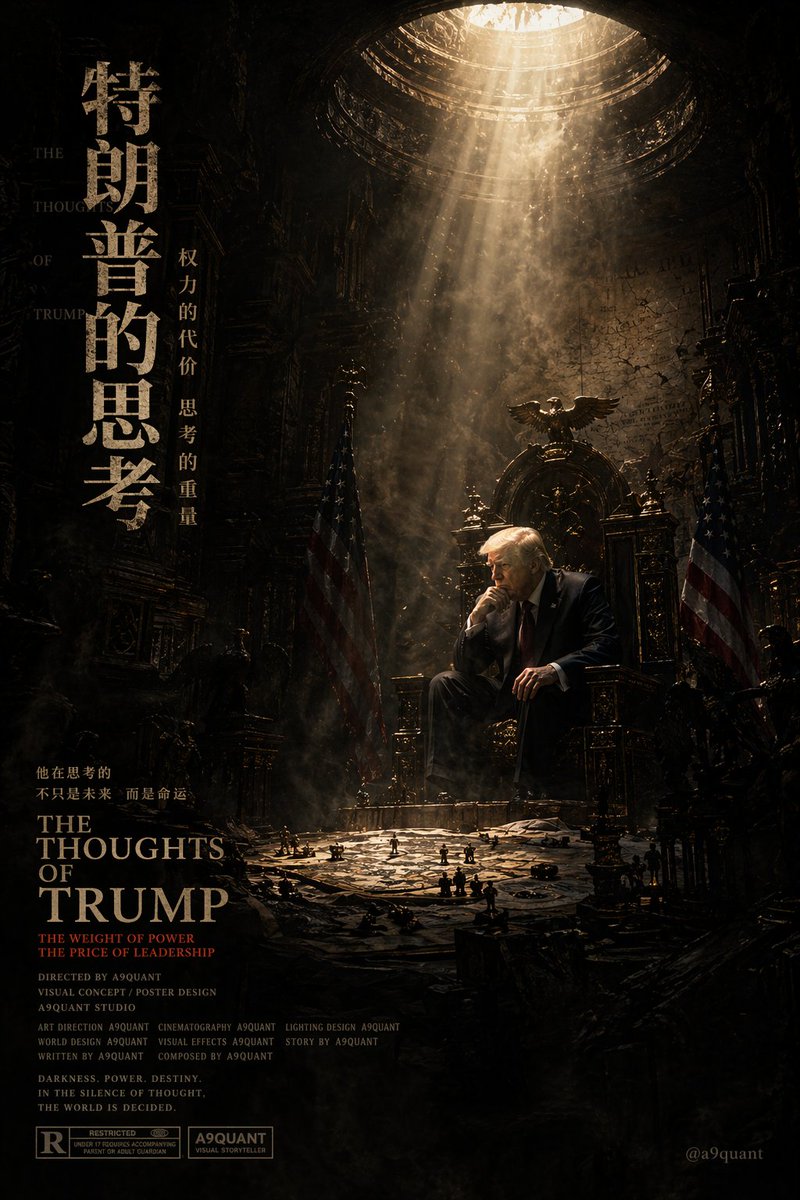
Automatically Generate a Top-tier Dark Epic Concept Poster / Cinematic Infographic Poster
Retro Terminal Boot Sequence Video
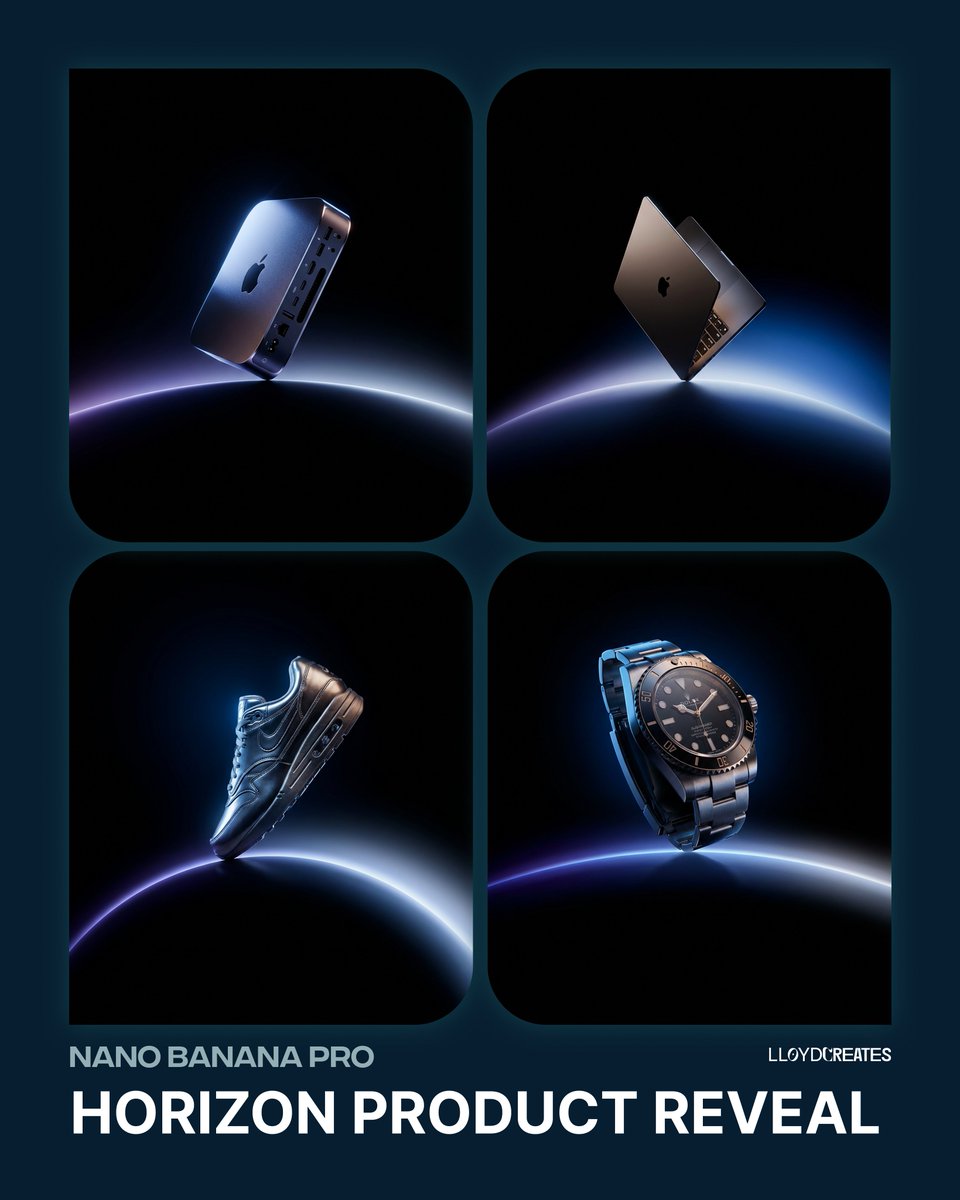
Dark Cinematic Product Reveal
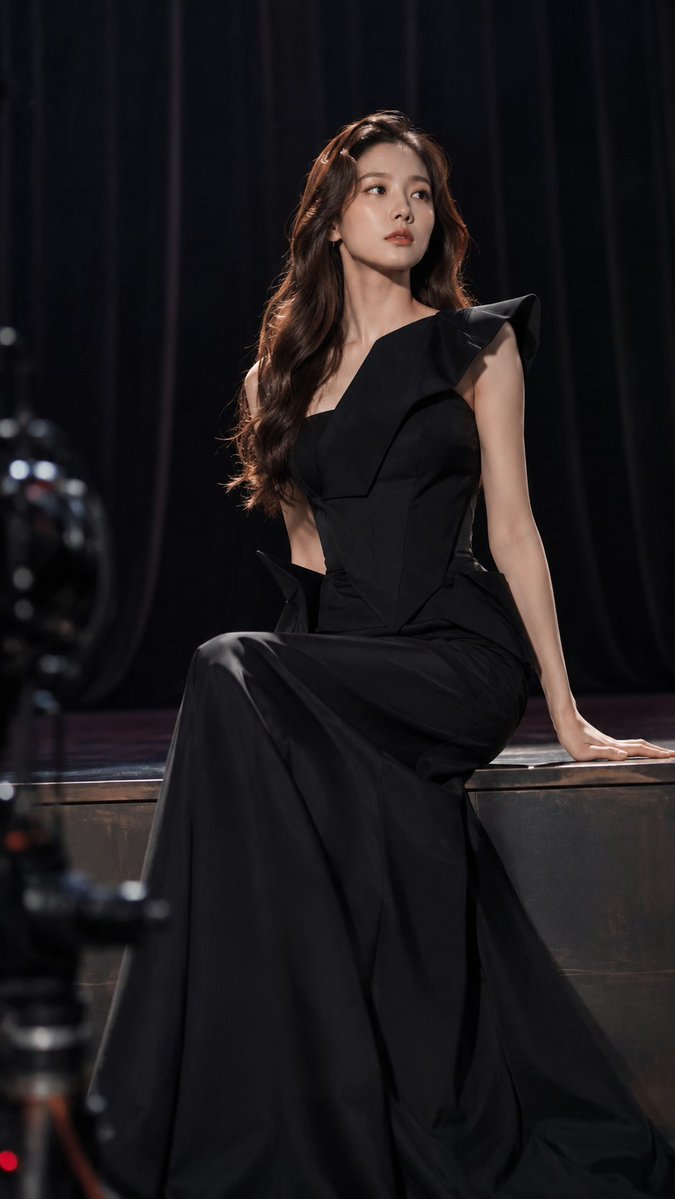
Dark Avant-Garde Stage Fashion
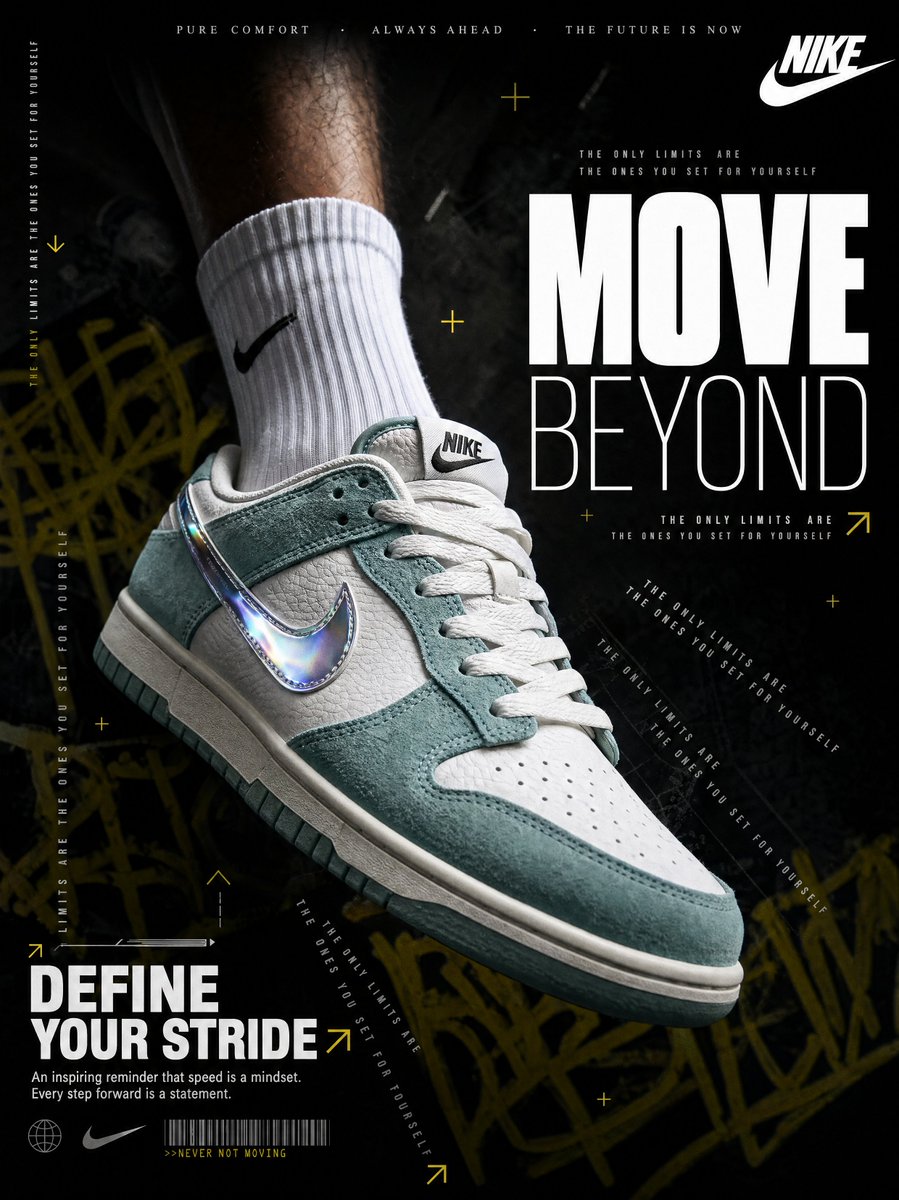
Dark Moody Nike Sneaker Ad
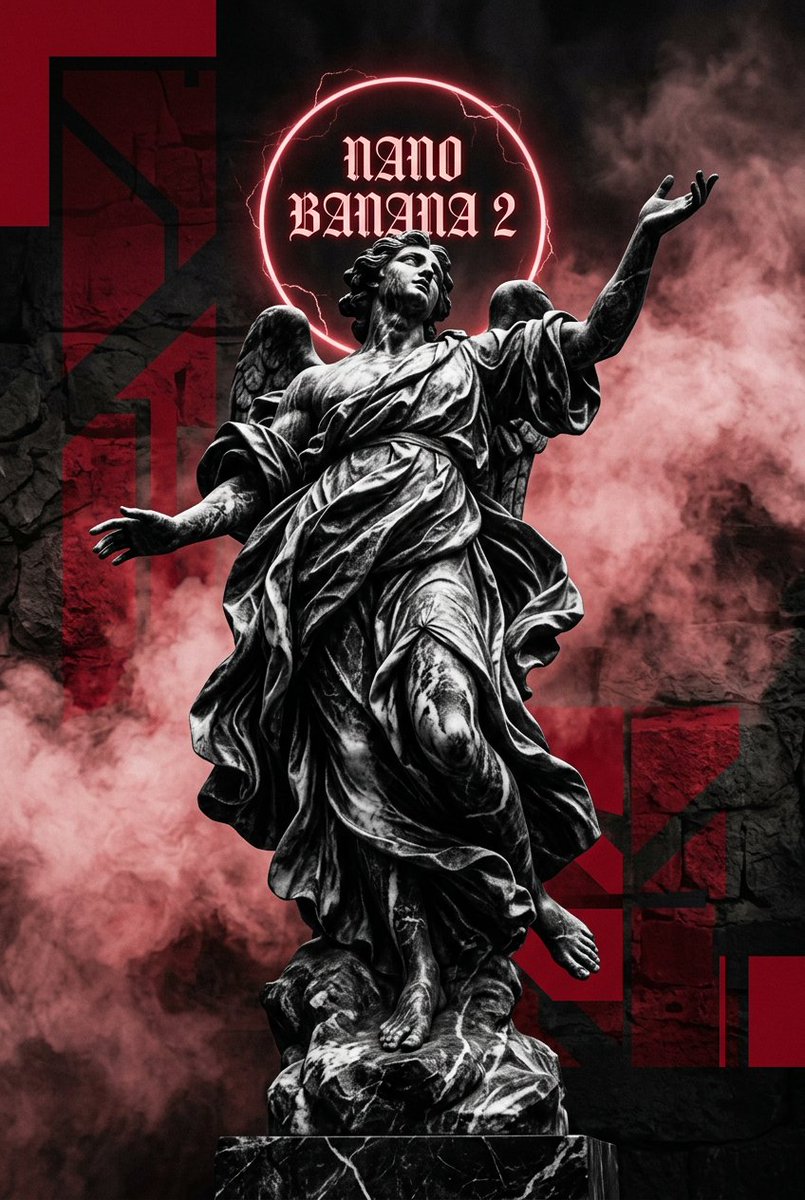
Dark Renaissance Statue Poster
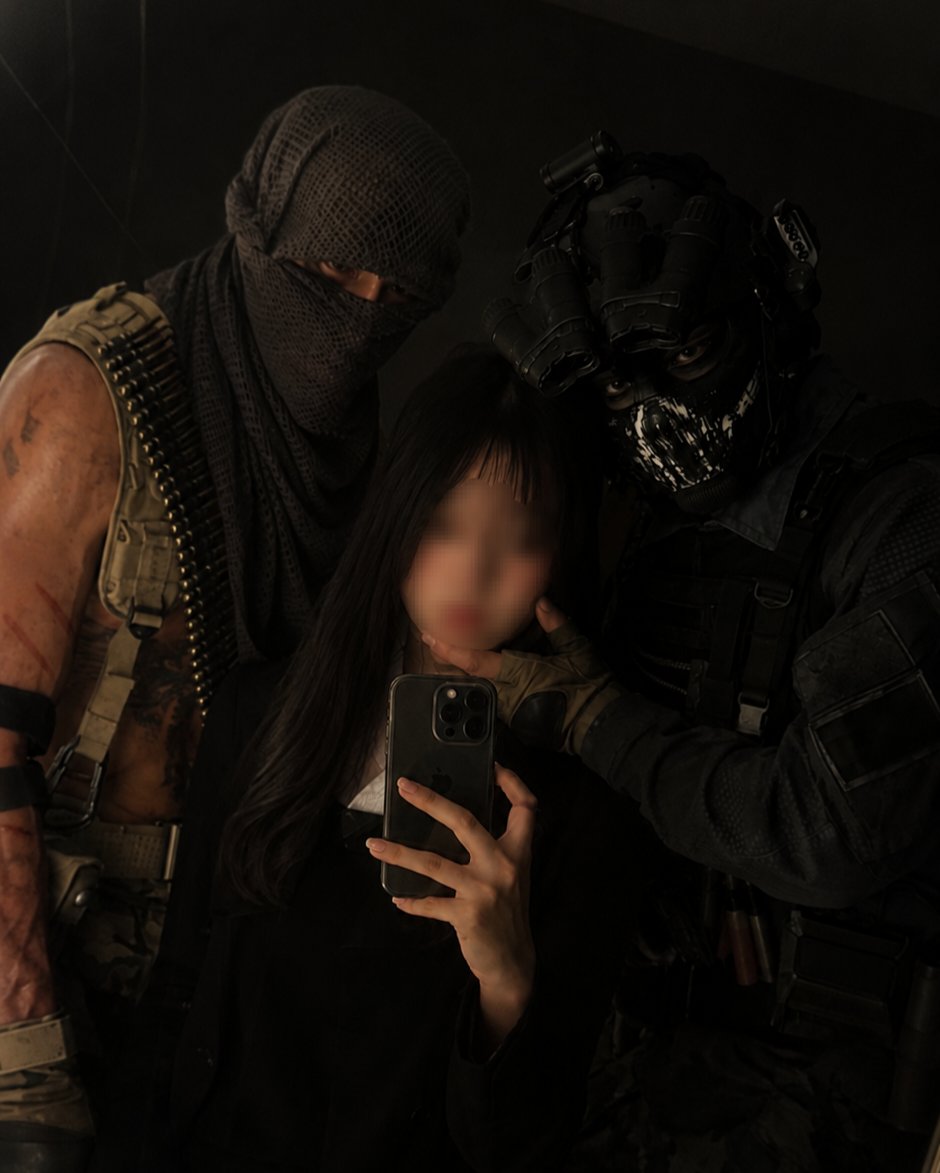
Mirror Selfie with Your Favorite Character
What Are Dark Aesthetic AI Prompts?
Dark Aesthetic AI Prompts are specialized sets of instructions designed to explore the profound beauty found within shadows, low lighting, and moody atmospheres. Rather than simply producing 'dark' images, these prompts focus on the sophisticated use of chiaroscuro, muted color palettes, and cinematic depth to evoke feelings of mystery, introspection, and intensity. By using Carat's dark aesthetic prompts, creators can generate high-fidelity visuals that range from noir-inspired urban scenes to gothic-themed portraits and surreal midnight landscapes. These prompts act as a bridge to a world where darkness is not an absence of light, but a medium through which story and emotion are told with striking visual power.
Best Use Cases
The applications for dark aesthetic visuals are vast, especially in industries that value mood and storytelling. They are a top choice for authors needing evocative book covers for dark fantasy, mystery, or thriller genres. In the music industry, these prompts help artists and designers create album covers that reflect the depth and soul of their sound. Fashion brands use this tag to generate avant-garde editorial concepts that stand out from conventional, brightly lit ads. Additionally, digital creators use these prompts to develop high-impact mood boards, social media content, and background assets for games or films that require a sense of tension or high-end drama. Whether it's a sleek, dark-mode UI design or a gritty street photography series, this tag provides the essential tools for any project that needs a touch of darkness and sophistication.
Why This Tag Works
Capturing the nuances of darkness is one of the most challenging tasks in photography and digital art because it requires a precise balance of contrast and texture to keep the image from looking flat or muddy. The Dark Aesthetic tag works because it leverages AI's deep understanding of light physics - specifically how light bends and falls in low-light environments. These prompts are pre-optimized to ensure that even in the darkest compositions, the subject remains clear and the textures (like smoke, leather, or stone) are tangibly realistic. This allows creators to achieve professional results without needing an expensive studio setup or hours of post-processing. The tag effectively handles the 'heavy lifting' of lighting and grain control, giving the user the freedom to experiment with complex emotional themes and bold visual styles with ease.
Explore Related Prompts
Prompt Building Tips
To master the dark aesthetic, you must become a master of 'contrast'. Use keywords like 'high contrast', 'dramatic shadows', and 'dimly lit' to establish the base mood. To add depth, include atmospheric elements such as 'thick fog', 'swirling smoke', or 'floating dust motes'. Lighting should be used sparingly but effectively - try 'moonlight through a window', 'flickering candlelight', or 'a single neon point light' to create a focal point within the darkness. Texture also plays a vital role; mention materials like 'polished marble', 'worn velvet', or 'wet asphalt' to give the image a physical presence. Color-wise, focus on 'monochrome' or 'near-black' shades with subtle accents like 'midnight blue', 'charcoal grey', or 'deep burgundy'. Finally, define the camera angle and lens type - 'wide angle cinematic shot' or 'macro photography' - to control how the viewer perceives the space and the subject within your dark masterpiece.