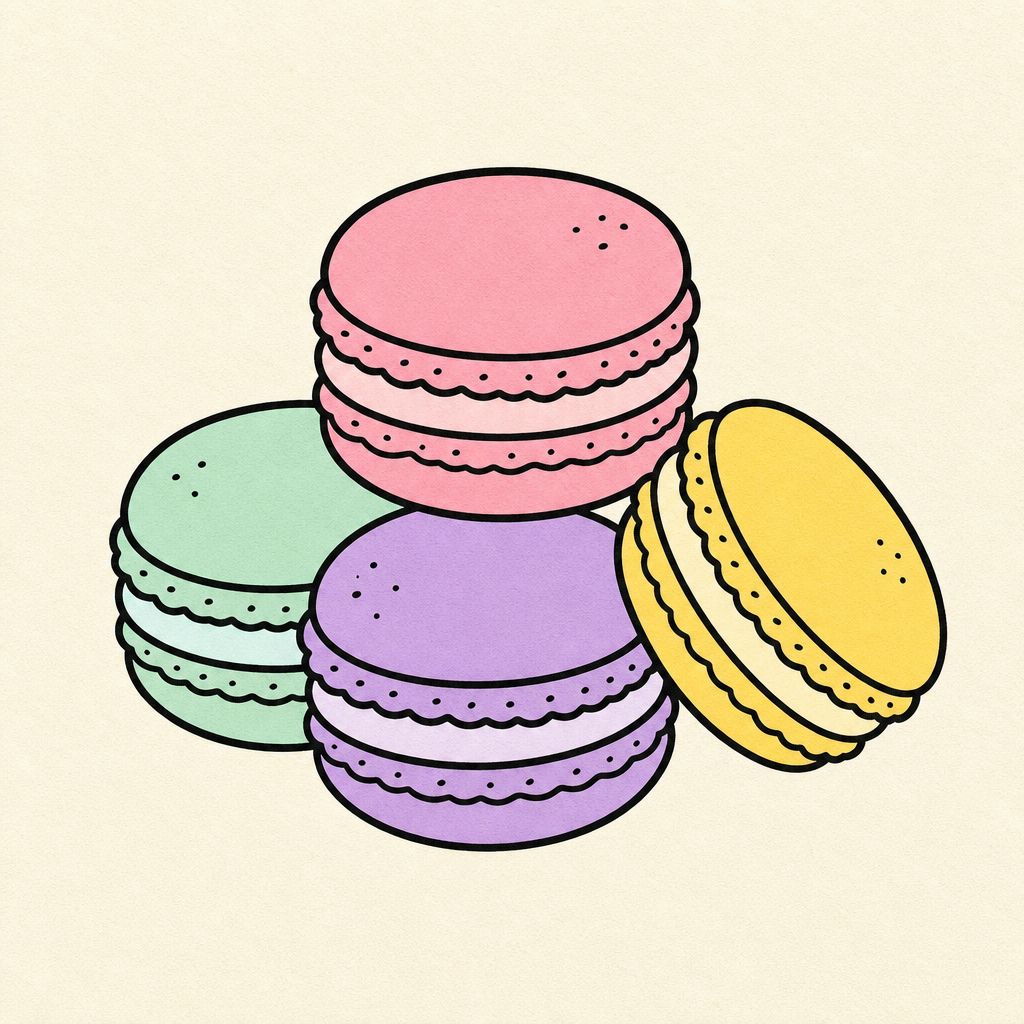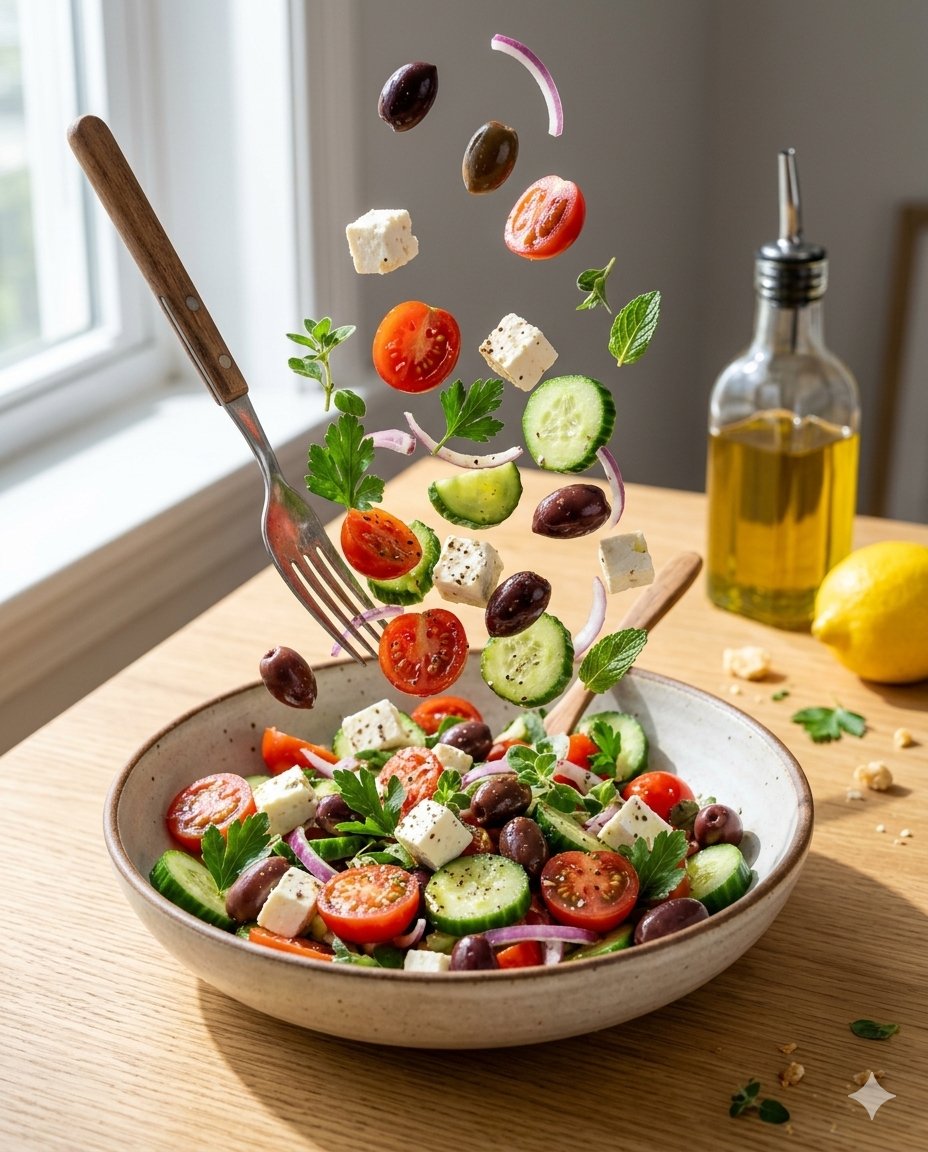
Dessert Illustration
Create stunning Dessert Illustration visuals with professional AI prompts for your projects.
2026.07.04
Make “Dessert Illustration” exactly the way you wantCreate your own “Dessert Illustration”
Just ask in plain language — Carat generates optimized images and videos for you.

Start now with 100 free credits daily
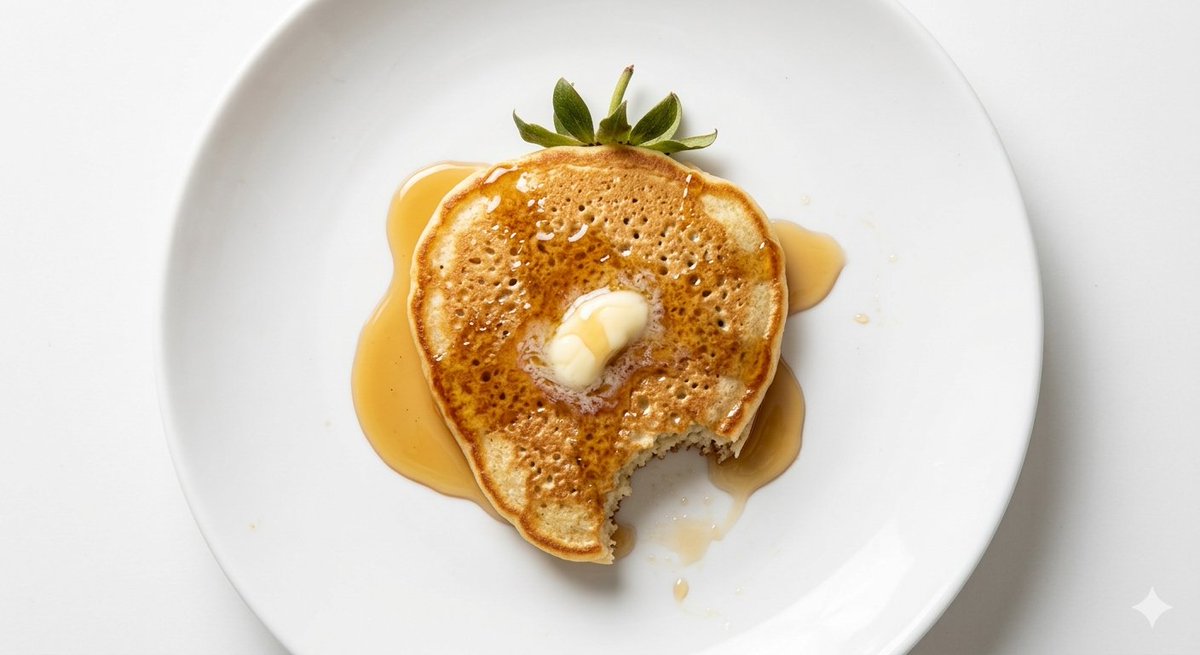
Strawberry-Shaped Pancake Food Photography
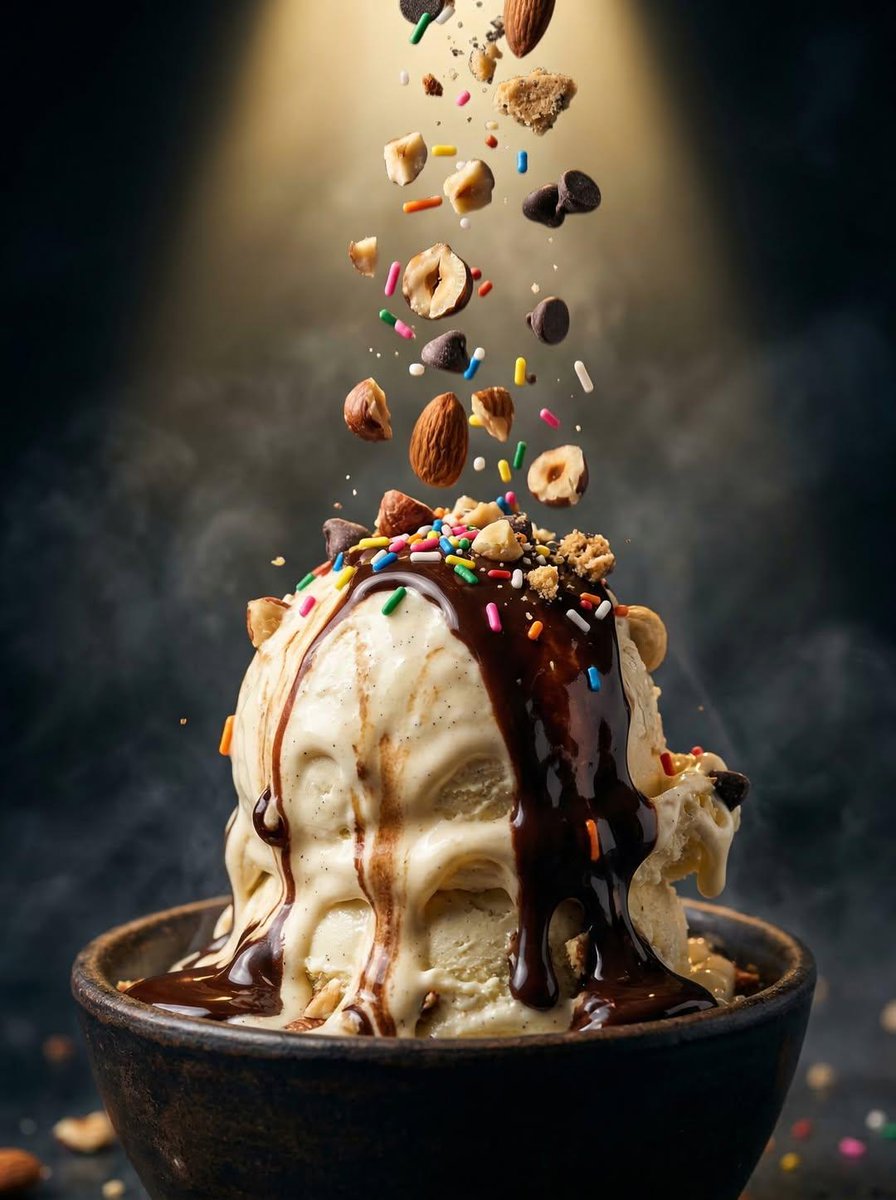
Ice Cream Food Photography
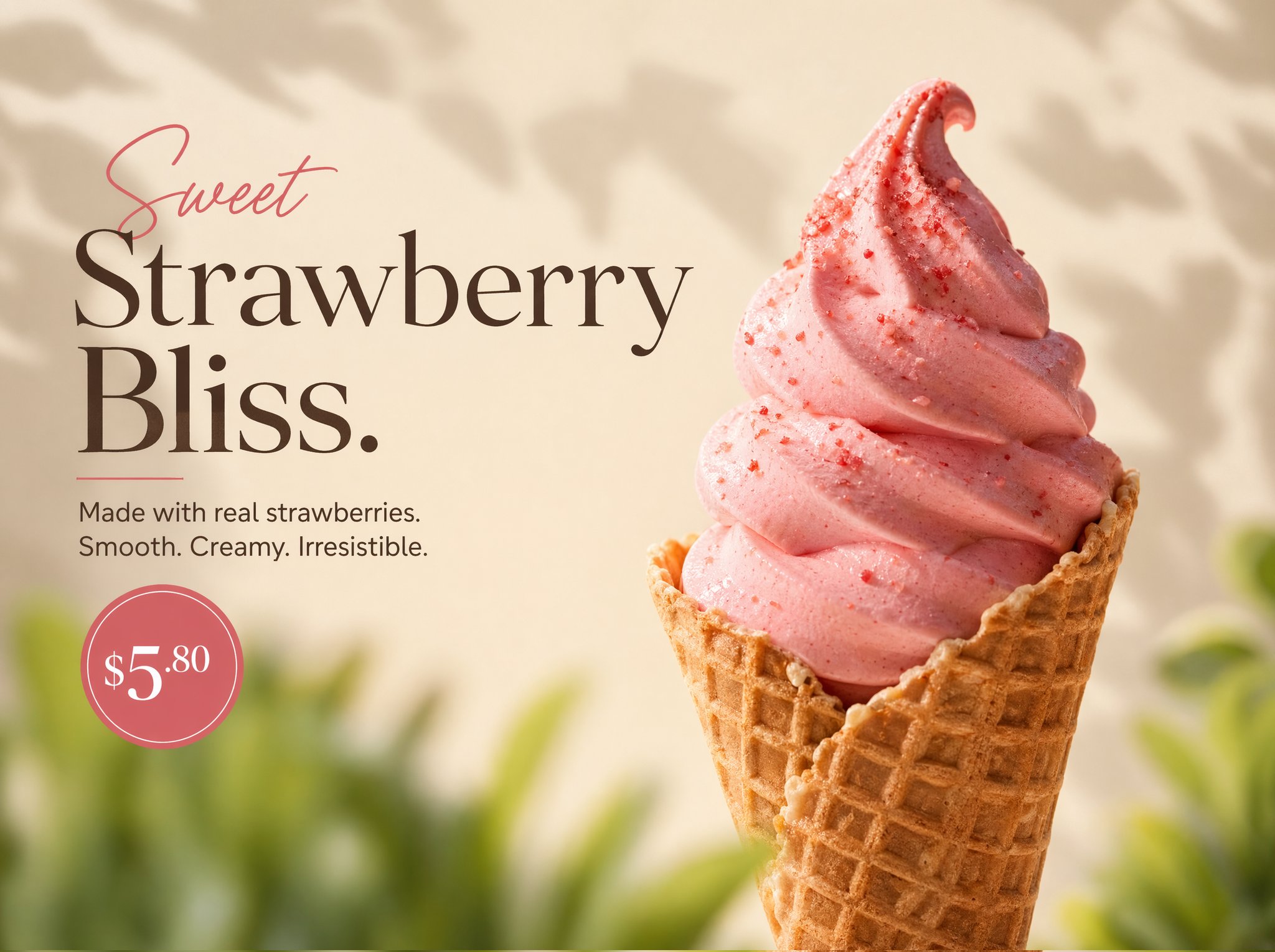
Ultra-realistic Product Photography of a Rich Strawberry Soft-serve Ice Cream in a Crispy
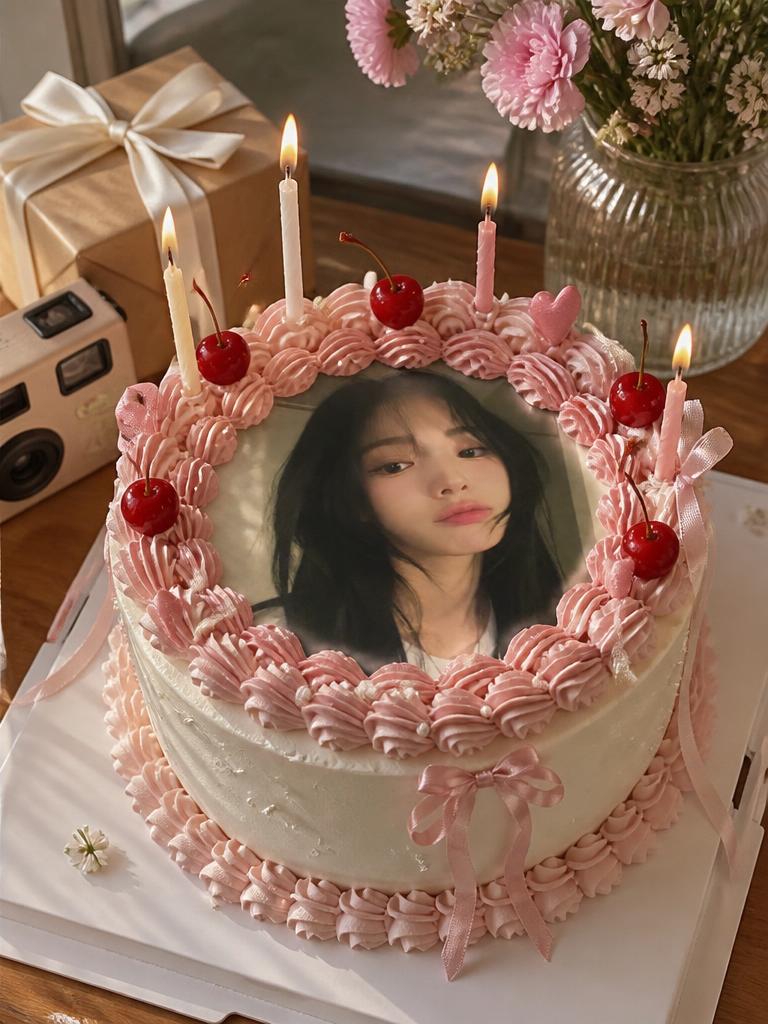
My Photo on Birthday Cake
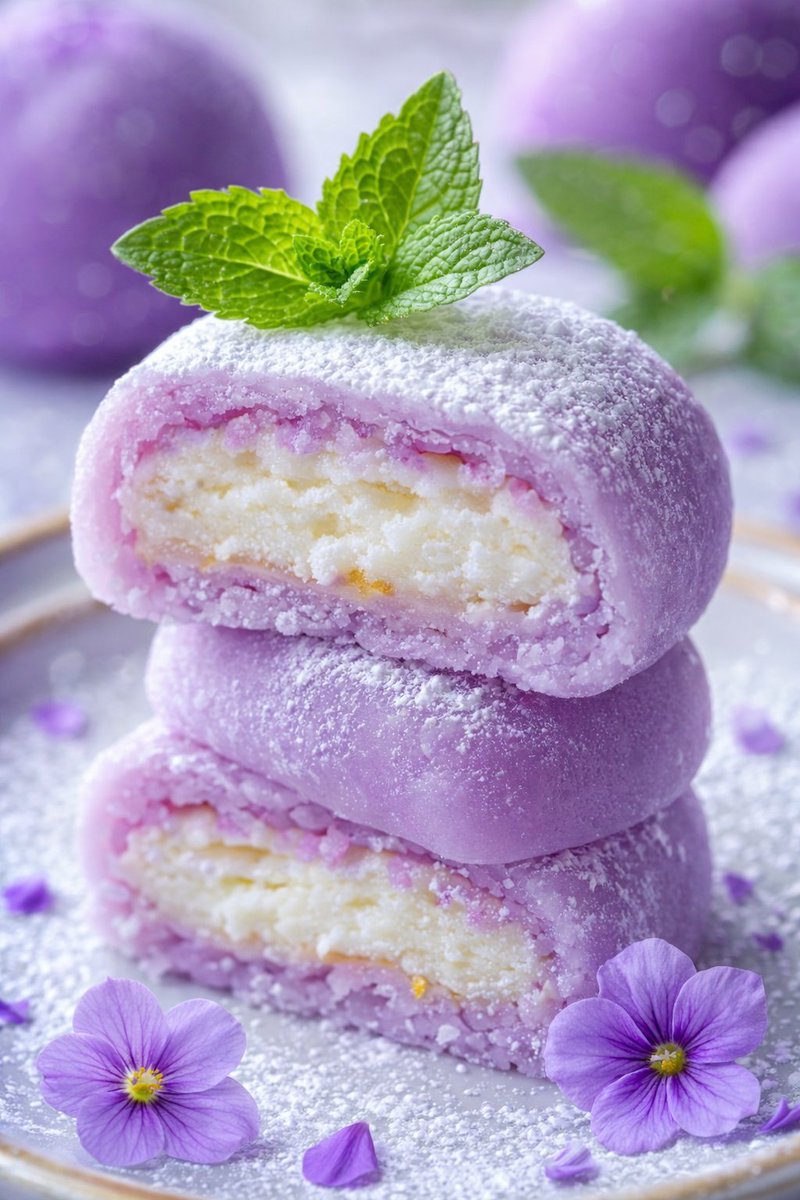
Matcha Cheesecake Food Photo
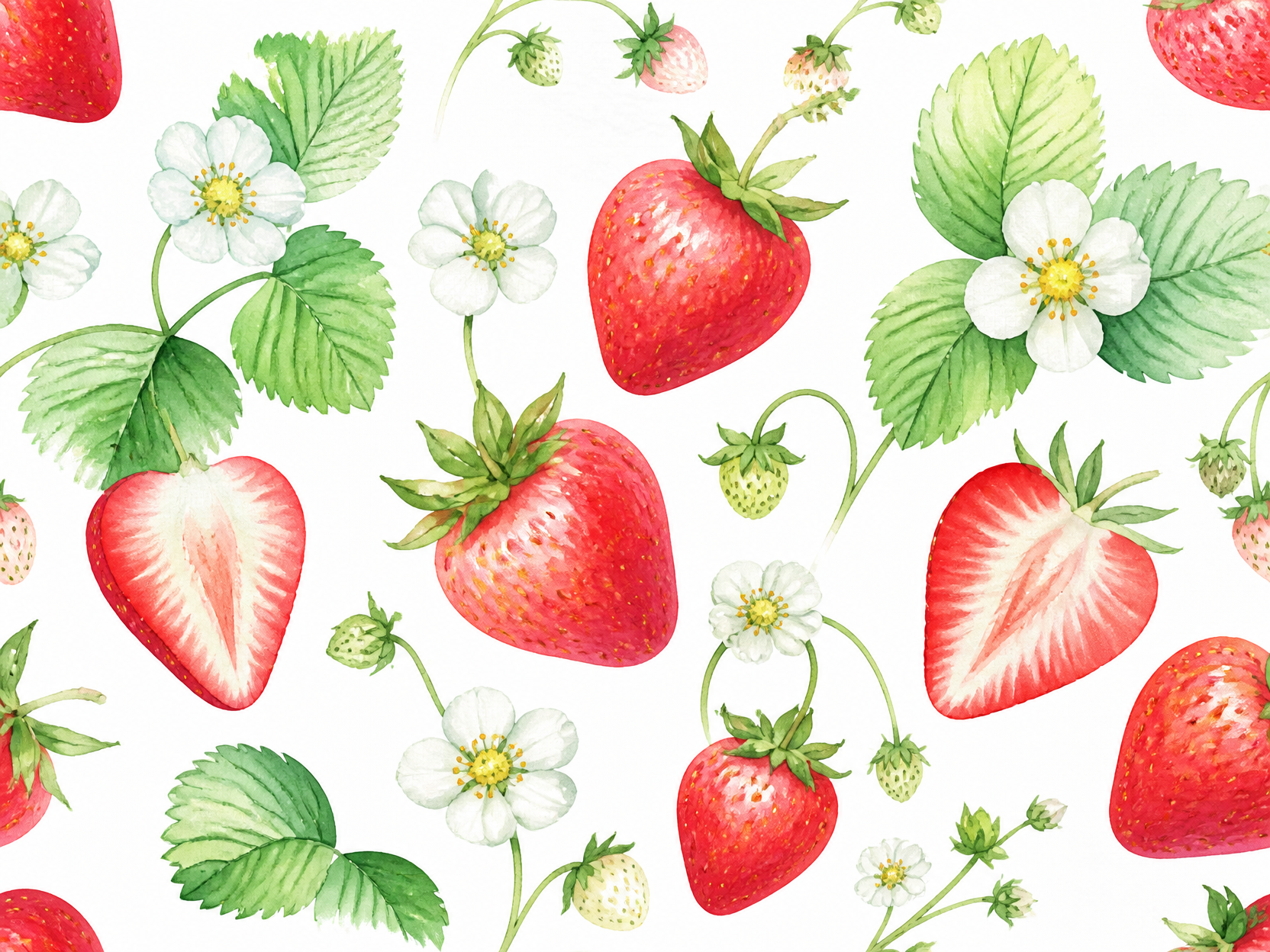
딸기 일러스트 예시 3
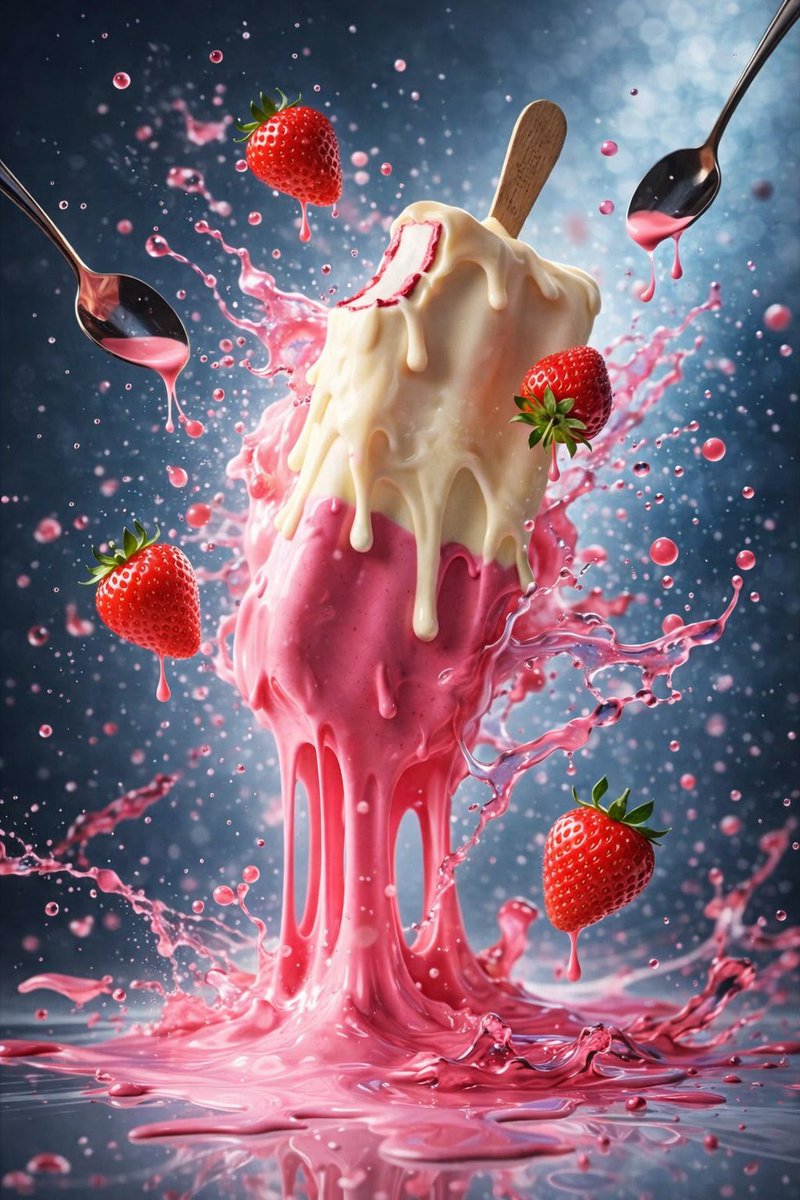
Ice Cream Cone Food Photo
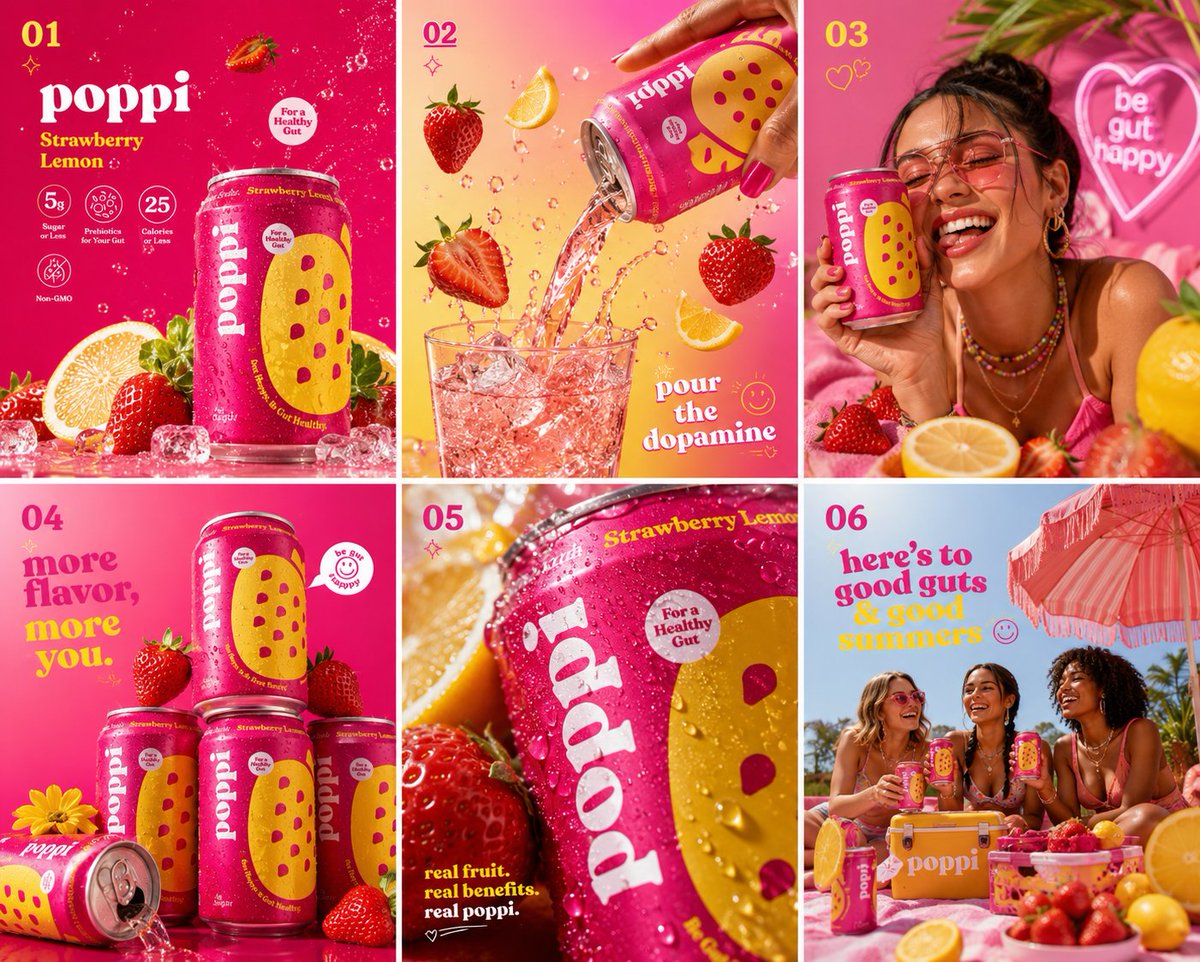
Poppi Strawberry Lemon Soda Hero Shot
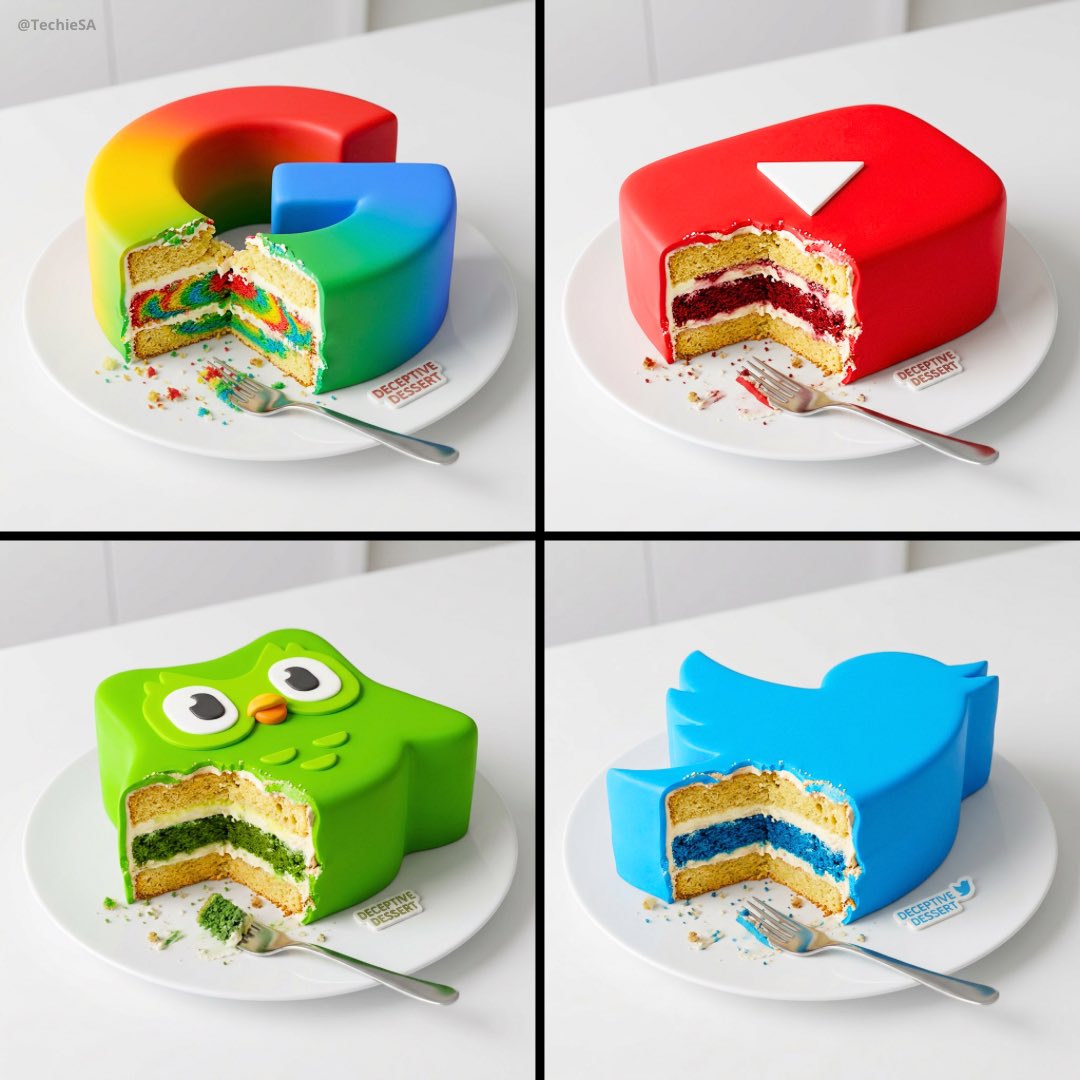
Logo Cake Illustration
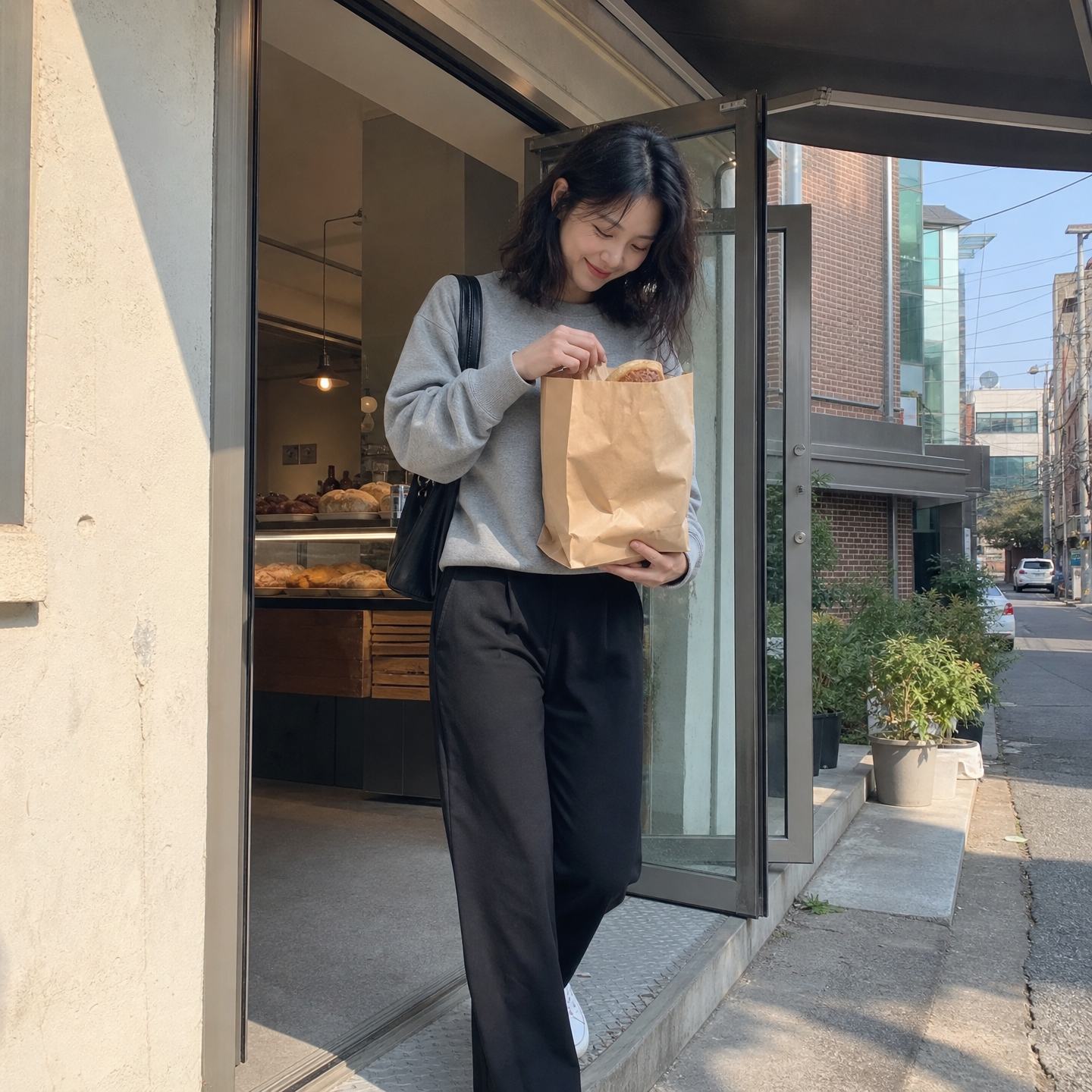
Leaving the Neighborhood Bakery
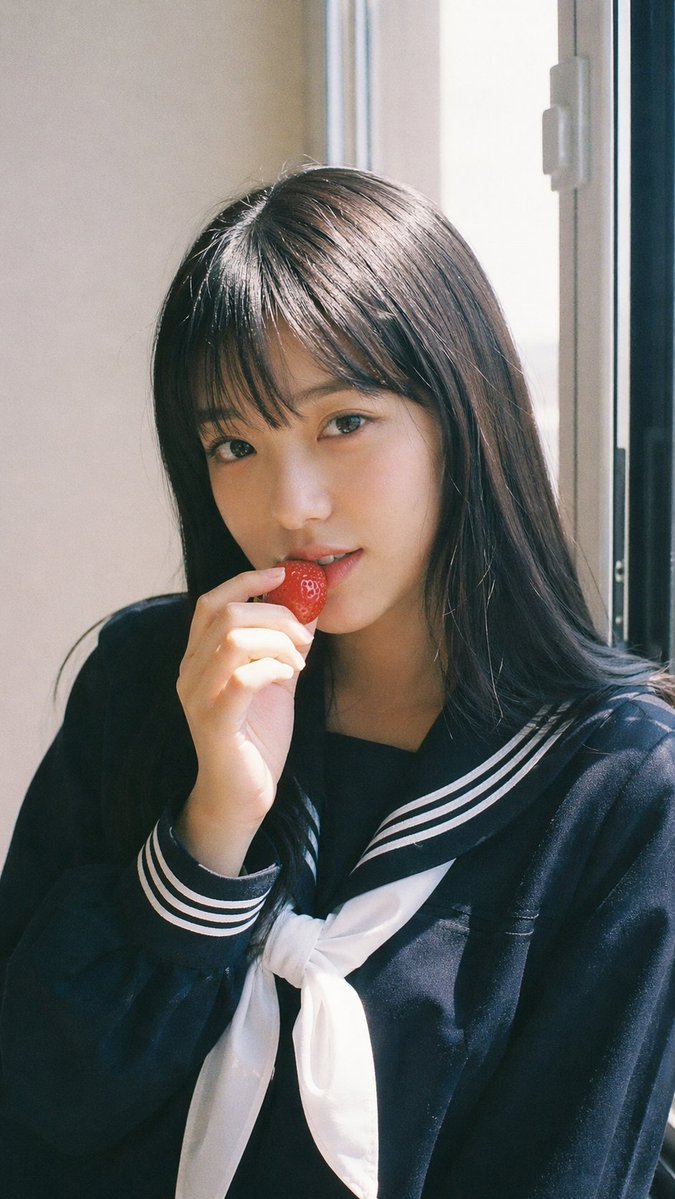
Fujifilm Strawberry Uniform Portrait
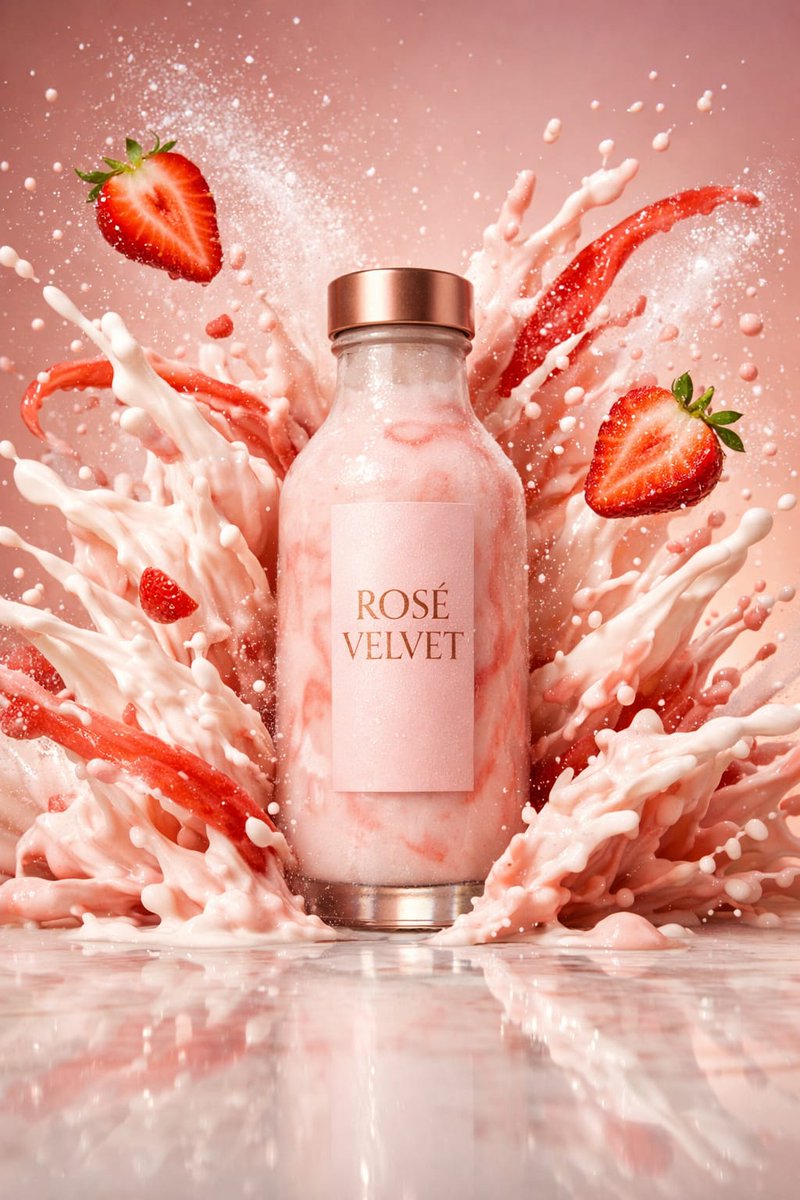
ROSÉ VELVET Strawberry Shake Ad
What Are Dessert Illustration AI Prompts?
Dessert Illustration AI prompts are highly specialized sets of textual instructions designed to guide advanced generative AI models-such as Midjourney, DALL-E 3, and Stable Diffusion-in creating stunning visual representations of 디저트 일러스트, 케이크, 마카롱, 쿠키. These prompts act as a bridge between your creative imagination and the machine's computational power, allowing you to define every detail from the translucency of a glass to the specific hue of a brushstroke. Whether you are looking for a photorealistic 3D render or a delicate hand-drawn sketch, these prompts provide the necessary structure to achieve consistent and high-quality results. By using Carat's curated prompts, you can bypass the trial-and-error phase and jump straight to producing professional-grade assets that capture the essence of light, form, and texture. Each prompt is engineered to consider environmental factors, camera angles, and artistic styles, ensuring that the final output is not just a picture, but a masterpiece that tells a story through visual elements. The depth of description available in these prompts allows for the exploration of complex lighting scenarios, such as caustic reflections through liquid or the soft diffusion of light through a fabric lampshade. By understanding the underlying mechanics of AI generation, these prompts enable a level of control that was previously reserved only for master digital artists. With just a few lines of text, you can command the AI to render intricate details like condensation droplets, fine paint splatters, or the subtle grain of an aged parchment, all while maintaining a cohesive aesthetic that aligns with your project goals.
Best Use Cases
The versatility of Dessert Illustration images makes them indispensable for modern digital and physical media. One of the primary use cases is in the field of commercial advertising and menu design. For instance, high-quality drink or food illustrations can be used to create appetite-appealing banners without the prohibitive cost of professional food photography. Secondly, these prompts are perfect for content creators on platforms like Instagram and Pinterest who need a steady stream of aesthetically pleasing, thematic backgrounds for their posts. Third, the stationery and merchandise industry can leverage these designs for creating unique stickers, postcards, and art prints. Designers working on UI/UX projects also find these illustrations useful for adding personality to landing pages and app interfaces. Additionally, educators and presenters can use these visuals to enhance storytelling in their materials, making complex concepts easier to grasp through beautiful, relevant imagery. From digital marketing to home decor, the applications are virtually limitless. Another significant area of use is in the development of brand identities; consistently styled illustrations can serve as a primary visual asset for a brand's social media presence, creating a recognizable and professional look that builds trust with the audience. Furthermore, these AI-generated visuals are ideal for rapid prototyping in the design phase, allowing creators to explore multiple aesthetic directions in a fraction of the time it would take to draw them manually. Whether you are building a website, designing a brochure, or simply looking for inspiration, these illustrations provide a rich source of visual data that can be adapted to any context.
Why This Tag Works
The Dessert Illustration tag is particularly effective because it focuses on subjects that require a delicate balance of lighting and material properties. AI models are exceptionally good at simulating how light interacts with liquids, glass, and pigments, but they need the right triggers to do so accurately. This tag provides those triggers by incorporating specialized vocabulary related to translucency, refraction, and surface tension. Moreover, it allows users to experiment with various artistic movements-from Impressionism to Hyperrealism-within the specific context of 디저트 일러스트, 케이크, 마카롱, 쿠키. This consistency is crucial for branding projects where a unified visual language is required across different assets. By standardizing the prompt structure, the Dessert Illustration tag ensures that even if you change the subject from a latte to a lemonade, the overarching quality and stylistic integrity remain intact. It empowers users to be art directors of their own projects, giving them total control over the mood, color palette, and composition without needing years of technical training in digital art tools. The effectiveness of this tag also lies in its ability to bridge the gap between abstract concepts and concrete visuals. By providing a structured framework, it reduces the cognitive load on the user, allowing them to focus on the creative vision rather than the technical minutiae of prompt engineering. This makes the tool accessible to a wider audience, from professional designers seeking to speed up their workflow to hobbyists wanting to express their creativity. Ultimately, the Dessert Illustration tag works because it leverages the inherent strengths of AI to produce images that are not only visually pleasing but also technically sound and conceptually relevant.
Explore Related Prompts
- Illustration
- Food Illustration
- Poster
- Card News Template
- Character
- Watercolor Style
- Oil Painting Style
Prompt Building Tips
Creating the perfect prompt for Dessert Illustration requires a systematic approach to detailing. Start by defining the core subject with precision; instead of just saying "a drink," specify "a tall glass of iced sparkling hibiscus tea with mint leaves." Next, layer in the artistic style-do you want a minimalist flat design, a vibrant oil painting, or a cinematic 3D render? The third layer should focus on the environment and lighting. Words like "dappled sunlight," "studio lighting," or "neon glow" can completely change the emotional impact of the image. Fourth, describe the texture and materials: mention the "frosted condensation on the glass" or the "viscous texture of wet paint." Finally, add technical modifiers to ensure the highest fidelity. Use terms like "subsurface scattering," "volumetric lighting," and "ultra-detailed macro photography" to push the AI to its limits. Remember to maintain a logical flow in your prompt, moving from the broad concept to the minute details. This hierarchy helps the AI understand what the most important elements are, resulting in a composition that is both balanced and visually striking. Experimenting with different combinations of these elements will help you discover unique styles that are all your own. Don't be afraid to use negative prompts as well, to exclude elements that might clutter the composition, such as "blurry," "distorted," or "noisy." By fine-tuning the balance between descriptive adjectives and technical commands, you can achieve a level of realism or stylized beauty that truly stands out in a crowded digital landscape. Always iterate on your results; often, the best images come from small adjustments to the lighting or the camera angle described in your prompt. This iterative process is key to mastering the art of AI-assisted design.