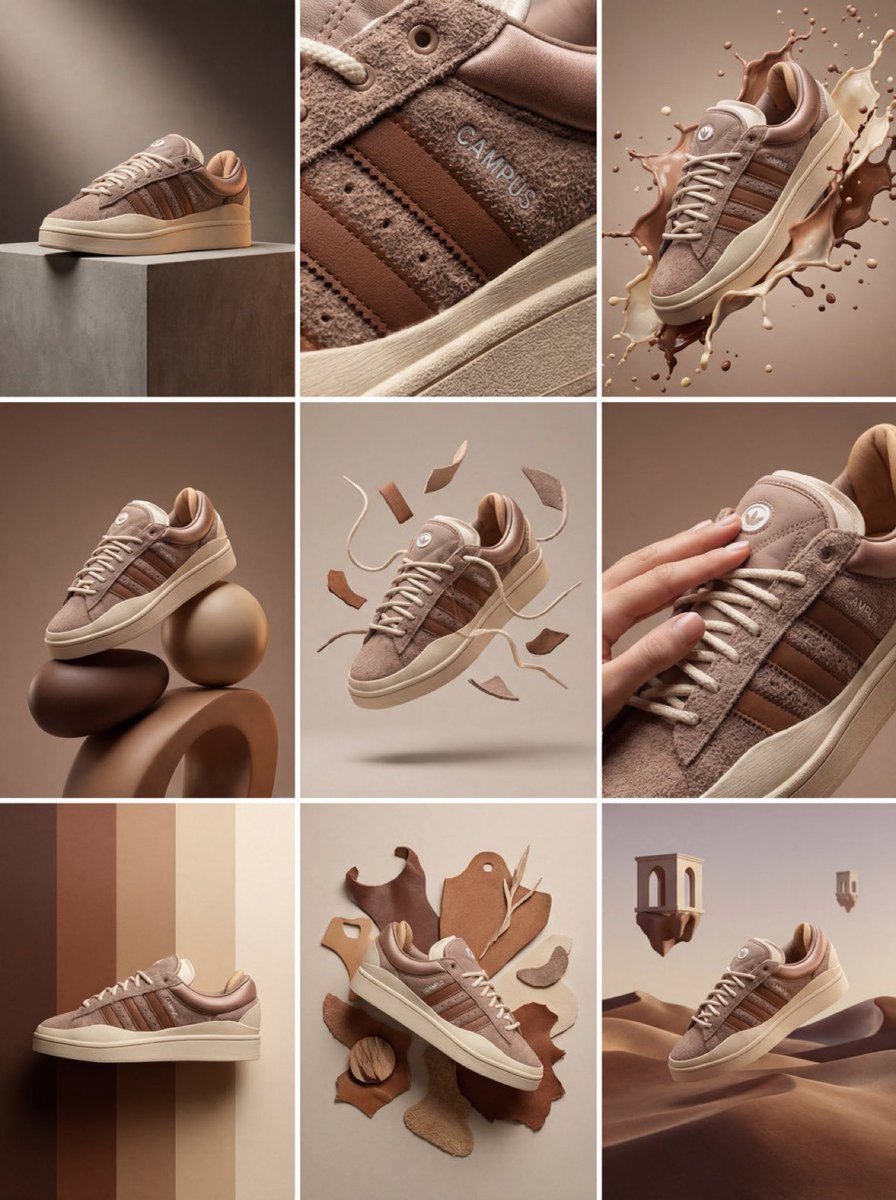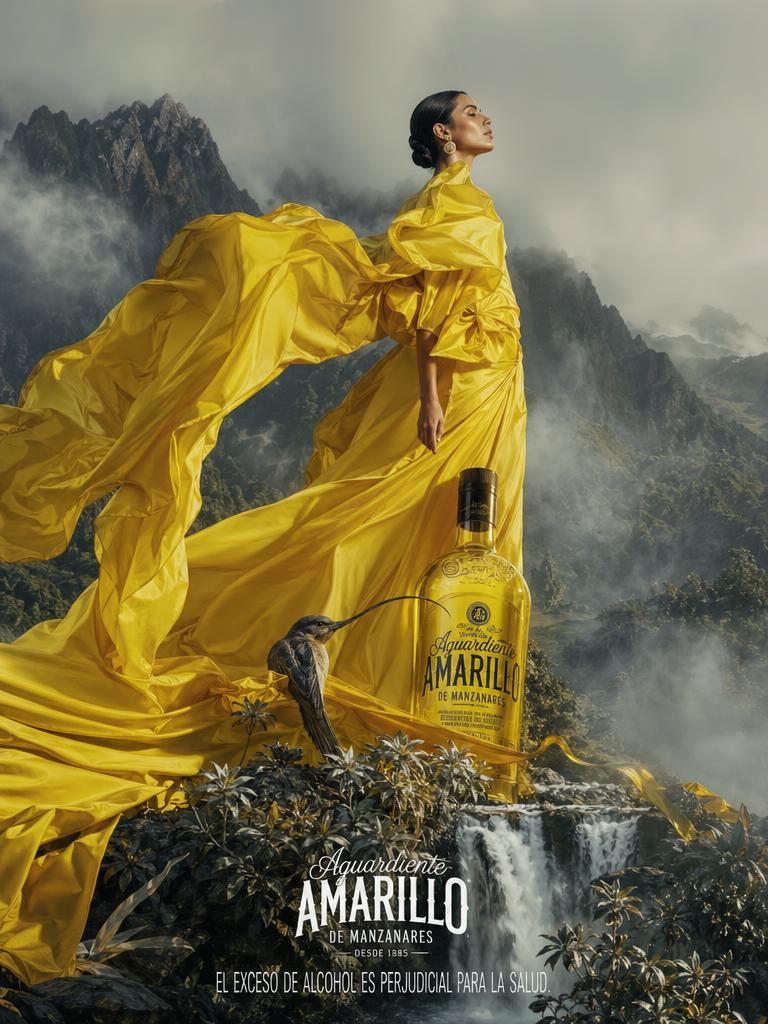
Fashion Campaign
Discover high-end AI prompts for creating sophisticated fashion brand campaign visuals.
2026.07.04
Make “Fashion Campaign” exactly the way you wantCreate your own “Fashion Campaign”
Just ask in plain language — Carat generates optimized images and videos for you.

Start now with 100 free credits daily
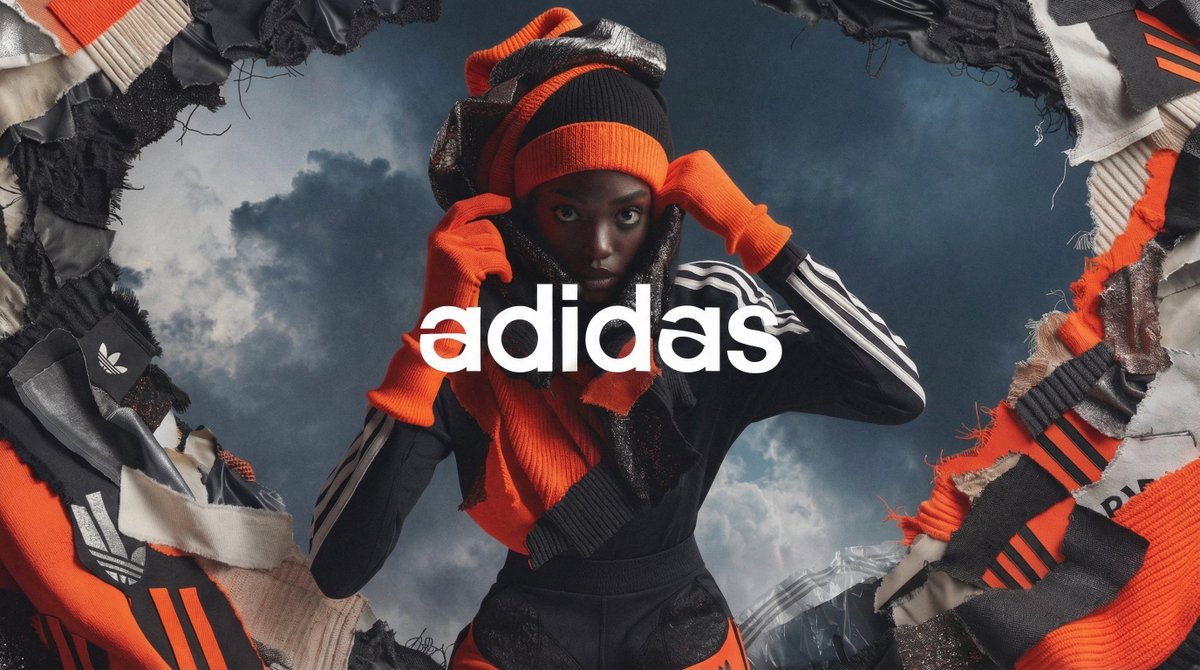
High Fashion Campaign Poster
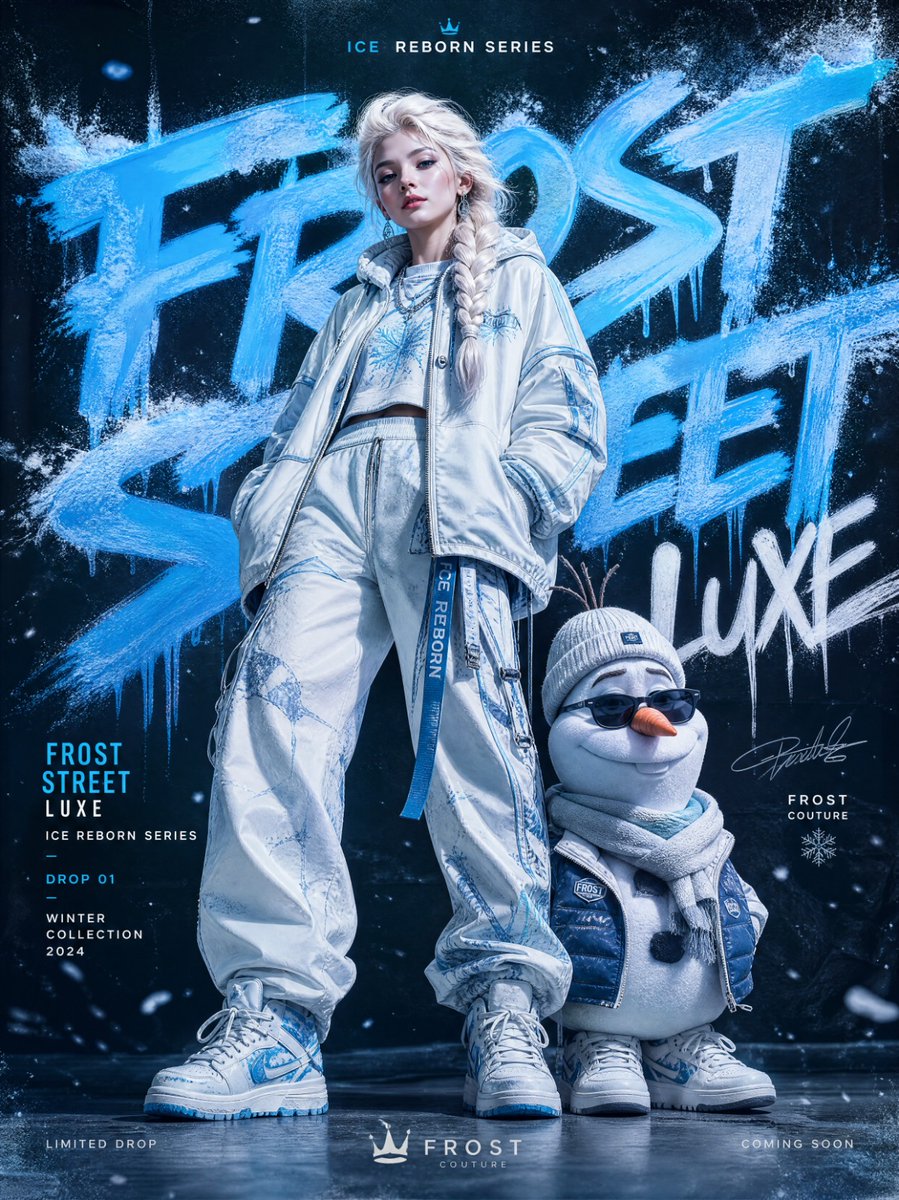
Frozen Streetwear Fashion Campaign
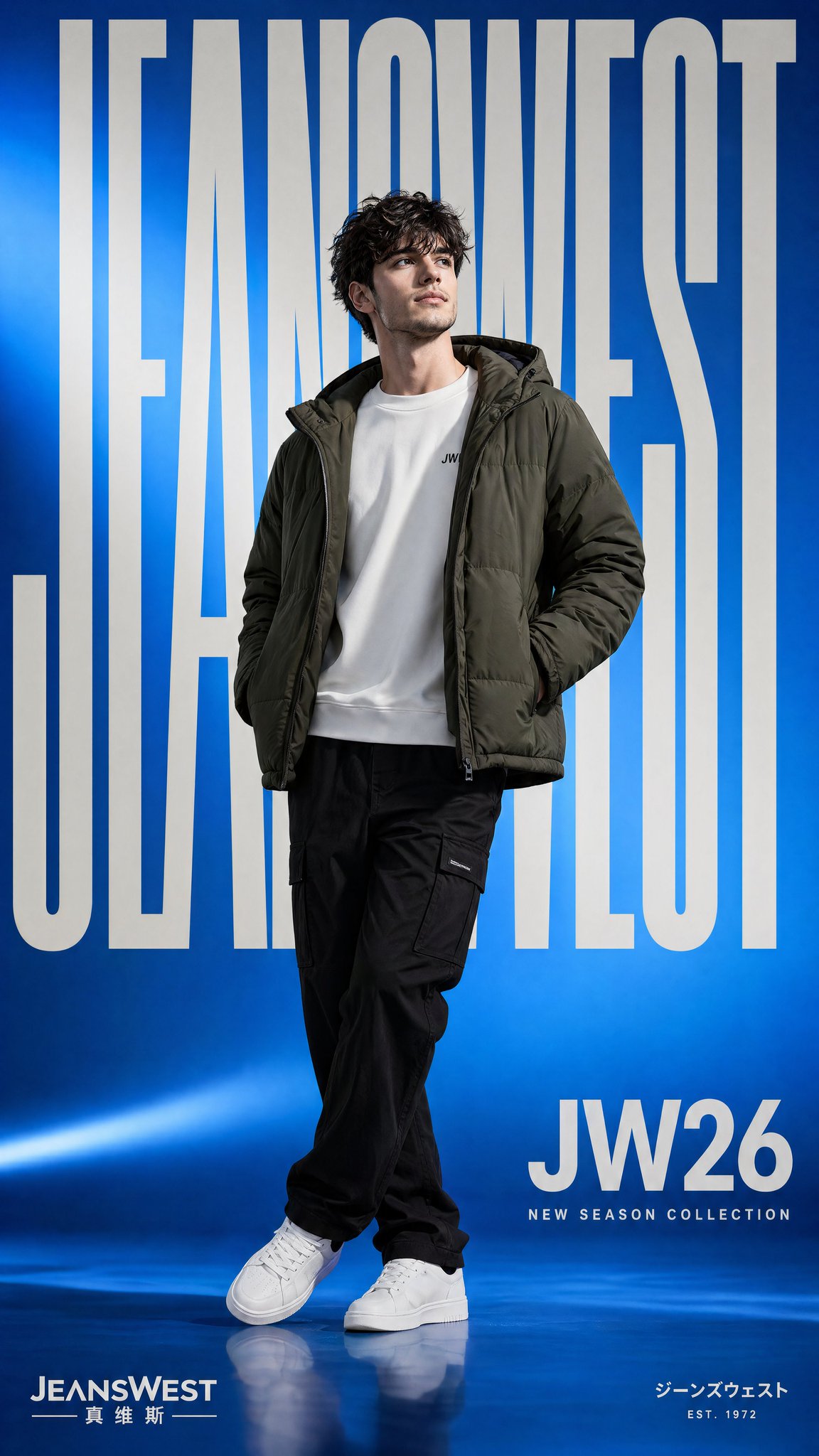
Premium Streetwear Fashion Campaign Poster Inspired by Modern Asian Apparel Advertising
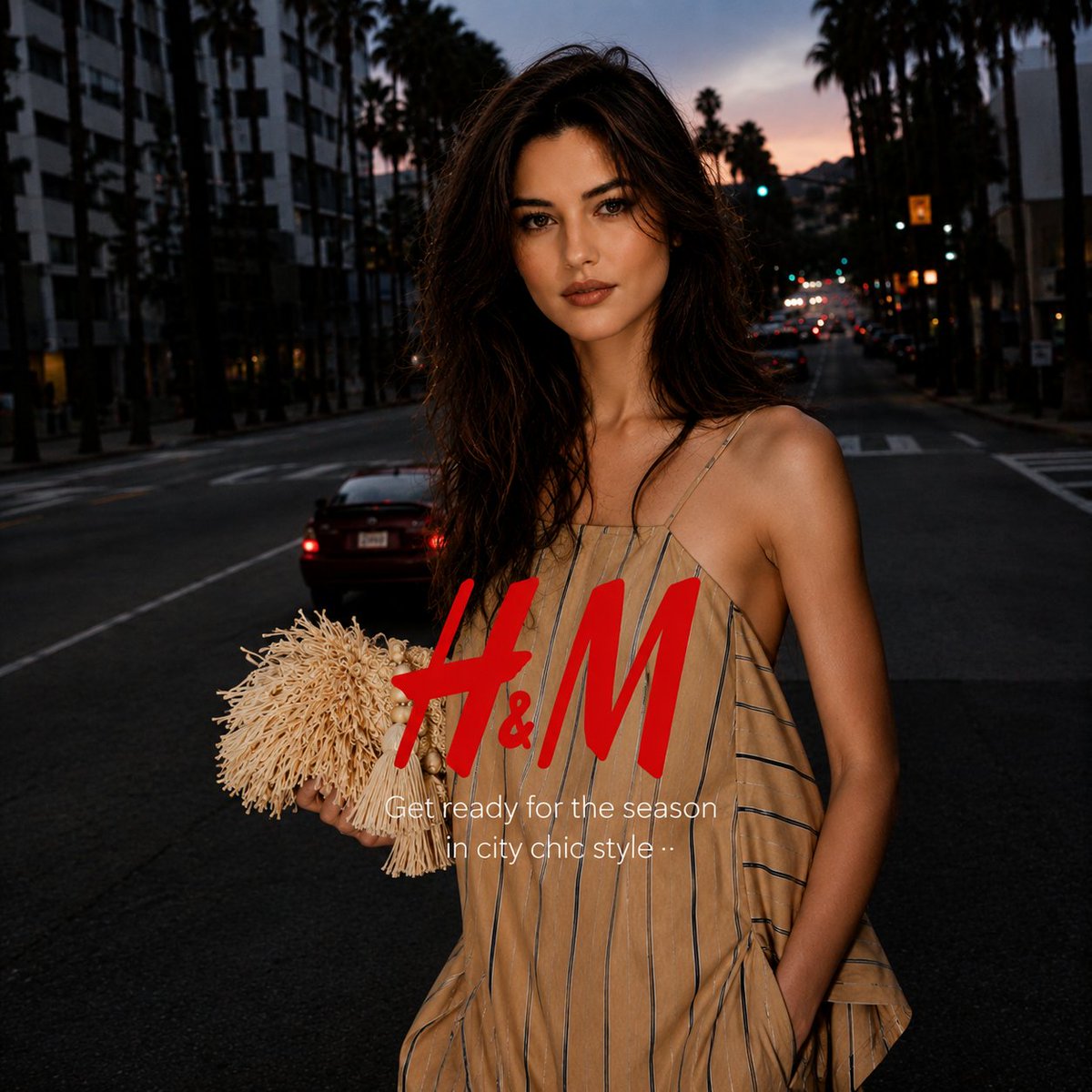
H&M City Street Fashion Campaign
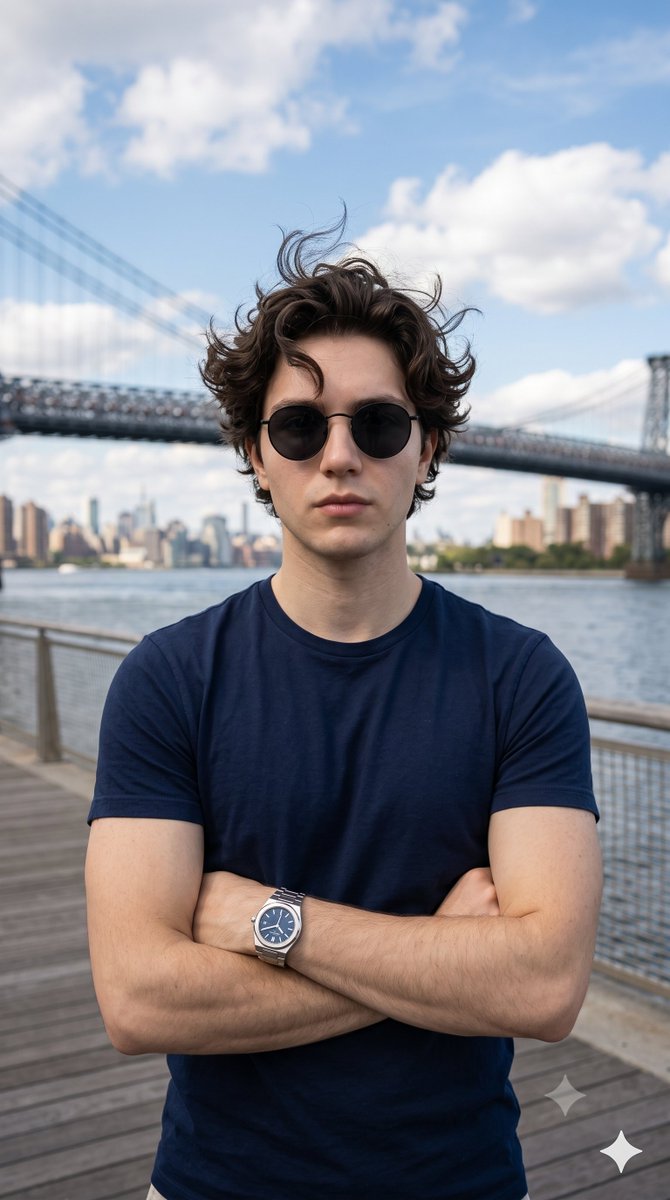
Old Money Waterfront Lifestyle Portrait
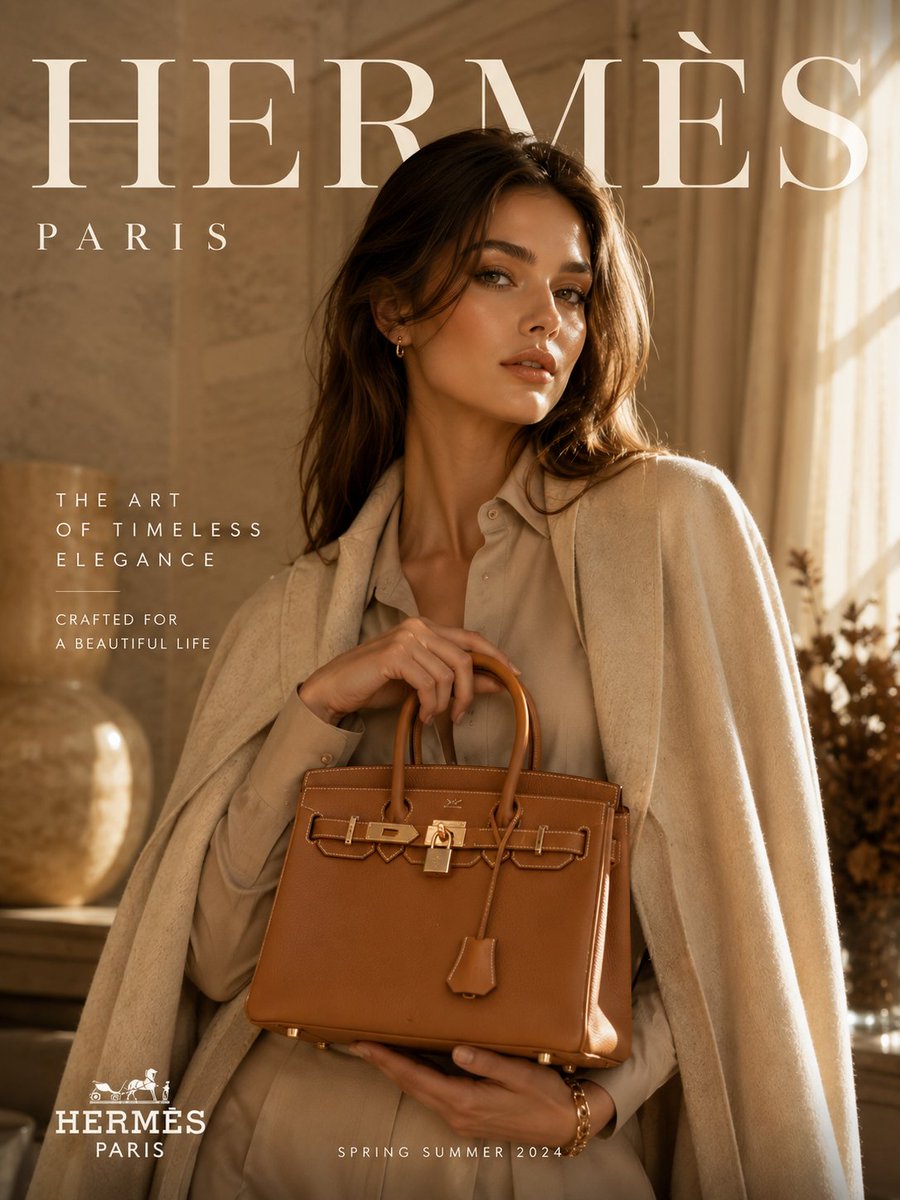
Luxury Handbag Fashion Campaign
Fashion Campaign Location Transition
Desert Fashion Campaign
What Are Fashion Campaign AI Prompts?
Fashion Campaign AI Prompts are meticulously crafted textual instructions designed to help users generate high-quality visual content for fashion brands using artificial intelligence. Unlike basic image requests, these prompts incorporate advanced photography terminology, fashion styling cues, and brand-specific atmospheric details. They allow designers, marketers, and creators to bypass the expensive and time-consuming process of organizing a full-scale professional photoshoot while still achieving results that rival luxury editorial spreads. By specifying details like the texture of the fabric, the specific angle of the afternoon sun, the model's precise pose, and the overall color palette, these prompts empower anyone to bring a creative vision for a seasonal collection or a brand story to life. Whether you are aiming for a gritty street-style look or a refined Parisian couture aesthetic, these prompts provide the essential framework to ensure your AI-generated images look polished, professional, and ready for a global campaign.
Best Use Cases
These prompts are exceptionally well-suited for a variety of professional and creative applications. One of the most common use cases is the creation of digital lookbooks for new seasonal collections, allowing brands to showcase their pieces in diverse settings without leaving the studio. They are also perfect for social media marketing on platforms like Instagram and Pinterest, where high-impact visuals are critical for engagement. Beyond digital use, these AI-generated visuals can serve as the primary artwork for high-resolution print ads, fashion week posters, and in-store displays. Freelance designers often use them for mood boards to communicate a specific creative direction to clients, or to generate realistic mockups for brand identity presentations. Even for established fashion labels, these prompts offer a way to rapidly iterate on concept ideas, testing different lighting scenarios or locations before committing to a physical production.
Why This Tag Works
The Fashion Campaign tag is uniquely effective because it bridges the gap between raw AI capabilities and the sophisticated standards of the fashion industry. It focuses on the 'Total Look'-ensuring that the model, the clothing, the environment, and the lighting all work together harmoniously to tell a story. By using this tag, you access a curated library of keywords that have been optimized to produce consistent, high-end aesthetics. It avoids the common pitfalls of AI-generated people, such as awkward posing or inconsistent lighting, by incorporating structural prompts that guide the AI toward high-fashion poses and professional photographic techniques. This reliability makes it an indispensable tool for those who need to maintain a strict brand identity across multiple images. Furthermore, the tag enables creators to experiment with surreal or avant-garde concepts that would be physically impossible or prohibitively expensive to shoot in reality, pushing the boundaries of what a fashion campaign can look like.
Explore Related Prompts
To further expand your visual repertoire in the world of style and advertising, explore these related categories. Fashion Photo focuses on portraiture and individual garment details, while Ad Campaign provides prompts for more general commercial needs. For holistic branding visuals, check out Brand Campaign and Campaign Image. If you are looking for specific layout inspirations, Fashion Poster, Editorial, and Poster categories offer a deep dive into magazine-style compositions and large-scale visual storytelling. Each of these tags provides a unique perspective that can be combined with fashion campaign prompts to create a truly comprehensive and diverse set of marketing assets.
Prompt Building Tips
When constructing a prompt for a fashion campaign, start with a strong 'Director's Vision'-a single phrase that sums up the mood, such as '90s minimalism' or 'Baroque opulence'. Next, define the lighting with technical precision; instead of just 'light', use 'diffused window light' or 'harsh cinematic rim lighting' to create depth. Describe the model's styling in detail, including fabrics like 'crinkled linen' or 'glossy silk' to give the AI something tactile to work with. The environment should be more than just a background; it should be a 'character' in the shot, whether it's a 'brutalist concrete interior' or a 'lush Mediterranean garden'. Finally, specify the camera equipment and film stock to add a layer of authenticity-terms like 'shot on 35mm film', 'Fujifilm aesthetic', or 'Zeiss 85mm lens' help in achieving that coveted professional photograph grain and color profile. This layered approach ensures that the final image is not just a picture of a person in clothes, but a cohesive piece of fashion art.