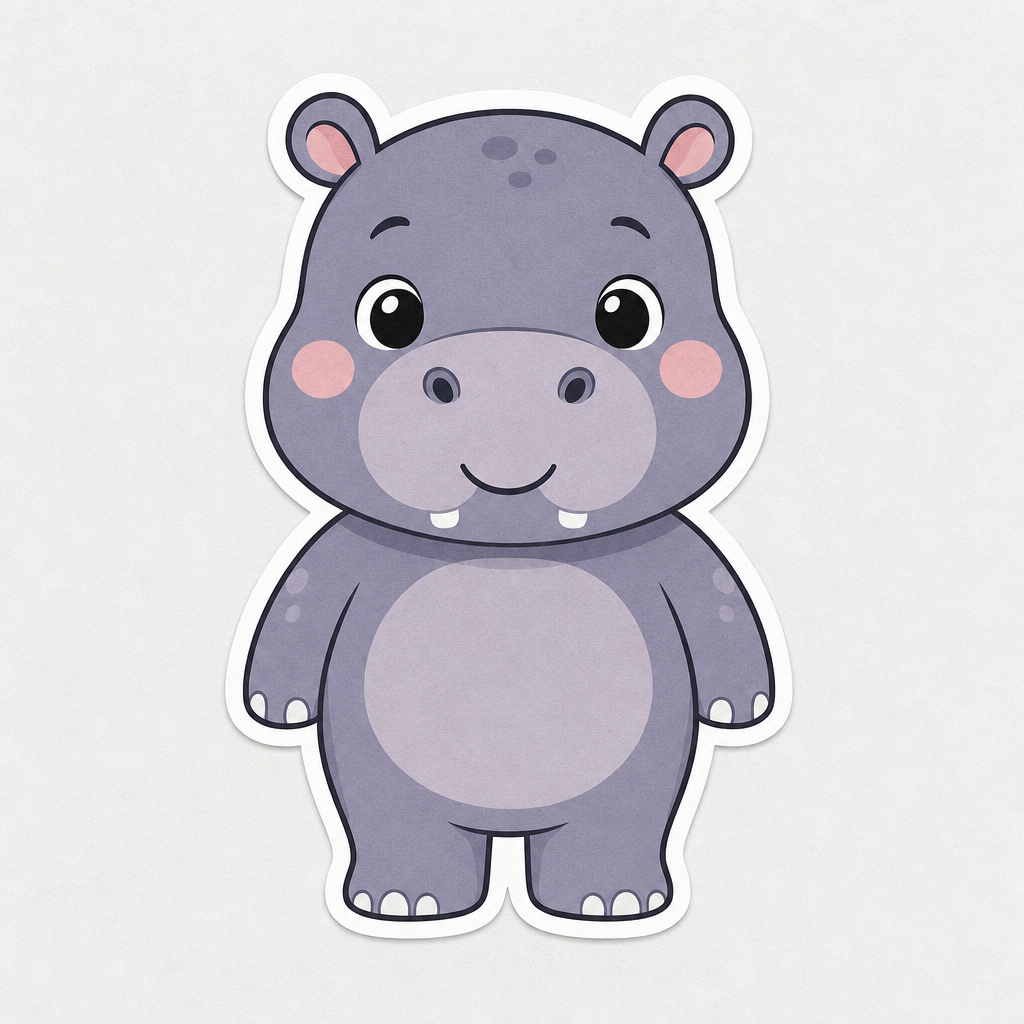
Kawaii Character
Explore adorable AI prompts for creating kawaii-style characters, from pastel bears to squishy chibi mascots.
2026.07.03
Make “Kawaii Character” exactly the way you wantCreate your own “Kawaii Character”
Just ask in plain language — Carat generates optimized images and videos for you.

Start now with 100 free credits daily
러블리 하트 스티커
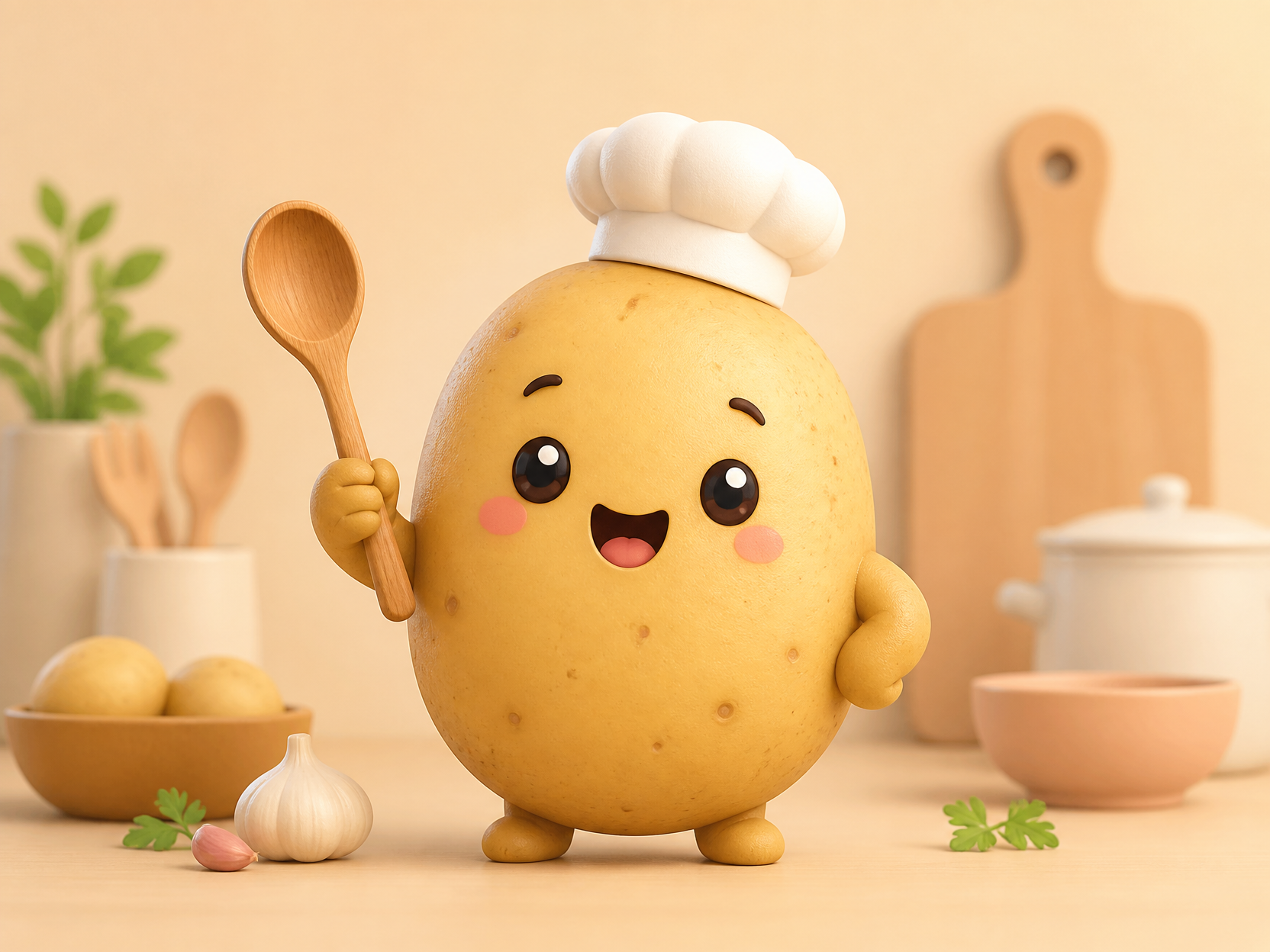
감자 캐릭터 예시 2
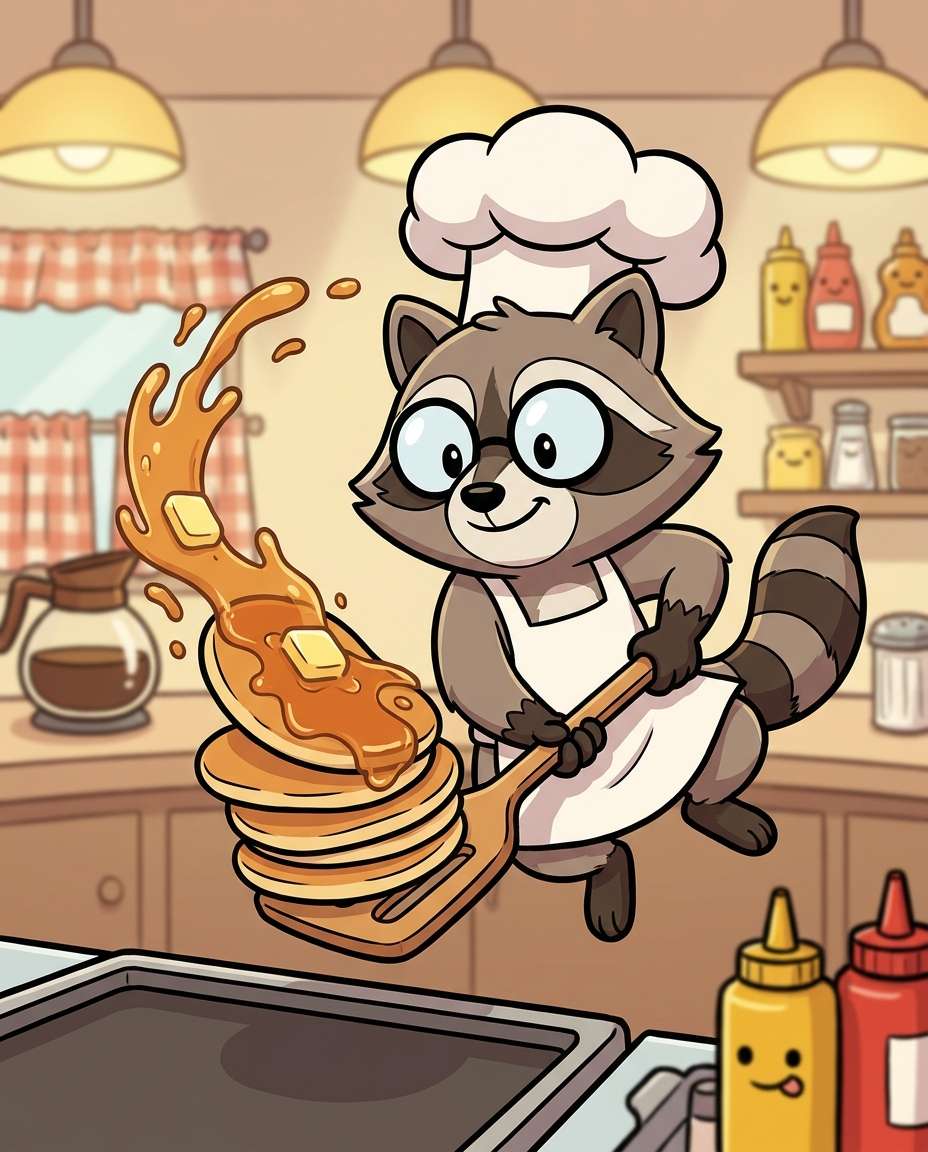
Chef Raccoon Character
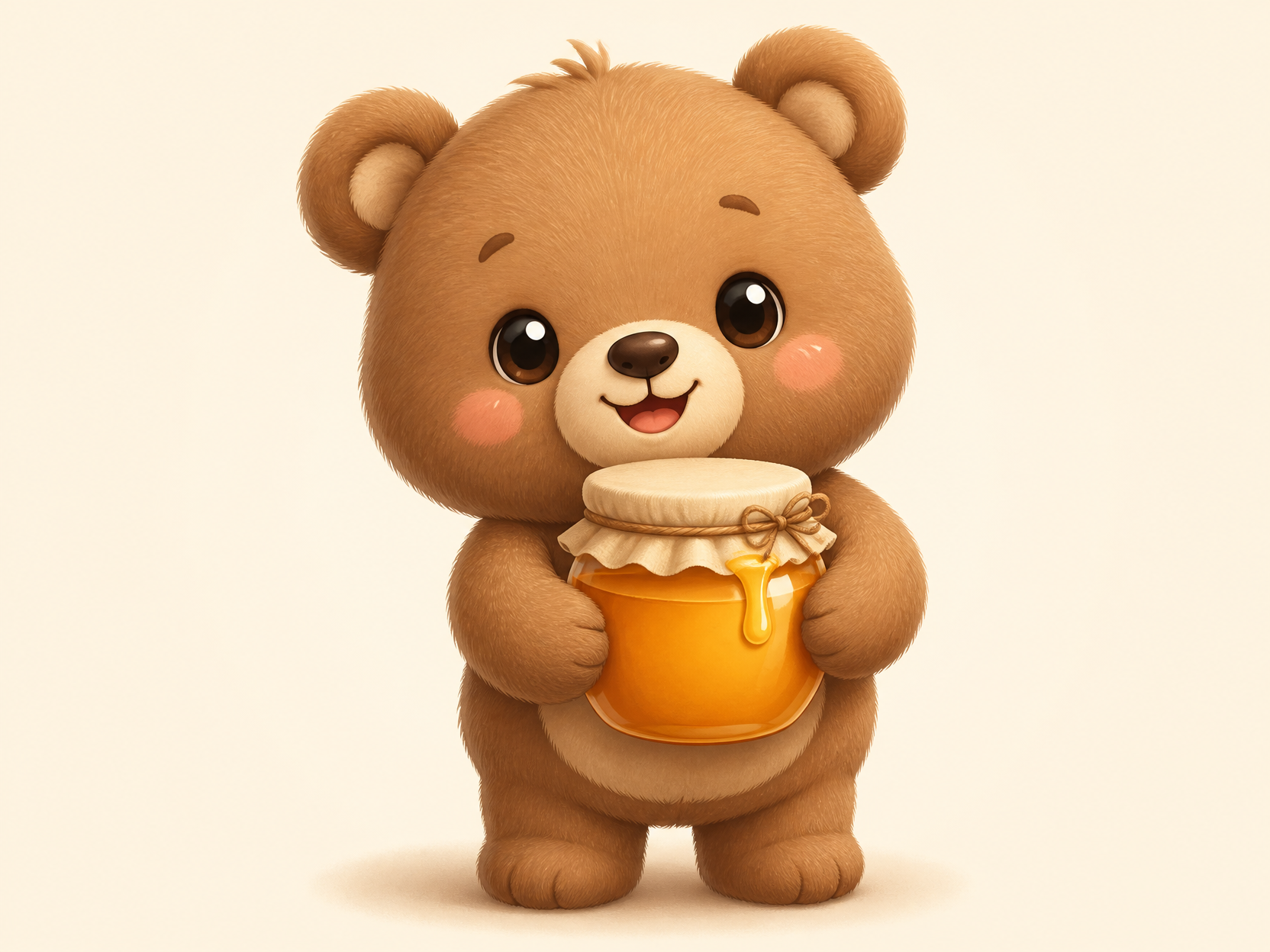
곰 캐릭터 예시 2
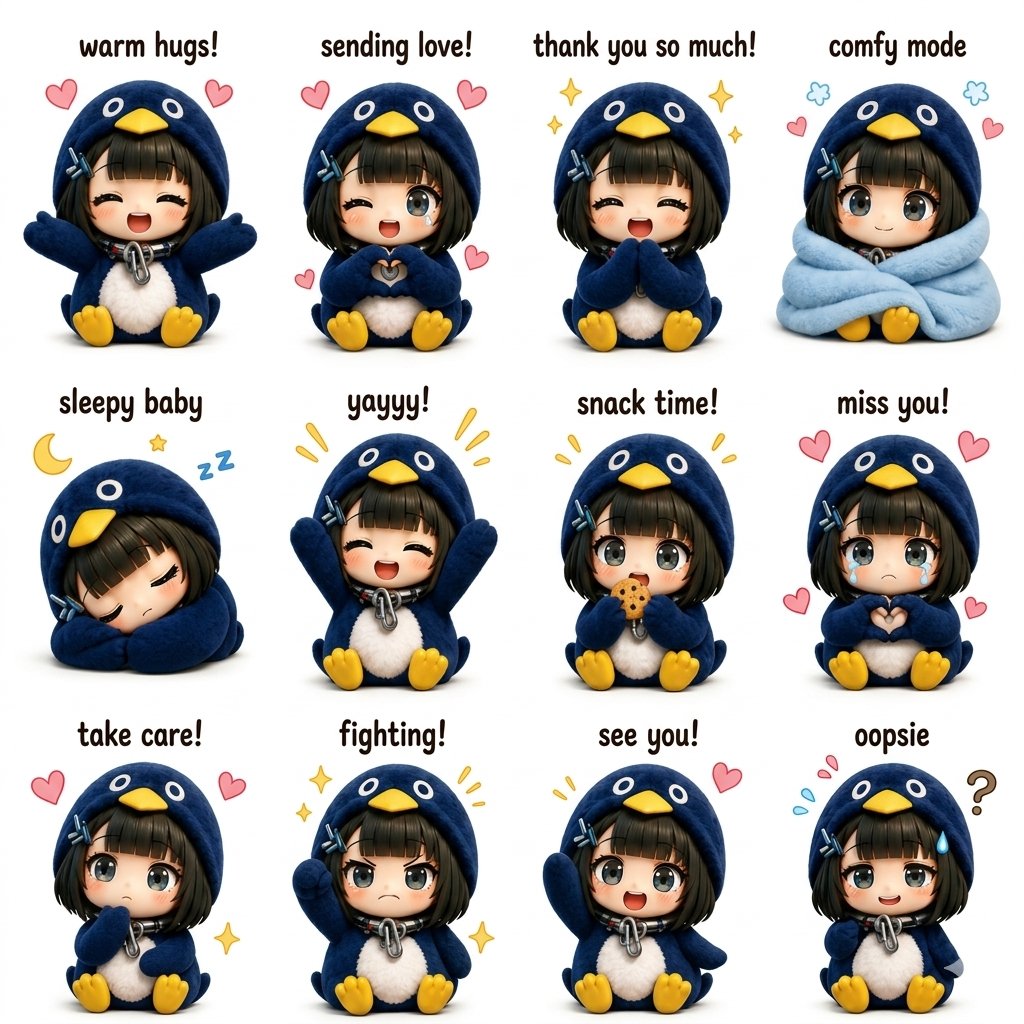
Kawaii Chibi Sticker Sheet
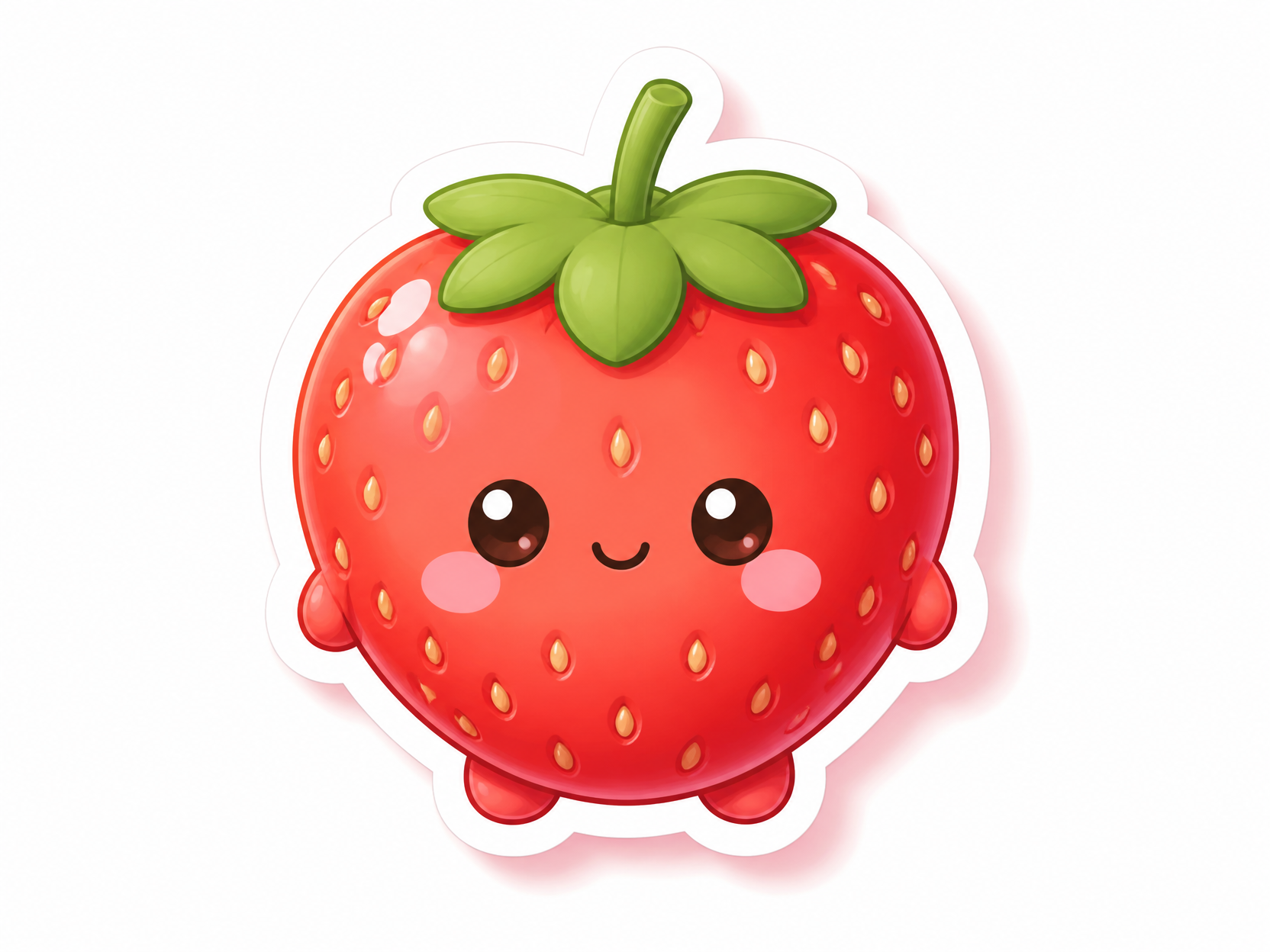
딸기 일러스트 예시 2
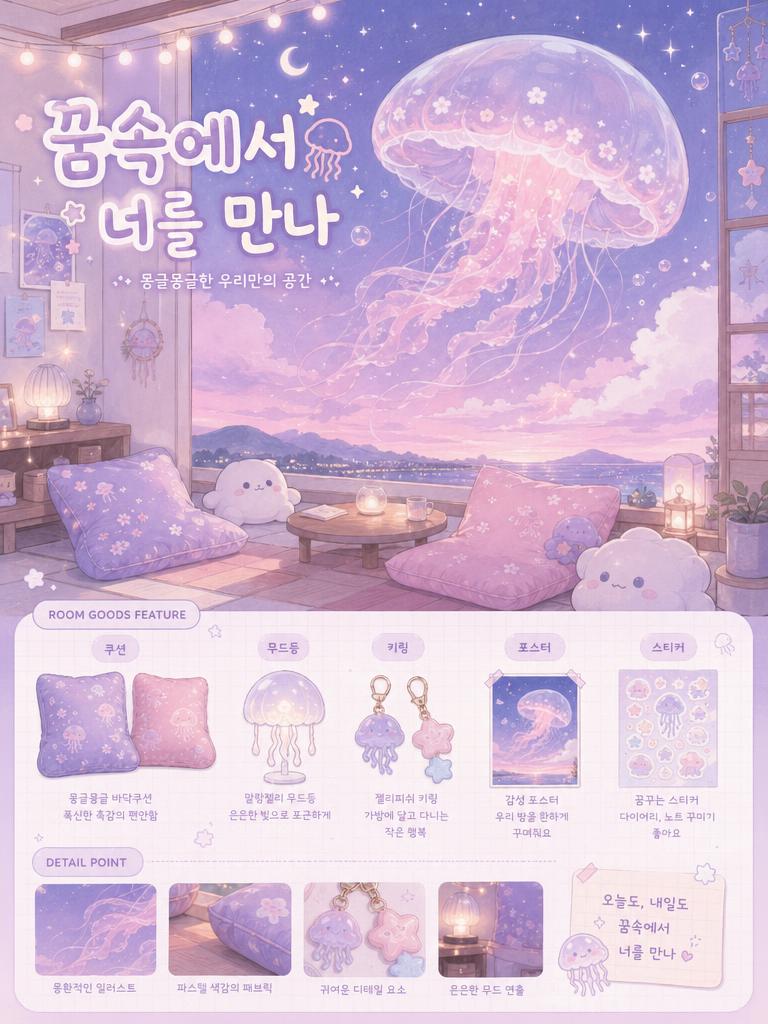
Soft Dreamy Korean Room Decoration Poster
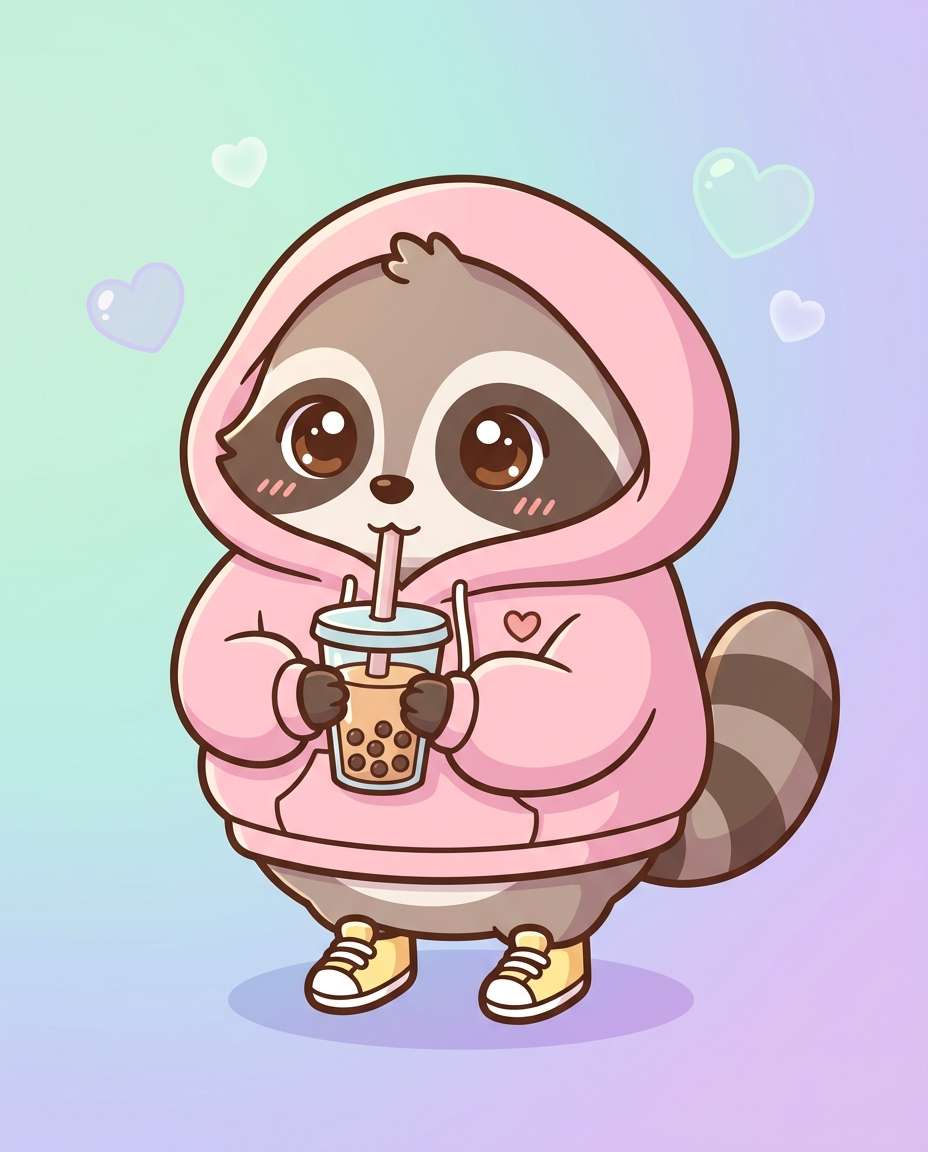
Hoodie Raccoon Character
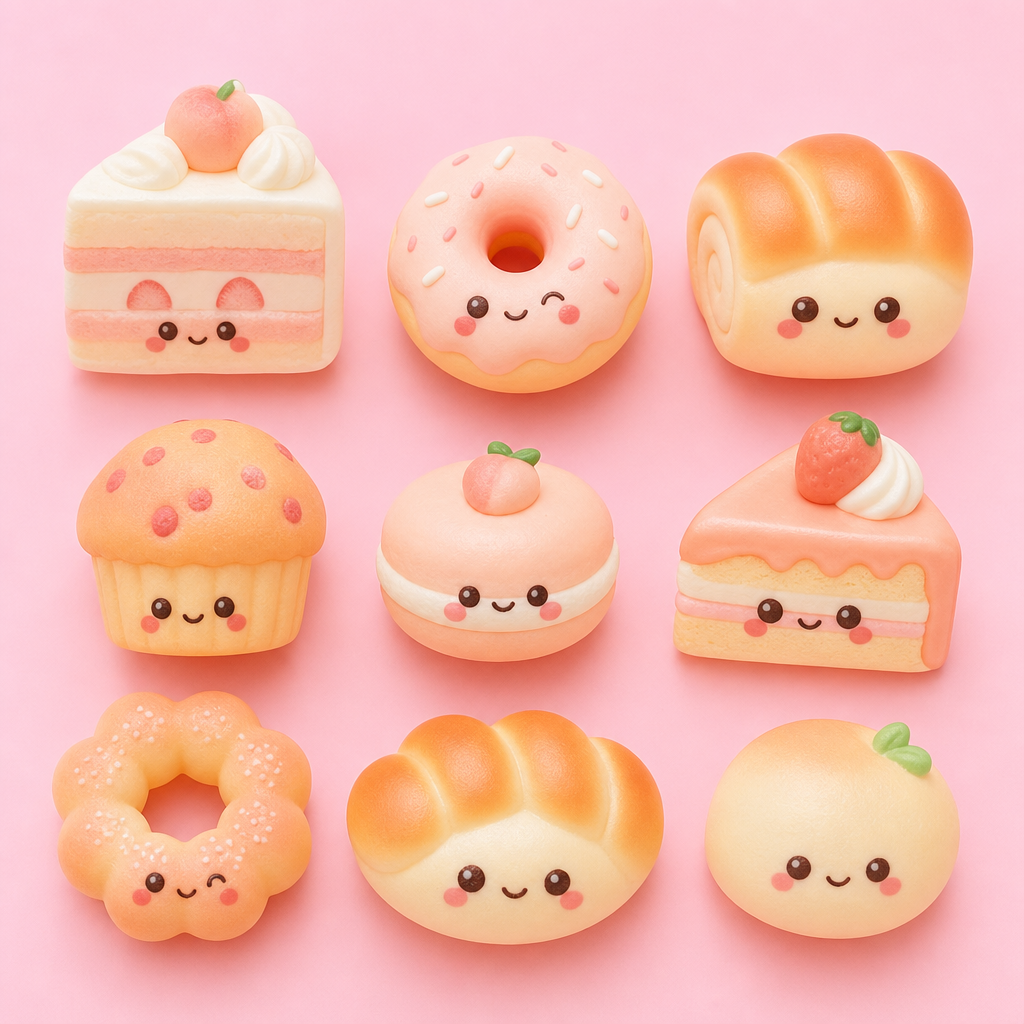
미니 말랑이 디저트 장난감 컬렉션
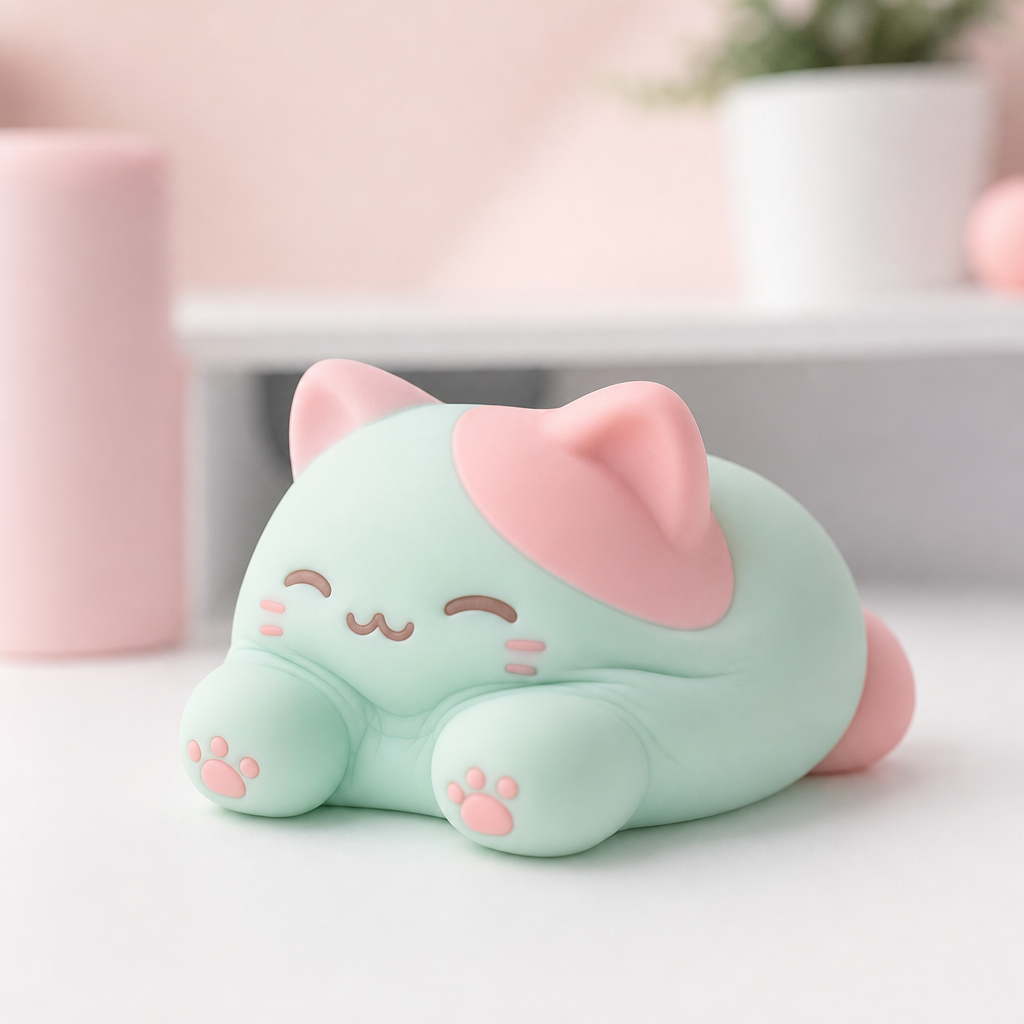
파스텔 말랑이 고양이 장난감
What Are Kawaii Character AI Prompts?
Kawaii Character AI Prompts are specialized digital instructions designed to harness the power of artificial intelligence to create artwork centered around the Japanese culture of 'cuteness'. These prompts are meticulously crafted to translate the essence of 'kawaii' - which includes features like large expressive eyes, simplified facial features, round proportions, and a soft, inviting aesthetic - into high-quality visual outputs. Whether you are looking to generate a chubby strawberry-themed kitten or a floating jellyfish in pastel hues, these prompts provide the necessary linguistic framework for the AI to understand the specific artistic rules of the genre. By using Carat's kawaii prompts, you can tap into a world of 'chibi' designs, 'moe' aesthetics, and squishy toy textures that are universally loved for their charm and positivity. These tools empower both professional designers and casual users to bring heartwarming characters to life with just a few lines of text.
Best Use Cases
The application for kawaii characters is incredibly broad, ranging from personal hobbies to professional branding. Social media influencers often use these prompts to create unique profile pictures or consistent mascot imagery for their channels. For digital planners and scrapbooking enthusiasts, these prompts can generate a limitless supply of 'sticker sheet' designs and decorative icons. Small business owners find them exceptionally useful for creating friendly, approachable logos or promotional graphics that appeal to younger demographics or those who love the cute aesthetic. Furthermore, these characters are perfect for merchandise design, including keychains, plushies, t-shirts, and stationery. In the world of game development, kawaii prompts can be used to brainstorm cute NPCs, pets, or UI elements that enhance the visual appeal of a 'cozy game'. The sheer emotional warmth of these designs also makes them great for greeting cards, wallpapers, and heartwarming gift illustrations for friends and family.
Why This Tag Works
The kawaii-character tag works effectively because it categorizes prompts that focus on aesthetic harmony and emotional appeal. Traditional AI generation can sometimes produce overly complex or realistic results when asked for a 'cute character', but this tag ensures the output remains within the stylistic boundaries of kawaii art - emphasizing clean lines, balanced compositions, and pleasing color palettes. Each prompt under this tag has been tested to avoid 'uncanny valley' effects, focusing instead on stylized, appealing designs that resonate with the viewer. The tag also helps users find specific sub-genres within the kawaii universe, such as 'pastel goth', 'harajuku style', or 'minimalist vector'. By narrowing down the creative direction, the tag significantly increases the hit-rate for successful, usable images that require minimal editing. It provides a reliable starting point for anyone looking to capture the elusive essence of true cuteness in digital art.
Explore Related Prompts
Dive deeper into the world of adorable designs by exploring our curated related tags. Start with the broad Kawaii tag for general aesthetic inspiration, then move into specialized areas like Character Design and Character Illustration to refine your concepts. If you have a favorite animal, our Bear Character, Dog Character, and Duck Character tags offer specific prompts for those species. Don't forget to check the general Character gallery to see how different styles can be blended with the kawaii aesthetic. By exploring these connections, you can build a diverse cast of characters that maintain a consistent level of charm across your entire project.
Prompt Building Tips
The key to a successful kawaii prompt is balancing simplicity with specific 'sparkle' details. Use base terms like 'Super cute', 'Chibi', or 'Kawaii' to set the general style. Then, add specific descriptors for the character's 'material' or 'texture' - for example, 'Soft plushy texture', 'Shiny jelly texture', or 'Squishy toy aesthetic' to give the character more tactile appeal. For the color palette, specifying 'Soft pastels', 'Dreamy candy colors', or 'Muted cream tones' will yield much better results than just saying 'bright colors'. Facial details are also crucial; use terms like 'Large sparkling pupils', 'Blushing cheeks', or 'Tiny smiling mouth' to nail the classic look. If you want a specific vibe, mention lighting like 'Soft diffused light' or 'Daydream glow'. Lastly, to make the character pop, add 'Clean line art' or 'Sticker border' to help define the shapes and make the character feel finished and professional.