Library Bookshelf
Check out the library bookshelf AI prompt, which creates an intellectual atmosphere and a cozy space.
2026.07.03
Make “Library Bookshelf” exactly the way you wantCreate your own “Library Bookshelf”
Just ask in plain language — Carat generates optimized images and videos for you.

Start now with 100 free credits daily
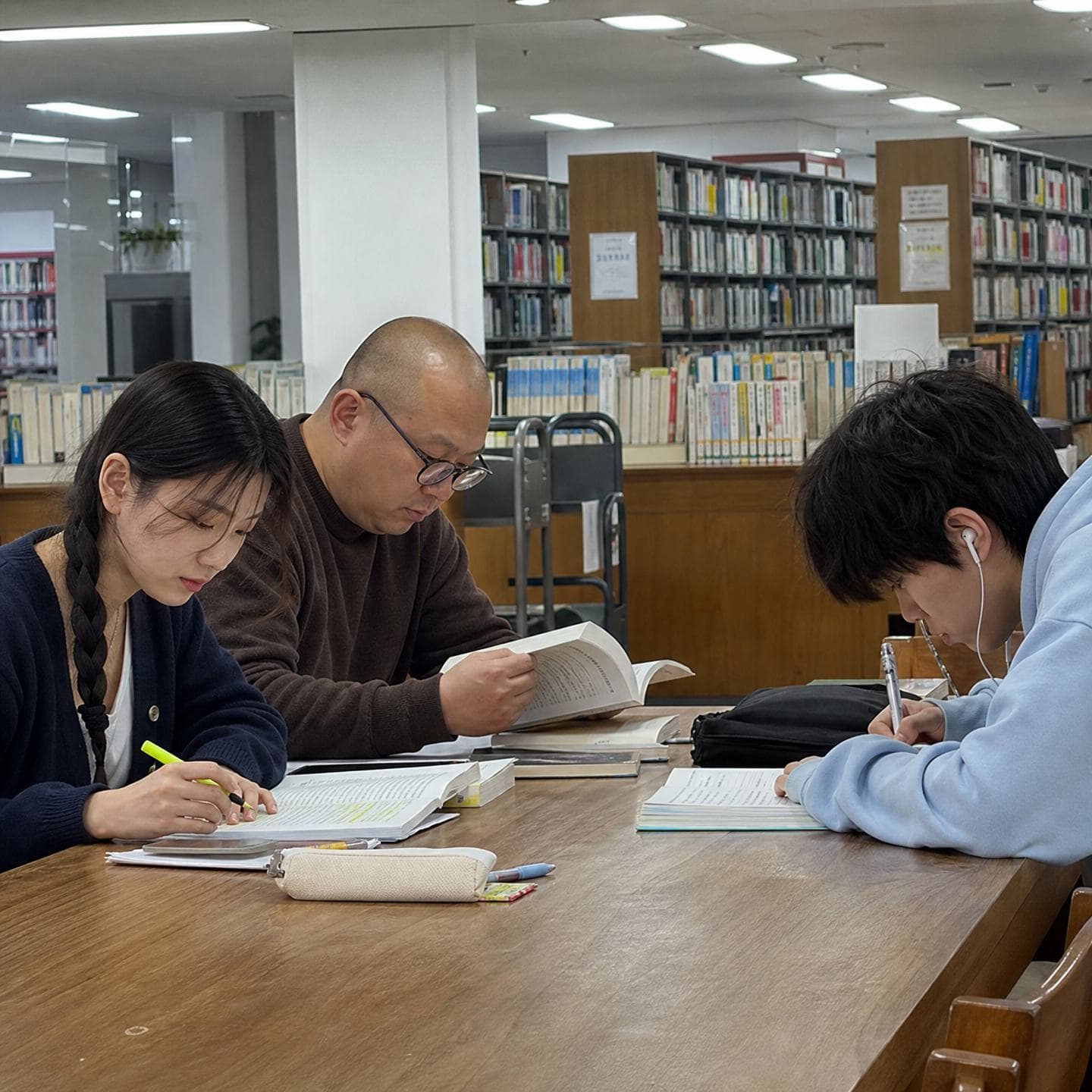
Library Study Table
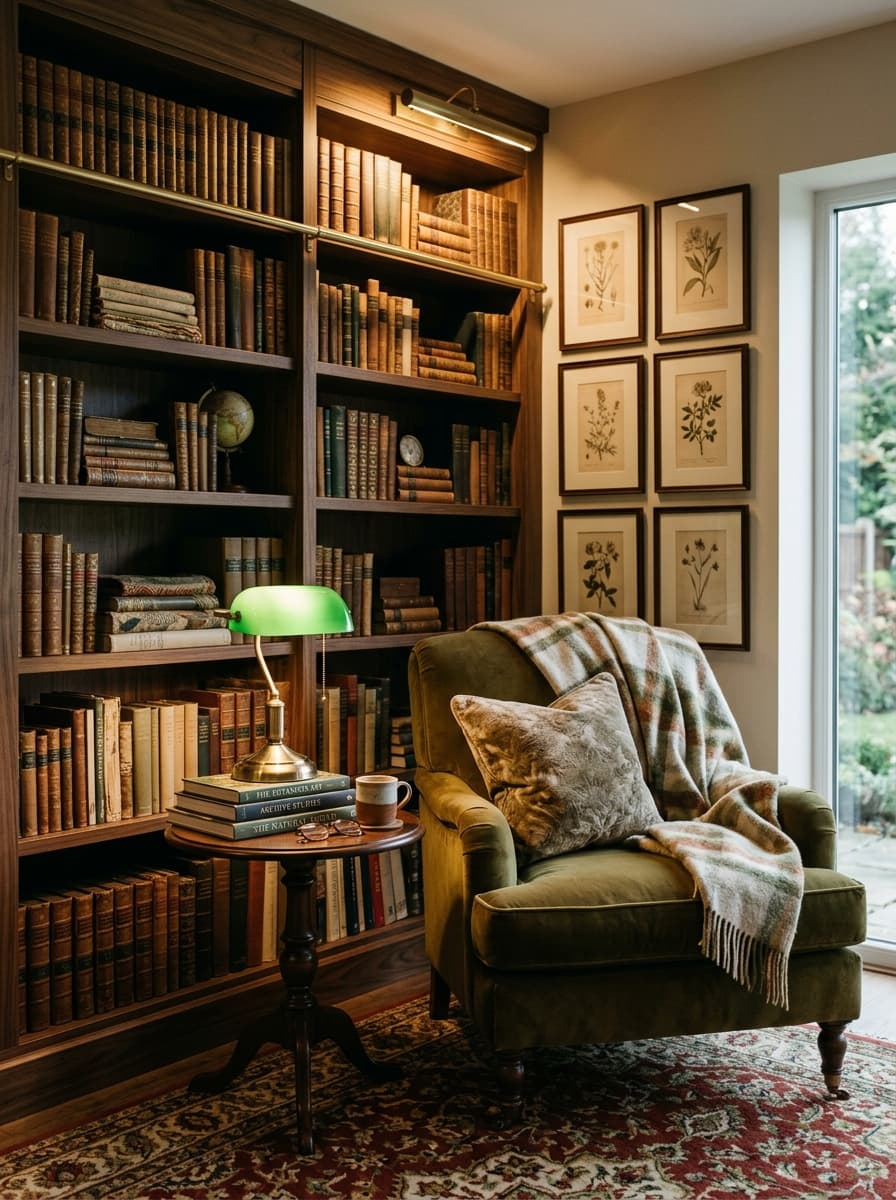
Vintage Archive Study

Vintage Library Luxury Editorial
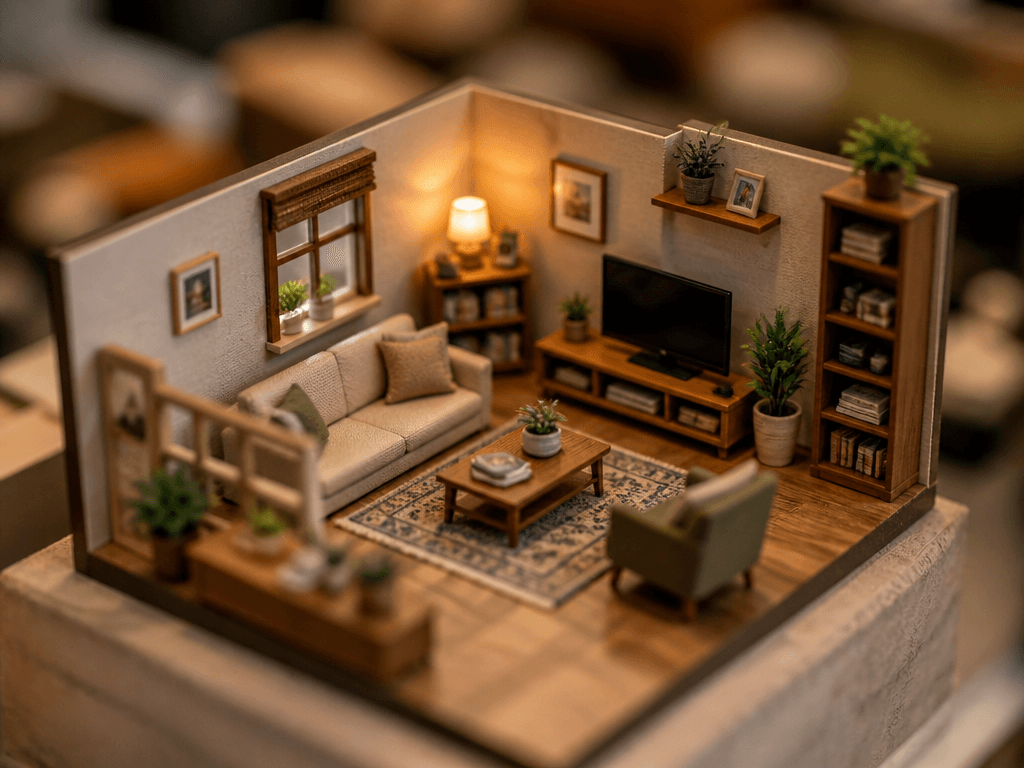
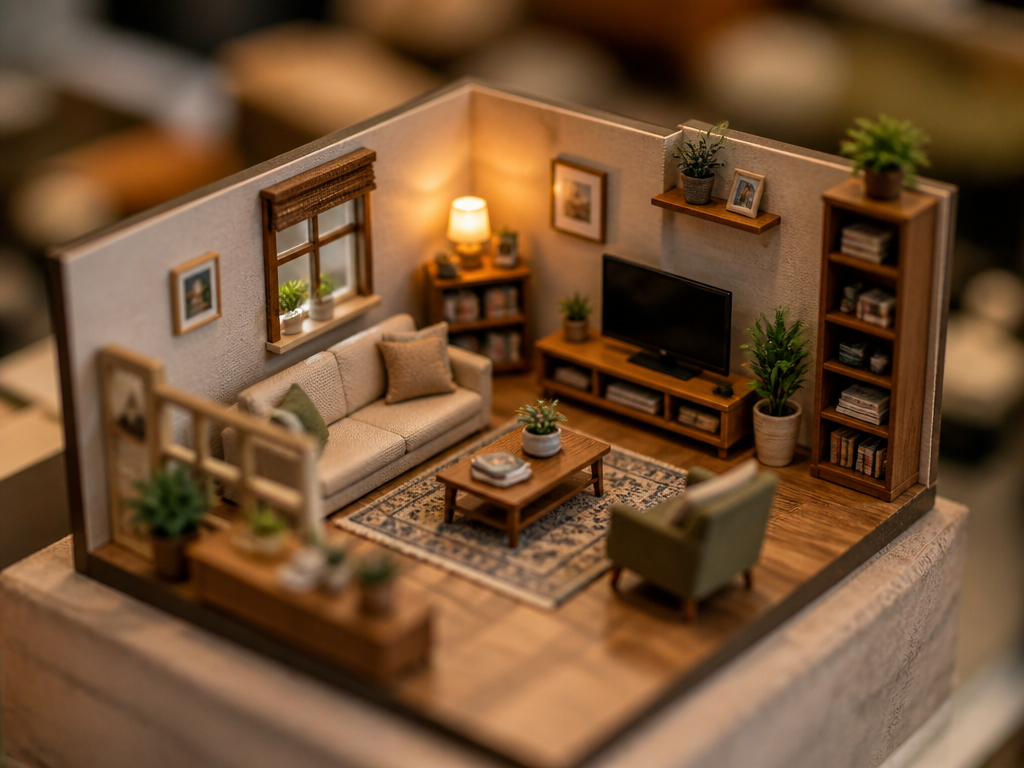
미니어처 스타일 인테리어
What is a Library Bookshelf AI Prompt?
A library bookshelf AI prompt is a specialized set of instructions designed to help artificial intelligence models generate high-quality images of book-filled spaces. These prompts focus on the architectural layout of shelves, the textures of various book bindings, and the atmospheric lighting that defines a study or a grand archive. From the cozy, sunlight-drenched corner of a private home library to the towering, multi-story shelves of a gothic cathedral-style library, these prompts allow creators to visualize intellectual environments with precision. By detailing elements like wood grain, dust motes dancing in the light, and the organization of volumes, users can produce imagery that conveys wisdom, tranquility, and academic elegance.
Primary Usage Scenarios
- Creating conceptual interior design visualizations for book cafes, bookstores, or home library renovations.
- Generating high-quality header images and backgrounds for literature blogs, educational newsletters, and publishing websites.
- Designing immersive environment art for video games, visual novels, or tabletop RPG settings involving scholars and wizards.
- Producing professional-grade virtual backgrounds for video calls (Zoom/Teams) that project an intellectual and organized persona.
- Developing background references for vintage-themed fashion shoots or lifestyle photography sessions.
- Creating atmospheric social media content for the 'Dark Academia' or 'Bookstagram' communities.
Why This Tag is Useful
Library bookshelves are notoriously complex subjects for AI because they involve repetitive patterns and sharp linear structures. Without specific guidance, AI might struggle with the perspective of the shelves or the distinctness of the individual books. This tag is invaluable because it provides a curated selection of prompts that have been optimized to handle these technical challenges. It ensures that the vertical and horizontal lines of the shelves are stable and that the books look like individual objects rather than a blurred texture. This level of fidelity is crucial for professional designers who need reliable and aesthetically pleasing spatial images.
Beyond technical stability, the library bookshelf tag allows for deep emotional storytelling. A library is not just a room; it's a mood. Whether you want to evoke the 'nostalgic warmth of a childhood reading nook' or the 'intimidating silence of a restricted government archive', the prompts in this category give you the tools to adjust the lighting, color palette, and decorative items to match that intent. By combining this tag with keywords like 'Vintage' or 'Interior Design', users can bridge the gap between simple object generation and complex scene composition, making it a powerful asset for any creative workflow.
Furthermore, the versatility of these prompts means they can be adapted for any genre. You can easily pivot from a 'High-tech futuristic digital archive with glowing holographic books' to a 'Rustic, cobweb-covered wooden shelf in an ancient cabin'. This adaptability makes it an essential resource for world-builders and concept artists who need to maintain consistency while exploring diverse settings. The ability to generate these complex scenes in seconds allows for rapid prototyping and more time spent on the creative direction of a project.
View More Related Prompts
Tips for Crafting Your Prompt
- Specify the Scale and Architecture: Use terms like 'Grand multi-level atrium library', 'Floor-to-ceiling mahogany bookshelves', or 'Small cozy attic study'.
- Define the Style: Choose a specific aesthetic such as 'Victorian classicism', 'Modern industrial minimalist', 'Dark academia', or 'Ancient wizard's tower'.
- Master the Lighting: Enhance the mood with 'Golden hour sunlight streaming through windows', 'Soft warm lamplight', 'Cool moonlight shadows', or 'Flickering candlelight'.
- Add Furniture and Props: Make the space feel lived-in by adding a 'Tufted leather armchair', 'Rolling library ladder', 'Antique globe', or 'Stacks of open manuscripts'.
By layering these descriptive details, you can create a library bookshelf image that feels three-dimensional and inviting. Pay attention to the 'perspective'-a low-angle shot can make the shelves look more imposing, while a wide-angle shot can capture the vastness of the collection. Experimenting with different 'mediums' like 'Oil painting on canvas' or 'Hyper-realistic 8k render' will further help you achieve the exact visual texture required for your project.