Library Design
Discover professional AI prompts for reading campaign posters, library interiors, and bookish aesthetics.
2026.07.04
Make “Library Design” exactly the way you wantCreate your own “Library Design”
Just ask in plain language — Carat generates optimized images and videos for you.

Start now with 100 free credits daily
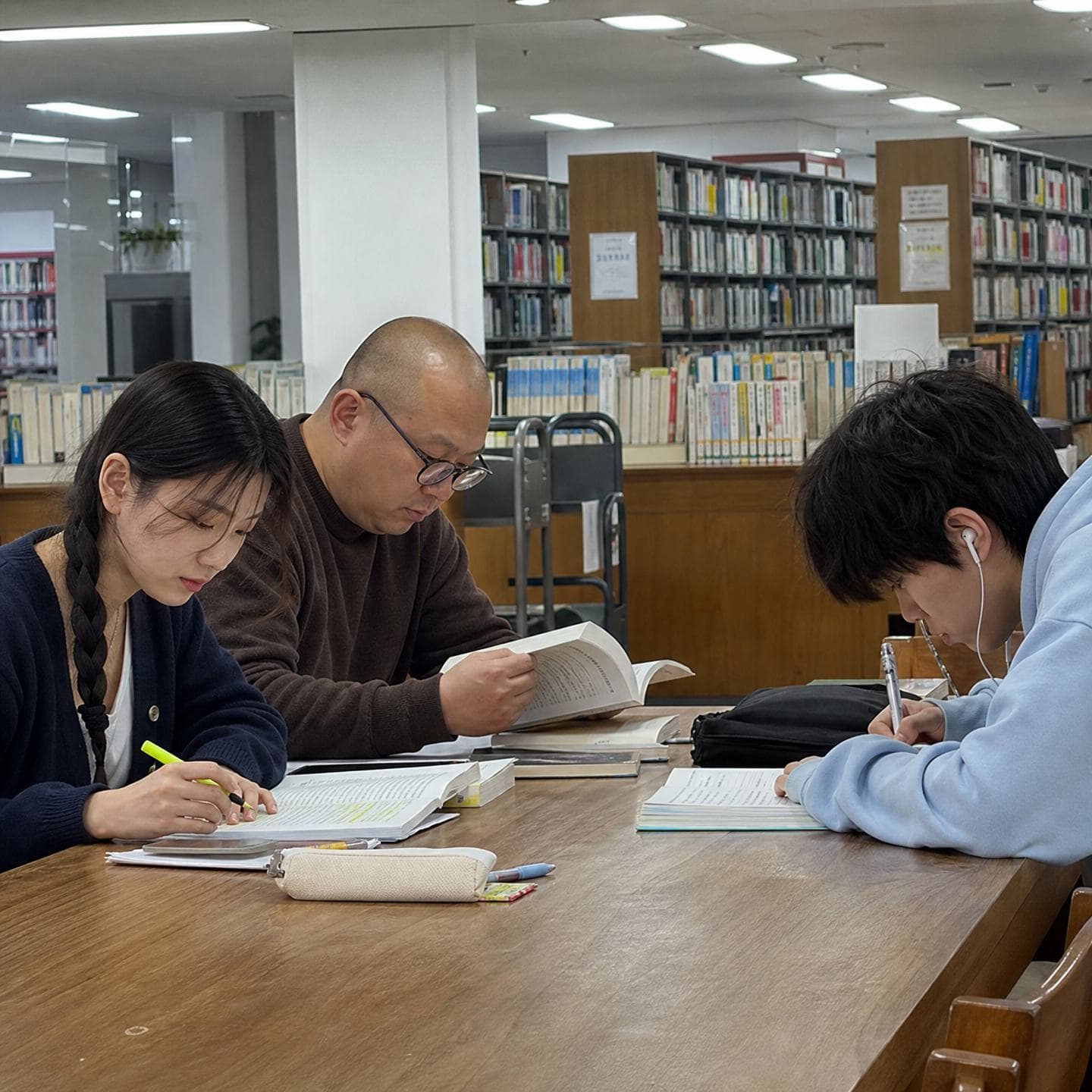
Library Study Table
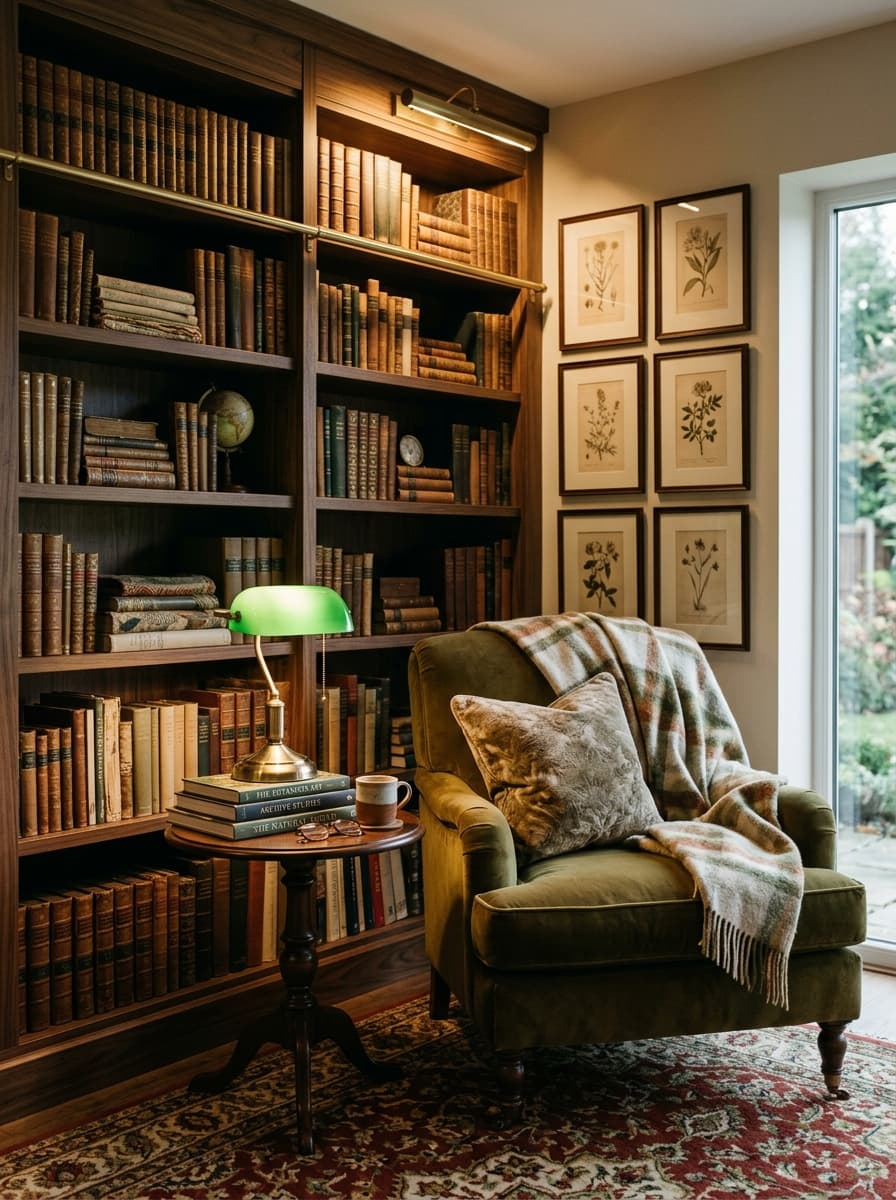
Vintage Archive Study

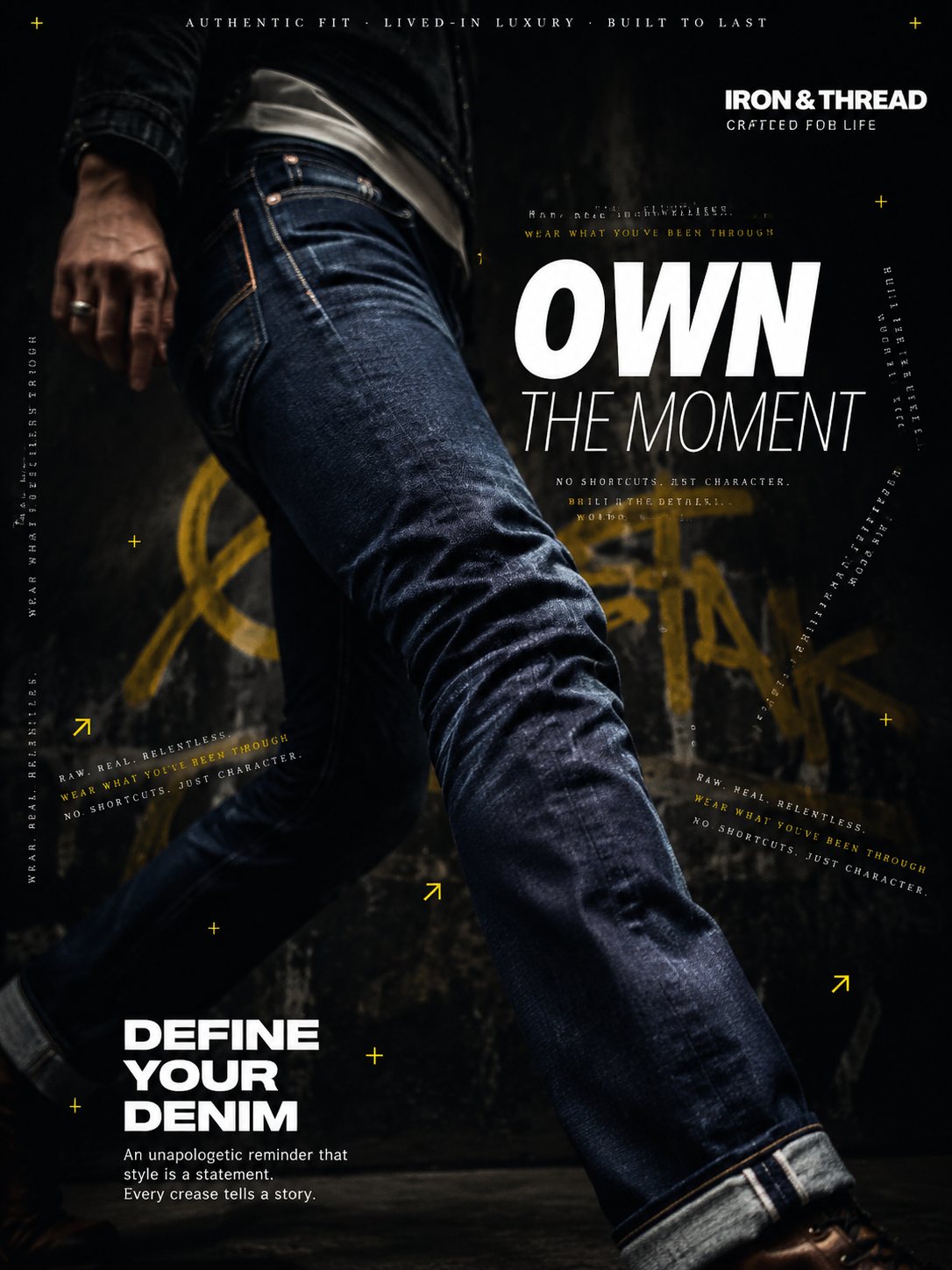
Vintage Library Luxury Editorial
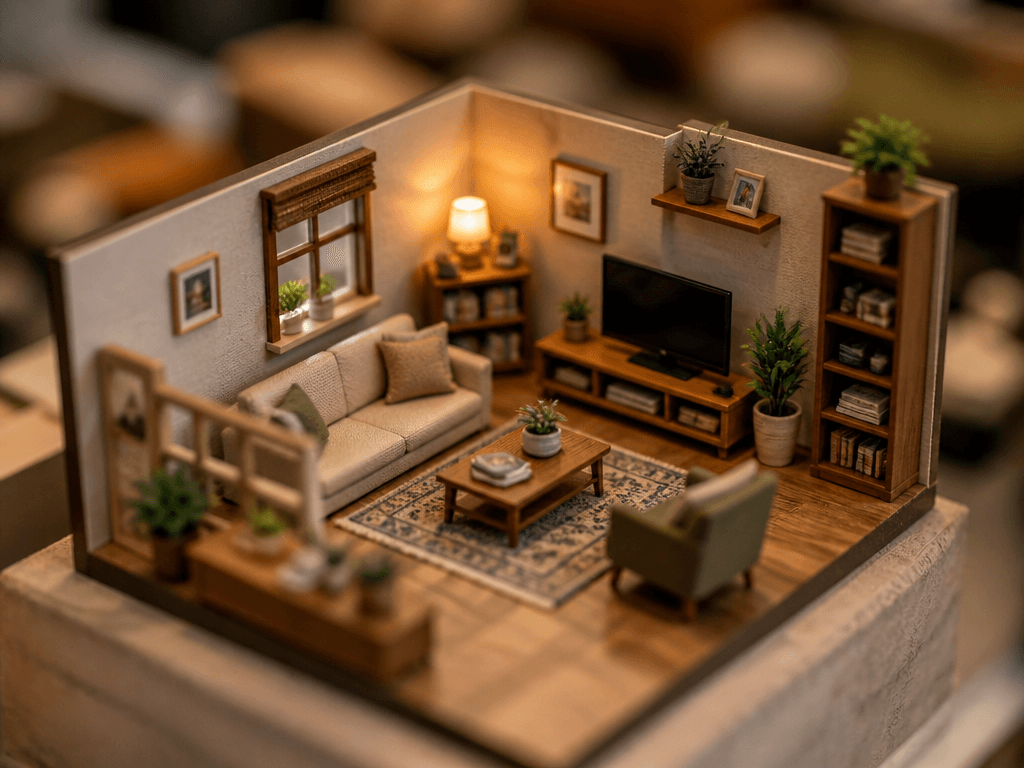
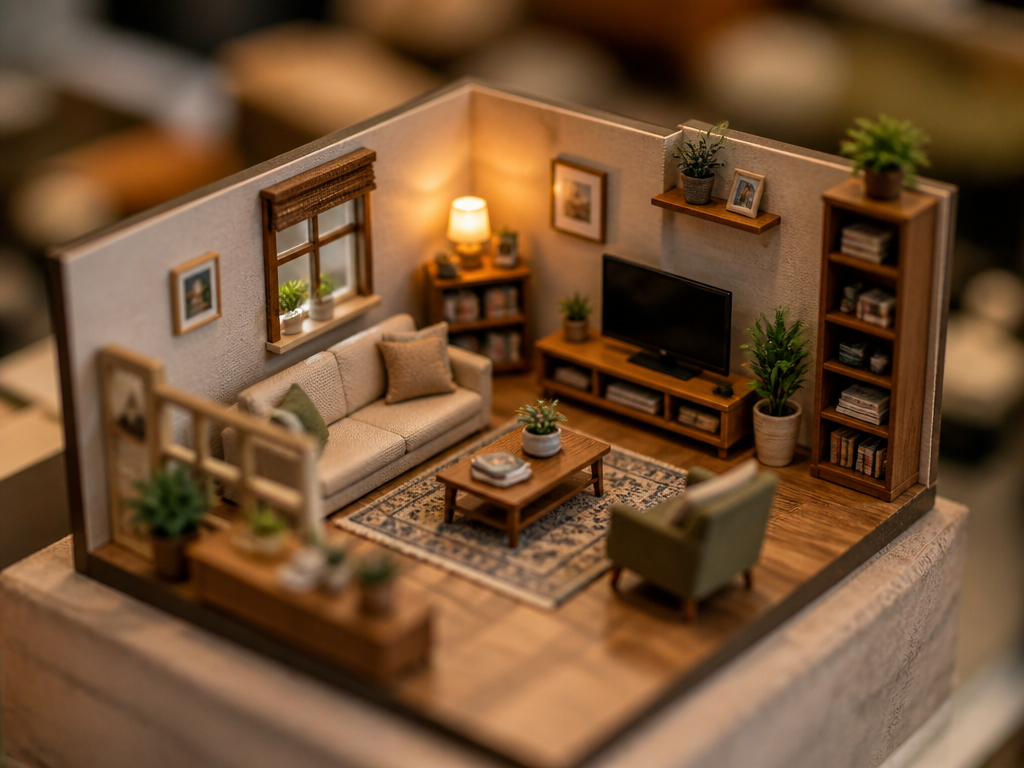
미니어처 스타일 인테리어
What Are Library Design AI Prompts?
Library Design AI prompts are sophisticated instructions tailored to capture the essence of knowledge, tranquility, and intellectual exploration. These prompts allow users to visualize everything from grand, cathedral-like historical libraries with mahogany shelves to sleek, open-plan modern learning centers. By focusing on the unique elements of literary spaces-such as the texture of old paper, the rhythmic arrangement of book spines, and the specific quality of light required for reading-these prompts provide a powerful toolkit for educators, librarians, and bookstore owners. Carat's library design prompts are engineered to produce high-quality imagery that evokes a sense of calm and curiosity, making them perfect for any project that celebrates the written word. These prompts are not just about drawing a room with books; they are about capturing the 'atmosphere' of intellect and the silent conversation between an author and a reader. They provide a visual language for the appreciation of literature and the preservation of human knowledge, allowing creators to produce assets that feel both timeless and deeply relevant in our digital age.
Best Use Cases
The most common application for library design prompts is in the creation of promotional posters for reading initiatives and literary events. Whether it is a 'Book of the Month' announcement or a poster for a local book club, these prompts provide a professional visual foundation. They are also widely used by content creators for social media backgrounds, YouTube thumbnails focused on 'Study With Me' themes, and e-book cover art. In the academic world, teachers and professors use these prompts to generate engaging visuals for educational slides or classroom decorations. For interior designers, these prompts serve as a digital sandbox to experiment with lighting and furniture layouts before implementing them in a real-world library or home study space. Additionally, they are excellent for creating aesthetic web headers for literary blogs and online magazines. Small bookstores can use these prompts to create lifestyle imagery for their websites, showcasing their unique curated vibe. They are also perfect for digital stationery creators who want to make 'reading journals' or 'book trackers' with beautiful, thematic covers. For branding agencies, these prompts can help visualize the 'intellectual' personality of a brand through high-end, bookish imagery.
Why This Tag Works
Design for a library requires a delicate balance between 'focus' and 'comfort.' This tag works effectively because it includes visual anchors that human brains instinctively associate with a productive and peaceful environment. Keywords like 'dusted sunlight,' 'vanishing point perspective of bookshelves,' and 'cozy armchair by the fire' are strategically embedded to guide the AI. The tag doesn't just ask for books; it asks for the feeling of being surrounded by them. This emotional resonance is what makes the generated images so effective for branding and marketing. For public institutions with limited design budgets, this tag offers a way to maintain a high-end, professional visual identity that commands respect and invites engagement from the community. The prompts are optimized to handle the repetitive but complex patterns of book spines and the subtle textures of dust and paper, ensuring that the resulting images are visually rich and highly detailed. By focusing on the 'human element' of reading-such as an open book on a desk or a reading nook by a window-these prompts create a powerful narrative that encourages the audience to slow down and pick up a book.
Explore Related Prompts
Prompt Building Tips
When constructing a library design prompt, start by defining the architectural era. Use terms like 'Neoclassical architecture,' 'Industrial loft style,' or 'Eco-friendly sustainable library with glass walls.' Lighting is the most important modifier; try 'Soft golden incandescent glow' for an intimate feel or 'Bright airy skylight illumination' for a modern look. To add depth and storytelling, include small props: 'An antique typewriter on a desk,' 'Stacked leather-bound books with brass clasps,' or 'A cozy reading nook with plush pillows.' Perspective also matters-use 'Low angle shot for monumental scale' or 'Eye-level close-up for intimacy.' Finally, adding quality tags like 'Hyper-realistic textures,' 'Ray tracing,' and 'Cinematic color grading' will ensure your library designs are visually stunning and professional. You can also experiment with different atmospheric conditions, such as 'dust motes dancing in a beam of sunlight' or 'the blue glow of a tablet in a dark modern library' to contrast traditional and contemporary reading habits. Specifying the 'color of the wood'-like 'dark walnut' or 'light oak'-can also significantly alter the warmth and perceived age of the space. By combining these architectural, lighting, and prop-based details, you can create a unique and evocative visual for any literary project.