
Recipe Card
Generate appetizing recipe card designs for menus and cafeteria schedules with AI prompts.
2026.07.04
Make “Recipe Card” exactly the way you wantCreate your own “Recipe Card”
Just ask in plain language — Carat generates optimized images and videos for you.

Start now with 100 free credits daily
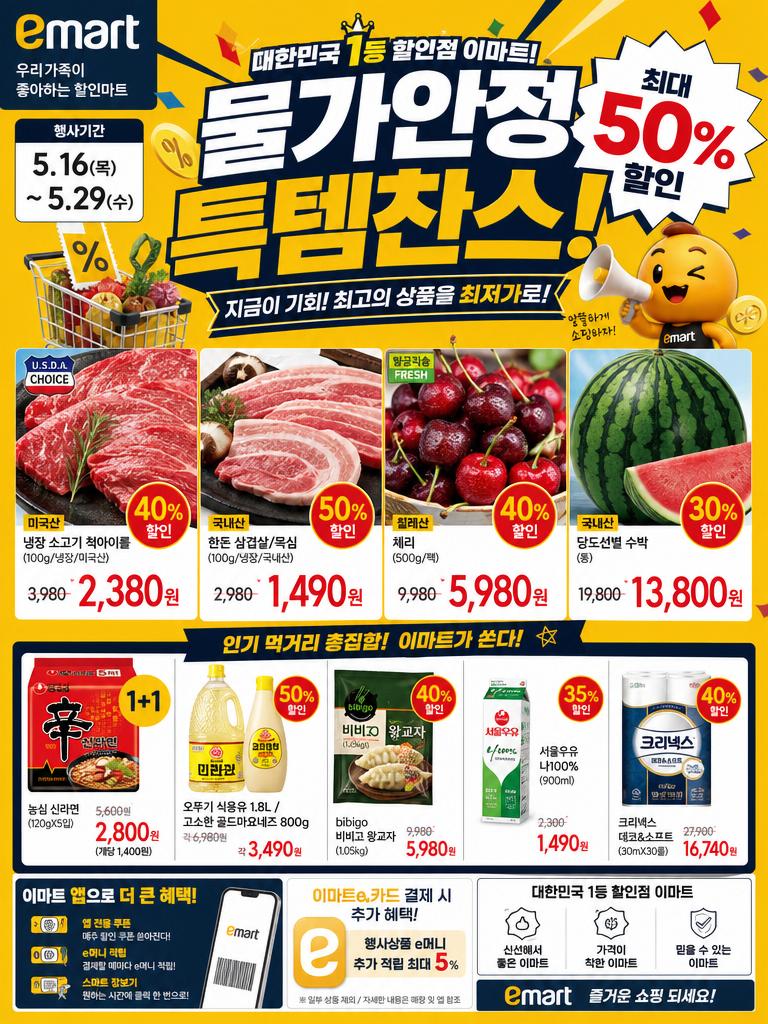
Emart () Korean Superstore Promotional Pop Advertisement Poster
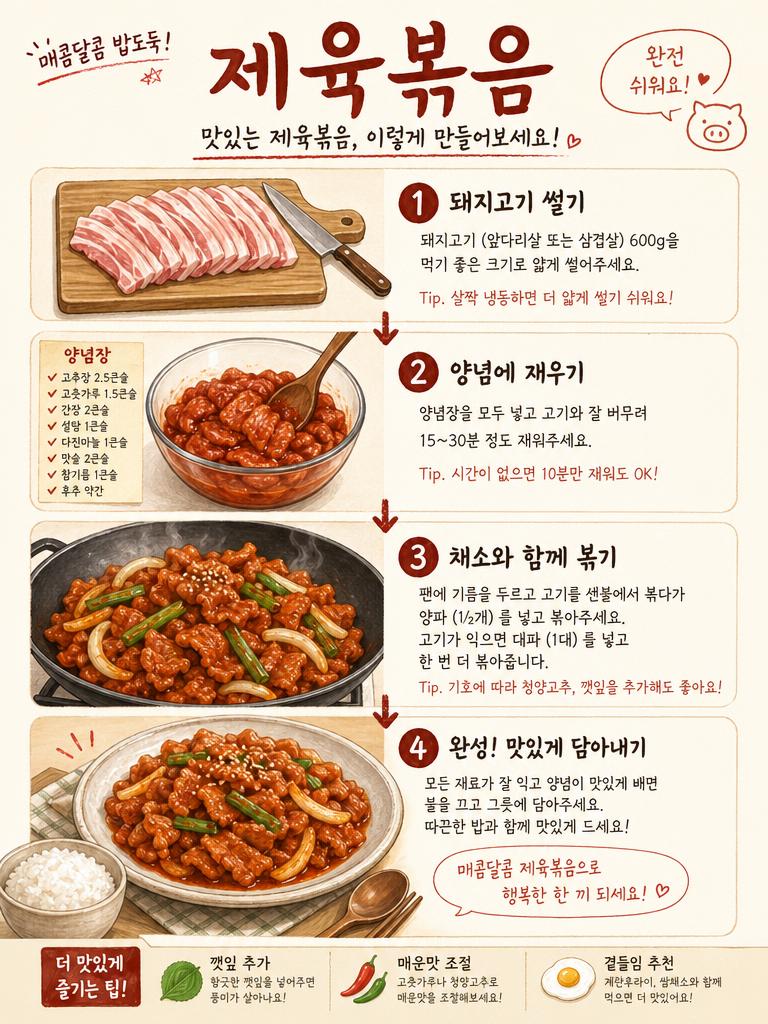
Jeyuk Bokkeum Recipe Flowchart
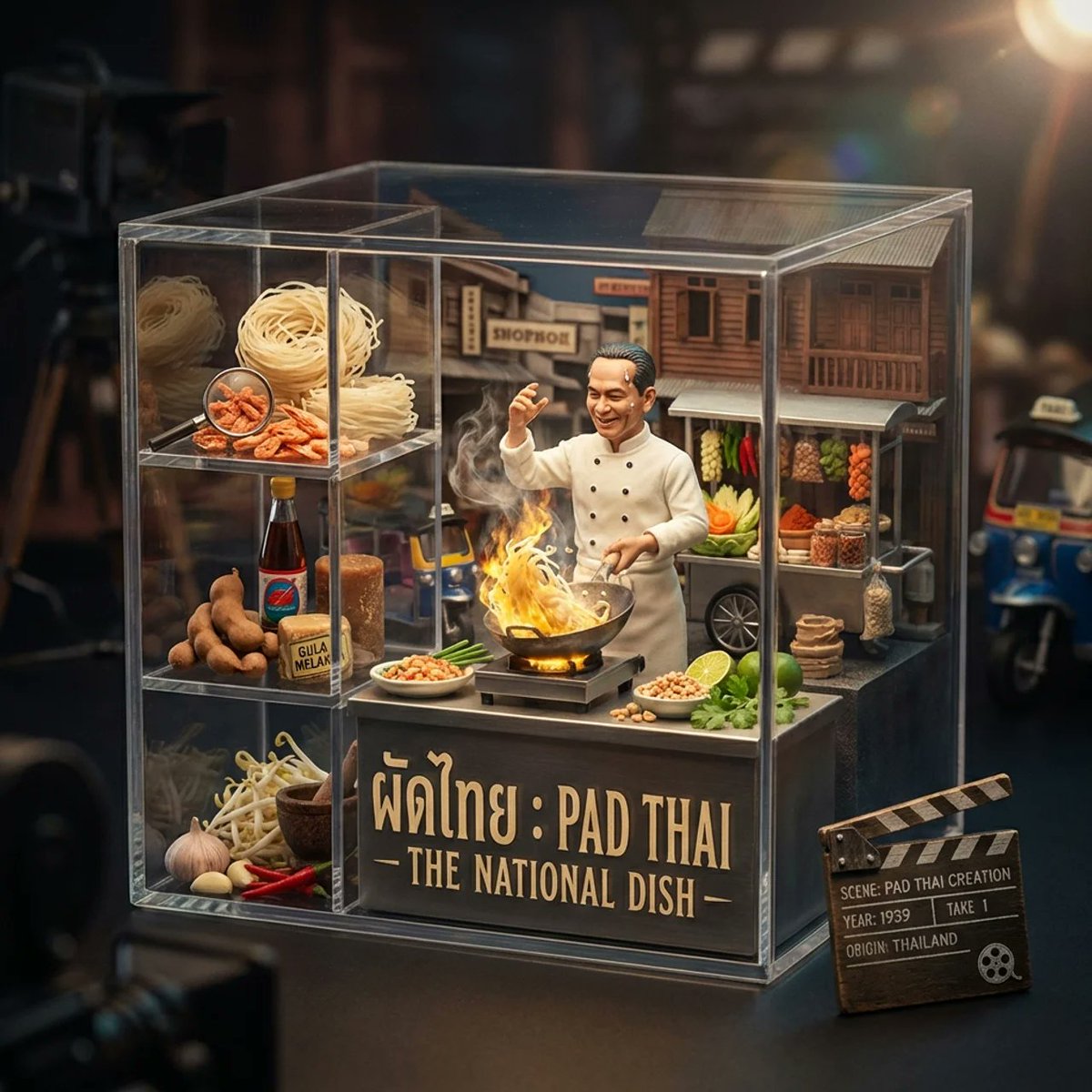
Food Origin Recipe Infographic
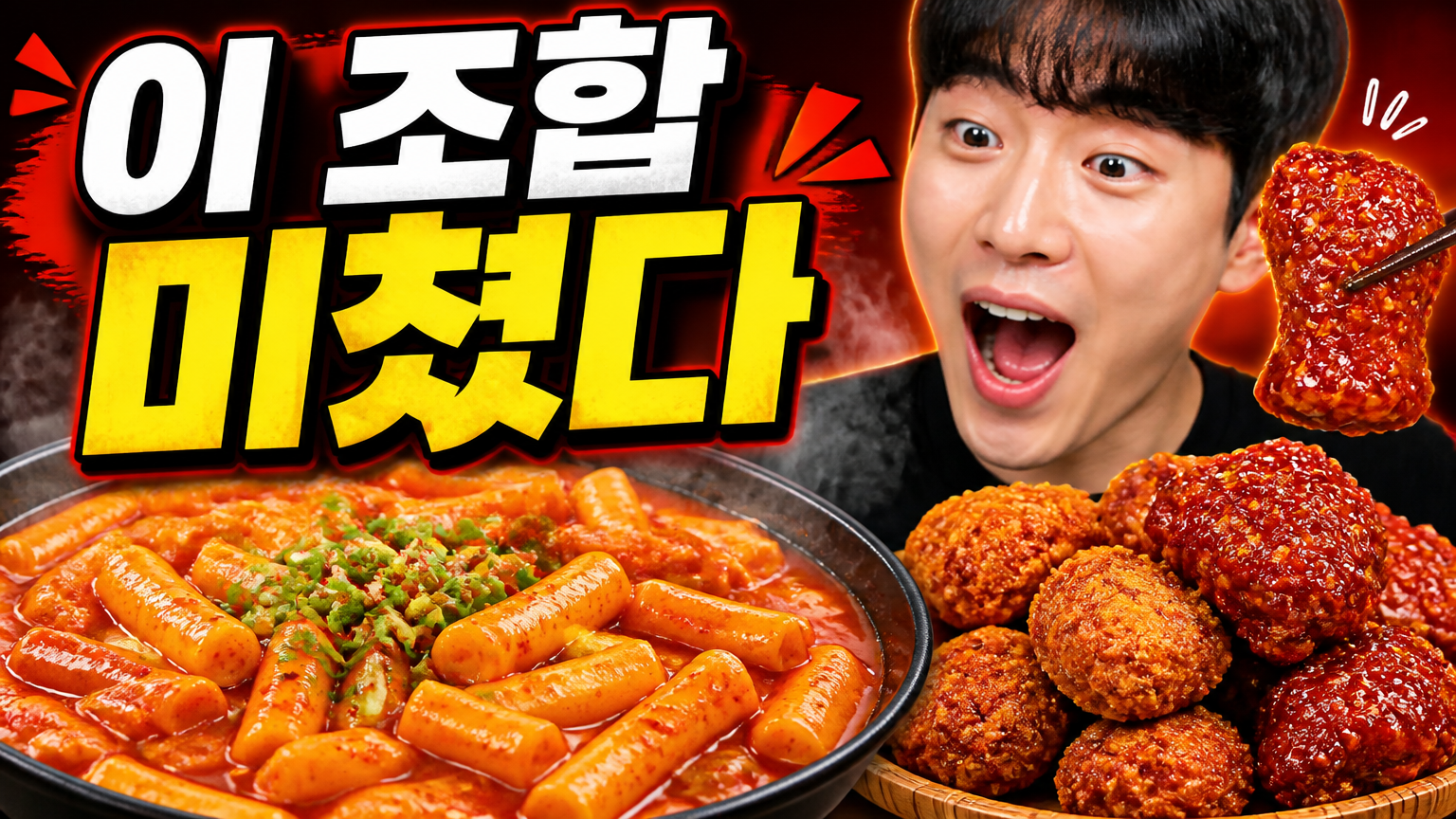
Mukbang Thumbnail
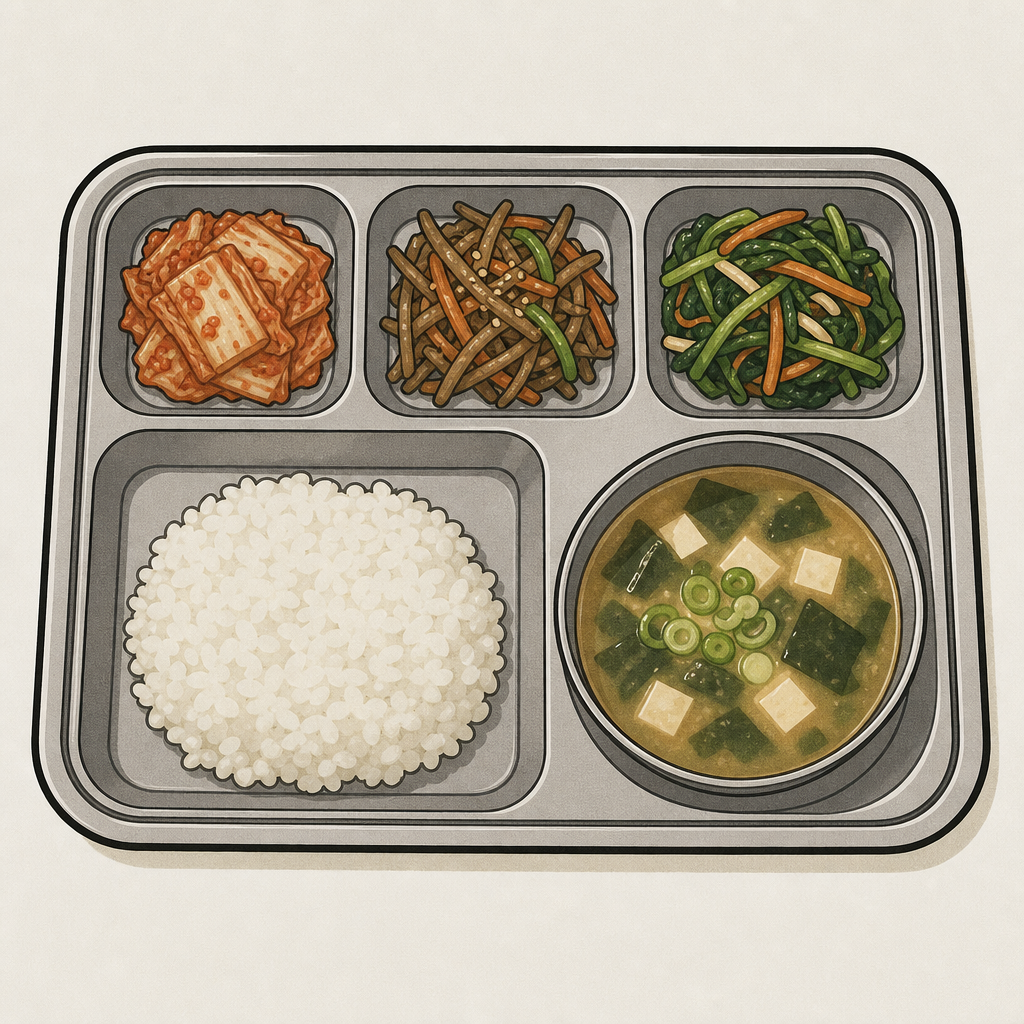
급식 일러스트
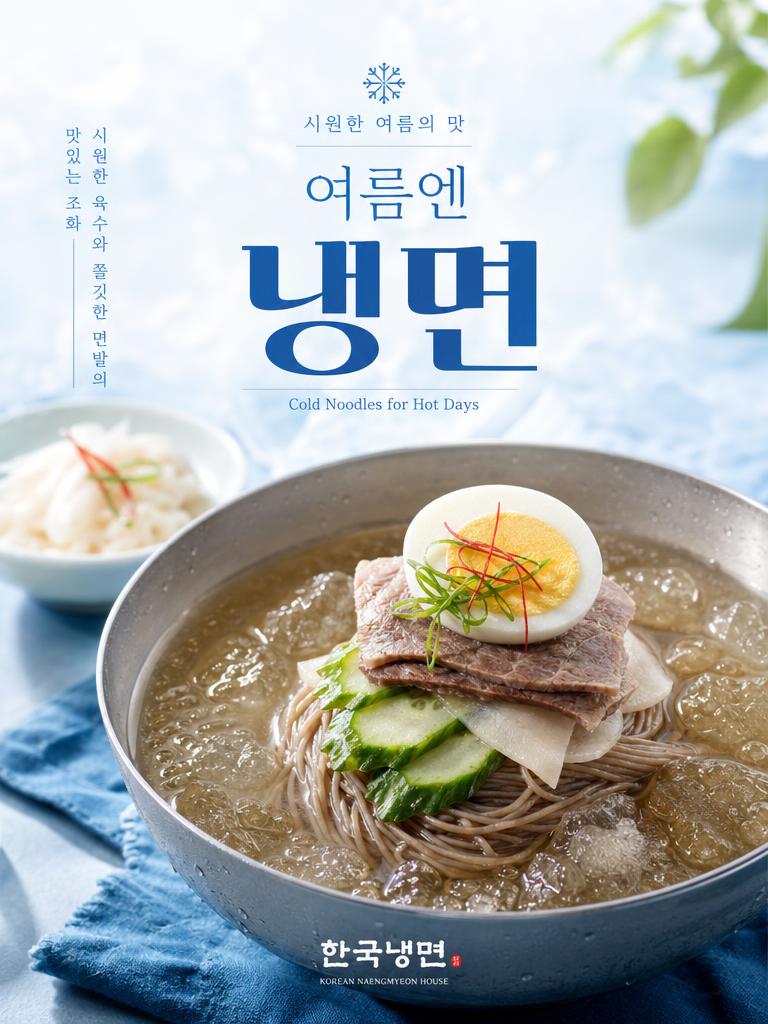
Korean Food Advertisement for Cold Naengmyeon Noodles on a Summer Day
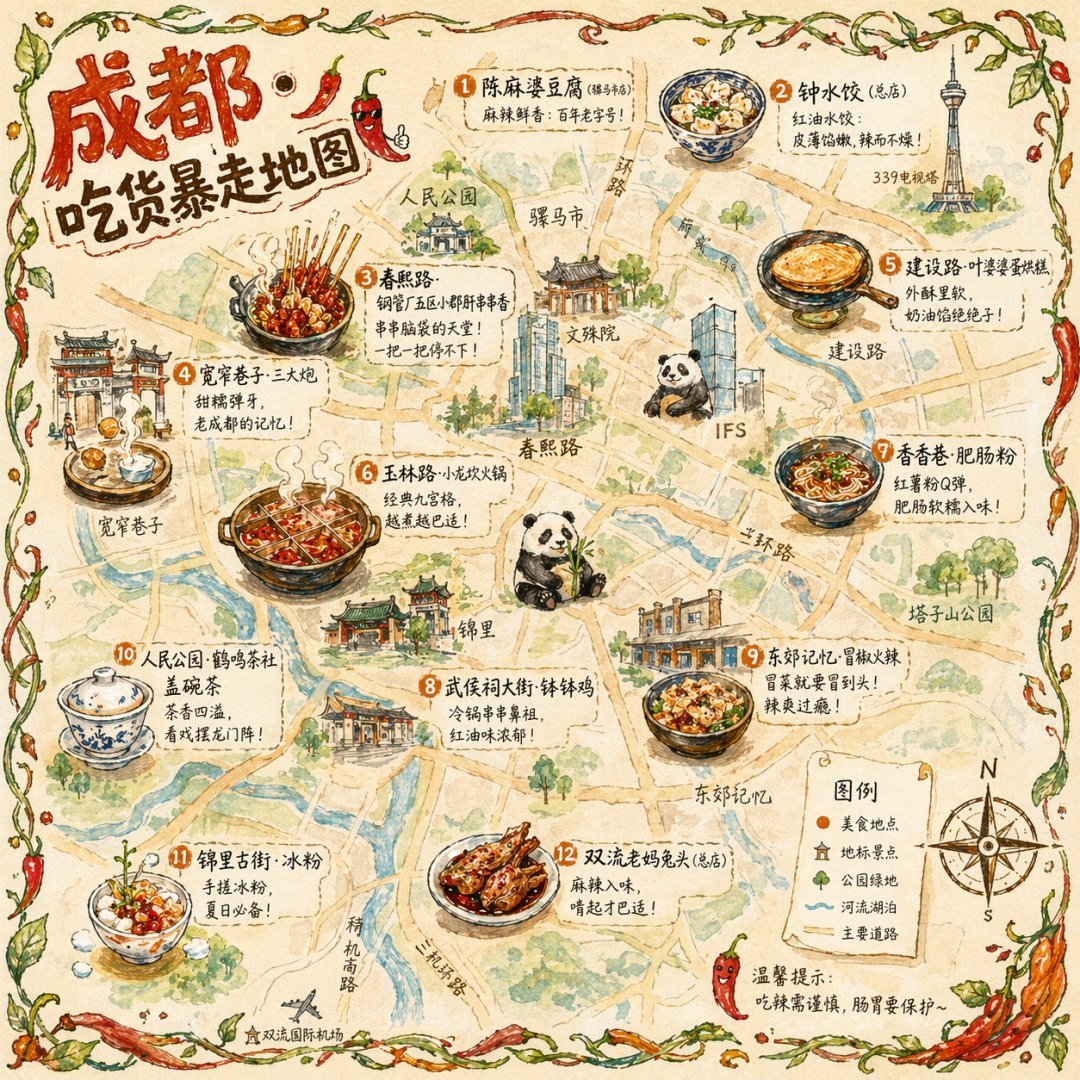
Seoul Food Map Illustration
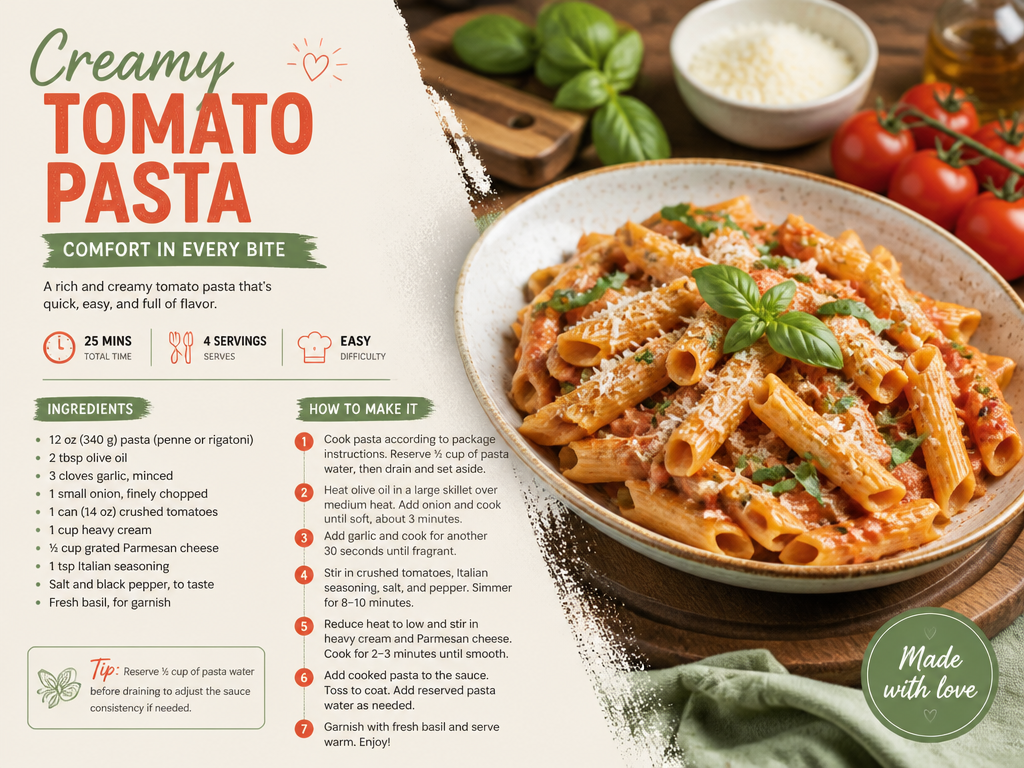
레시피 카드
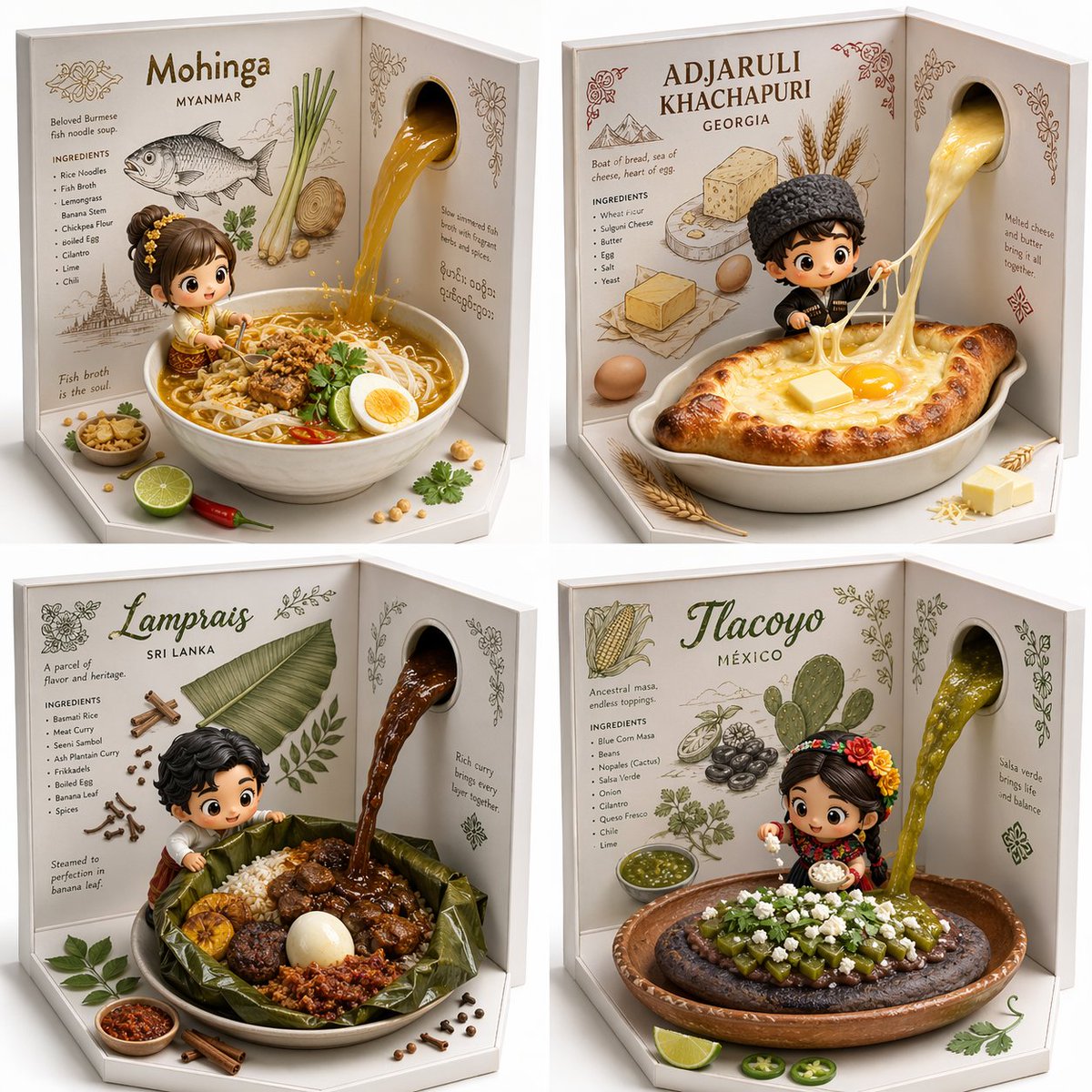
Hidden Gem Foods 2x2 Grid
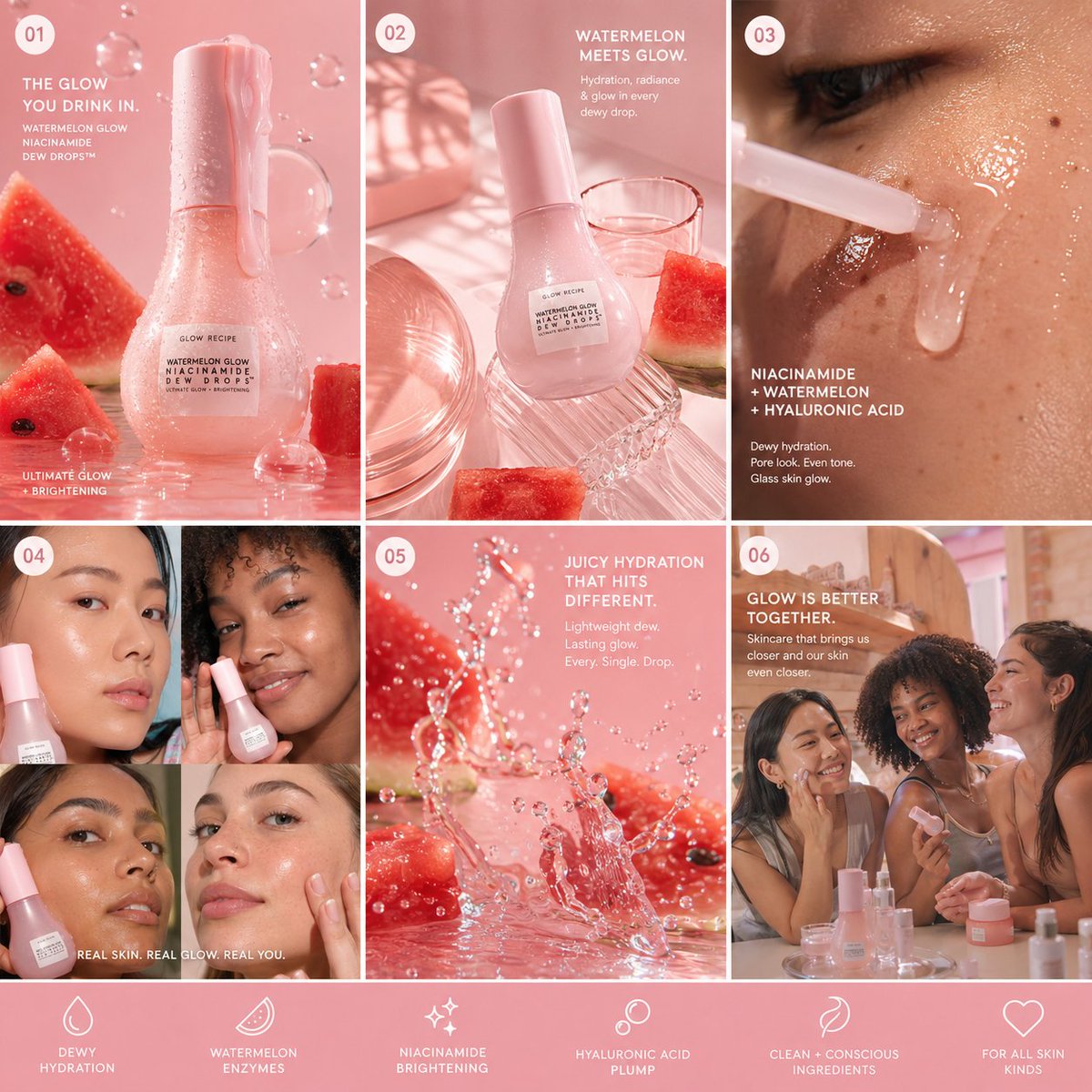
Glow Recipe Watermelon Glow Campaign
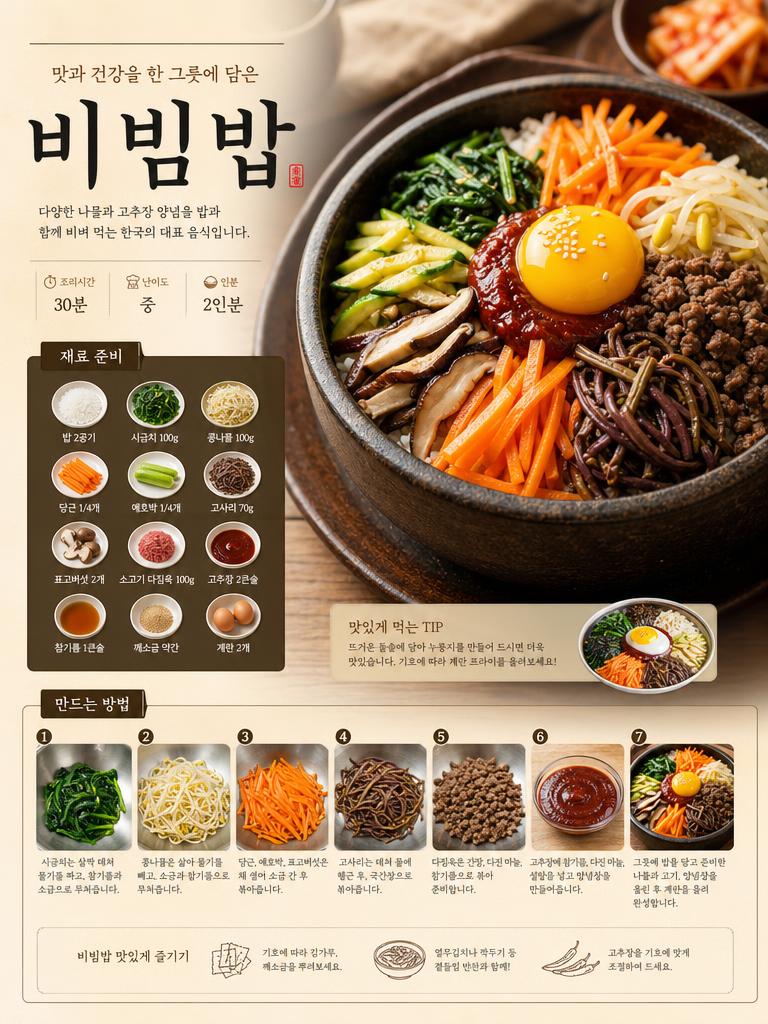
Premium Korean Food Preparation Poster for (Bibimbap)
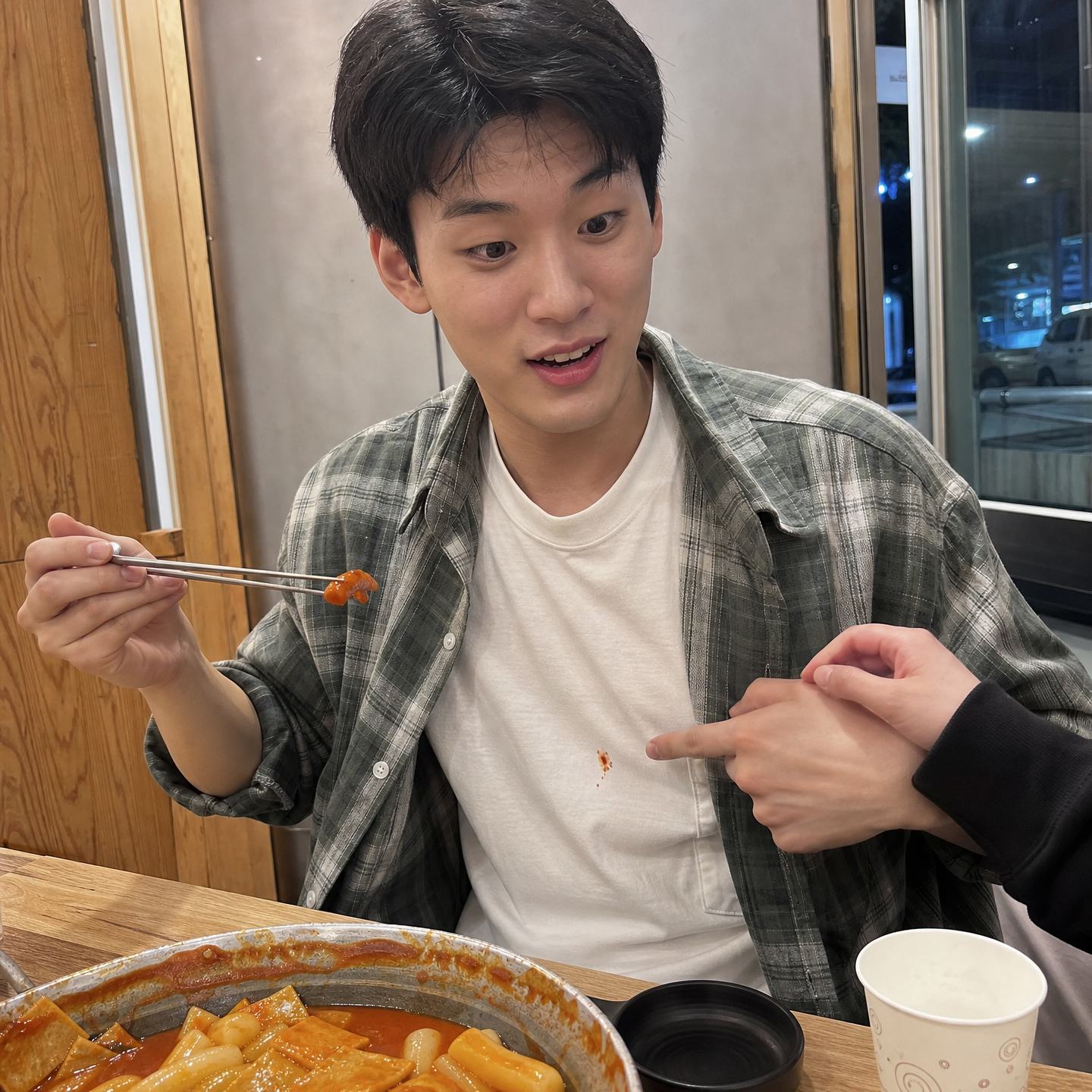
Tteokbokki Spill Moment
What Are Recipe Card AI Prompts?
Recipe Card AI Prompts are specialized digital instructions designed to help users create visually stunning and appetizing layouts for food-related information. These prompts are more than just requests for food photography; they are engineered to incorporate design elements such as typography placeholders, balanced compositions, and thematic backgrounds that are essential for sharing culinary knowledge. Whether you are looking to design a charming cafeteria menu for a school, a professional-grade restaurant menu board, or high-quality food photography cards for a small business like a local bakery or a snack shop, these prompts provide the creative blueprint. By specifying details like camera angles, lighting styles, and surface textures, the prompts enable the AI to produce images that look as if they were shot by a professional food stylist and designed by a graphic expert. They are the perfect solution for anyone needing to combine the art of food with the clarity of informative design.
Best Use Cases
The applications for Recipe Card AI prompts are vast, spanning from professional culinary environments to personal kitchens. Restaurant owners and cafe managers use these prompts to quickly generate seasonal menu designs or promotional materials for social media, allowing them to showcase new dishes with high-end visuals at a fraction of the cost of a photo shoot. In institutional settings, such as schools or corporate offices, nutritionists and meal planners use them to create engaging cafeteria menu designs that make healthy eating look appealing to students and employees. Food bloggers and social media influencers also find these prompts invaluable for creating consistent and beautiful recipe cards that are optimized for platforms like Instagram and Pinterest. Furthermore, they can be used for creating personalized digital cookbooks or gift-worthy printed recipe cards, adding a touch of professional flair to home-shared traditions.
Why This Tag Works
The Recipe Card tag is uniquely effective because it prioritizes the two most important factors in food design: appetite appeal and information hierarchy. The prompts under this tag are pre-optimized with high-impact culinary terms like 'mouth-watering detail', 'soft studio lighting', and 'vibrant color contrast', ensuring that every generation looks fresh and delicious. Beyond the food itself, the tag focuses on layout-friendly compositions, often incorporating 'negative space' or 'minimalist backgrounds' where text can be easily added later. This focus on utility makes the tag a practical tool for real-world design tasks, not just artistic experimentation. It empowers users with no design training to create assets that follow professional design principles, such as the rule of thirds or color harmony, resulting in recipe cards that are both beautiful to look at and easy to read.
Explore Related Prompts
If you are passionate about food and design, explore our other culinary-focused categories. For a more artistic and playful approach, check out Food Illustration. When you need specific layouts for your business, our Menu Design tag offers specialized formats. You can also find versatile marketing assets in Card News Template and Poster. For broader creative projects, explore our general Illustration section. If you need to visualize nutritional data or health tips, we highly recommend our Infographic and Health Infographic categories, which are perfect for complementing your recipe cards with data-driven visuals.
Prompt Building Tips
To create the perfect recipe card, your prompt should focus on 'appetite appeal' and 'compositional balance'. Start with lighting-related keywords like 'bright natural light' or 'soft cinematic backlighting' to give the food a fresh, three-dimensional look. For the angle, 'top-down view' (flat lay) is often best for recipe cards as it allows for a clear view of all ingredients and provides ample space for text. When describing the food, use sensory adjectives like 'glistening', 'steaming hot', 'crispy golden-brown', or 'velvety texture'. Don't forget the background; specify surfaces like 'reclaimed wood table', 'white marble countertop', or 'rustic linen cloth' to set the mood. Crucially, include terms like 'clean composition', 'minimalist frame', or 'uncluttered space on the right side' to ensure the final image is ready for you to overlay your recipe titles and instructions. This strategic approach ensures that your AI-generated art is both a feast for the eyes and a functional design asset.