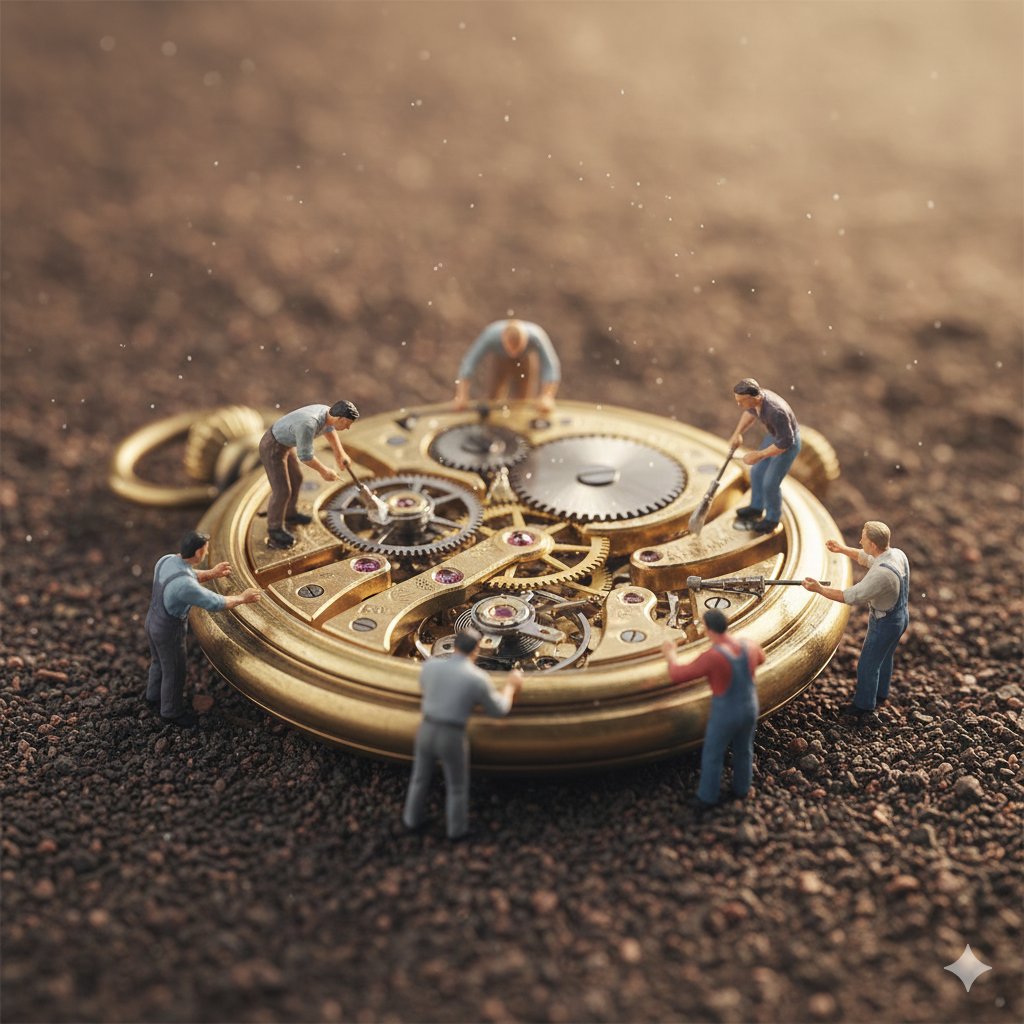
Watch Design
Create luxury wristwatch illustrations and futuristic smartwatch ad designs with professional AI prompts.
2026.07.04
Make “Watch Design” exactly the way you wantCreate your own “Watch Design”
Just ask in plain language — Carat generates optimized images and videos for you.

Start now with 100 free credits daily
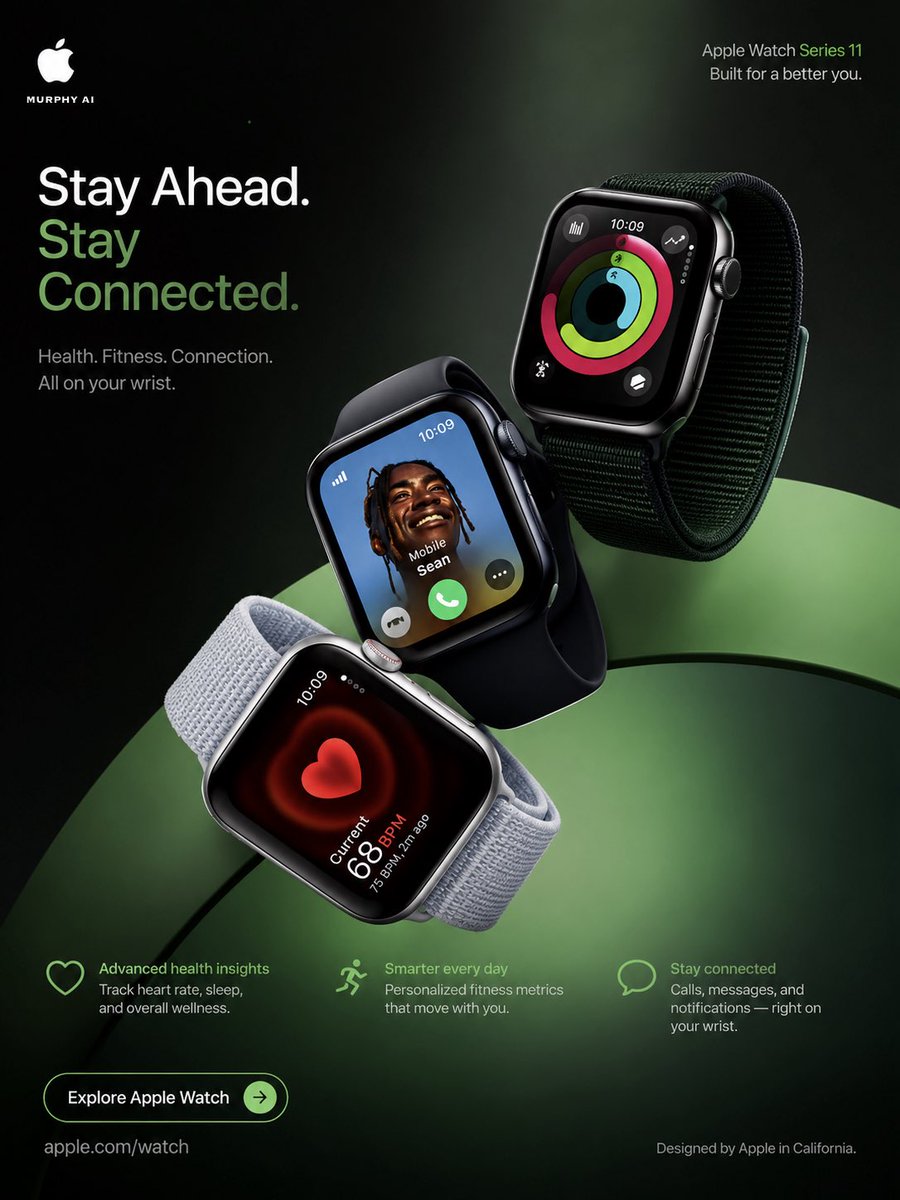
Apple Watch Series 11 Luxury Poster
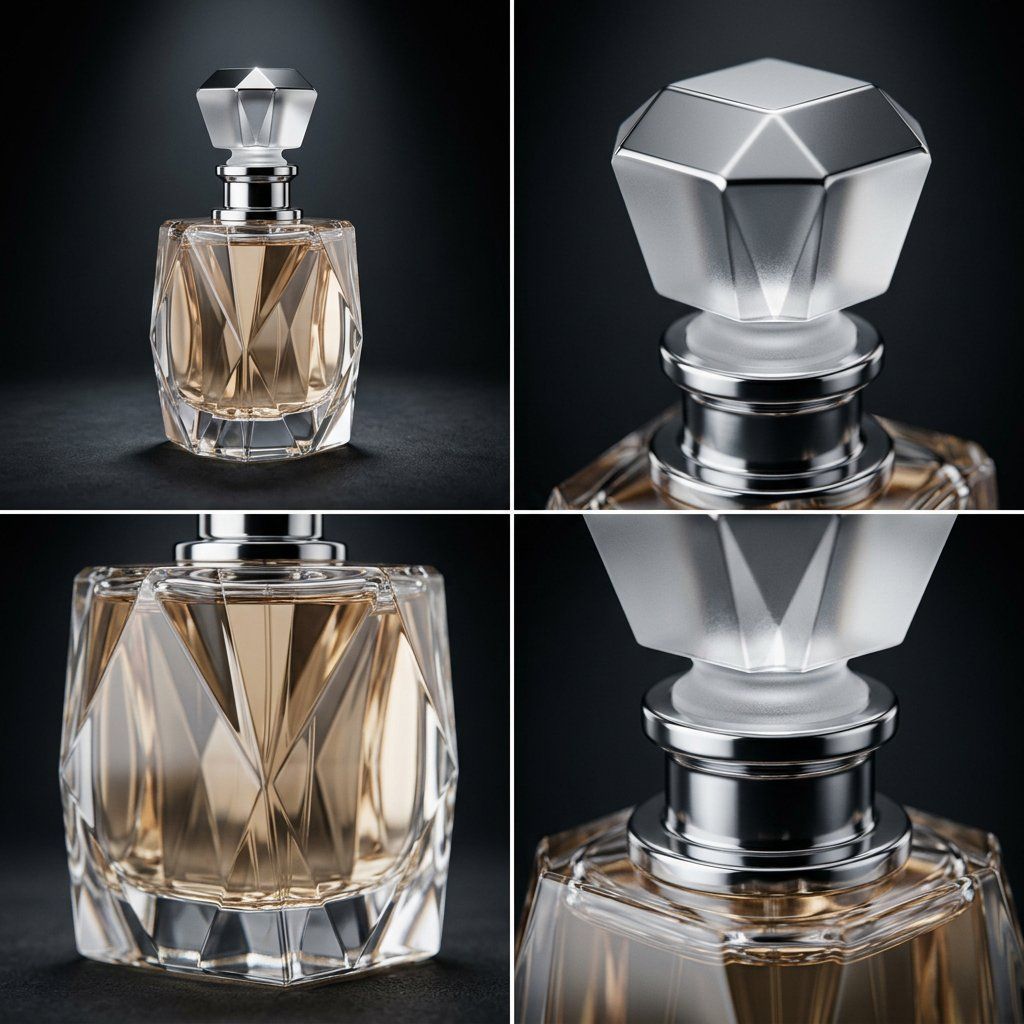
Luxury Chronograph Macro Design
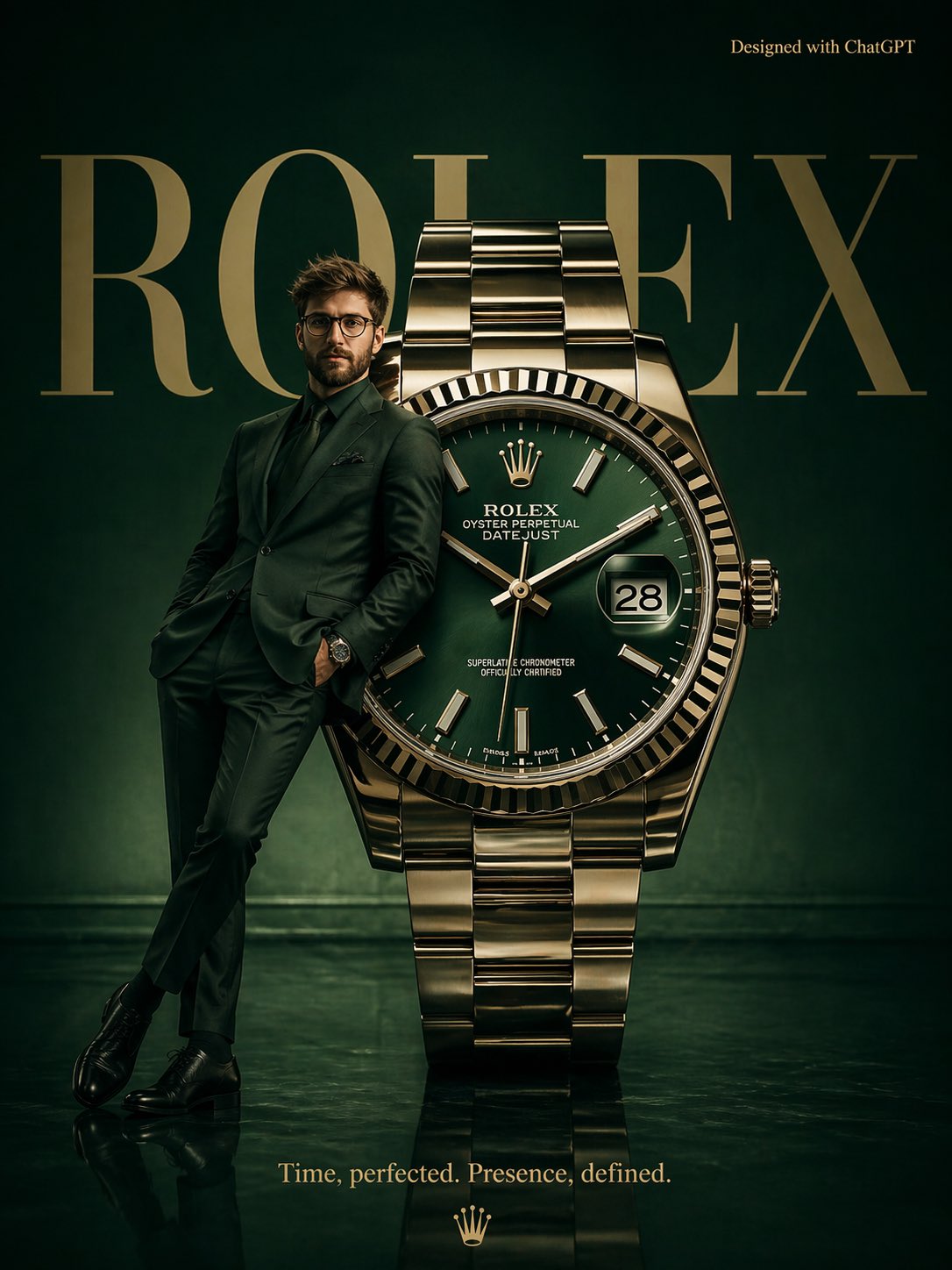
High-fashion Surrealist Poster for Rolex
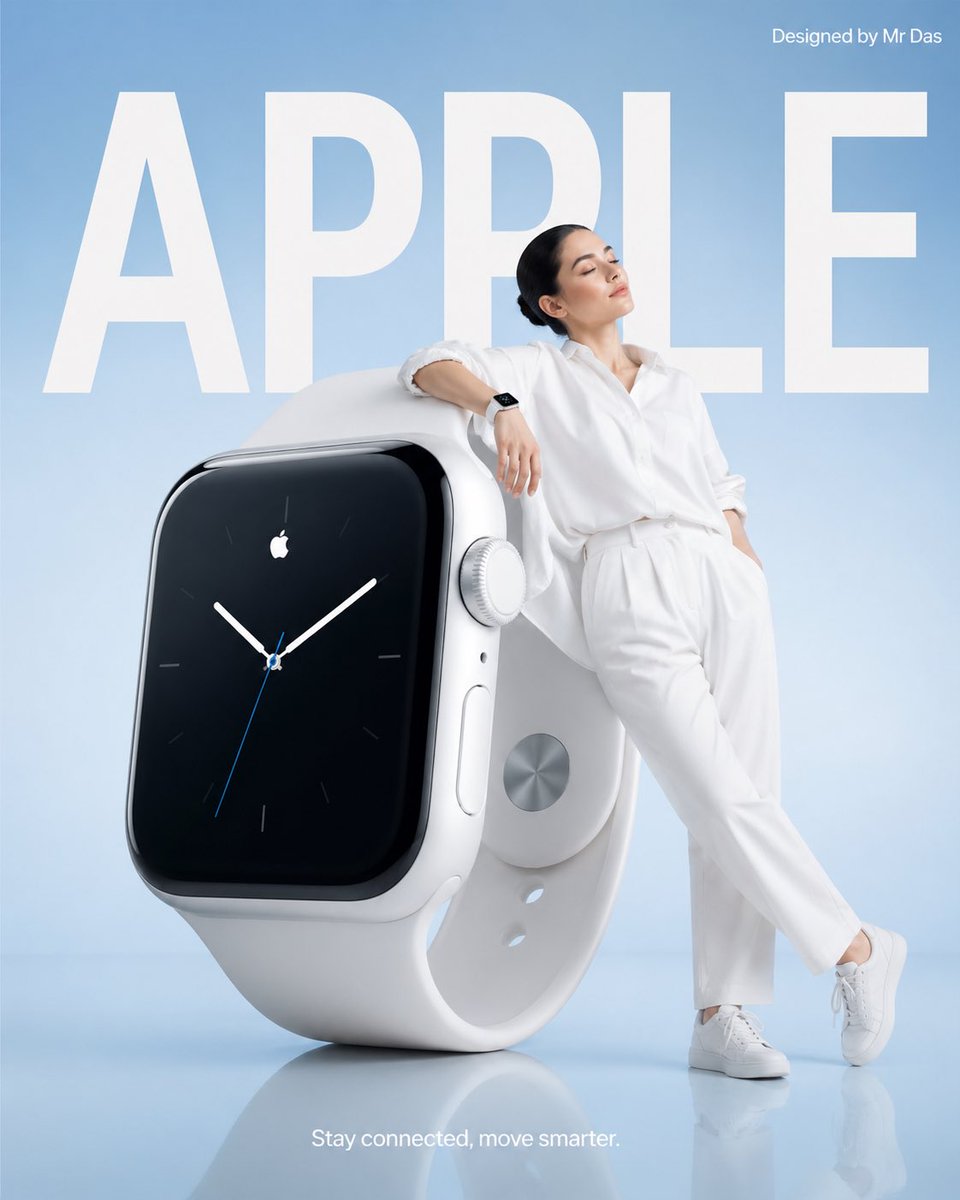
Oversized Apple Watch Minimal Ad
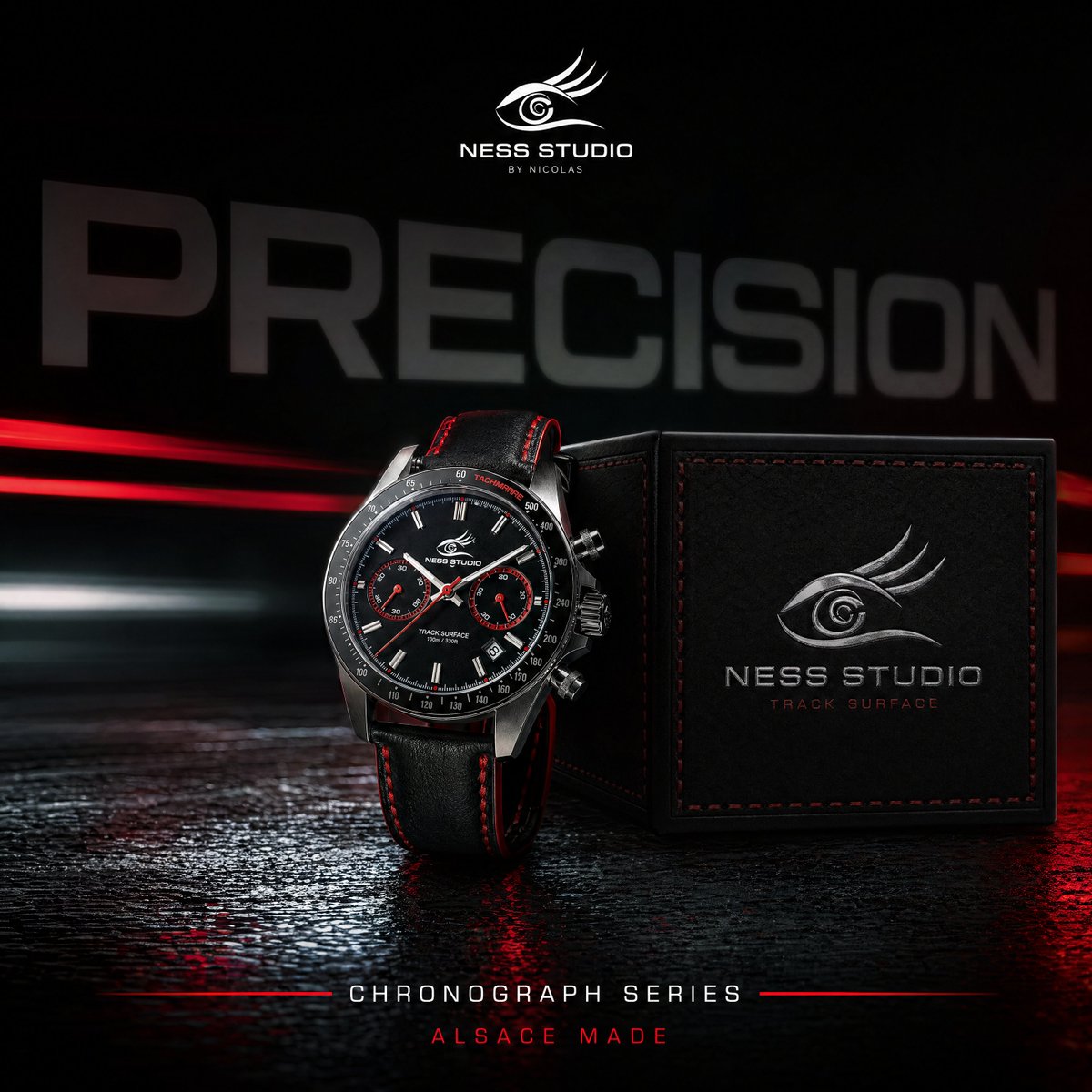
Luxury Chronograph Watch Ad
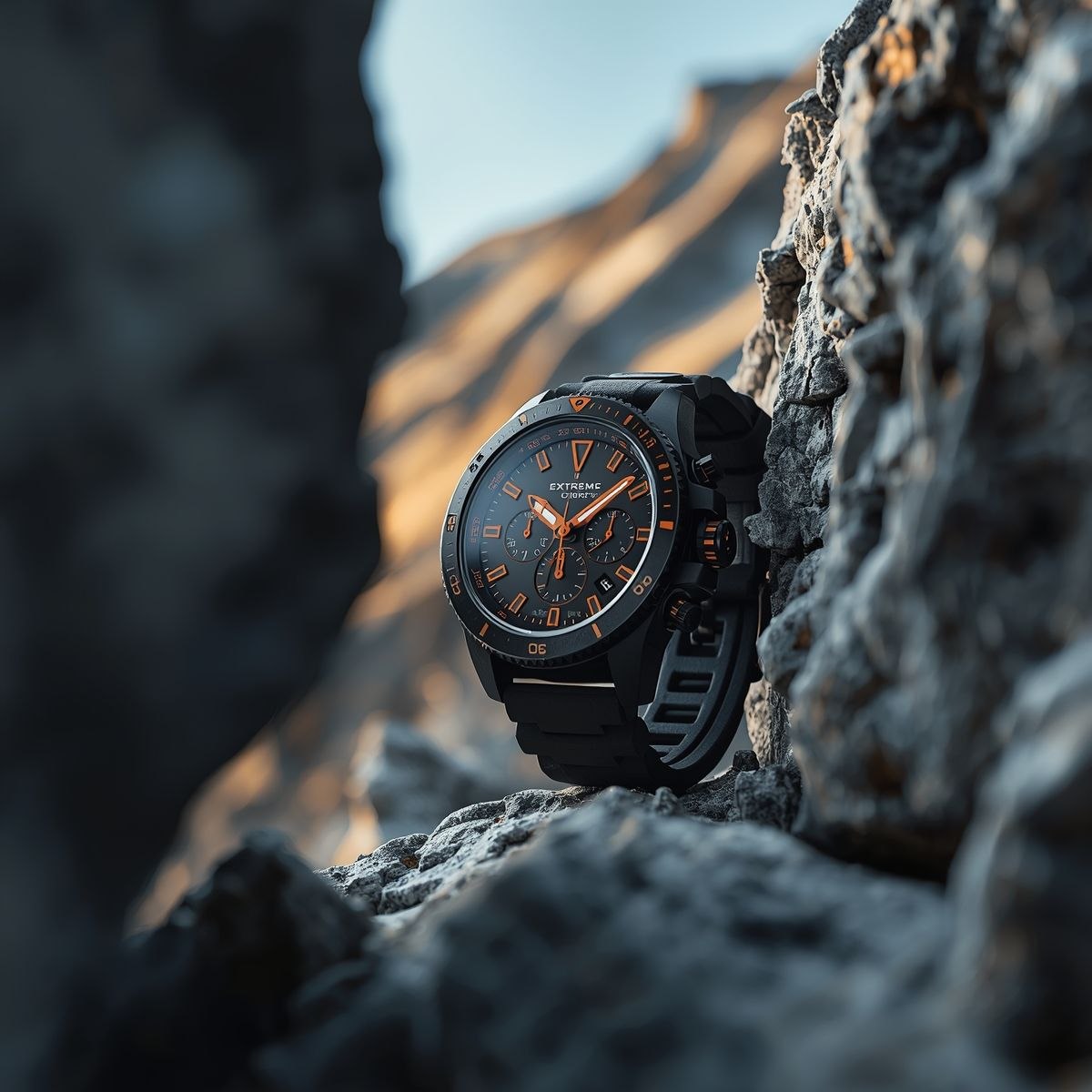
Rugged Chronograph Watch Ad
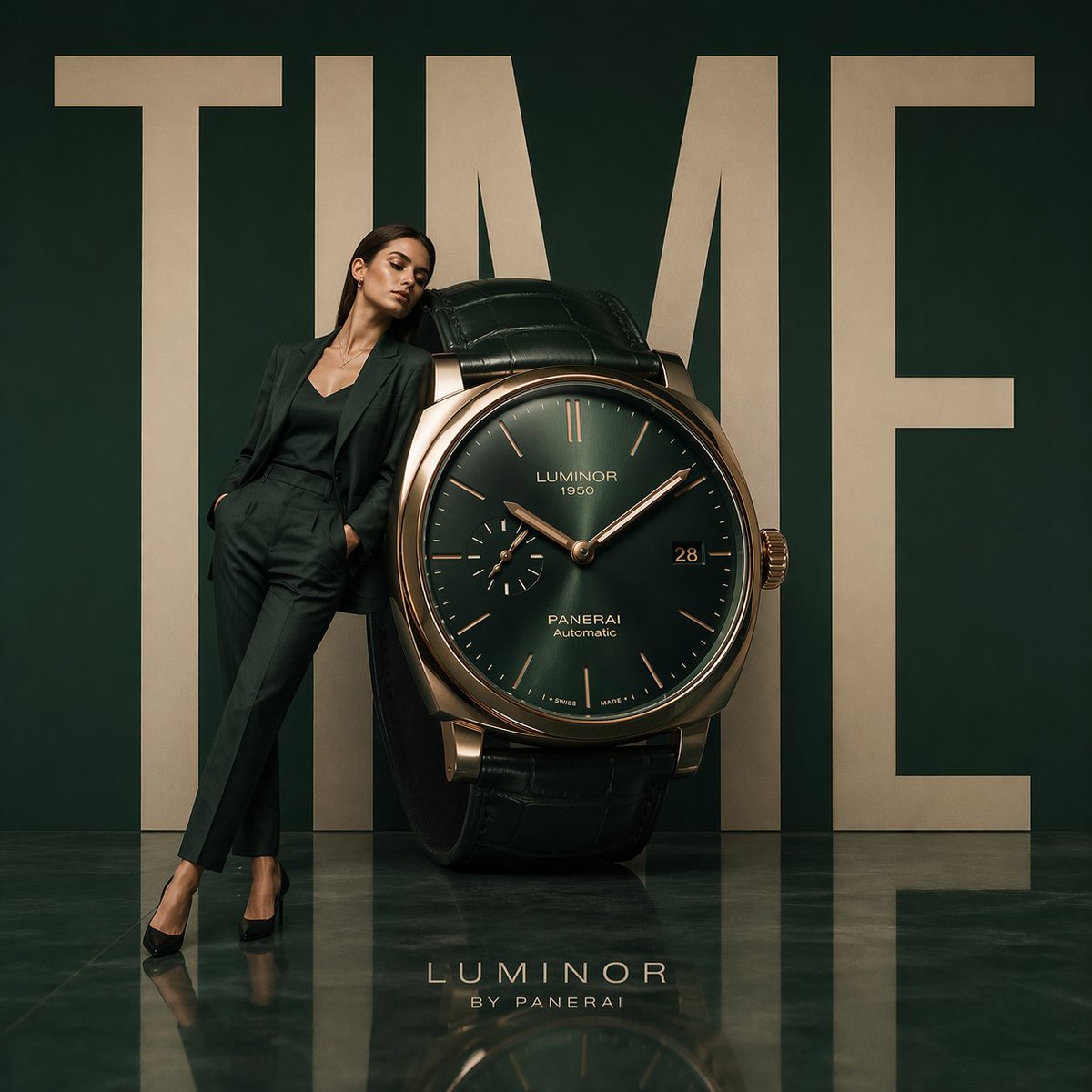
Luxury Watch Campaign Ad
What Are Watch Design AI Prompts?
Watch Design AI Prompts are specialized instructional strings designed to direct generative AI models in creating high-fidelity images of horological masterpieces. These prompts cater to a wide range of styles, from the timeless elegance of classic luxury wristwatches to the sleek, functional aesthetics of modern smartwatches. A successful watch design image relies on the perfect rendering of varied materials-brushed steel, polished gold, sapphire crystal, and supple leather-as well as the precise alignment of intricate components like dials, hands, and sub-complications. These prompts are engineered to trigger the AI's understanding of product photography and industrial design, ensuring that every highlight on the bezel and every shadow on the strap enhances the watch's perceived value and mechanical complexity. Whether you are aiming for a stylized illustration or a photorealistic 3D render, these prompts provide the necessary vocabulary to articulate the subtle nuances of watchmaking art.
Best Use Cases
The utility of Watch Design AI prompts is evident across multiple professional and creative fields. Industrial designers and horologists use them during the ideation phase to explore new dial textures, hand shapes, and case geometries without the need for immediate physical prototypes. Marketing agencies and brand managers find these prompts invaluable for creating high-end "hero shots" for advertising campaigns, social media content, and digital storefronts, especially when a physical sample of a new model isn't yet available. For UI/UX designers, these prompts facilitate the creation of realistic smartwatch mockups to showcase their digital interface designs in a professional context. Additionally, watch enthusiasts and collectors use these prompts to visualize custom modifications or "dream builds," creating high-quality images of watches that might not exist in the real world yet. The ability to generate these complex visuals instantly makes them a cornerstone for anyone involved in the business or passion of timepieces.
Why This Tag Works
The "Watch Design" tag is uniquely effective because it bridges the gap between mechanical precision and artistic photography. Watches are notoriously difficult to photograph and render due to their small size and highly reflective surfaces. This tag incorporates "baked-in" expertise in macro photography and studio lighting techniques. It prioritizes the "legibility" of the dial while maintaining the "lustre" of the case, a balance that generic design tags often fail to strike. By focusing onhorology-specific terminology-such as "tourbillon," "tachymeter," or "indices"-the tag prompts the AI to reference high-end watch catalogs rather than generic clock images. This results in outputs that possess the correct proportions and a sense of "heft" and "luxury." Furthermore, the tag allows for easy switching between different eras of watch design, from vintage mid-century aesthetics to contemporary minimalist styles, all while maintaining a consistent level of professional quality.
Explore Related Prompts
Prompt Building Tips
To create a truly stunning watch image, you must describe the "finish" and "lighting" with great care. Instead of simply saying "watch," use a detailed anchor: "Luxury diver's watch with a ceramic bezel, deep emerald green sunburst dial, and high-quality stainless steel link bracelet." Specify the lighting to create depth: "Dramatic top-down studio lighting, sharp rim lights to define the lugs, soft reflections on the sapphire crystal." To emphasize the watch's complexity, try adding: "Detailed macro shot of the internal mechanical escapement visible through a transparent case back." If you are designing for a smartwatch, focus on the screen: "Sleek matte black smartwatch with a vibrant OLED display showing a futuristic fitness tracking UI." Incorporating rendering-specific keywords like "Octane Render," "Ray tracing," and "Hyper-realistic textures" will ensure that the final output has the crispness and clarity expected in high-end product photography. Don't be afraid to specify the "time" on the dial, even if AI is still learning to get it perfect, as it helps set the overall composition.