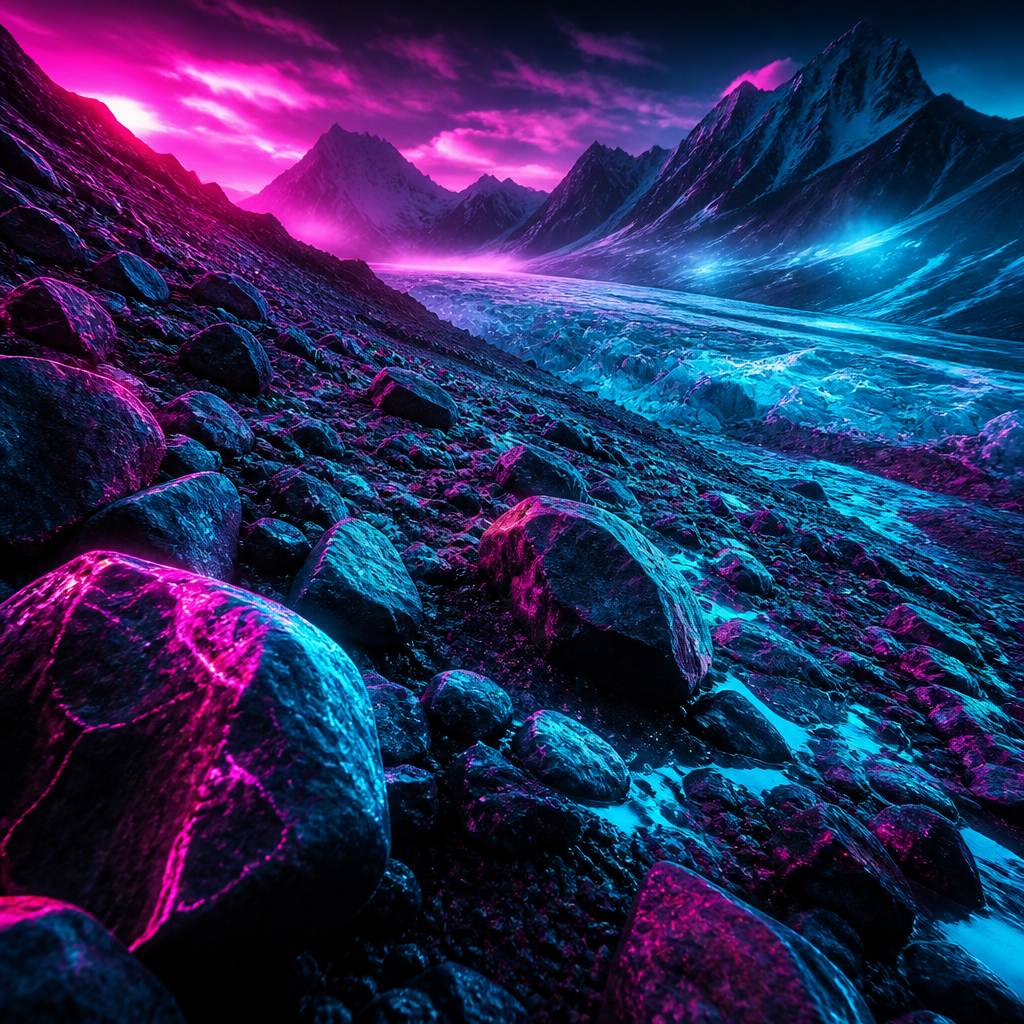
Weather Illustration
Capture the mood of every season with AI prompts for sunshine, rain, snow, and dramatic skies.
2026.07.04
Make “Weather Illustration” exactly the way you wantCreate your own “Weather Illustration”
Just ask in plain language — Carat generates optimized images and videos for you.

Start now with 100 free credits daily

말랑이 구름 스트레스볼
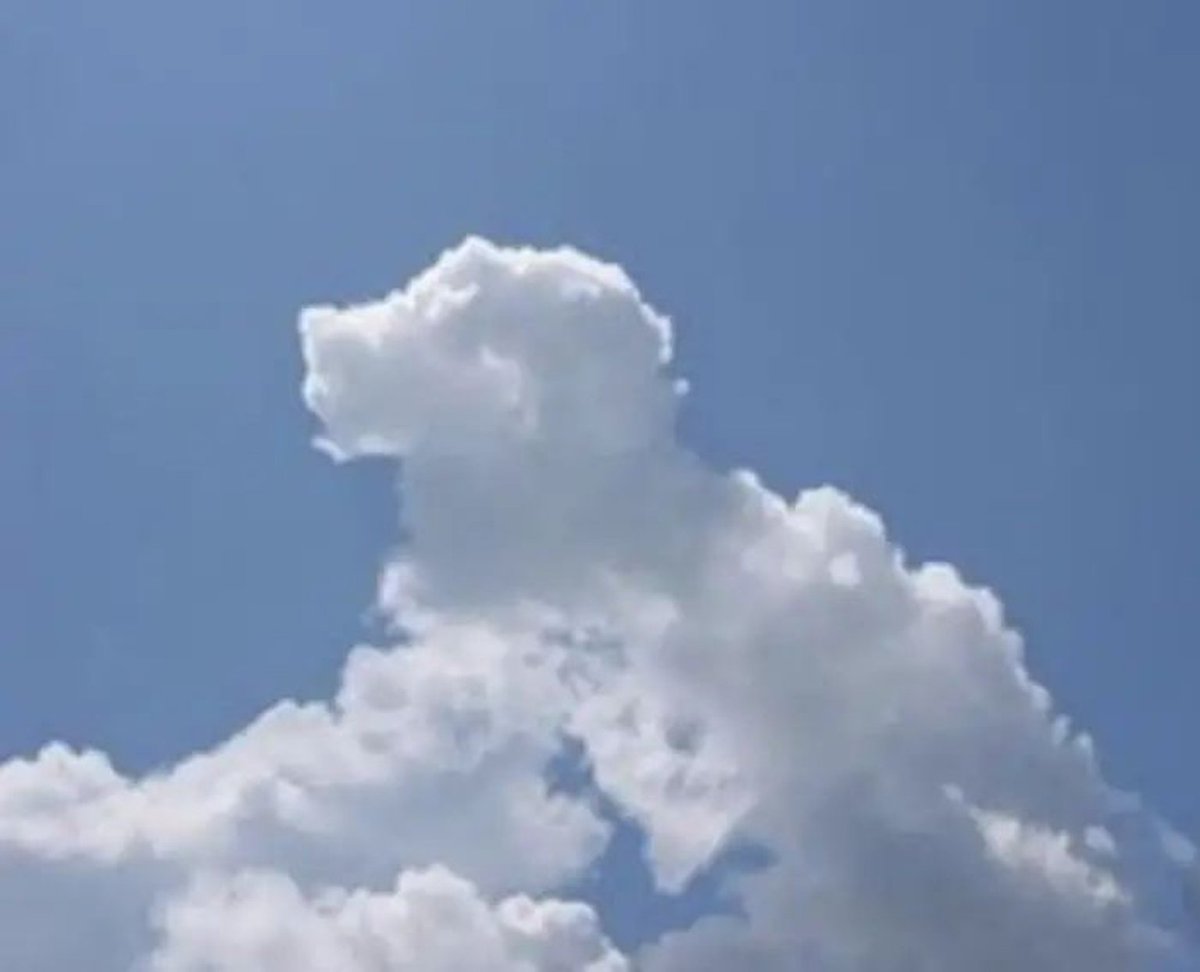
Based on the Shape of the Clouds in the Image
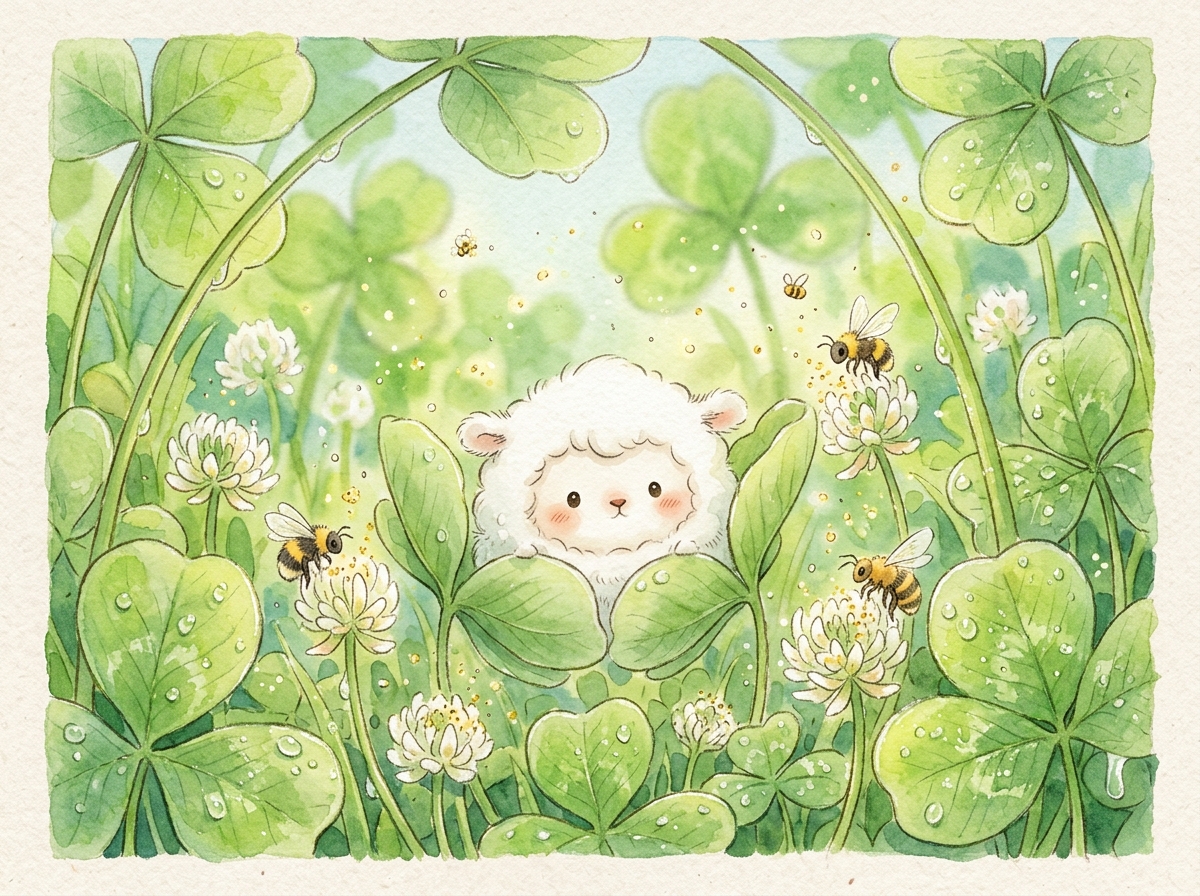
Cloud Creature in the Clover
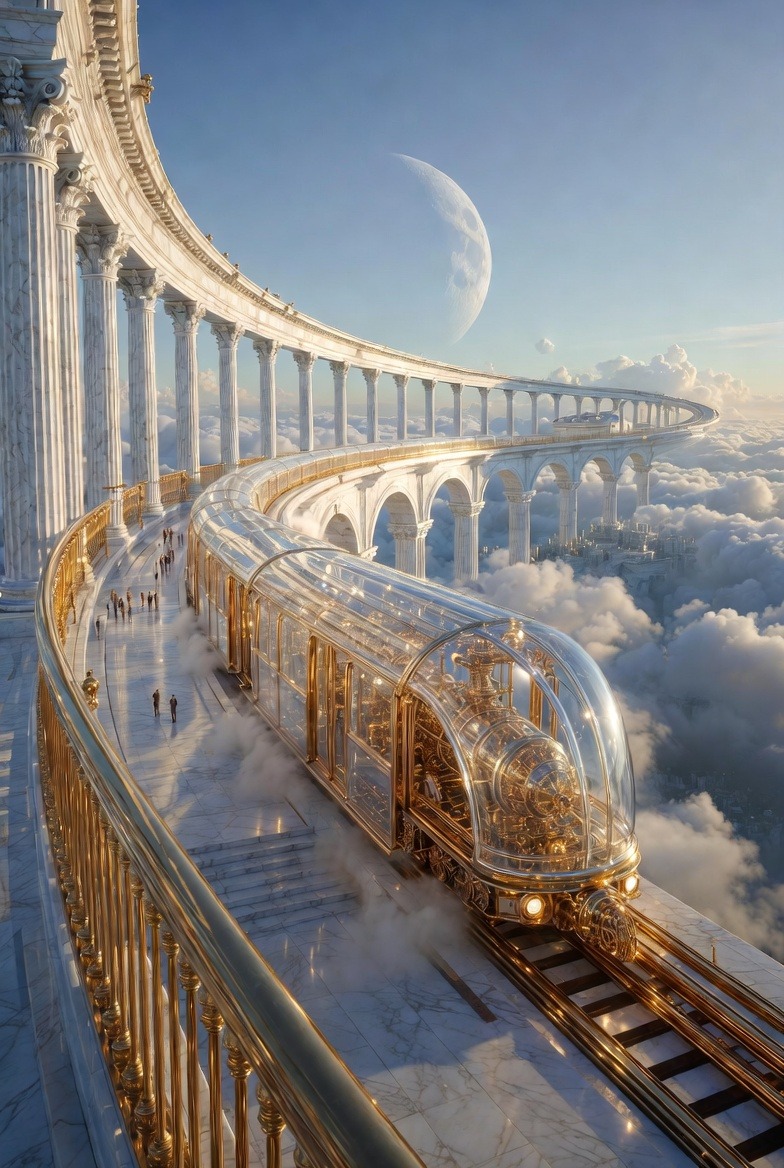
Celestial Train Station in the Clouds

Rainy Night Cafe Portrait
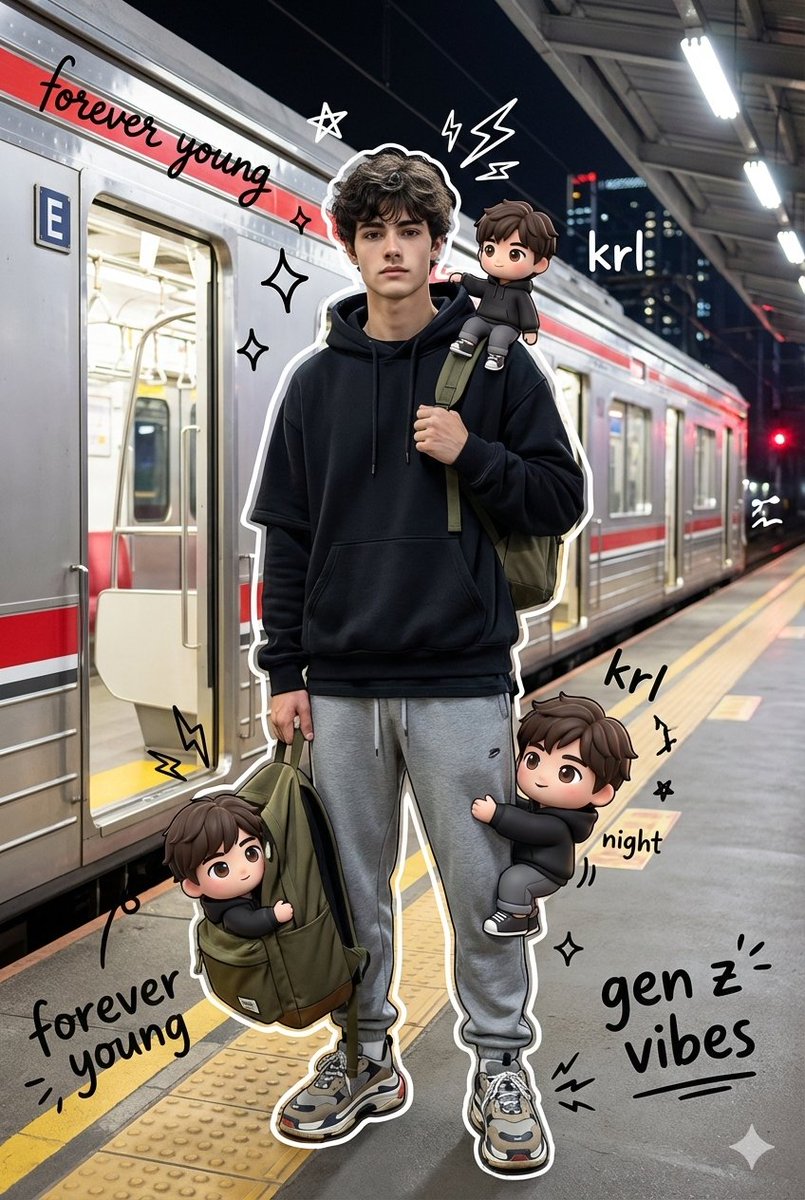
Night Train Station Street Portrait
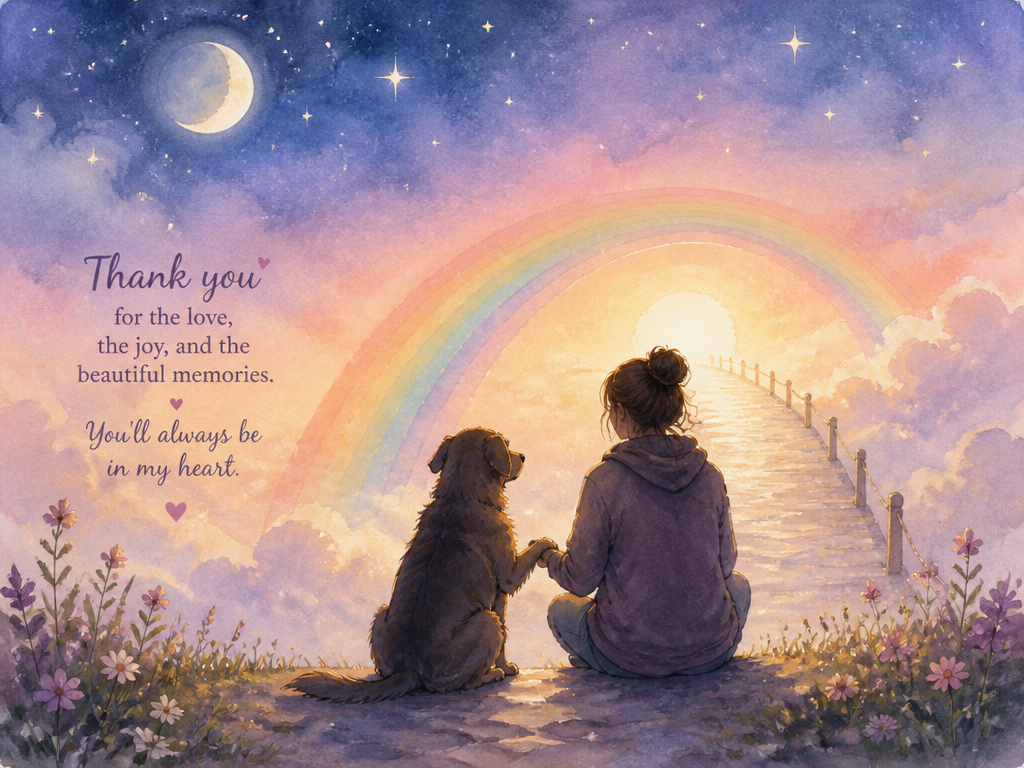
반려동물 추모 일러스트

눈 일러스트 예시 1
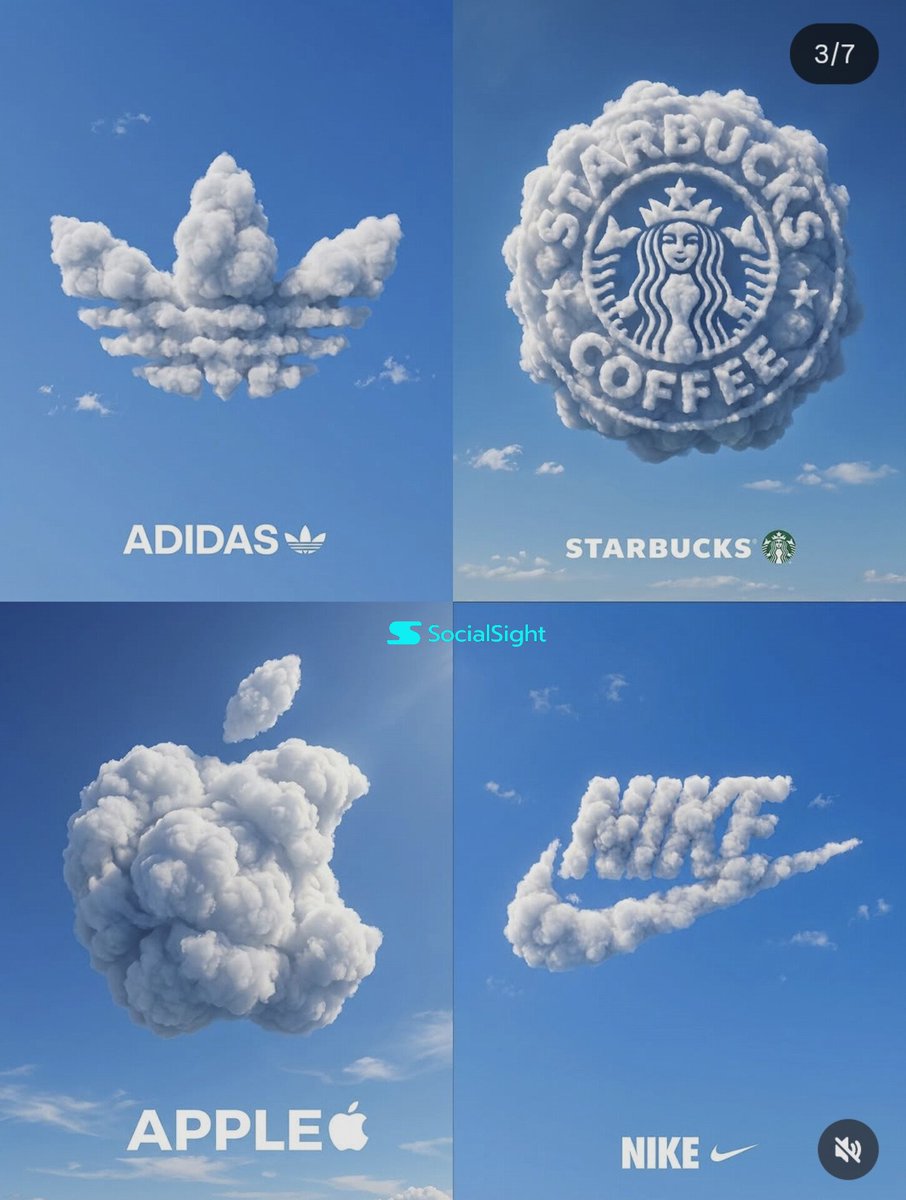
Cloud Brand Logos 2x2
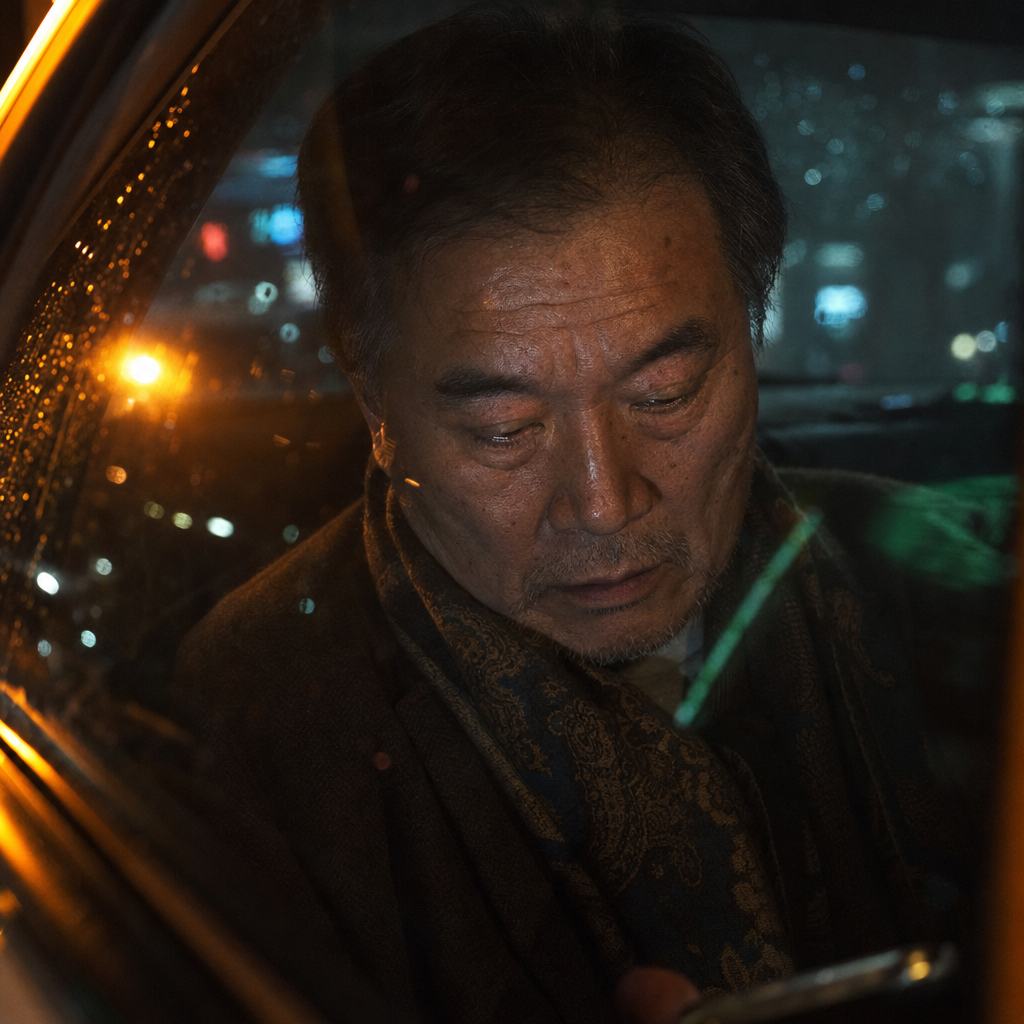
Rainy Night in the Taxi
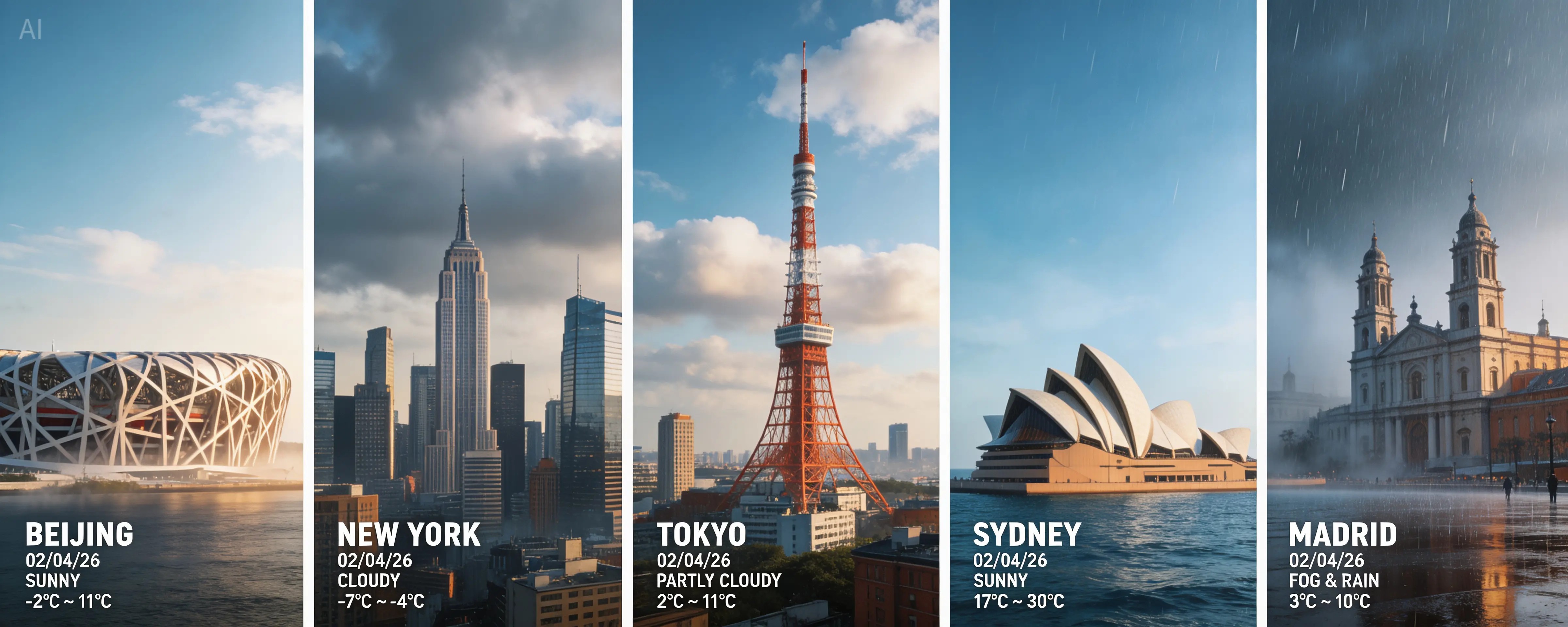
World Cities Real-Time Weather Composite

돌잔치 안내장
What Are Weather Illustration AI Prompts?
Weather Illustration AI Prompts are specialized sets of linguistic cues designed to help artificial intelligence visualize the complex and ever-changing dynamics of the atmosphere. These prompts go far beyond mere descriptions of 'rain' or 'sun'; they incorporate technical terms for cloud formations, light refraction, and precipitation density to create evocative and atmospheric imagery. By using these prompts, creators can direct the AI to produce anything from a crisp, high-pressure autumn morning to a moody, lightning-filled summer storm. The weather in an illustration serves as a powerful narrative tool that dictates the emotional tone of the entire piece. Carat's weather illustration tag provides a curated library of modifiers that help the AI capture the soft glow of a misty sunrise or the sharp, crystalline structure of falling snowflakes, ensuring that every weather condition is portrayed with both scientific accuracy and artistic soul.
Best Use Cases
The versatility of weather illustrations makes them essential for a wide range of professional and personal projects. Weather app developers use these prompts to create dynamic background art that changes according to the user's local forecast, providing a premium user experience. Graphic designers utilize weather-themed illustrations for editorial pieces in magazines and blogs, where the climate sets the mood for the story. In the world of game development and filmmaking, these prompts are used to generate conceptual 'mood boards' that define the environmental lighting and atmosphere of a scene. Educators find these prompts useful for creating clear and engaging visuals of meteorological phenomena like rainbows, tornadoes, or hailstorms for classroom materials. On a personal level, these illustrations are perfect for tracking 'weather moods' in digital planners, creating seasonal social media posts, or designing calming desktop wallpapers that reflect the current time of year.
Why This Tag Works
The Weather Illustration tag is highly effective because it focuses on the interplay between light and moisture, which are the two most critical factors in environmental art. AI models can sometimes struggle with the translucency of clouds or the way light scatters through fog; this tag provides the specific vocabulary-such as 'subsurface scattering' or 'volumetric lighting'-that guides the AI to render these effects correctly. It also handles the 'emotional resonance' of weather by grouping keywords that evoke specific feelings: 'somber' for grey rainy days or 'exhilarating' for bright snowy landscapes. By using these verified prompts, users avoid flat and boring sky renders, instead achieving depth and drama through layered cloud structures and realistic atmospheric perspective. The tag acts as a professional lighting technician and meteorologist combined, ensuring that the visual output is both aesthetically pleasing and contextually believable.
Explore Related Prompts
Prompt Building Tips
When building a weather-focused prompt, always prioritize the 'light source' and the 'state of the air.' Instead of just 'rain,' try 'heavy vertical rain illuminated by a streetlamp at night' to create a dramatic noir effect. For clouds, specify their type to get distinct shapes, such as 'wispy cirrus clouds' for a light feel or 'towering cumulonimbus' for a threatening storm vibe. Don't forget the 'effects on the environment'-mentioning 'wet pavement reflections' during a rain scene or 'heavy frost on leaves' during a cold snap adds layers of realism that ground the illustration. Use adjectives that describe the intensity of the light, such as 'dazzling,' 'diffused,' or 'muted.' In terms of style, decide whether you want a 'lo-fi aesthetic' with soft colors or a 'hyper-realistic' look with high contrast. Finally, consider adding a human or animal element to provide scale, like 'a tiny bird huddled on a branch during a snowstorm,' which can greatly enhance the narrative impact of the weather you've created.