Cape Illustration
Create majestic superhero capes, fantasy cloaks, and elegant mantle illustrations using expert-level AI prompts.
2026.07.04
Make “Cape Illustration” exactly the way you wantCreate your own “Cape Illustration”
Just ask in plain language — Carat generates optimized images and videos for you.

Start now with 100 free credits daily
City Bus Window Commute
City Postage Stamp Poster
Santorini Travel Poster
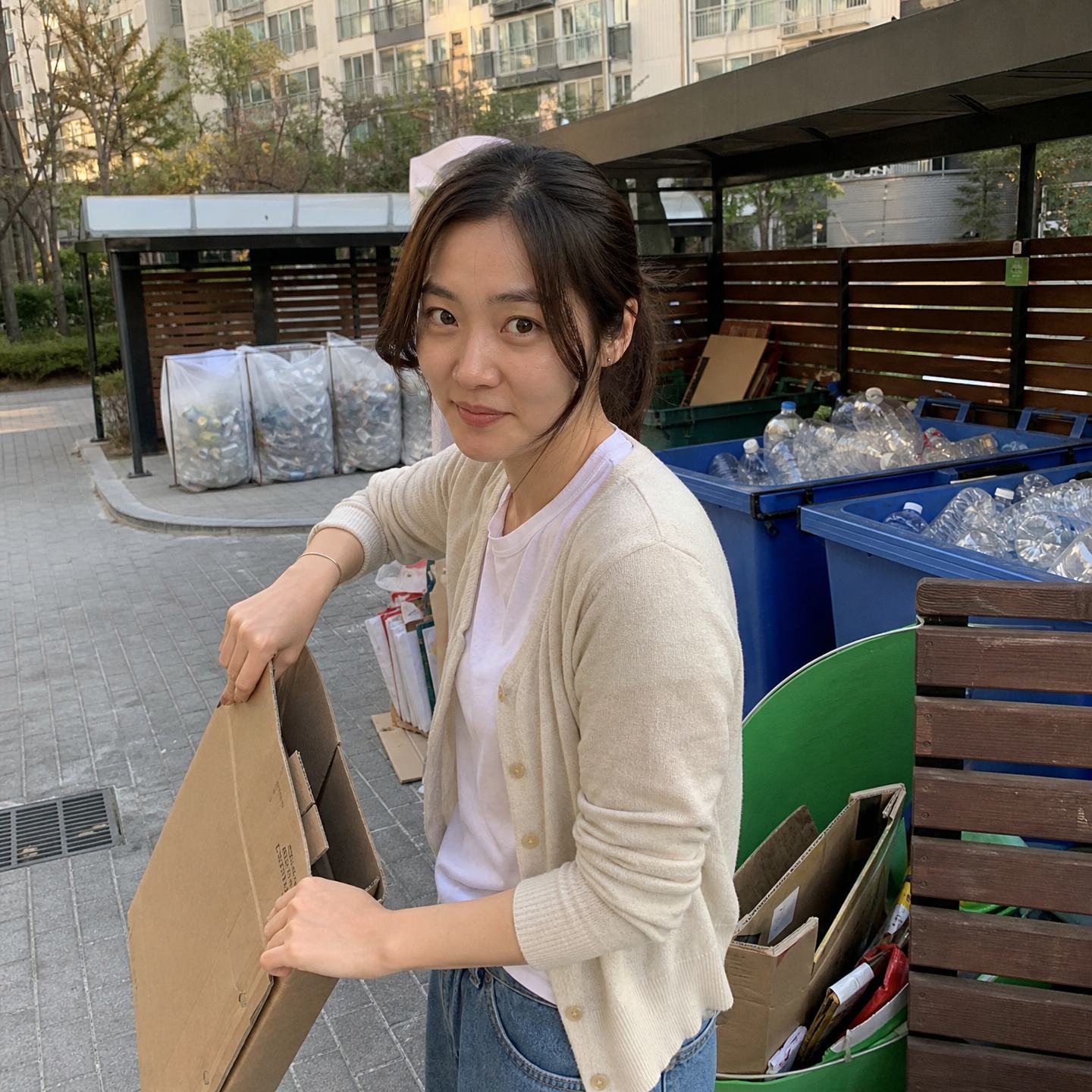
Recycling Day Candid Snap
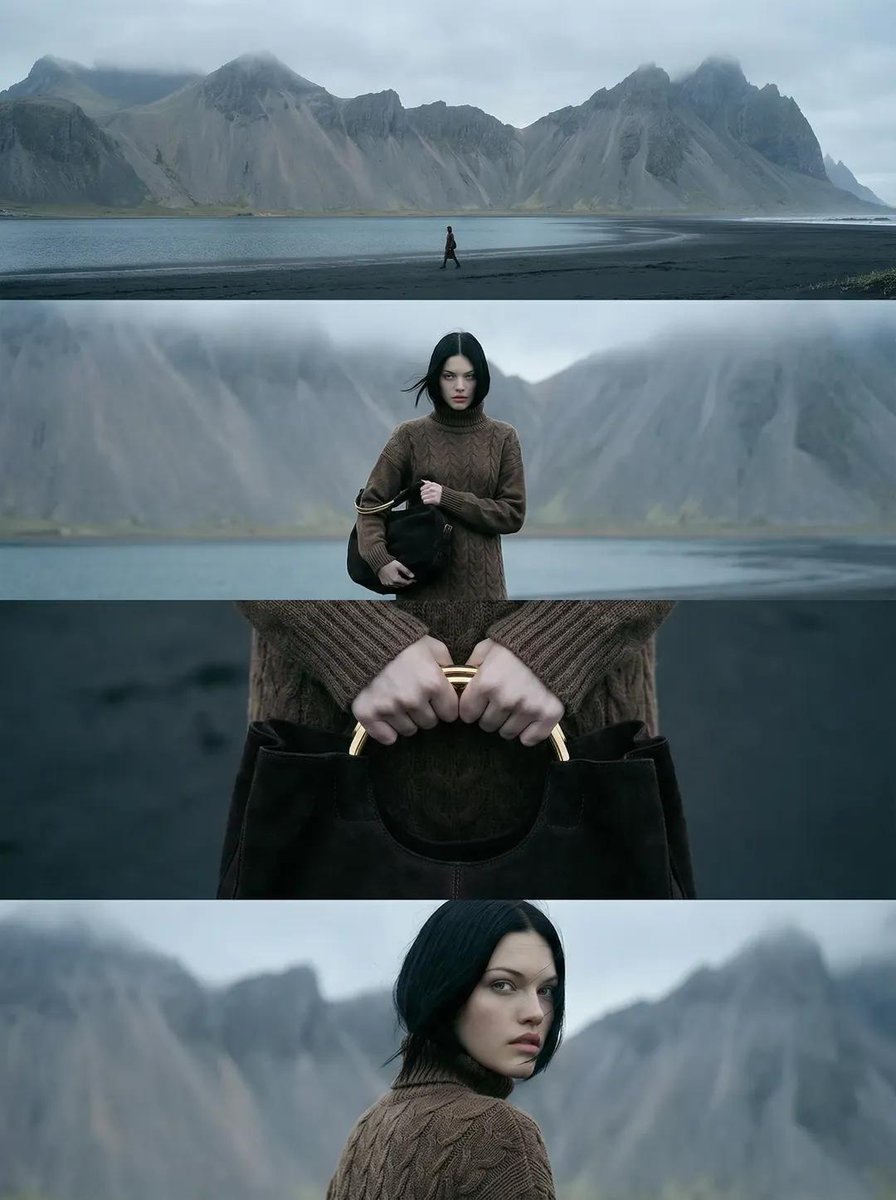
Nordic Coast 4-Frame Editorial
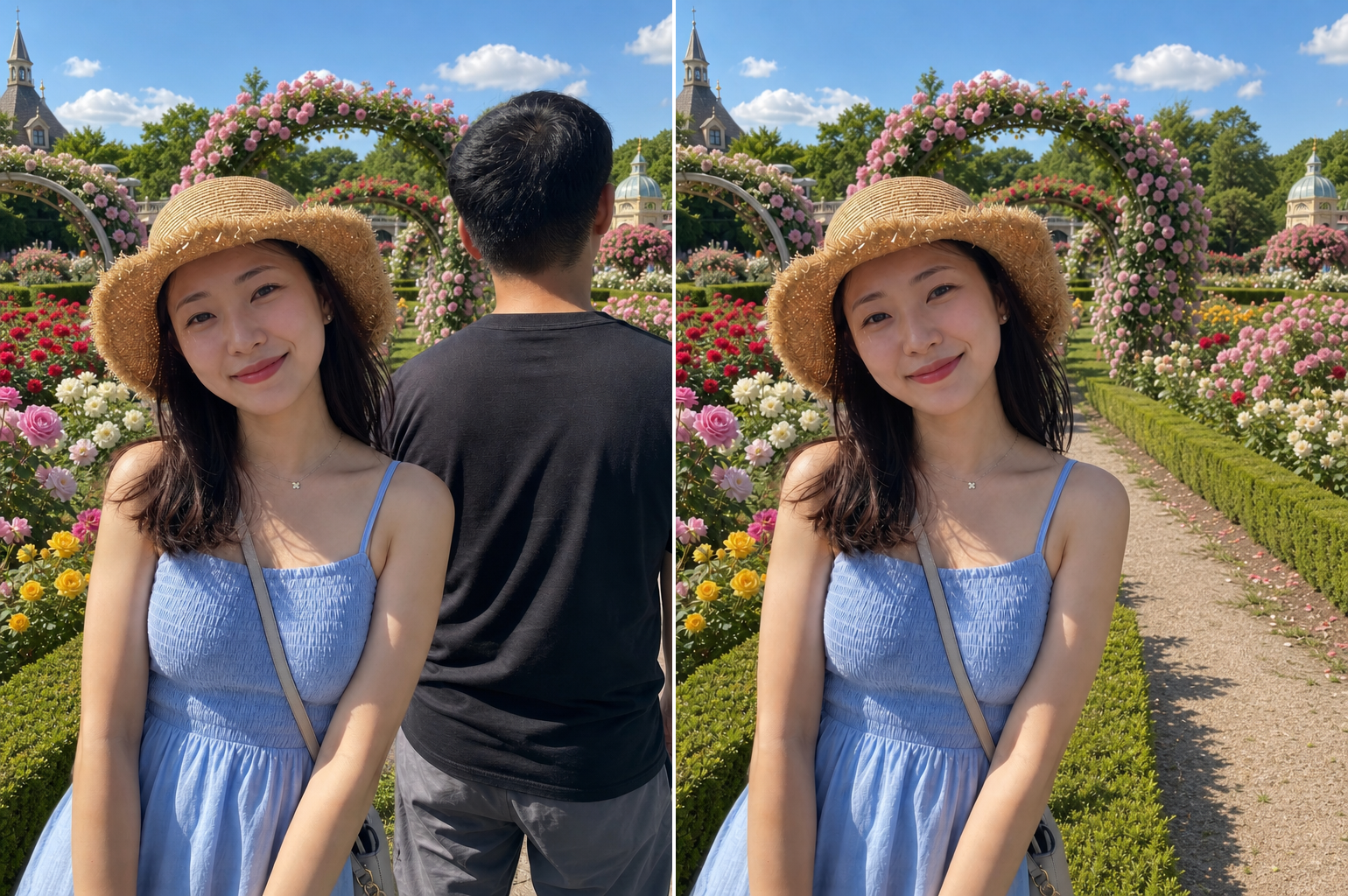
Background People Removal
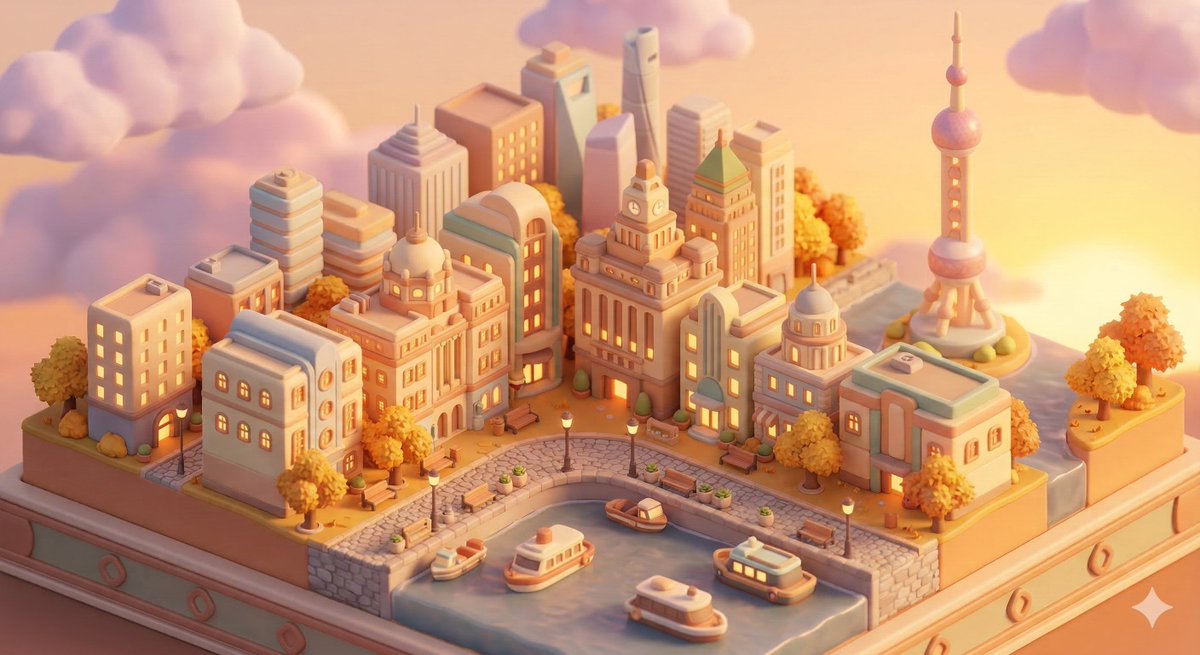
Cute 3D Street Diorama

Morning Mountain Ridge Photo
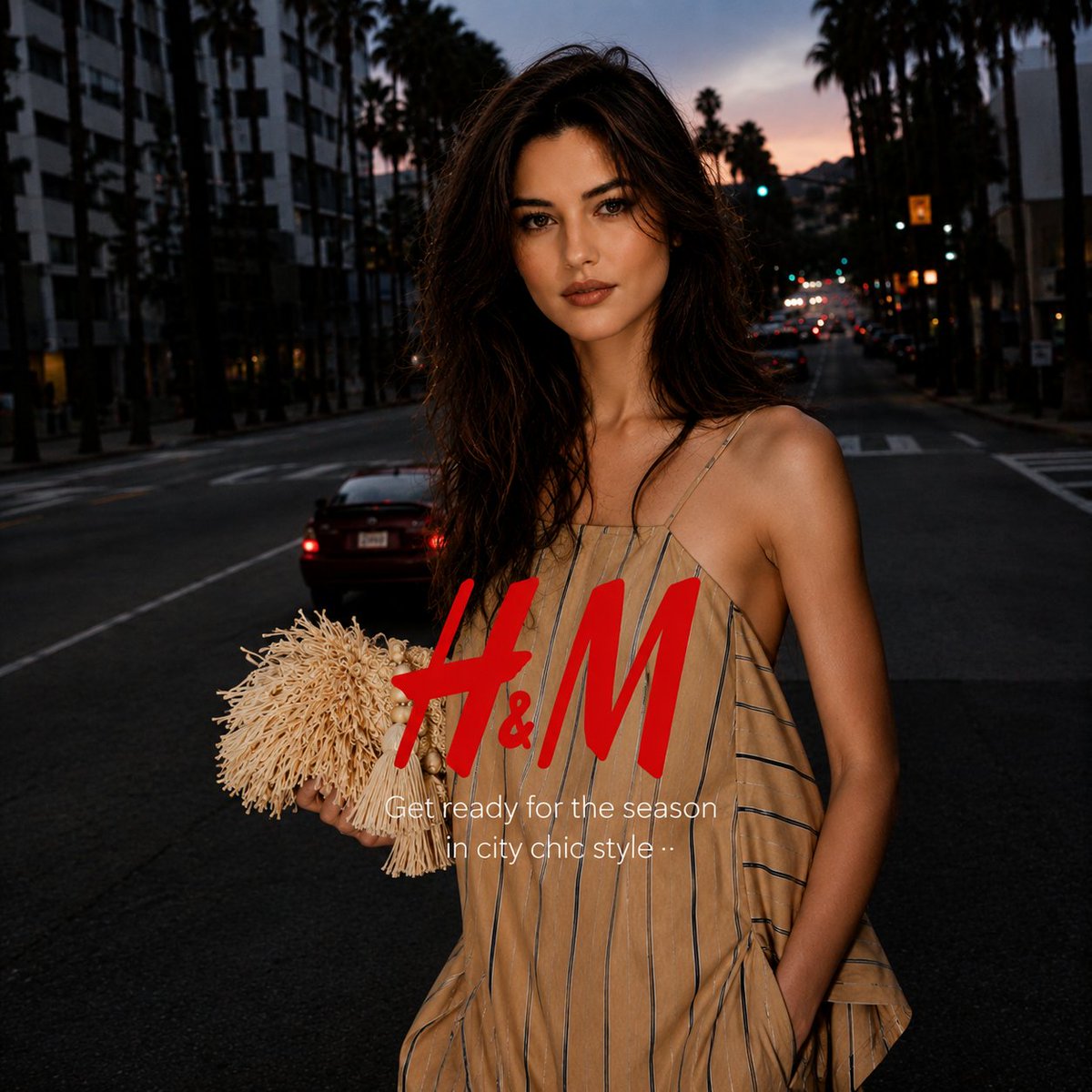
H&M City Street Fashion Campaign
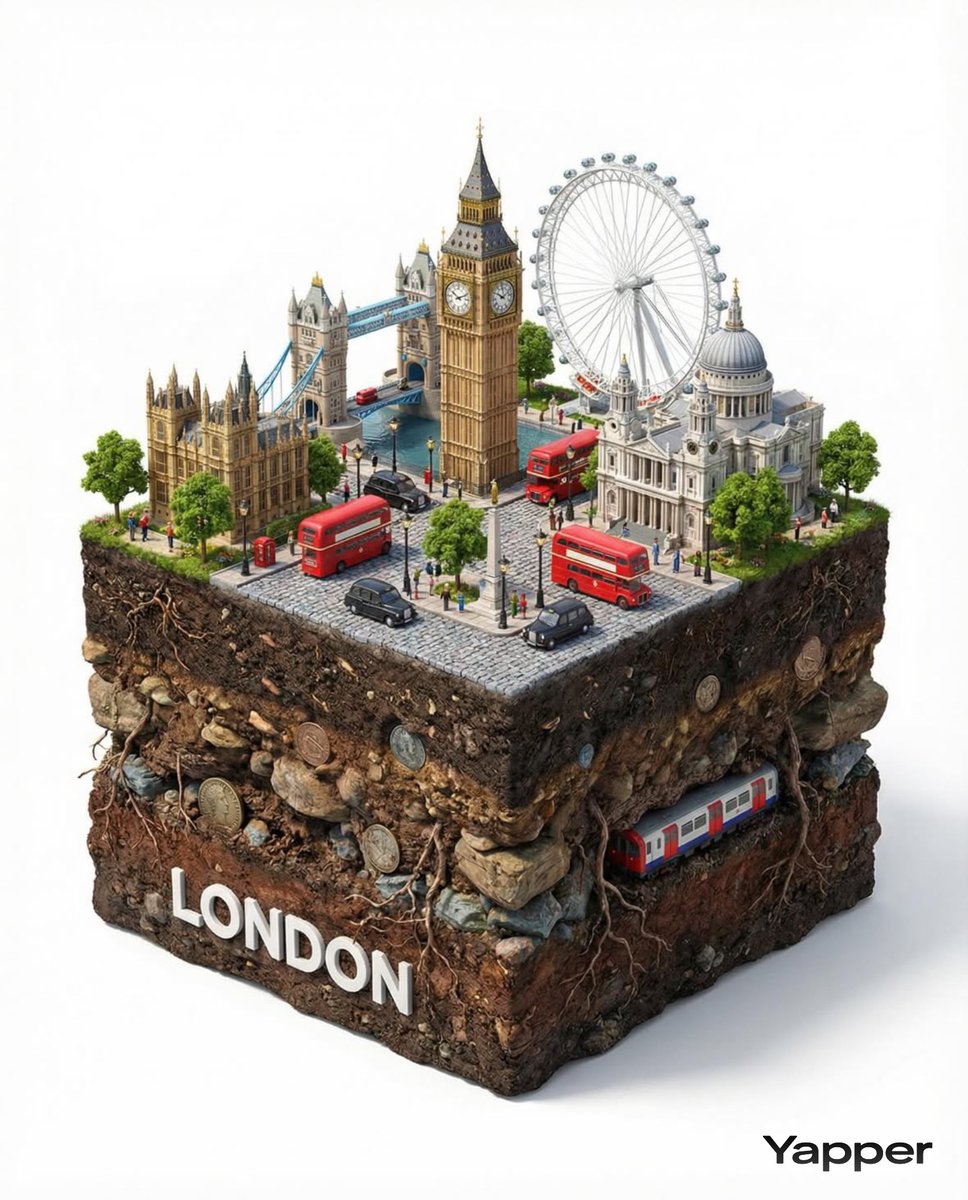
City Cross-Section 3D Diorama

Celestial Train Station in the Clouds
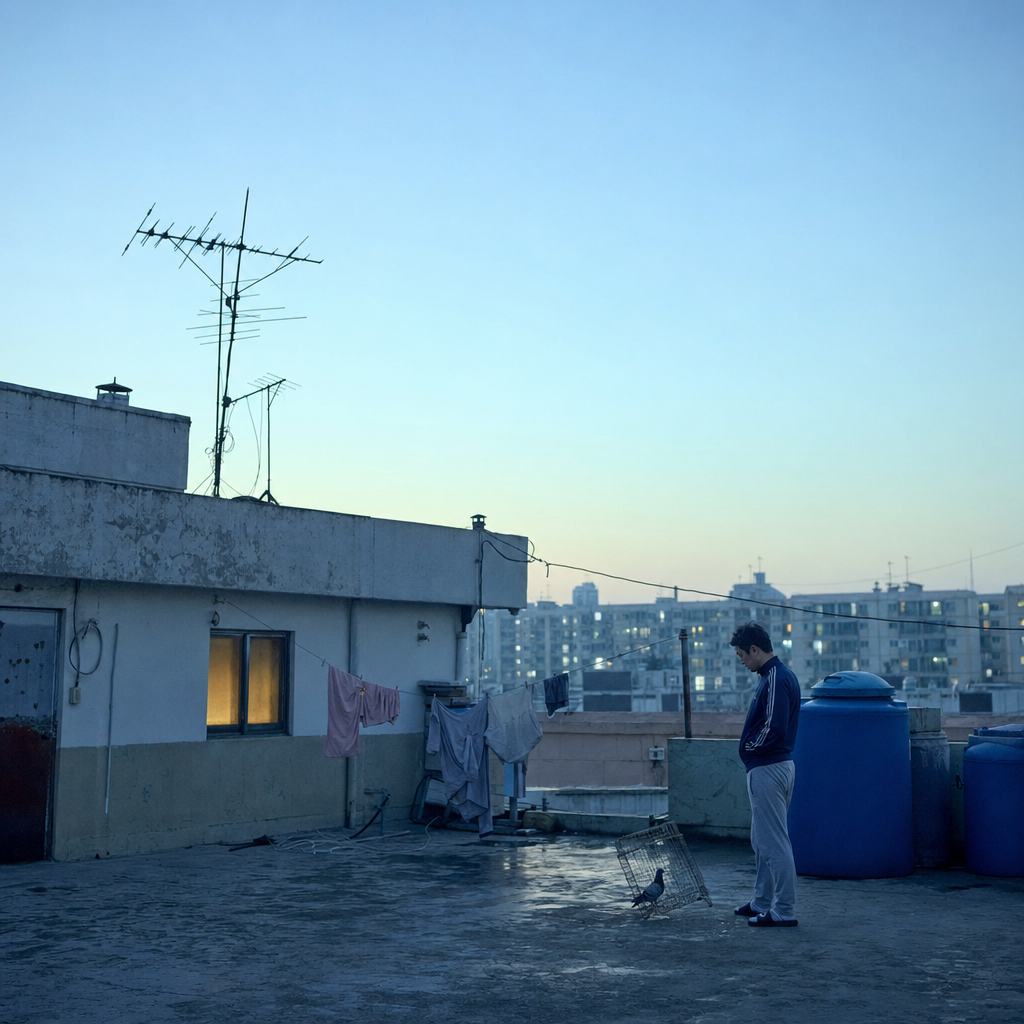
Rooftop Dawn Cinematic Shot
What Are Cape Illustration AI Prompts?
Cape Illustration AI Prompts are tailored sets of descriptive text designed to help artificial intelligence models visualize one of the most iconic pieces of character attire: the cape or cloak. These prompts focus on the physical properties of fabric, its interaction with light and movement, and its role in defining a character's silhouette. From the heavy, fur-lined cloaks of northern kings to the sleek, aerodynamic capes of modern superheroes, these prompts provide the linguistic tools to describe texture, color, length, and embellishments. By using these specific keywords on Carat, you can guide the AI to render intricate details like golden embroidery, weathered hems, or magical patterns that glow in the dark. A well-designed cape is more than just clothing; it is a narrative tool that conveys power, mystery, or nobility, and these prompts are the key to unlocking that visual potential in your AI-generated art. The way a cape drapes over shoulders or trails behind a sprinting character adds a layer of motion that is essential for dynamic storytelling.
Best Use Cases
The use of cape illustrations is extensive in the creative industries, particularly in character-driven storytelling. Game developers and concept artists use them to design costumes that stand out in a digital environment. For writers and webtoon creators, generating a clear visual of a protagonist’s cloak helps maintain consistency across different scenes and provides a strong reference for further illustration. These prompts are also perfect for creators of Tabletop RPG (TTRPG) materials, where unique item illustrations enhance the immersion for players. Marketing professionals might use majestic cape visuals in advertisements to symbolize protection, leadership, or 'super' performance. Even in fashion design, AI-generated cape concepts can serve as avant-garde inspiration for real-world runway pieces or theatrical costumes. Social media creators also use these stylized icons to decorate their profiles or create themed digital avatars that demand attention. A cape can be the defining feature that makes a character instantly recognizable and memorable.
Why This Tag Works
This tag is essential because capes are dynamic objects that require an understanding of fluid dynamics and fabric draping, which can be tricky for general AI prompts. The Cape Illustration tag works by aggregating terms that specify 'how' the cape should behave-whether it is fluttering in a gentle breeze, billowing during a dramatic landing, or hanging heavily in the rain. It provides a bridge between a vague idea and a specific visual style, ensuring that the AI doesn't just produce a flat sheet of color. By focusing on this specific garment, users can explore a vast range of sub-genres, from gritty realism to vibrant comic book styles, with high reliability. The tag ensures that every prompt is optimized to produce a centerpiece-quality garment that adds depth and drama to any character it accompanies. It helps the AI correctly interpret the relationship between the cape's weight and the surrounding wind conditions.
Explore Related Prompts
Prompt Building Tips
When building a prompt for a cape illustration, start by defining its 'vibe' through material choices like 'weathered leather', 'translucent silk', or 'heavy velvet'. The movement of the cape is your next priority; use phrases like 'billowing dramatically', 'trailing behind', or 'wrapped tightly around the shoulders'. Lighting can make or break the texture, so consider adding 'specular highlights' or 'soft moonlight' to show off the folds in the fabric. Don't forget the hardware-mentions of 'ornate brooches', 'silver clasps', or 'hooded attachment' add a layer of realism and personality. If you want a fantasy effect, try keywords like 'ethereal glow', 'starry inner lining', or 'floating hem'. Finally, specify the art style-such as 'ink wash', 'digital painting', or '3D octane render'-to ensure the final output matches your project's overall aesthetic. These layers of detail transform a simple accessory into a powerful symbol of your character's journey. You might also want to describe the 'inner lining' color, as a contrasting color inside the cape can create a stunning visual pop when it caught by the wind.