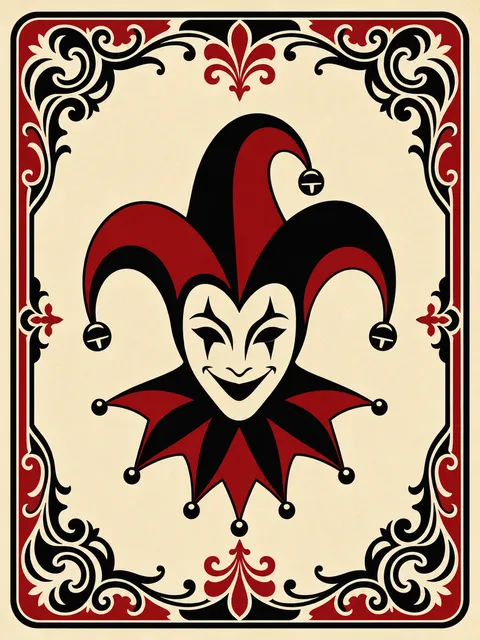
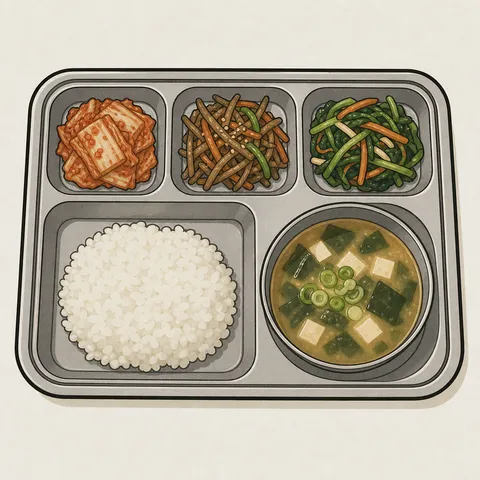
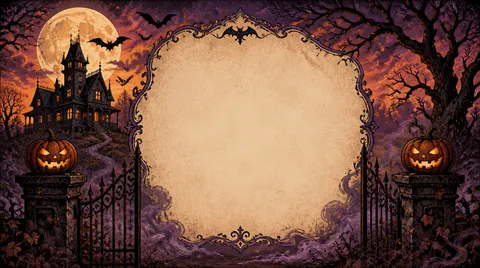
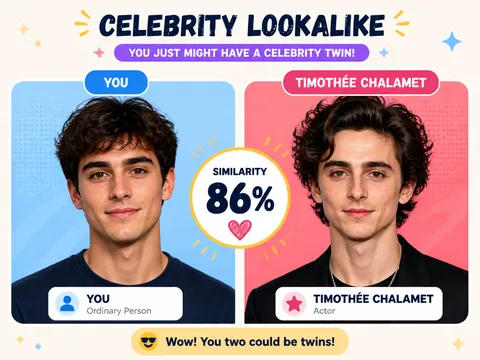
문구와 이미지를 목적에 맞는 카드 디자인으로 구성하는 카드 템플릿 AI 프롬프트입니다.
2026.07.17
「카드 템플릿」 원하는 대로 직접 만들어보세요「카드 템플릿」 직접 만들어보세요
대화로 요청만 하면 최적화된 이미지·영상을 만들어줘요

매일 무료 100크레딧으로 바로 시작
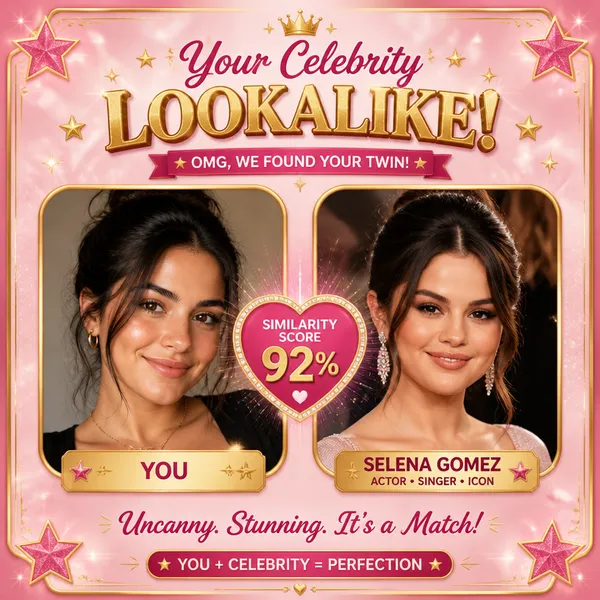
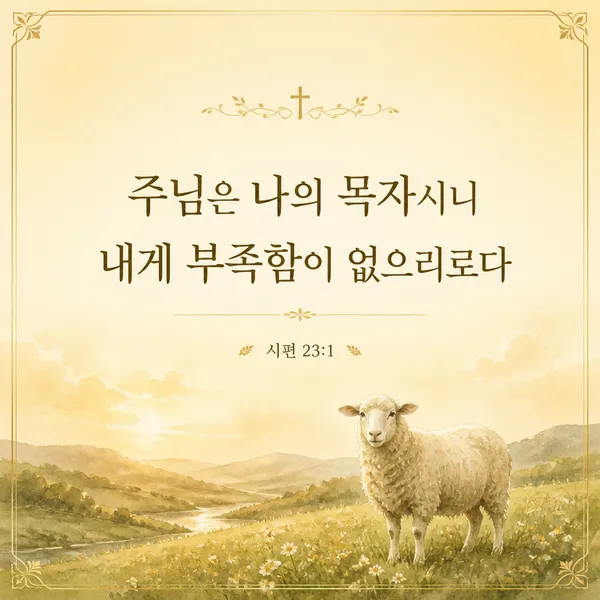
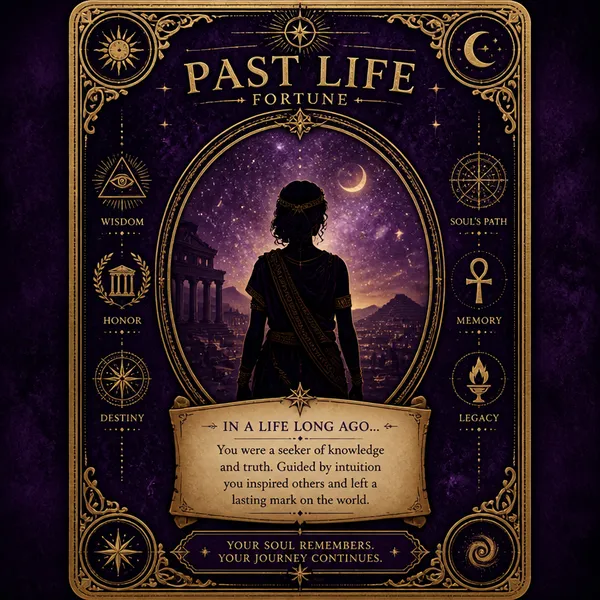
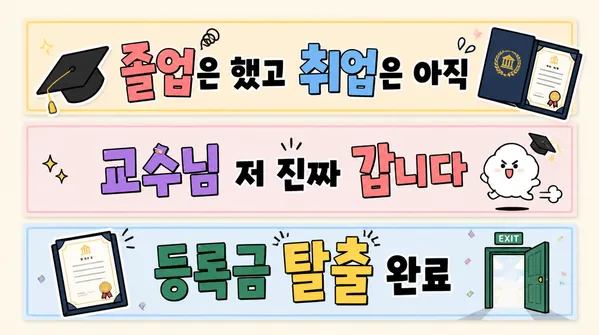

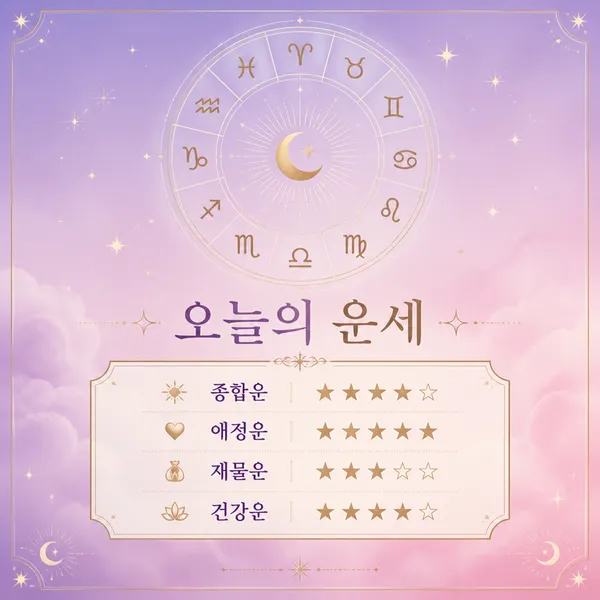
카드 템플릿 AI 프롬프트는 짧은 문구와 이미지를 일정한 레이아웃 안에 배치해 SNS 게시물, 안내 카드, 축하 메시지, 이벤트 콘텐츠를 만드는 데 쓰입니다. 카드의 목적과 대상, 제목의 위치, 이미지 비율, 색상, 여백을 함께 지정하면 매번 처음부터 디자인하지 않아도 일관된 결과를 얻을 수 있습니다. 이미 만들어 둔 구조에서 문구와 사진만 바꾸면 응원 카드, 행사 공지, 생일 메시지, 제품 안내 등 다양한 콘텐츠로 확장할 수 있습니다.
카드 한 장에는 하나의 메시지만 담는 것이 좋습니다. 제목, 보조 문장, 행동 유도 문구의 순서를 정하고 글자 크기와 여백을 다르게 배치하세요. 밝은 배경에 어두운 글자를 쓰거나 중요한 문구에 대비되는 색을 사용하면 작은 화면에서도 읽기 쉽습니다. 반복해서 사용할 템플릿이라면 사진이 들어갈 영역과 문구가 들어갈 영역을 고정하고, 긴 문장에 대비한 줄 수와 안전 여백도 미리 정해 두세요.
카드의 용도, 플랫폼, 비율, 분위기, 핵심 문구, 색상, 이미지 위치를 한 번에 적습니다. 예를 들어 따뜻한 응원 카드인지, 귀여운 축하 카드인지, 차분한 공지 카드인지 톤을 먼저 정하면 장식 요소를 고르기 쉽습니다. 텍스트가 중요할수록 짧은 문구를 사용하고, 생성 후에는 날짜와 고유명사를 직접 확인하세요. 같은 프롬프트에서 색상과 문구만 바꾸면 시리즈 콘텐츠를 빠르게 만들 수 있습니다.
모바일 미리보기에서 제목이 한눈에 들어오는지, 가장자리에서 글자가 잘리지 않는지 확인하세요. 인물이나 제품 사진을 쓸 때는 사용 권한과 브랜드 가이드도 점검해야 합니다. 카드 템플릿은 목적에 맞는 반복 구조가 장점이므로 장식보다 정보의 우선순위와 읽는 흐름을 먼저 설계하는 것이 좋습니다. 결과물을 여러 버전으로 비교하고, 실제 게시 환경에서 가장 선명한 파일을 선택하세요.