Eyewear Design
Generate innovative eyewear and sunglass designs using professional AI prompts tailored for fashion industry.
2026.07.03
把「Eyewear Design」做成你想要的样子做一个你自己的「Eyewear Design」
用大白话说出来就行——Carat 会为你生成合适的图片和视频。

每天 100 免费积分,现在就开始

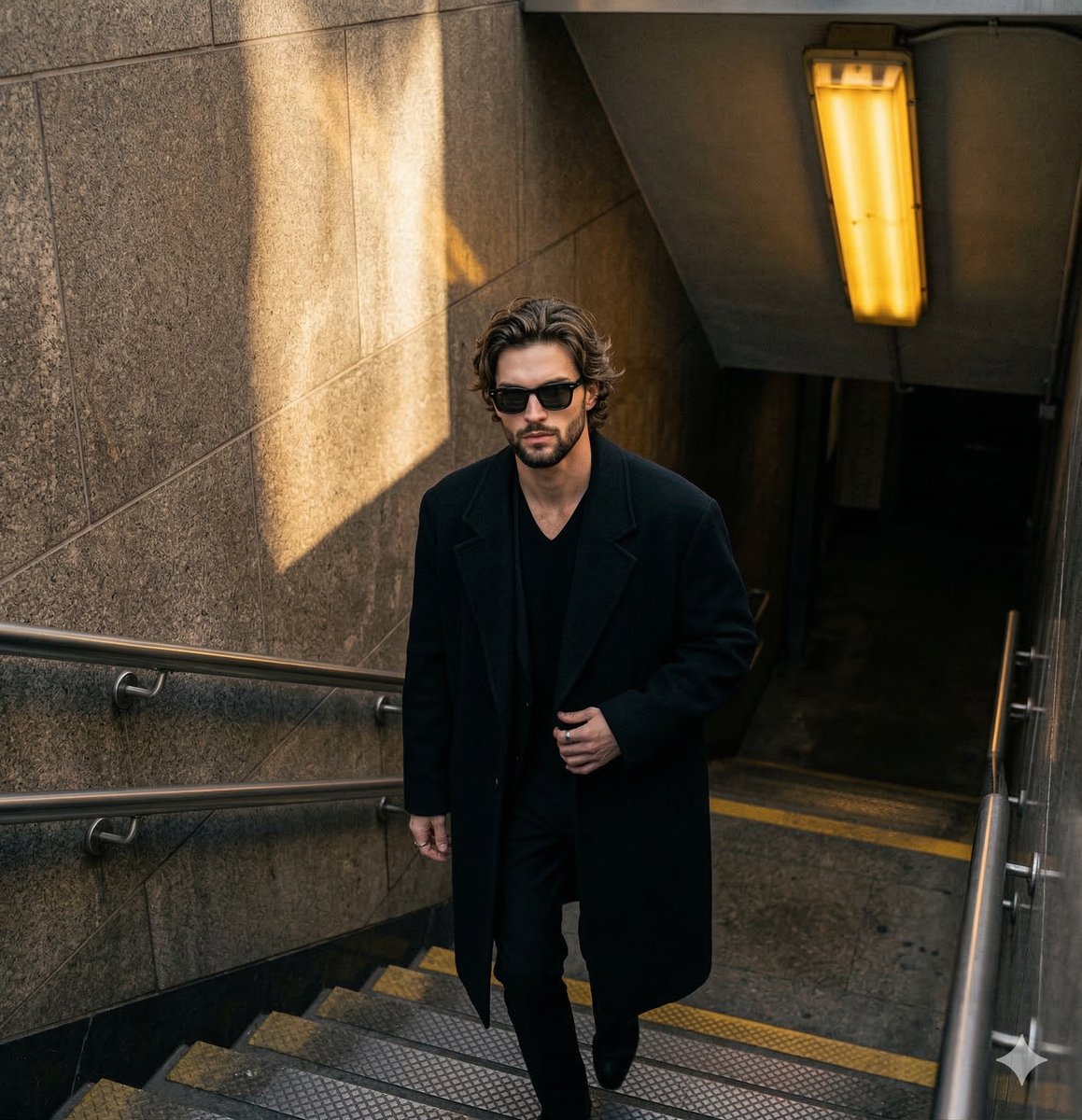
Men’s Editorial Photography
Editorial Photography Style
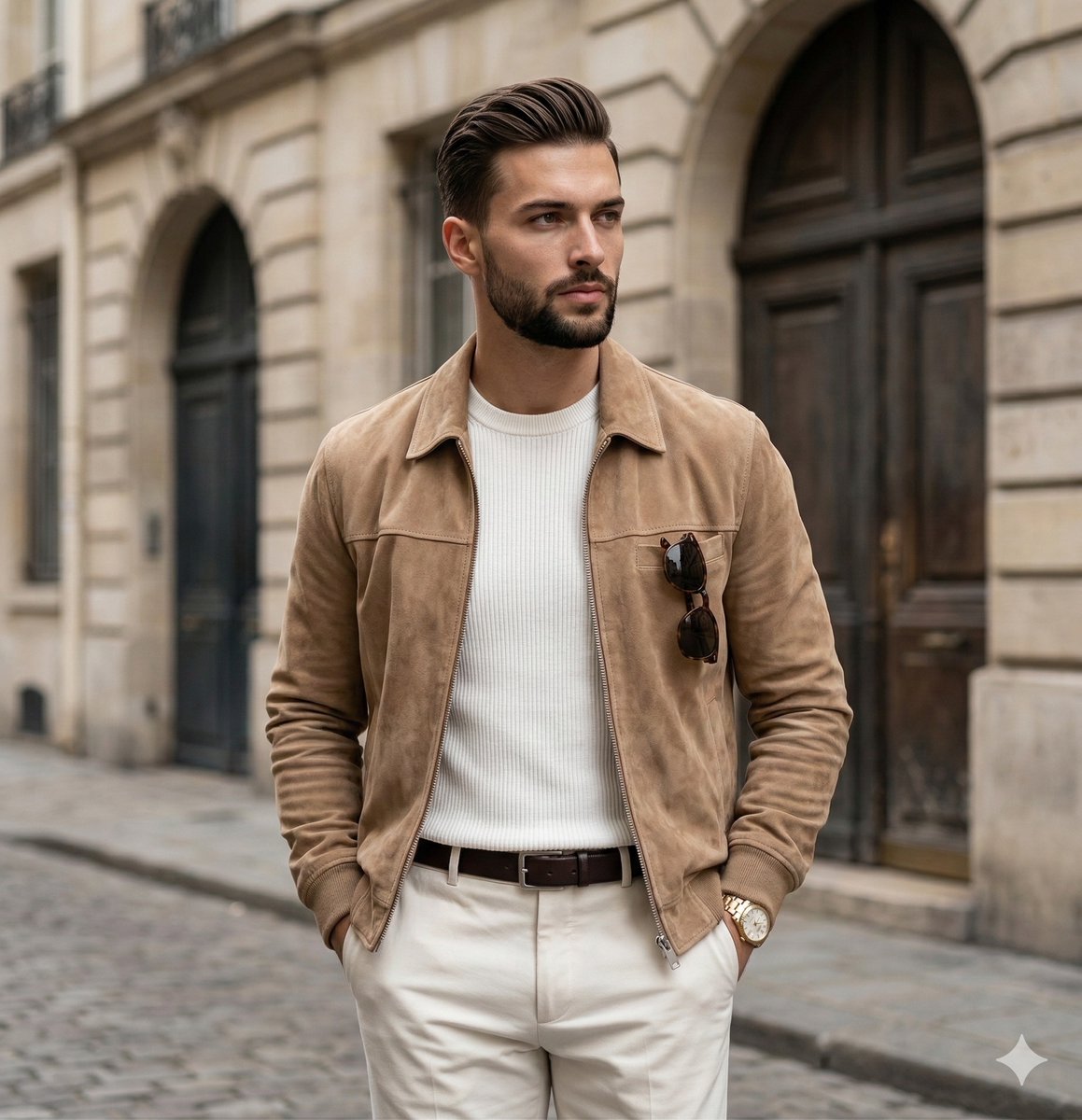
Center Composition Editorial
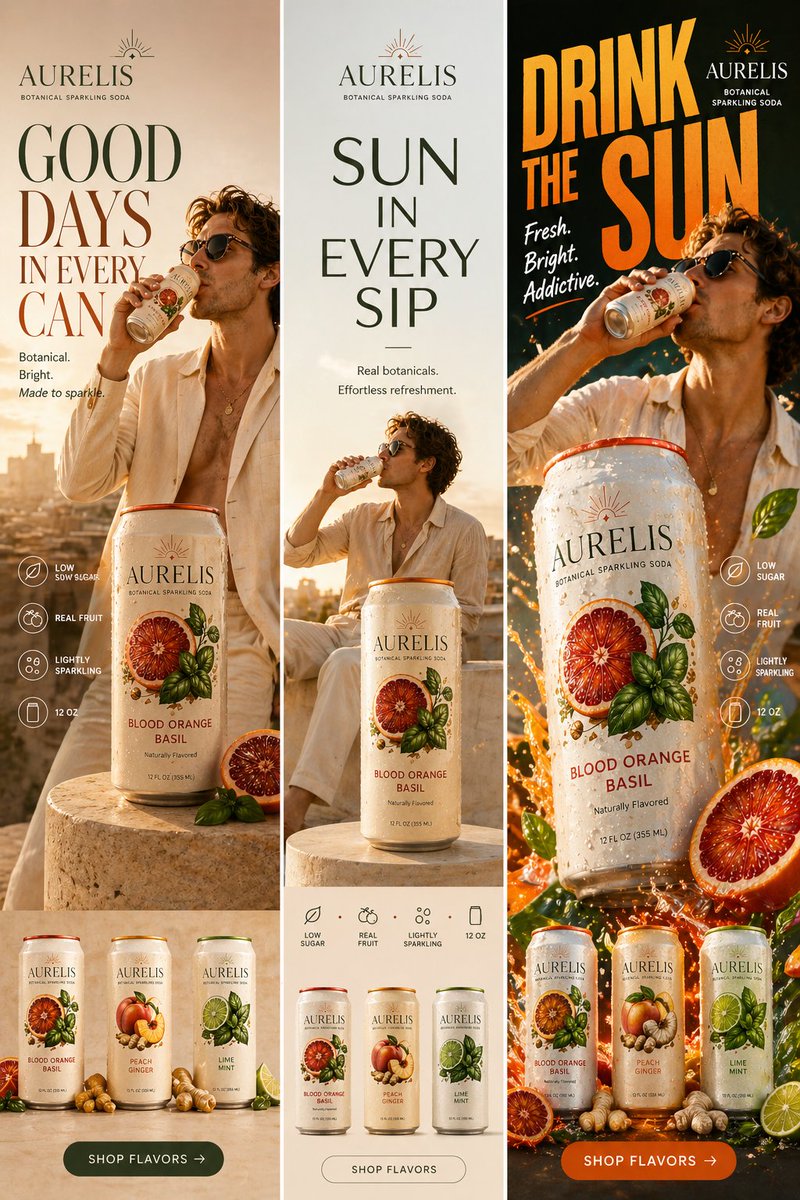
Stylish Young Woman
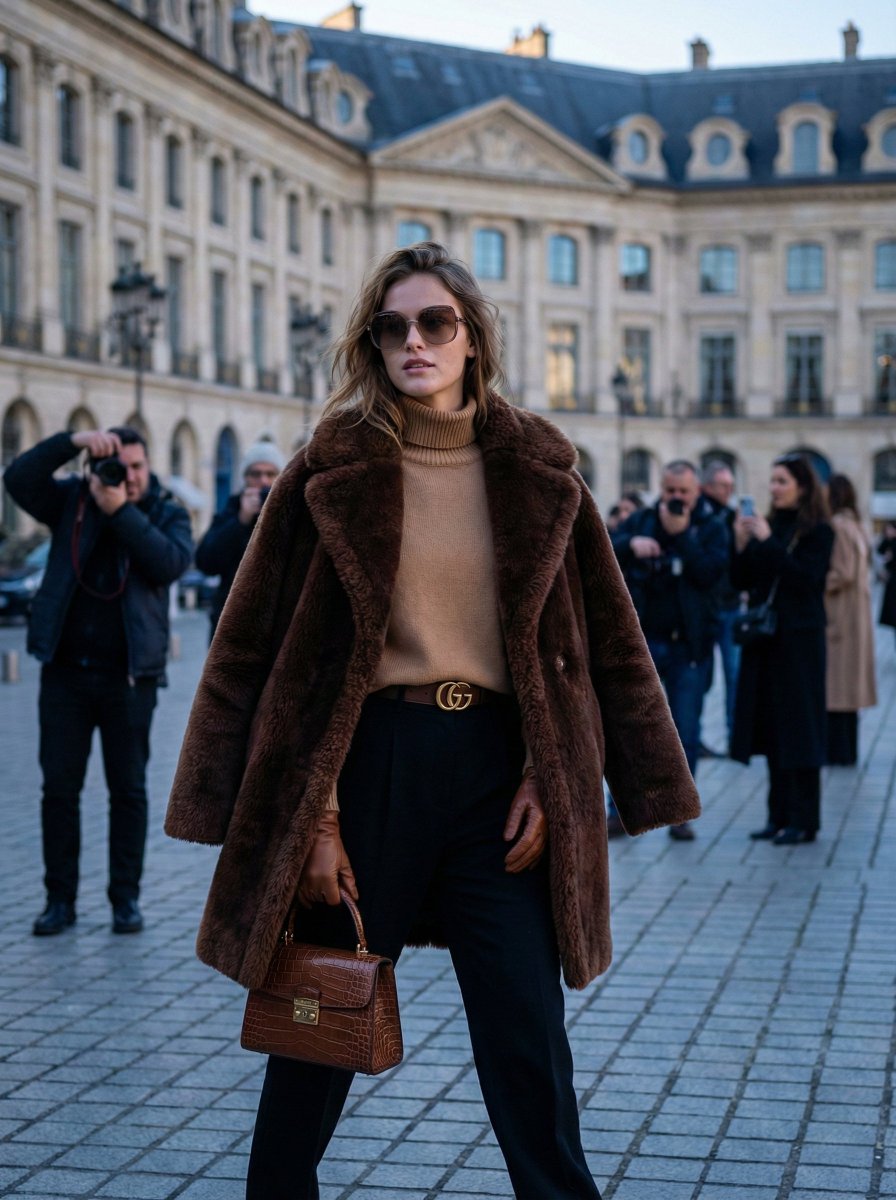
Parisian Street Style Fashion Photo
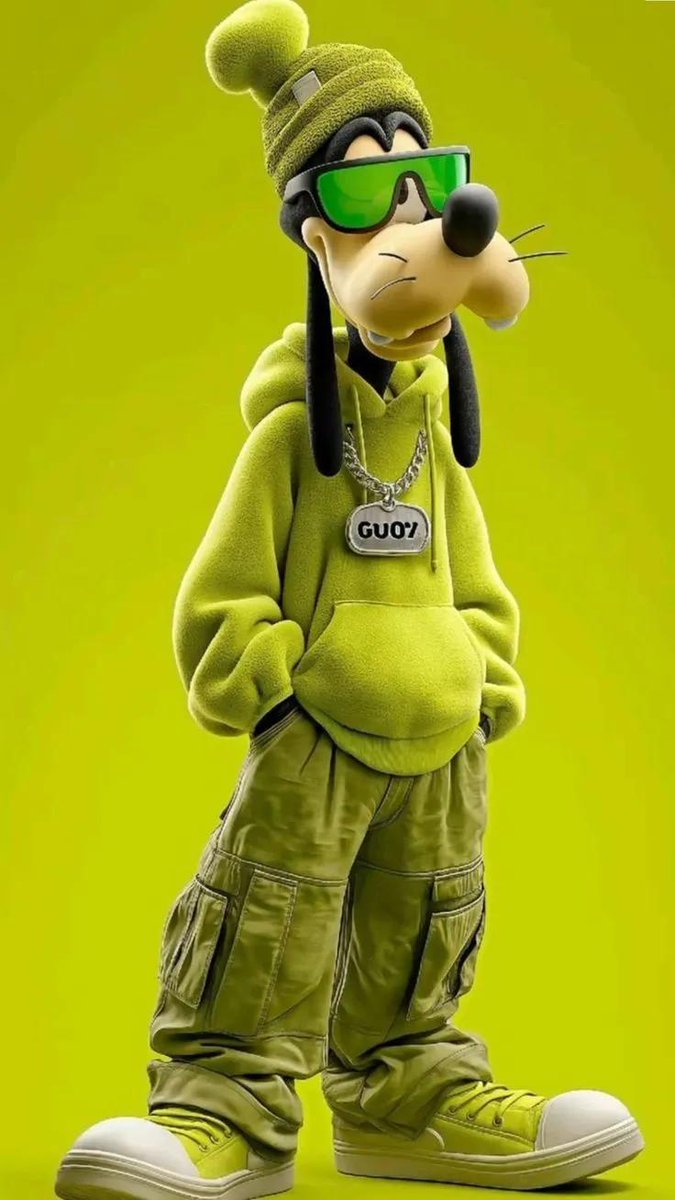
Streetwear Dog Character
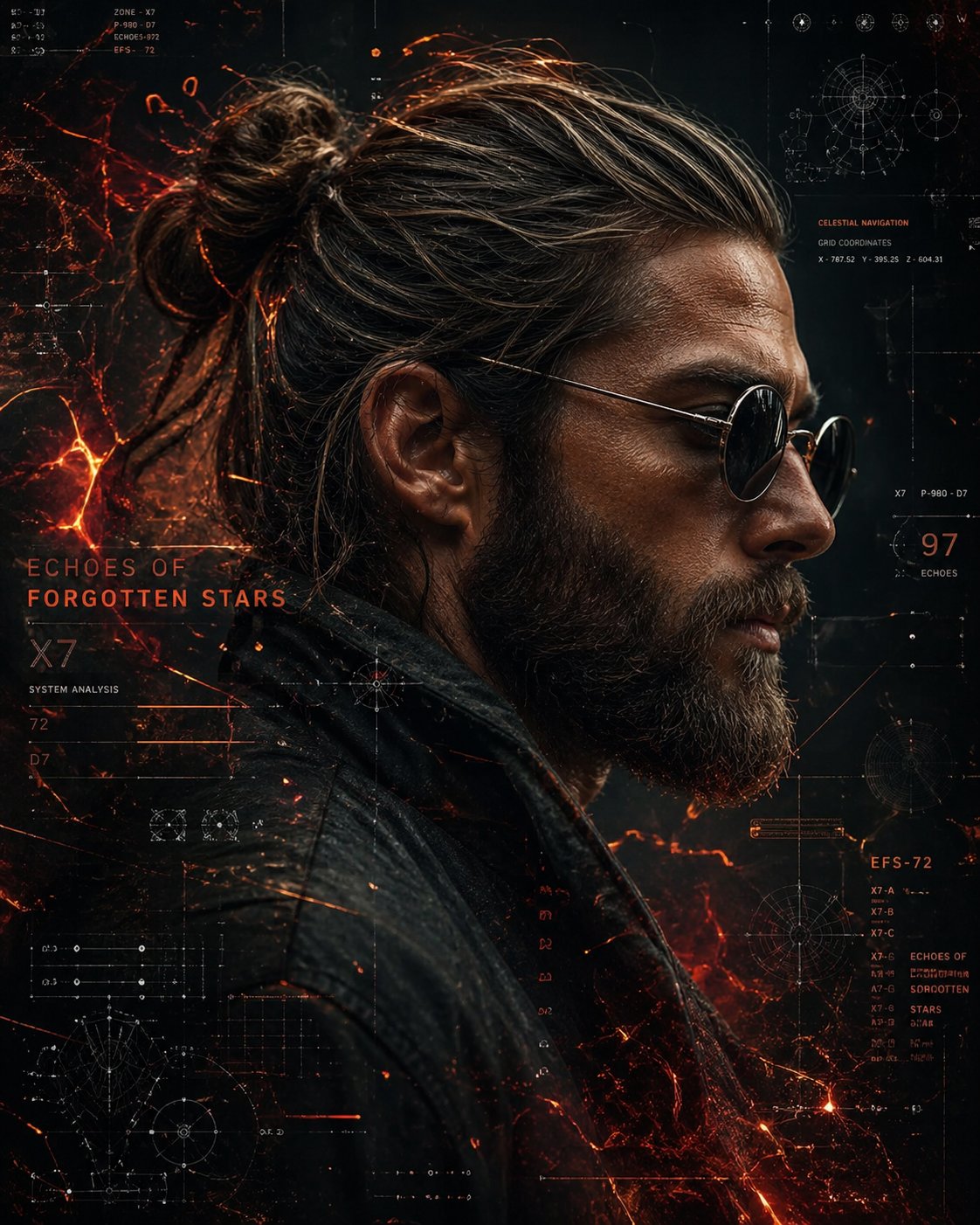
Cinematic Side-profile Portrait of a Rugged Man
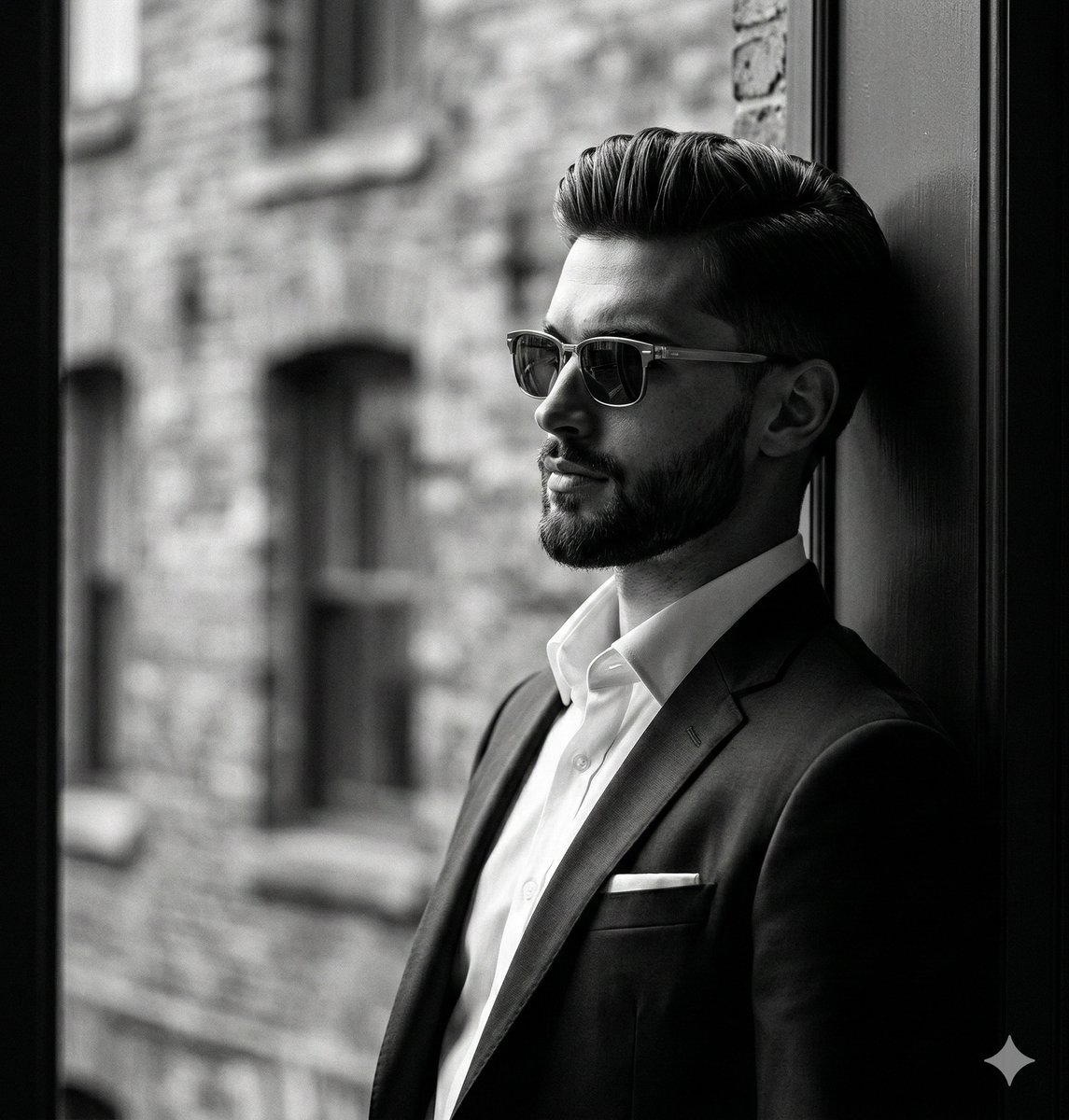
Layered Editorial Photography
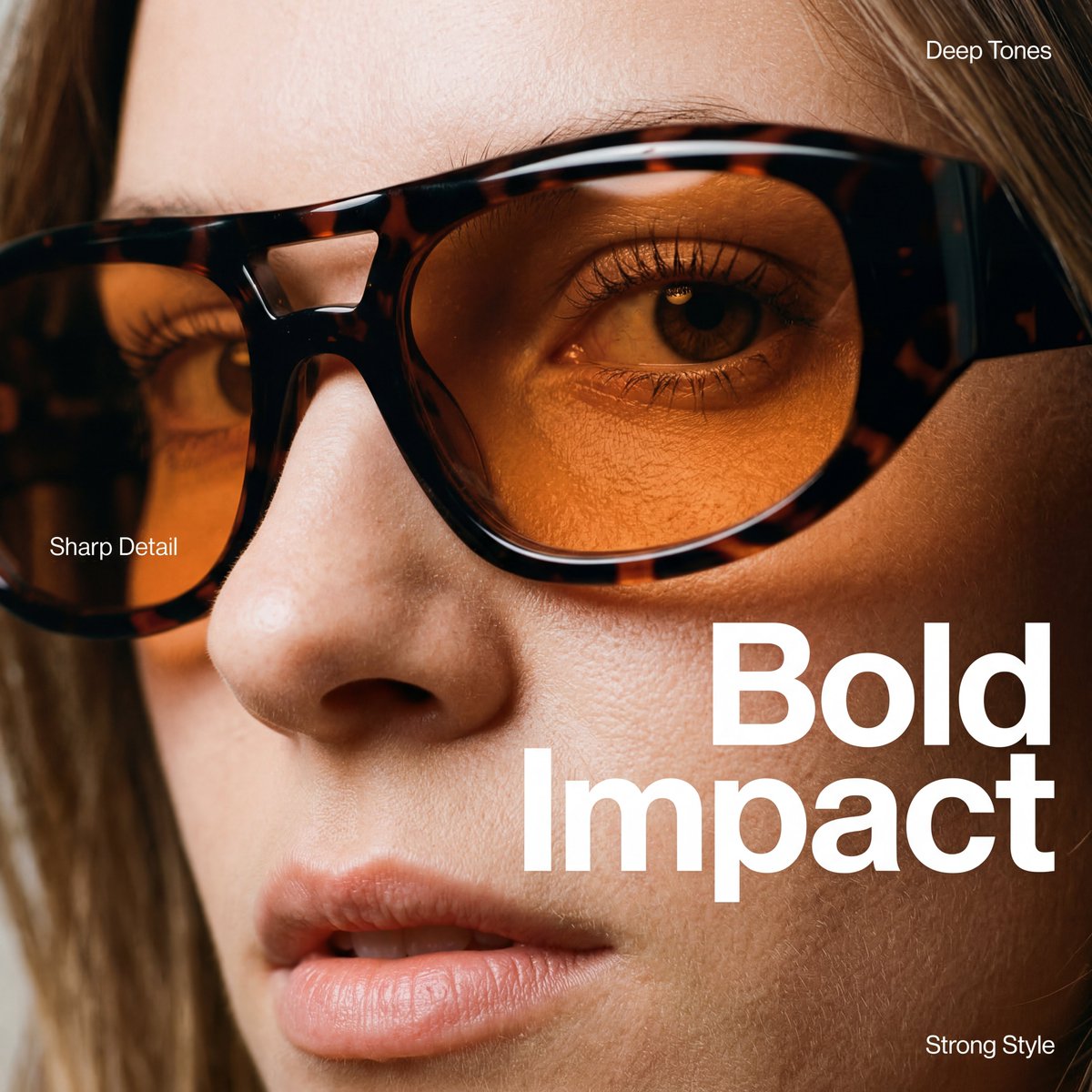
Amber Sunglasses Close-Up Portrait
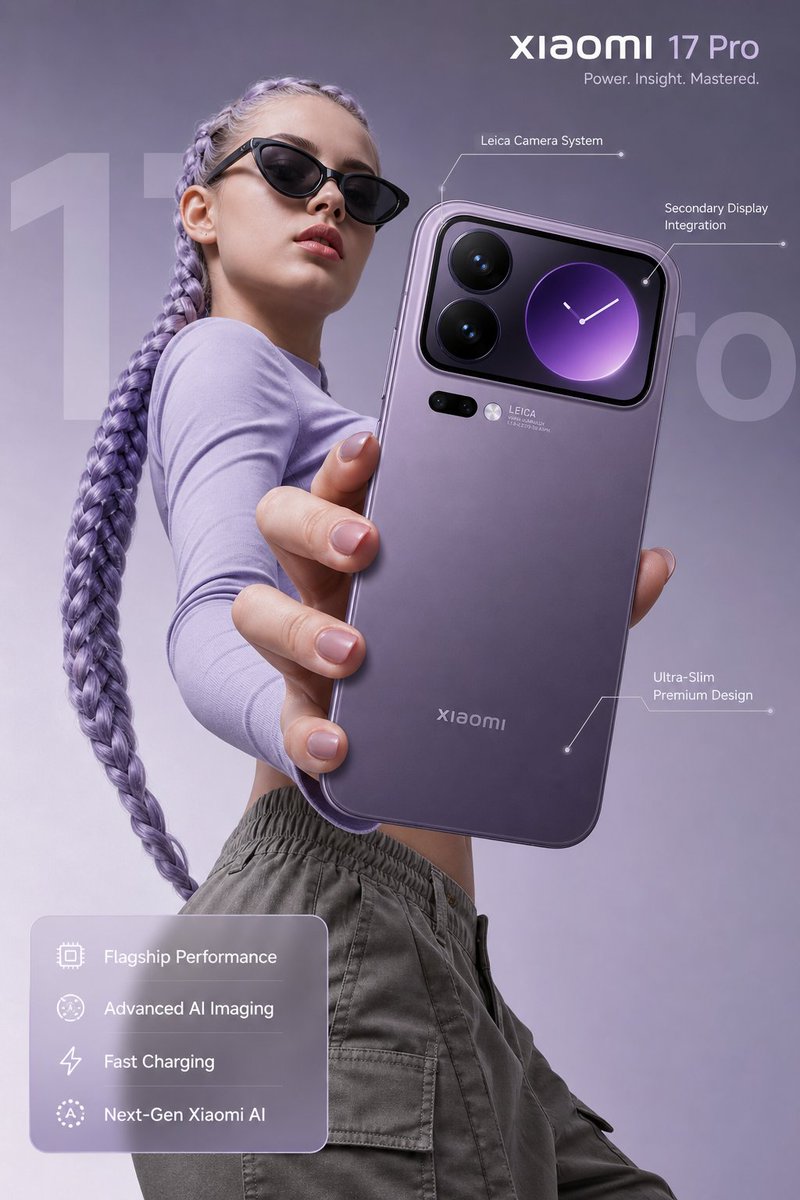
Purple Smartphone Fashion Ad
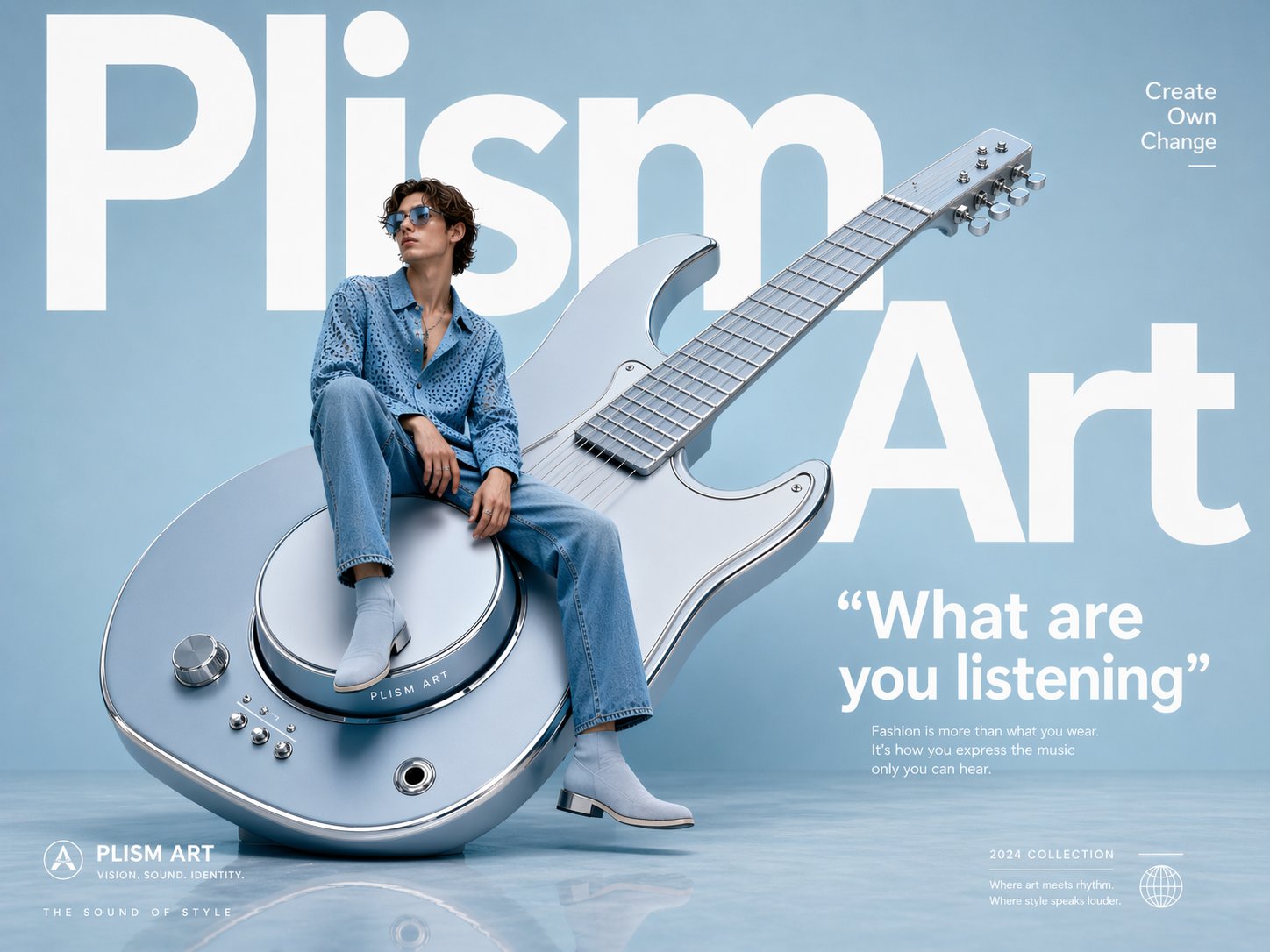
Avant-Garde Guitar Sculpture Fashion Ad

Orange Sunglasses Vogue Portrait
What are Eyewear Design AI Prompts?
Eyewear Design AI prompts are precise linguistic instructions used to generate visual concepts for glasses, sunglasses, and optical frames through artificial intelligence. These prompts act as a bridge between a designer's creative vision and high-definition imagery, covering every detail from the curvature of the bridge to the transparency of the acetate and the specific tint of the lenses. In an industry where fashion meets ergonomics, AI prompts allow for rapid visualization of new styles, enabling designers to explore thousands of iterations without the need for physical prototypes. Whether it is a vintage-inspired horn-rimmed frame or a futuristic titanium shield, AI provides a platform for limitless creative exploration in eyewear aesthetics. The process integrates advanced rendering techniques to ensure that the final images possess a level of realism suitable for high-end fashion branding and product development.
Key Usage Scenarios
- Brainstorming iconic frame shapes for emerging eyewear start-ups and established fashion houses during the initial creative phase.
- Simulating various lens coatings and color gradients to find the perfect aesthetic for a seasonal collection without manual painting.
- Creating high-quality virtual fitting assets for e-commerce websites and augmented reality shopping apps to enhance customer engagement.
- Designing avant-garde or conceptual eyewear for films, video games, and digital fashion shows that push the boundaries of reality.
- Generating promotional visuals and social media content that showcase glasses in diverse lifestyle environments to reach global audiences.
Why This Tag is Useful
Eyewear is a unique fashion accessory that requires a perfect balance of symmetry, proportion, and material science. This tag is highly valuable because it provides structured prompts that understand these nuances. It helps users define complex materials like cellulose acetate, stainless steel, and polarized polycarbonate with high fidelity. For designers, this means being able to see how light passes through a semi-transparent frame or how a matte finish looks on a metallic surface before any manufacturing begins. This significantly lowers the barrier to entry for innovative design, as the cost of making physical eyewear samples is often quite high and time-consuming. By virtualizing this step, brands can reduce their carbon footprint and optimize their production pipeline.
Furthermore, these prompts are optimized to handle the challenges of facial proportions. Generating eyewear on a human face can be tricky for AI, but our curated prompts include instructions for proper alignment with facial features, ensuring the glasses sit naturally on the bridge of the nose and behind the ears. This level of detail is crucial for creating believable marketing materials and lookbooks. By using this tag, creators can focus on the artistic direction such as choosing between a bold 1970s oversized look or a sleek 2020s minimalist design while the AI handles the complex rendering of reflections and textures. The tag also provides specialized terminology for bridge styles like 'keyhole' or 'saddle' and temple designs like 'tapered' or 'bayonet', allowing for professional-level customization.
For businesses, the eyewear design tag offers a competitive edge in market research. You can generate images of potential products and test their popularity on social media platforms before deciding which designs to put into production. It also allows for the creation of inclusive marketing assets by easily specifying different ethnicities, facial shapes, and age groups for the AI-generated models wearing the eyewear. This versatility makes it an indispensable tool for modern eyewear branding and product development cycles. The ability to visualize the product from multiple angles including front, side, and three-quarter views ensures a comprehensive understanding of the frame's geometry, which is vital for technical feasibility assessments.
See More Related Prompts
Tips for Prompt Construction
- Define the Frame Silhouette: Use standard industry terms such as aviator, cat-eye, wayfarer, or geometric shapes to establish the core structure of the design.
- Specify Material and Texture: Go beyond just 'plastic' or 'metal'. Use descriptions like hand-polished acetate, brushed matte titanium, or recycled ocean plastic to give the AI a clear material reference.
- Detail the Lens Properties: Describe the lens color, gradient levels, and coating. For example, 'rose-colored gradient lenses with gold mirror coating' provides a very specific and high-end visual target.
- Describe the Environment and Lighting: To achieve a professional look, specify the photography style, such as 'soft studio portrait lighting' or 'sunny outdoor lifestyle shot', and describe any reflections on the lenses for added realism.
Great eyewear design is about the details that are often invisible at first glance. By incorporating specific technical terms for the hinges, temples, and bridge, you can guide the AI to create designs that are not only beautiful but also look structurally sound and ready for the runway. Always consider the interplay of shadows between the frame and the face to ensure the maximum level of depth and realism in your generated images.