Lock Design
Explore AI prompts for high-security locks, safes, and digital encryption visuals.
2026.07.04
Mach „Lock Design“ genau so, wie du es willstErstell dein eigenes „Lock Design“
Sag es einfach in deinen Worten – Carat generiert passende Bilder und Videos für dich.

Starte jetzt mit 100 kostenlosen Credits pro Tag
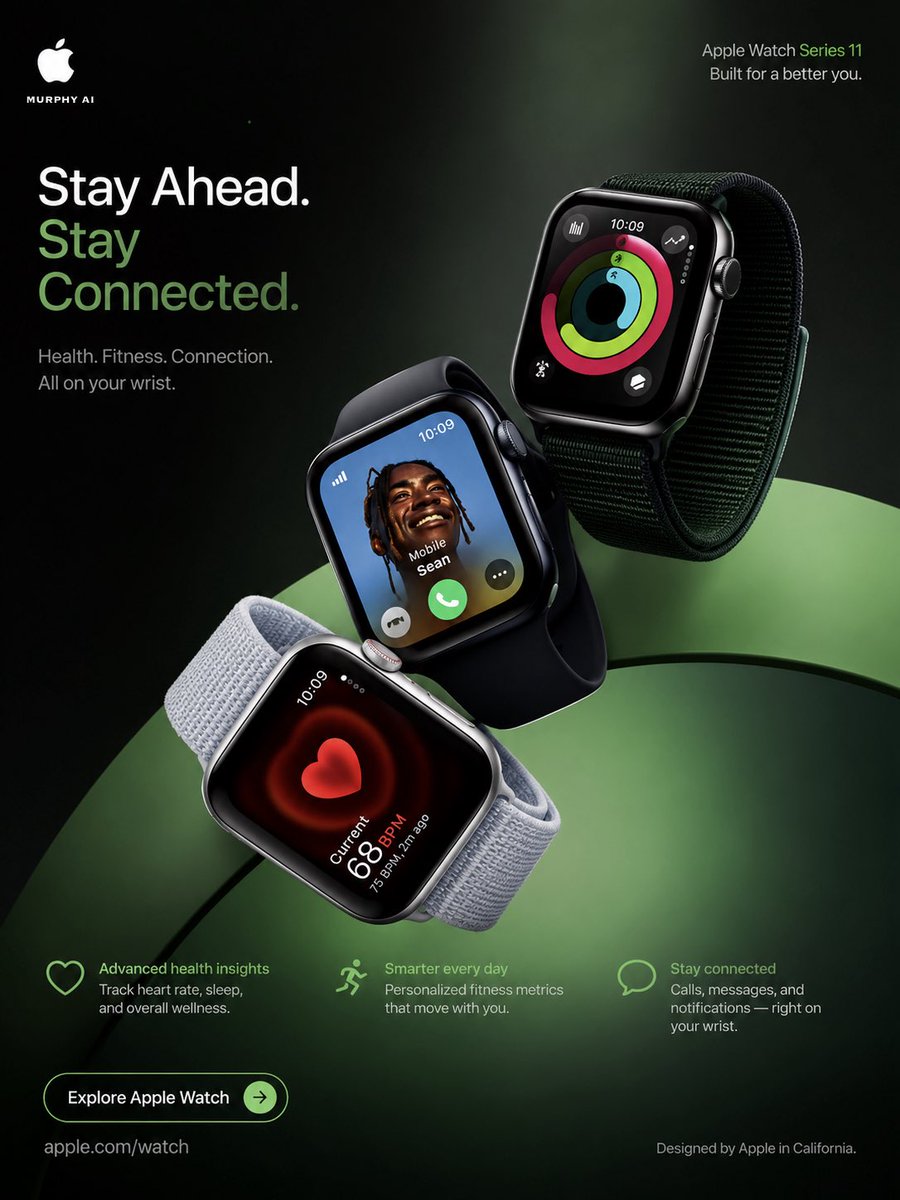
Apple Watch Series 11 Luxury Poster
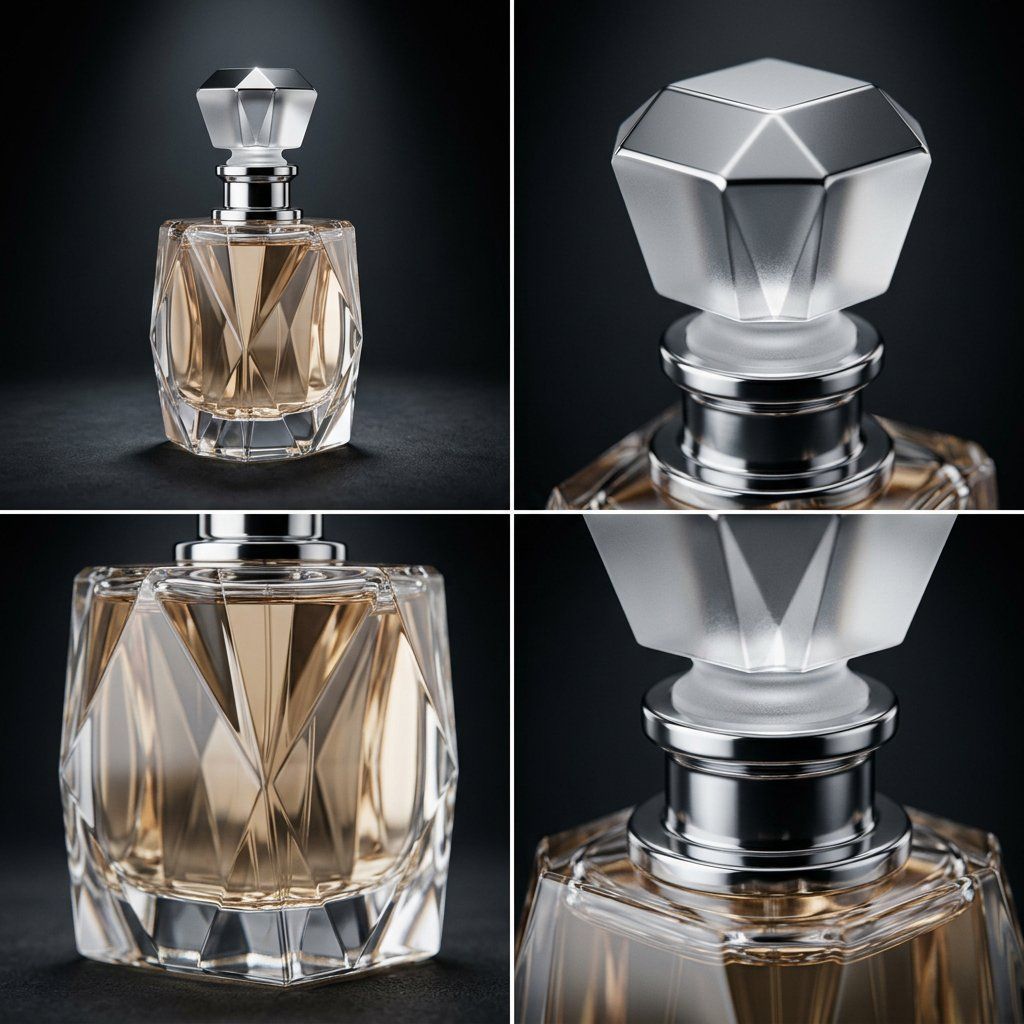
Luxury Chronograph Macro Design
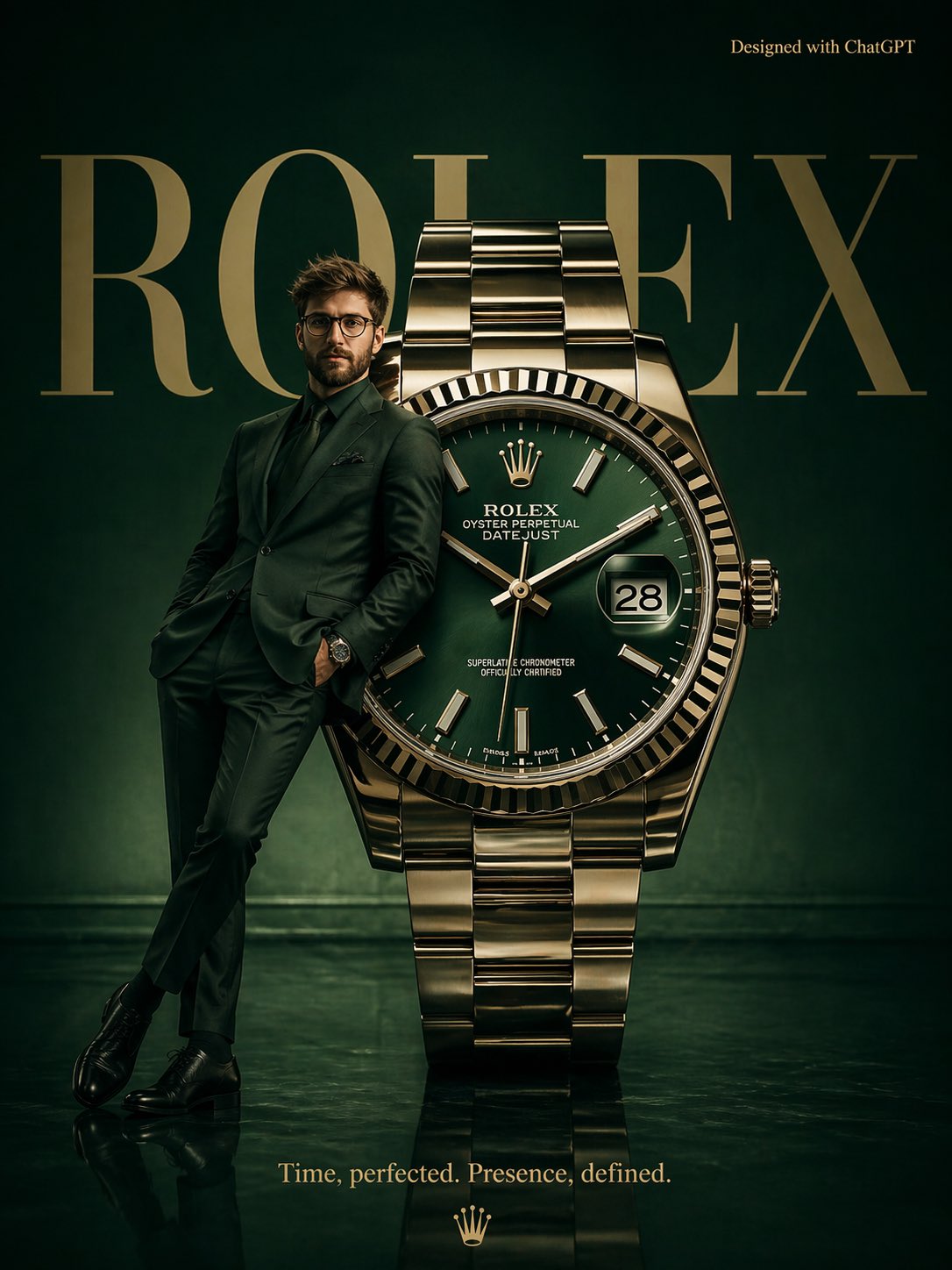
High-fashion Surrealist Poster for Rolex
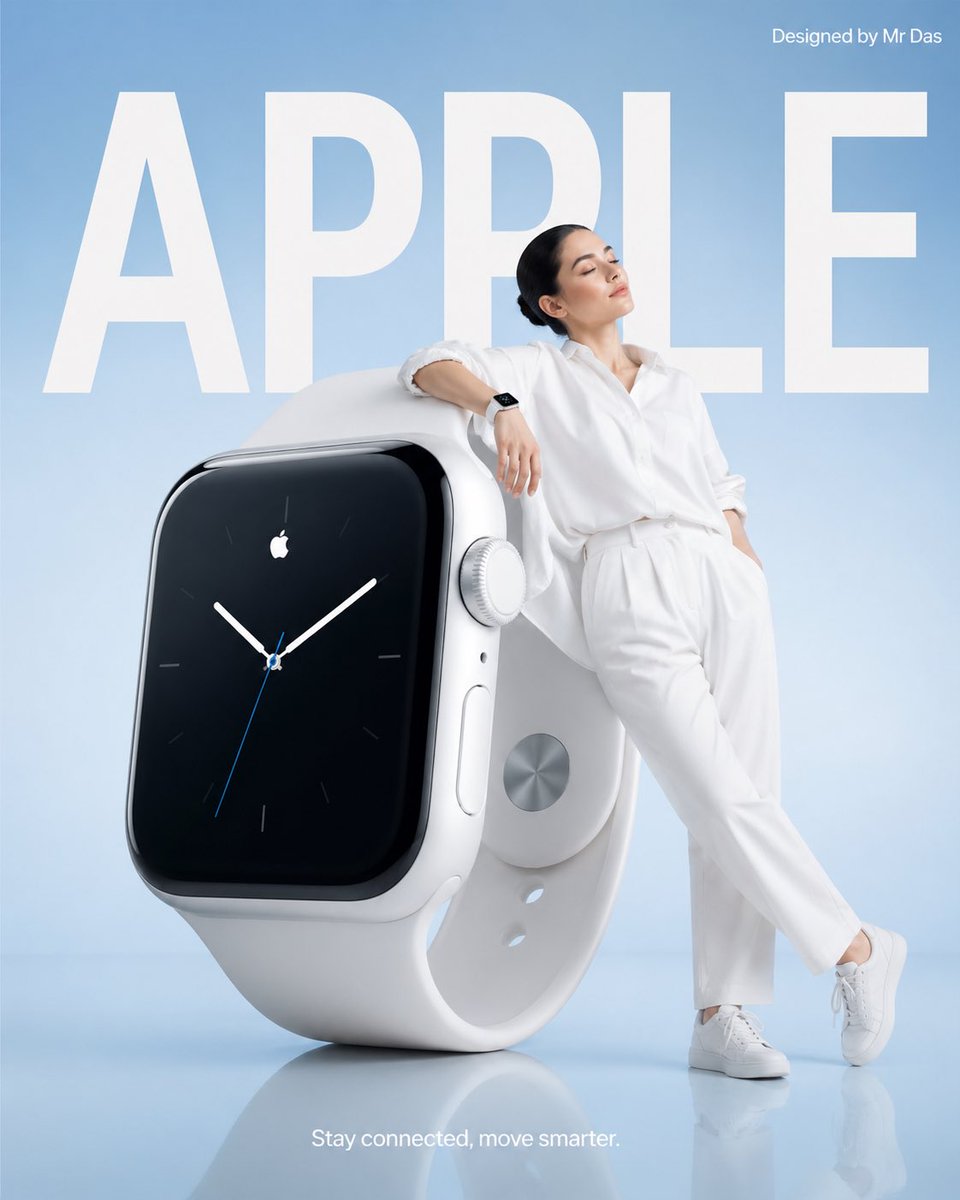
Oversized Apple Watch Minimal Ad

Pocket Watch Miniature Restorers
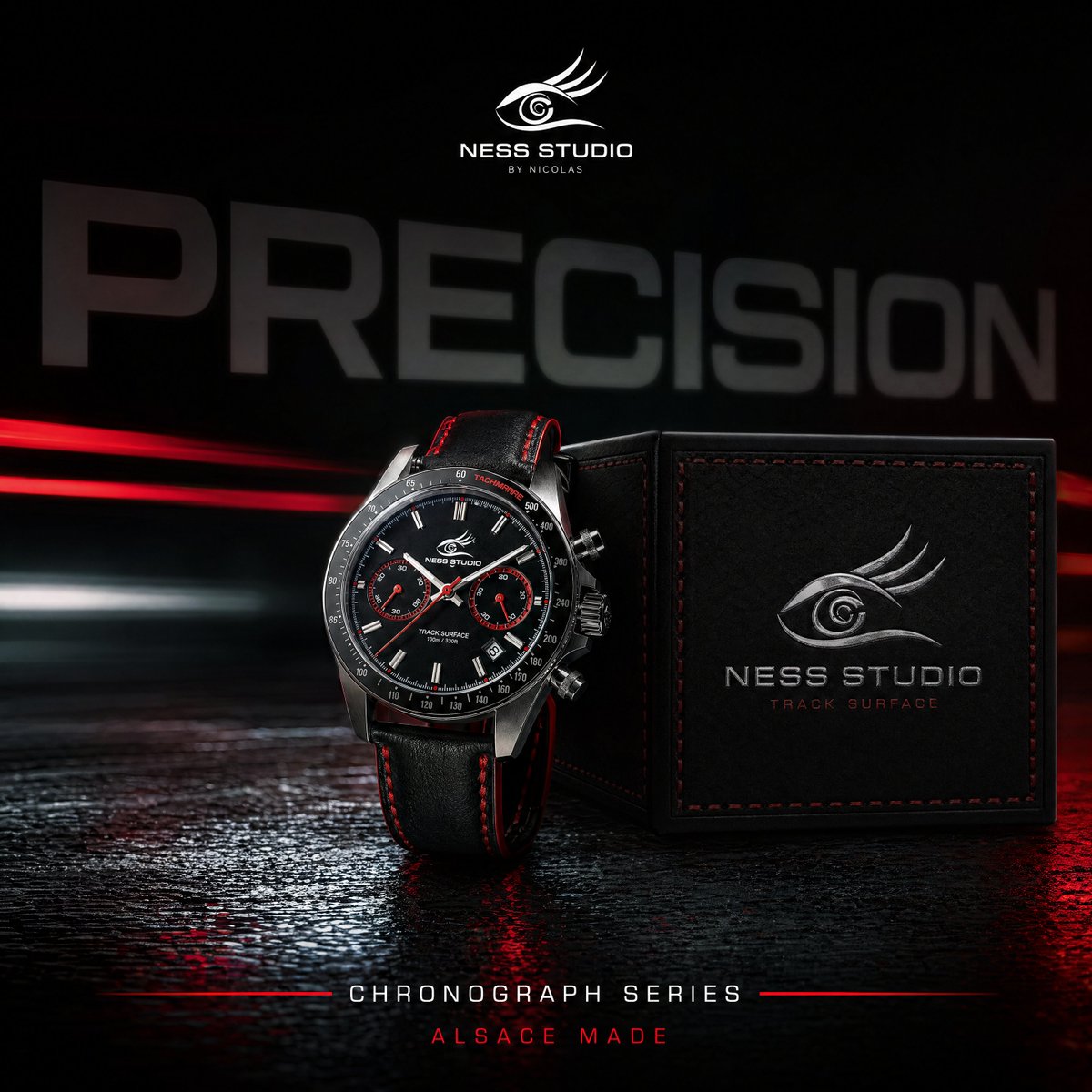
Luxury Chronograph Watch Ad
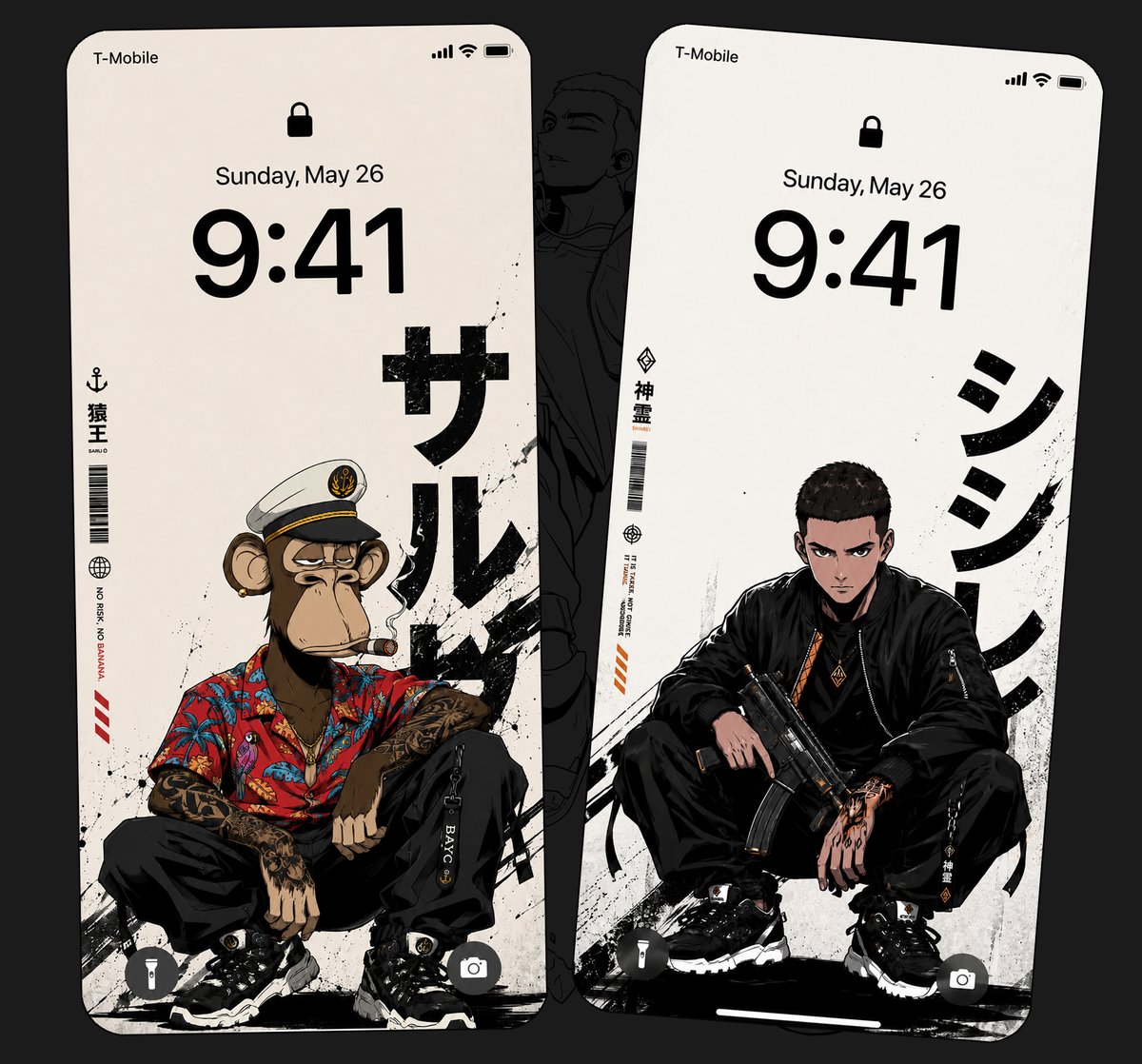
Anime Streetwear Lock Screen Wallpaper
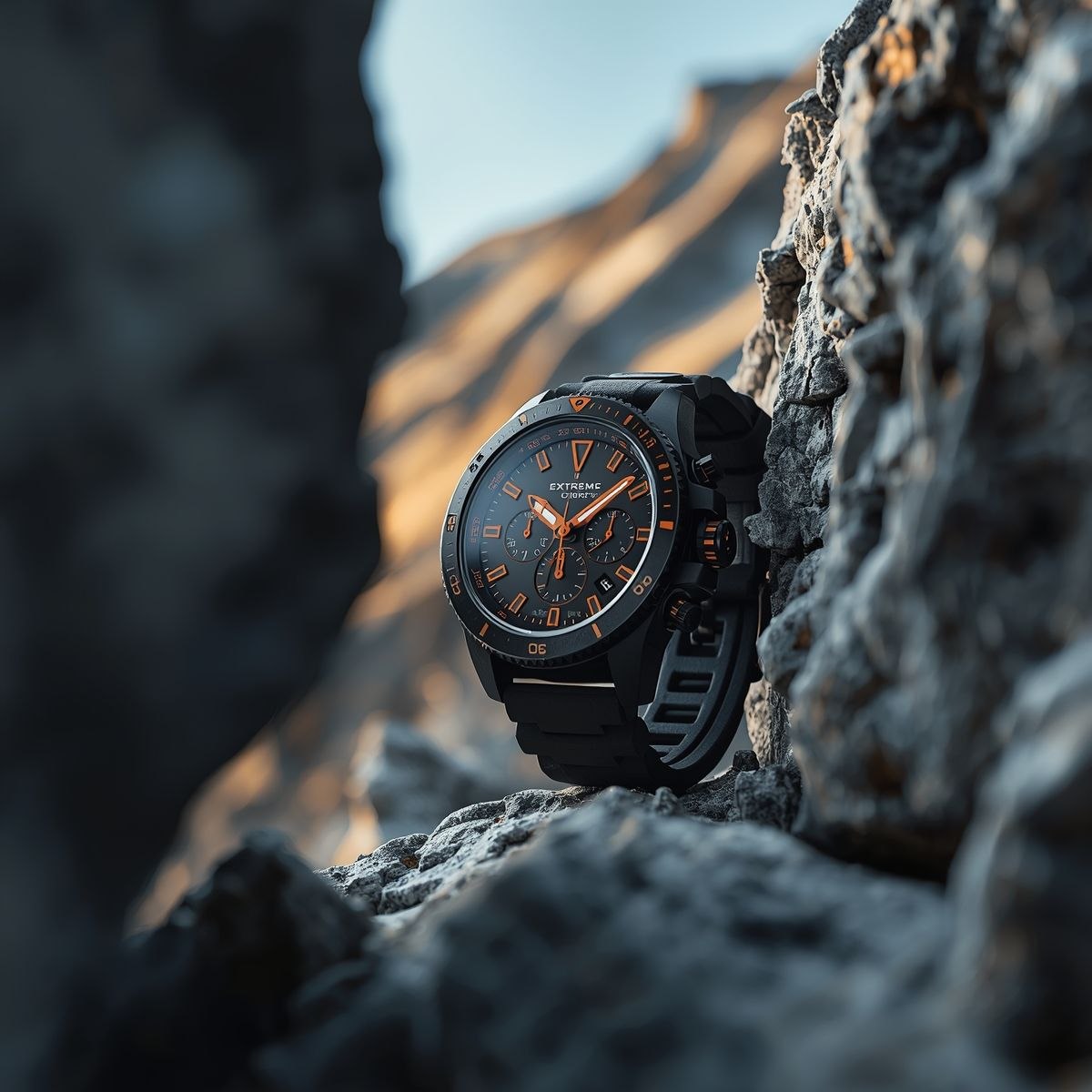
Rugged Chronograph Watch Ad
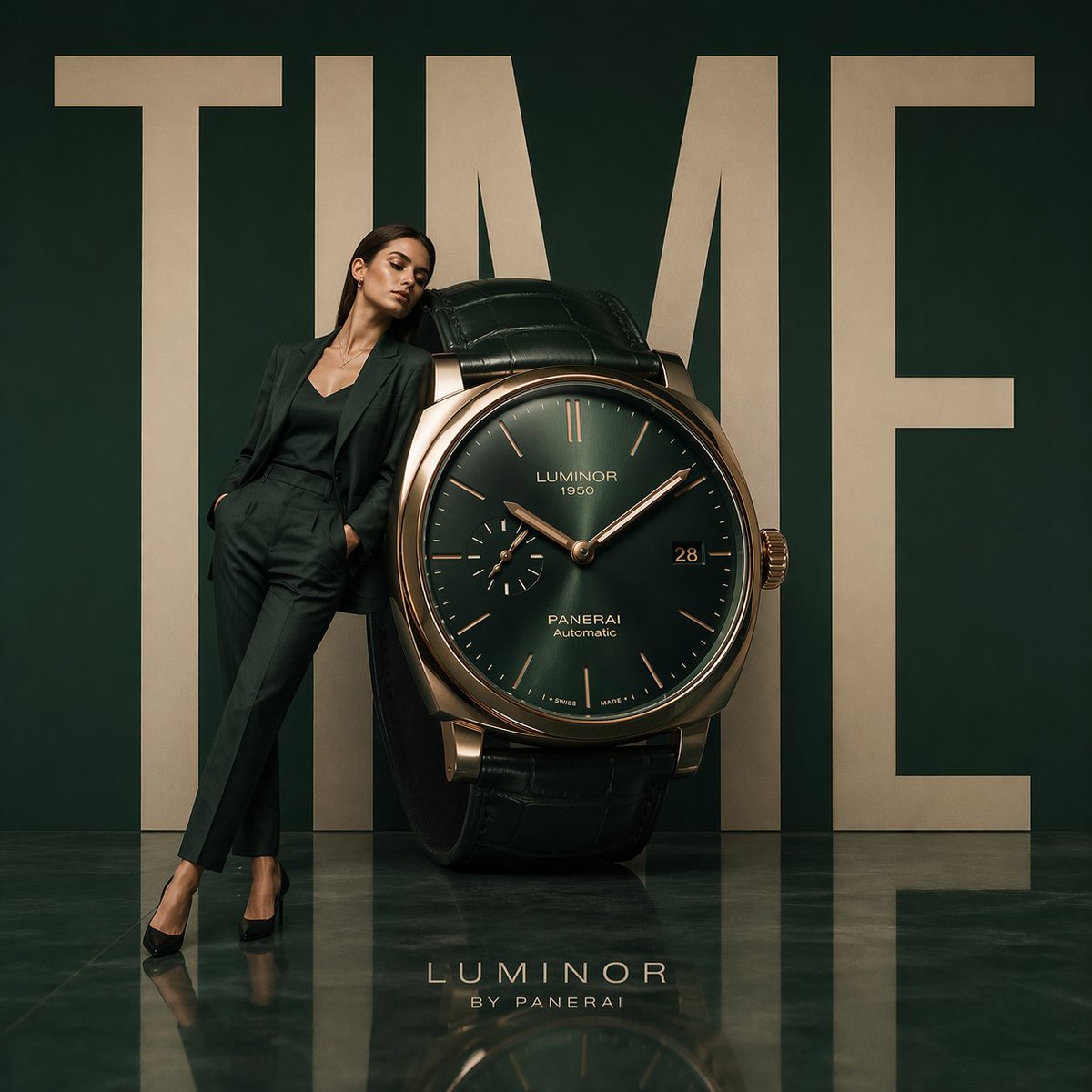
Luxury Watch Campaign Ad
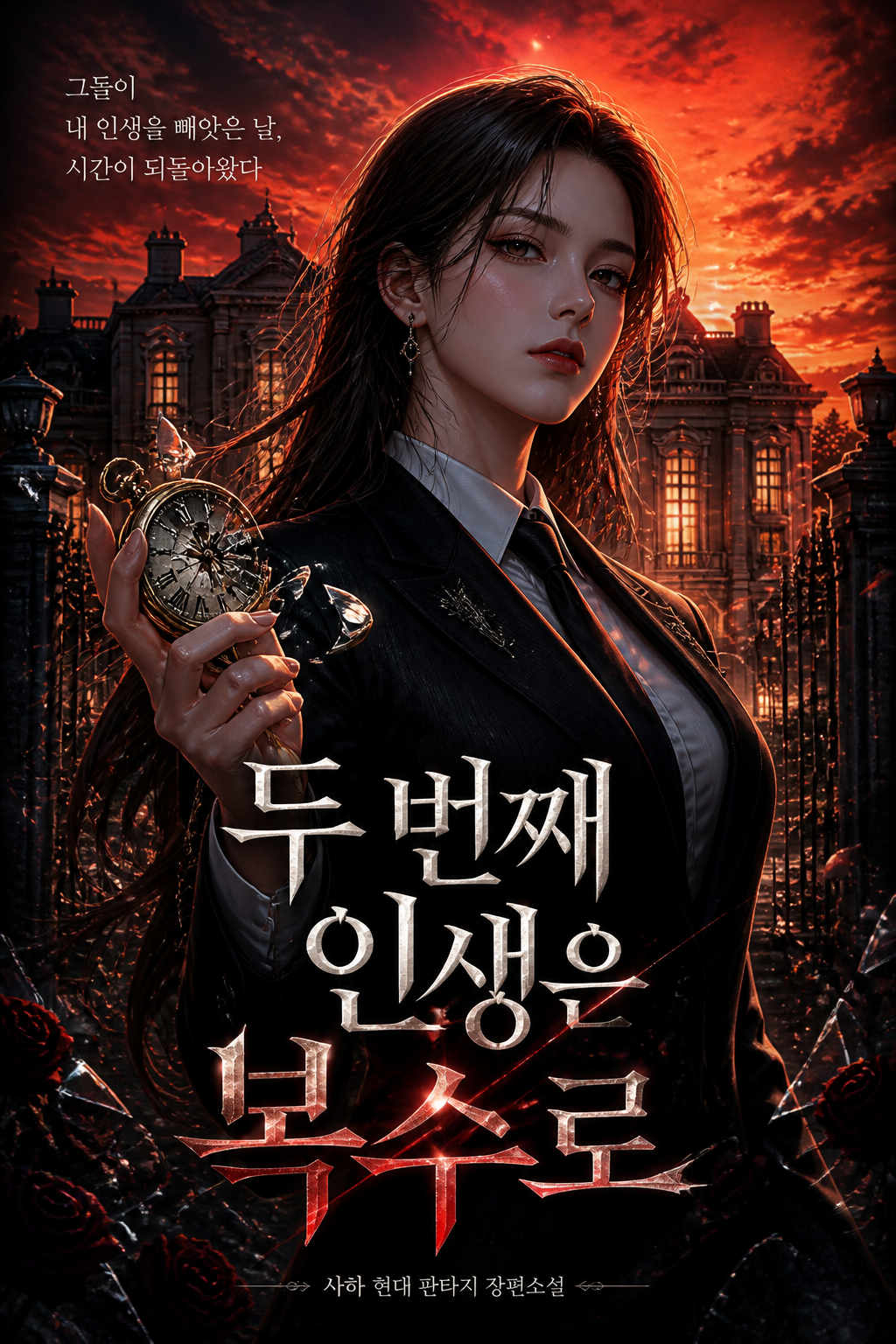
Regression Webnovel Cover
What Are Lock Design AI Prompts?
Lock Design AI prompts are a specialized collection of visual instructions designed to articulate the concepts of security, privacy, and unbreakable trust. These prompts are meticulously engineered to generate a wide array of locking mechanisms, ranging from heavy-duty industrial padlocks and ornate vintage brass locks to cutting-edge biometric scanners and massive bank vault doors. In a digital world where security is a top priority, having the right visual metaphors is essential for communication. Carat's lock design prompts provide the technical parameters to render metallic textures, intricate mechanical parts, and light reflections with stunning realism. Whether you are working on a cybersecurity campaign or a physical security product launch, these prompts offer the visual weight and professional polish needed to convince your audience of your reliability. These prompts are not just about showing a piece of hardware; they are about communicating the feeling of 'safety' and 'exclusivity.' They allow creators to visualize the invisible barrier between the public and the private, providing a powerful psychological anchor for any project related to protection and privacy.
Best Use Cases
The most common use case for lock design prompts is in the IT and cybersecurity industries. Companies use these high-quality visuals for website landing pages, blog headers, and white papers to symbolize data protection and encryption. They are also vital for app developers creating secure login interfaces, where a sleek, modern lock icon can significantly enhance the user's perception of safety. In the physical security sector, these prompts help manufacturers visualize new product designs or create dramatic marketing materials for safes and smart locks. Game designers also utilize them to create high-detail assets for treasure chests, locked gates, or inventory items. Furthermore, for conceptual art, a lock and key can represent 'secrets,' 'mystery,' or 'exclusive access,' making these prompts versatile for editorial and creative storytelling. FinTech startups and cryptocurrency platforms use these prompts to generate visuals that emphasize the 'cold storage' and 'unhackable' nature of their services. They can also be used for branding projects in the legal or financial sectors to symbolize confidentiality and trust.
Why This Tag Works
Design in the security niche relies heavily on the 'perceived strength' of the objects shown. This tag works effectively because it incorporates keywords that emphasize structural integrity and material quality. Terms like 'brushed titanium,' 'hardened steel,' 'precision-engineered gears,' and 'reinforced plating' guide the AI to create objects that look and feel heavy and impenetrable. The tag also masters the lighting of metallic surfaces, which is traditionally difficult to get right. By including modifiers for 'specular highlights' and 'subsurface scattering,' it ensures that every lock looks three-dimensional and realistic. This allows users to bypass expensive 3D rendering processes while achieving a similar level of detail and professionalism, which is crucial for building a brand that stands for high-level protection. The tag is optimized to handle both 'tactile' physical security and 'abstract' digital security, giving it a broad range of utility. By focusing on the 'mechanical perfection' of the locking mechanism, these prompts instill a sense of absolute confidence in the viewer, which is the ultimate goal of any security-focused design.
Explore Related Prompts
Prompt Building Tips
To create a high-impact lock design, focus on the 'material' and 'mechanism.' Use phrases like 'Industrial-grade tungsten,' 'Antique wrought iron with patina,' or 'Sleek carbon fiber finish.' If you want a tech-heavy look, add 'Glowing blue LED indicators,' 'Digital fingerprint scanner,' or 'Complex internal tumbler system.' Lighting should be dramatic; try 'Top-down spotlight' or 'High-contrast noir lighting' to emphasize the contours of the lock. For a conceptual cybersecurity vibe, combine the lock with digital elements like 'Floating binary code,' 'Fiber optic strands,' or 'Neon HUD interface.' Don't forget to define the camera angle-a 'Low-angle macro shot' will make the lock look more imposing and secure, while a 'Side-profile technical drawing style' can show off the mechanical complexity. You can also specify the 'environmental context,' such as a 'lock on a weathered wooden door' to contrast age and strength, or a 'lock on a sleek glass pedestal' to emphasize high-end luxury security. Including quality terms like '4k rendering,' 'hyper-detailed' and 'sharp focus' will yield professional results every time. Experimenting with 'depth of field' can also help draw the eye to the most important part of the locking mechanism, adding a cinematic quality to your design.