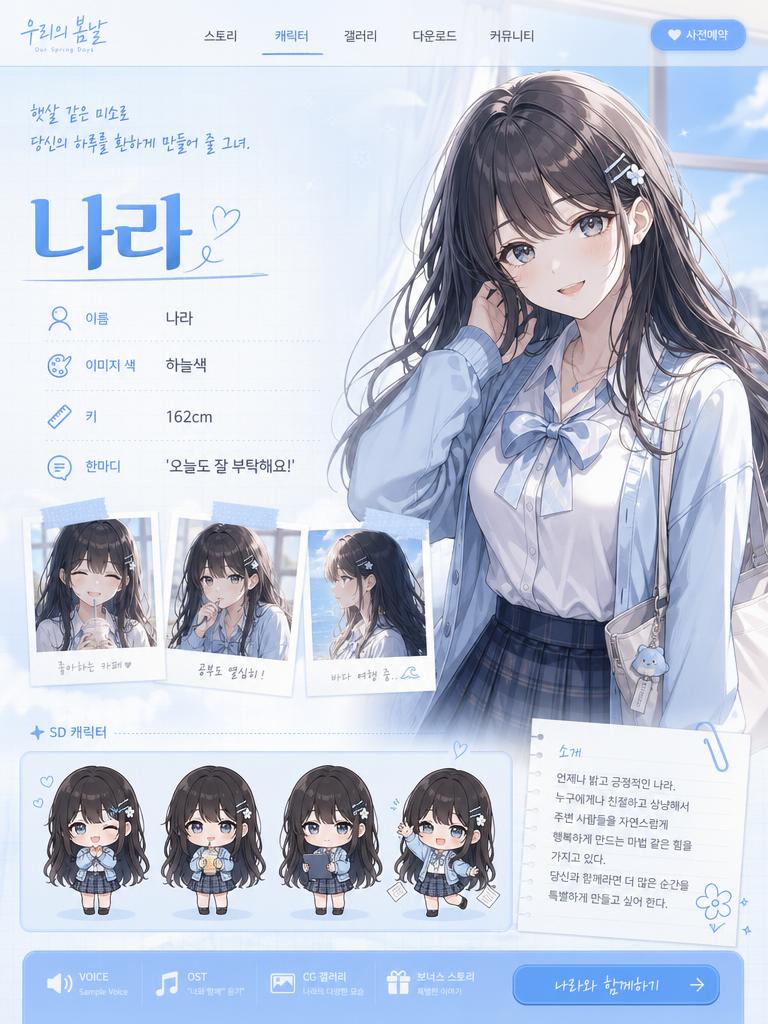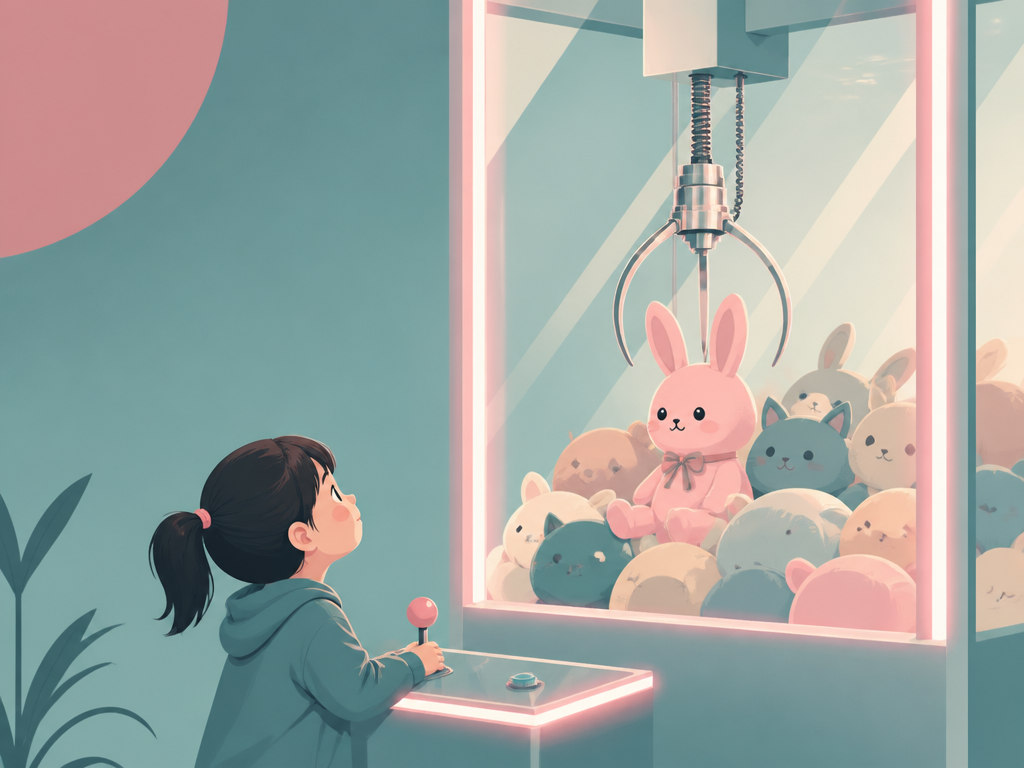
Robot Design
Unlock cutting edge AI prompts for robot design, including futuristic mecha, sleek androids, and vintage mechanical automatons.
2026.07.04
Make “Robot Design” exactly the way you wantCreate your own “Robot Design”
Just ask in plain language — Carat generates optimized images and videos for you.

Start now with 100 free credits daily
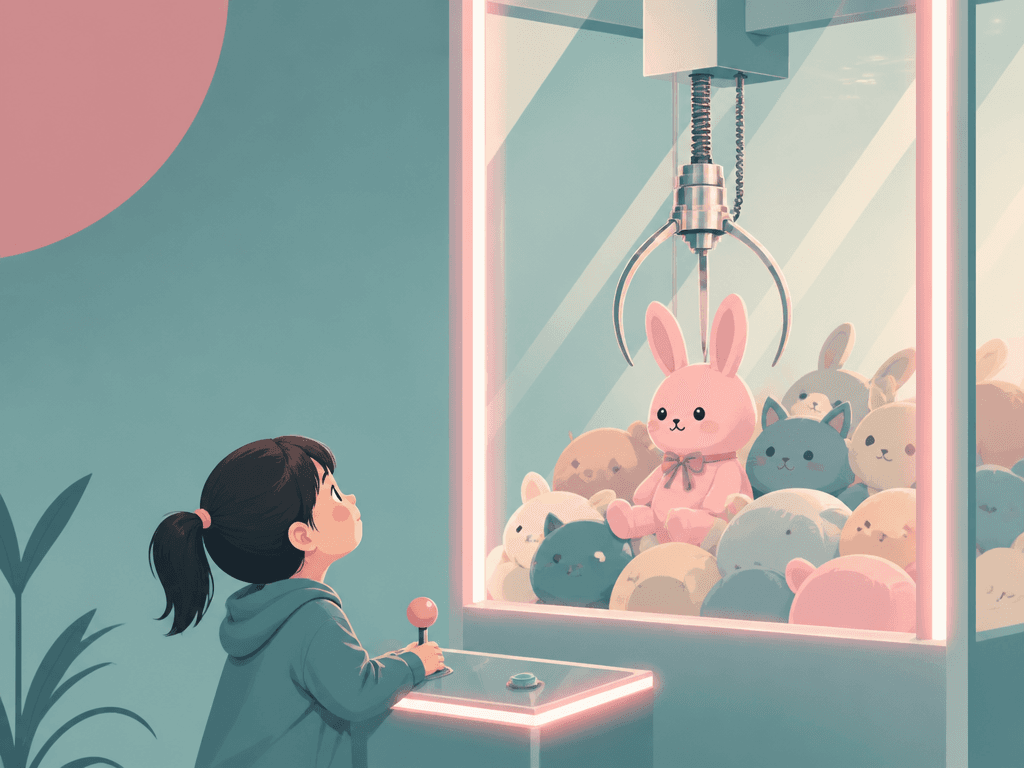
인형뽑기 일러스트
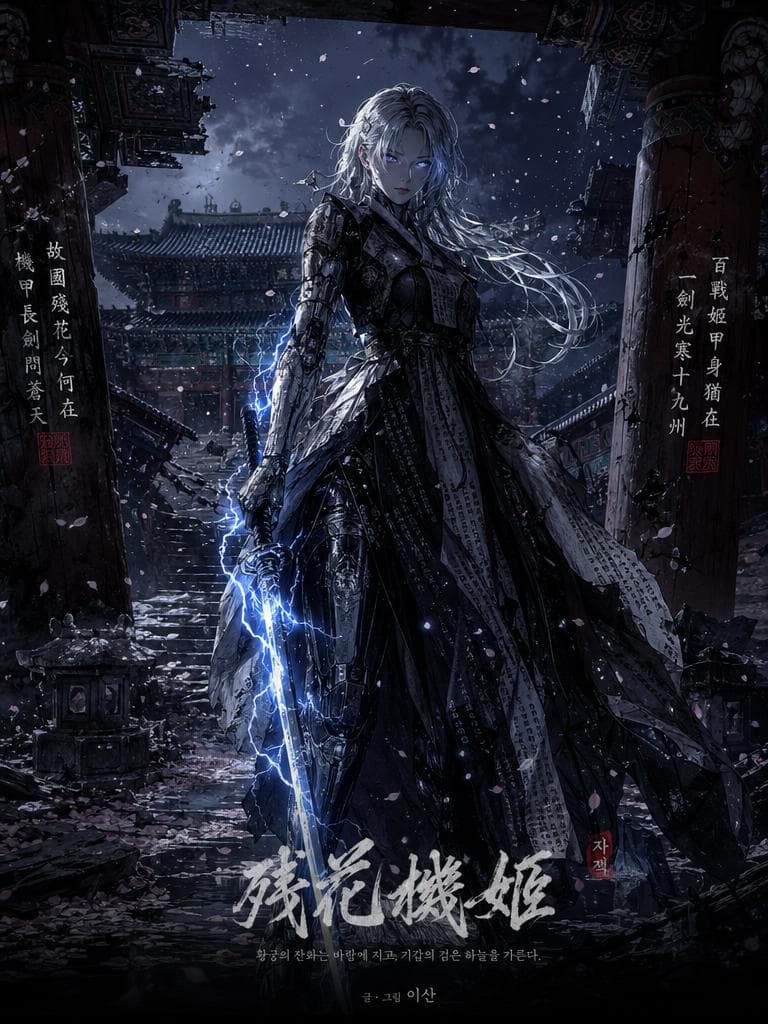
Dark Fantasy Korean Webtoon Key Art in a Ruined Traditional Korean Palace
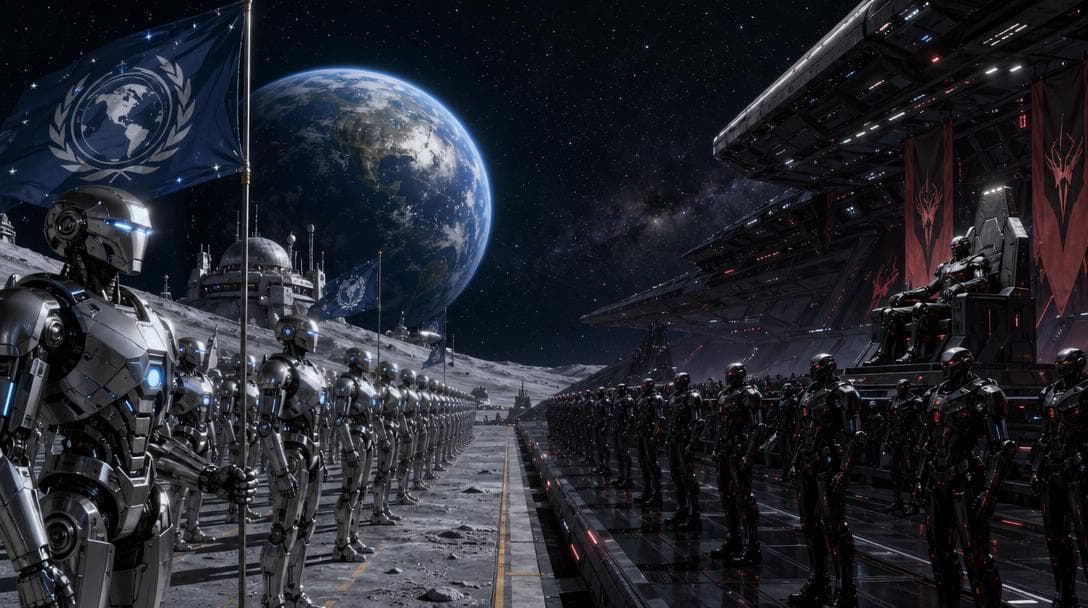
Epic Sci-fi Illustration
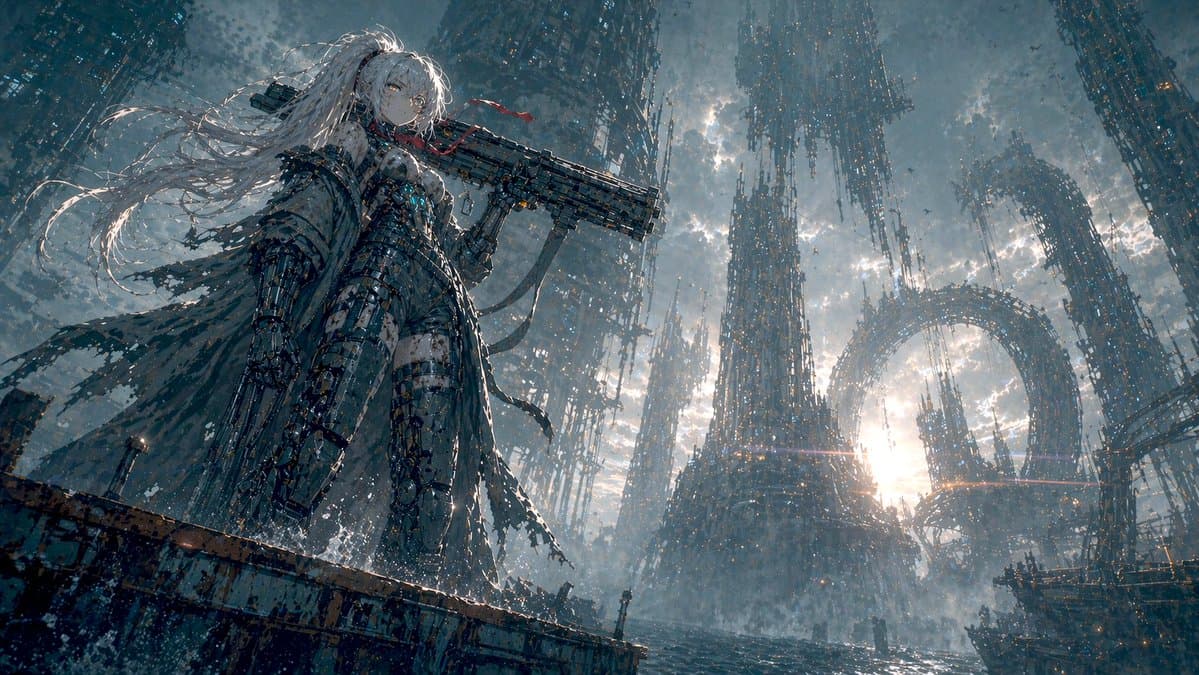
Mecha Girl Mid-teens

로봇 일러스트
What Are Robot Design AI Prompts?
Robot Design AI Prompts are advanced digital blueprints that instruct artificial intelligence models to visualize mechanical entities, robotic systems, and futuristic beings. These prompts translate complex engineering concepts and science fiction aesthetics into detailed visual outputs. From the sleek, minimalist curves of a high-tech domestic assistant to the rugged, bolted plates of a heavy-duty industrial mecha, these instructions cover every facet of robotic anatomy. By utilizing Carat's curated robot prompts, users can specify materials like titanium and carbon fiber, define articulation points, and even dictate the glow of internal energy cores. This specialized prompt set is an essential resource for anyone looking to push the boundaries of technology-themed art, providing the necessary technical vocabulary to ensure that the AI understands the difference between a humanoid android and a non-humanoid drone.
Best Use Cases
The application of robot design prompts spans a multitude of creative and commercial sectors. In the entertainment industry, concept artists use these prompts to rapidly iterate on robot designs for films, TV series, and video games, allowing for the exploration of hundreds of variants before settling on a final look. Tech startups and established corporations use high-end robot imagery to illustrate their AI and automation capabilities in pitch decks, marketing brochures, and social media campaigns. In the publishing world, authors of science fiction and techno-thrillers use these prompts to create compelling cover art and character portraits that bring their mechanical protagonists to life. Furthermore, toy designers and 3D hobbyists use AI-generated robots as initial reference sketches for physical models and digital sculptures, bridging the gap between flat art and tangible objects. The educational sector also utilizes these visuals to represent the future of robotics and STEM fields in classroom materials and online courses.
Why This Tag Works
Robot design is a highly specialized field that requires a balance of functional logic and aesthetic appeal. This tag works effectively because it provides a bridge between complex technical requirements and creative expression. AI models can sometimes struggle with mechanical consistency-misplacing joints or merging gears in illogical ways. The prompts within this tag have been engineered with specific 'structural anchors' that encourage the AI to maintain architectural integrity. By using modifiers like 'modular joints', 'integrated sensors', and 'ergonomic design', the tag ensures that the resulting robots look functional and believable. Additionally, the tag organizes designs into distinct sub-genres like Cyberpunk, Steampunk, and Solarpunk, making it easy for users to find the exact 'vibe' they need for their specific world-building project. This curated approach significantly reduces the time spent on trial and error, providing a direct path to professional-grade mechanical design.
Explore Related Prompts
To further diversify your mechanical designs, we recommend exploring our wide range of related categories. For detailed technical drawings and artistic renders, the Illustration tag is a must-visit. If you need inspiration for layout and presentation, our Poster category offers many dynamic compositions. For creators focused on branding and social media, the Card News Template section provides pre-styled assets. If your robot needs a distinct personality, delve into the Character tag to add human-like traits. For those interested in specific visual mediums, Anime Style offers clean lines and vibrant colors, Oil Painting Style provides a classic, heavy-textured look, and Watercolor Style can give your robots a surprisingly soft and organic feel.
Prompt Building Tips
The key to a great robot prompt is layering materials, functions, and lighting. Start by defining the robot's primary purpose; a 'heavy cargo drone' will require different keywords than a 'refined protocol droid'. Use specific material descriptors like 'matte black carbon fiber', 'brushed titanium', 'oxidized copper', or 'polycarbonate plastic'. To make the design feel 'lived-in', add weathering effects like 'scratched paint', 'oil leaks', or 'battle-scarred chassis'. Lighting is paramount in mecha design-specify the light source and color, such as 'glowing amber internal circuitry', 'underlight from a laboratory floor', or 'harsh red warning LEDs'. Consider the environment to ground the design: a 'clean room lab', 'dystopian junkyard', or 'high-orbit space station' will all drastically change how the robot is perceived. Finally, mention the rendering style, such as 'unreal engine 5 render', 'octane render', or 'hyper-detailed concept art' to maximize the visual fidelity and technical depth of the final image.