
Garden Design
Explore high-quality AI prompts for garden illustrations and landscape design concepts.
2026.07.04
Make “Garden Design” exactly the way you wantCreate your own “Garden Design”
Just ask in plain language — Carat generates optimized images and videos for you.

Start now with 100 free credits daily
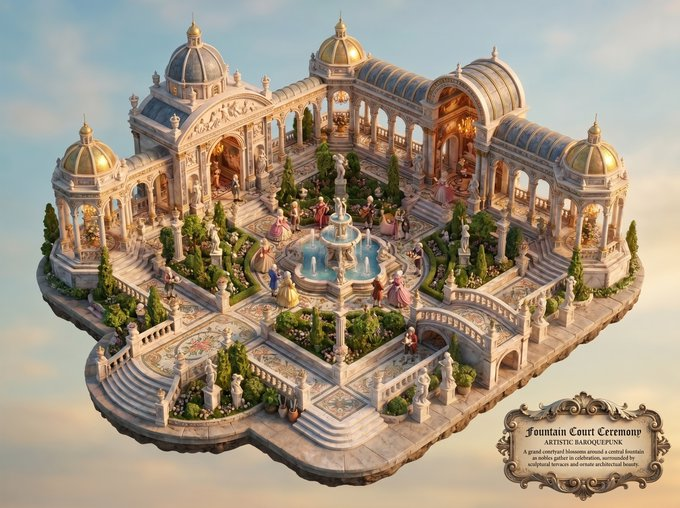
Baroquepunk Royal Garden Miniature

Rose Wall Portrait

Rose Arch Full-Body Snap
식물 일러스트

Male Model Streetwear Campaign in Daisy Field
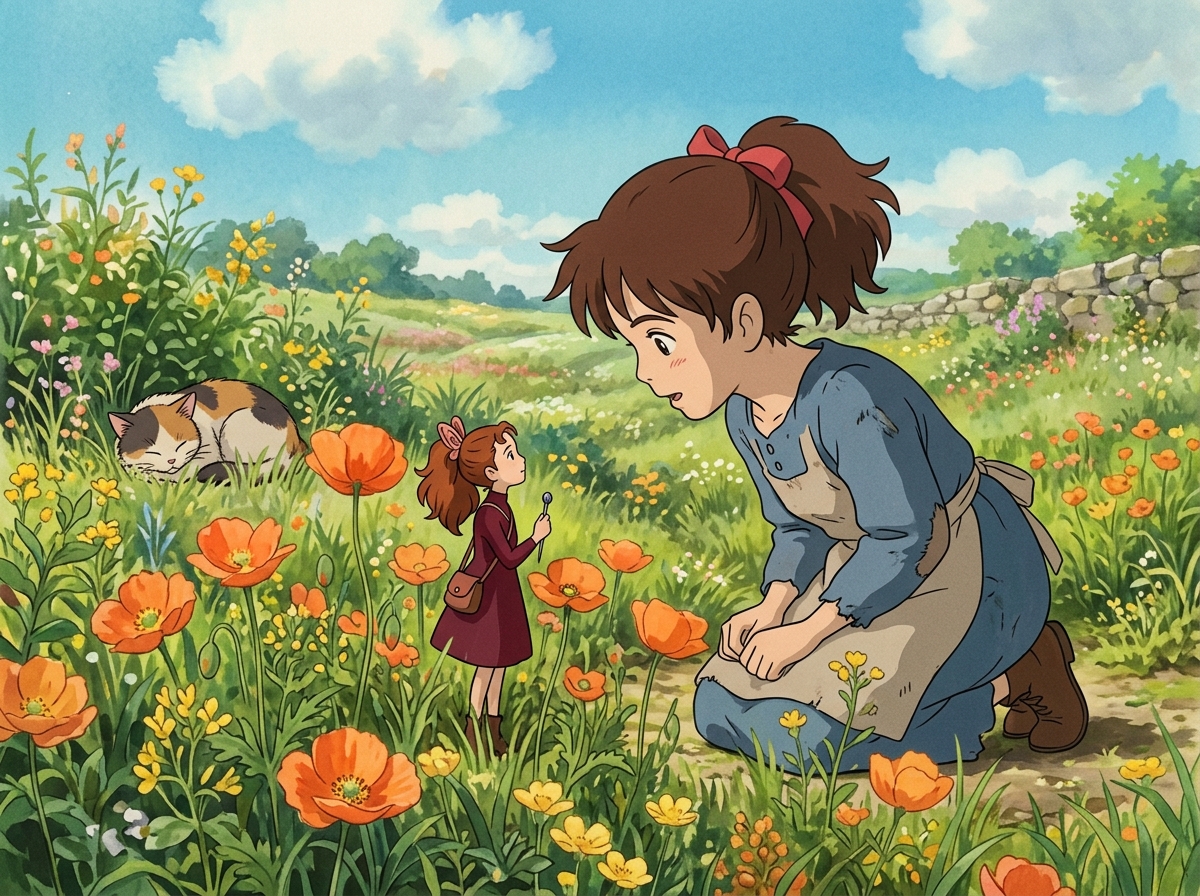
Meeting a Tiny Fairy in the Flower Field
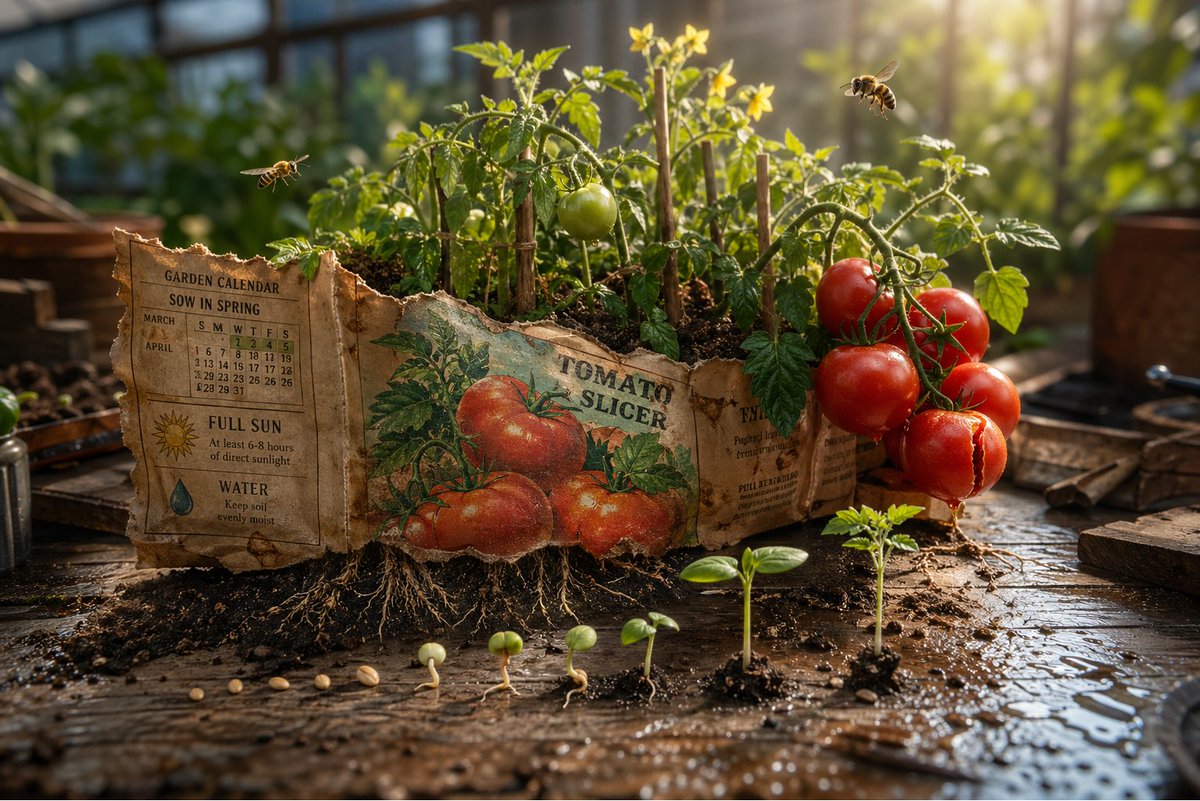
Epic 3D Scene: a Weathered Seed Packet Lying Open on a Potting Bench

Garden Fine-Art Portrait
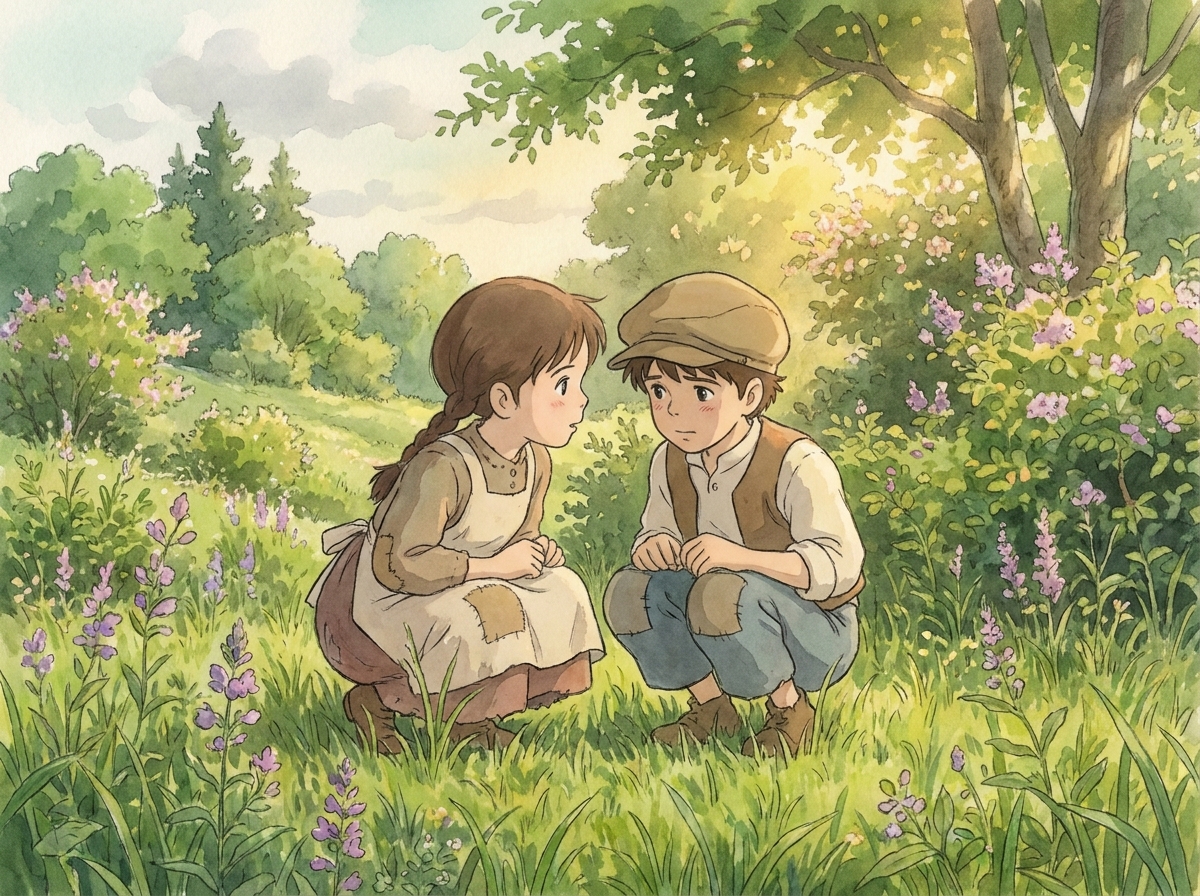
A Secret in the Wildflower Field

Single Rose Face-Cover Portrait
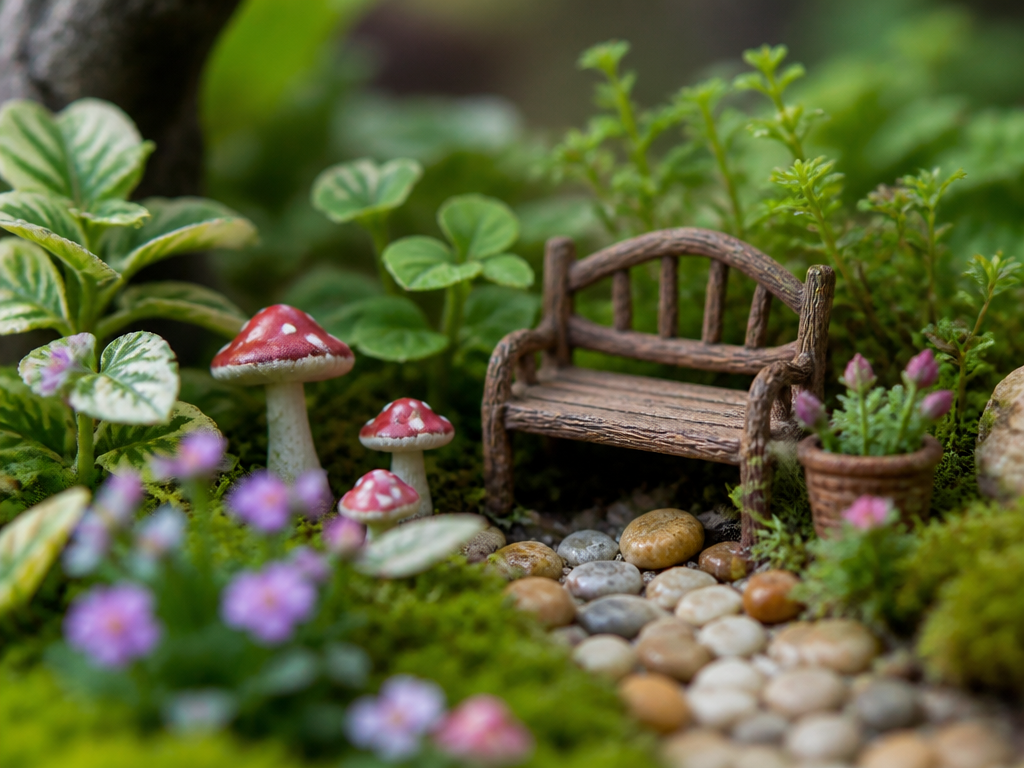
미니어처 스타일 정원

Flower Field Vintage Van Portrait
What Are Garden Design AI Prompts?
Garden Design AI prompts are specialized sets of descriptive instructions that allow users to generate high-fidelity visual representations of landscapes, greeneries, and outdoor living spaces. Unlike generic search terms, these prompts provide a roadmap for artificial intelligence to interpret complex botanical arrangements, architectural structures, and atmospheric conditions. Whether you are envisioning a lush English countryside garden, a minimalist Zen sanctuary, or a modern urban rooftop oasis, these prompts act as the bridge between your imagination and a professional-grade digital image. By specifying elements such as plant species, soil textures, irrigation features, and hardscape materials, you can guide the AI to produce results that capture the intricate beauty of nature. Carat's curated collection of garden design prompts ensures that every user, from amateur gardening enthusiasts to professional landscape architects, can find the perfect visual anchor for their projects. The power of these prompts lies in their ability to synthesize aesthetic appeal with structural logic, resulting in garden illustrations that are not only beautiful but also conceptually grounded. This approach democratizes design, making it possible for anyone to visualize high-end landscape concepts without the need for advanced drawing skills or expensive software. The prompts are carefully calibrated to ensure that the relationship between flora and hardscape feels organic and balanced, providing a solid foundation for any creative endeavor. By exploring these prompts, you can unlock a world of greenery that is as detailed as it is inspiring.
Best Use Cases
These prompts serve a wide array of practical and creative purposes across various industries. For digital creators and hobbyists, they are perfect for crafting personalized stationery, social media content, or peaceful wallpaper backgrounds that promote wellness and relaxation. In the commercial sector, marketing professionals and small business owners can utilize these prompts to generate stunning visuals for promotional posters, flyers, and social media campaigns without the high cost of custom photography. Furthermore, interior designers and real estate developers find these prompts invaluable for creating 'mood boards' or conceptual visualizations that help clients see the potential of an outdoor space before a single plant is purchased. These prompts are also exceptionally effective for content creators focused on eco-friendly living, sustainability, and home improvement, providing a steady stream of unique and engaging visuals to support their narratives. Whether you are looking to create a fantasy garden for a novel cover or a realistic backyard renovation concept, these prompts provide the versatility required for any creative challenge. They are also highly effective for architectural pre-visualization, helping designers communicate their vision with clients in a highly tangible and visual manner. For the artistic soul, they serve as a digital easel for creating intricate landscape paintings that capture the changing seasons and the delicate beauty of the natural world.
Why This Tag Works
The Garden Design tag is uniquely effective because it focuses on the delicate balance between organic chaos and human design. Capturing the essence of a garden requires an understanding of how light interacts with translucent leaves, how shadows fall across gravel paths, and how different textures like wood, stone, and foliage coexist in a single frame. This tag specifically optimizes the AI's response to these complexities, ensuring that generated images possess a sense of depth, atmosphere, and realism that is often missing from broader categories. By using this tag, users tap into a refined algorithm that understands the nuances of landscape composition, such as the rule of thirds in photography or the layering techniques used in traditional gardening. This specialized focus helps prevent common AI errors, like unrealistic plant growth patterns or disjointed architectural elements, leading to a much higher success rate in the first generation. It is the ultimate tool for anyone who demands both visual beauty and conceptual accuracy in their nature-based digital assets. The tag ensures that the AI pays close attention to the small details-the way morning dew sits on a rose petal or the weathered texture of an old garden gate-which cumulatively contribute to a sense of lived-in authenticity. This specific focus on landscape aesthetics makes the Garden Design tag a standout choice for high-end visual production.
Explore Related Prompts
- Illustration
- Poster
- Card News Template
- Watercolor Style
- Oil Painting Style
- Diary Sticker
- Cinematic Video
Prompt Building Tips
To build a highly effective garden design prompt, you should adopt a layered approach that starts with the broad atmosphere and narrows down to the fine details. Begin by defining the overall style-such as 'Mediterranean' or 'Victorian'-and then introduce specific focal points like a 'weathered iron bench' or a 'tiered stone fountain'. Incorporate sensory language and lighting descriptions; instead of just saying 'sunny', try 'dappled sunlight filtering through a canopy of willow trees'. Don't forget to specify the perspective and the camera settings; using terms like 'macro shot' for close-up flower details or 'aerial view' for a comprehensive garden layout can dramatically change the impact of the final image. Finally, including atmospheric effects like 'morning mist' or 'dusk glow' can add a layer of emotional resonance to your visual creation. You can also experiment with specific historical periods or geographical locations to give your garden a distinct cultural identity. For example, specifying a 'traditional Kyoto Zen garden' will prompt the AI to use specific elements like raked sand and mossy stones. The key is to provide enough detail to guide the AI without over-constraining its creative interpretation, allowing for a result that is both surprising and perfectly aligned with your vision.