
Nature Illustration
Explore high-quality AI prompts for nature landscapes, lush forests, and serene meadows to create breathtaking art.
2026.07.04
Make “Nature Illustration” exactly the way you wantCreate your own “Nature Illustration”
Just ask in plain language — Carat generates optimized images and videos for you.

Start now with 100 free credits daily

Real Person and 2D Character Street Scene
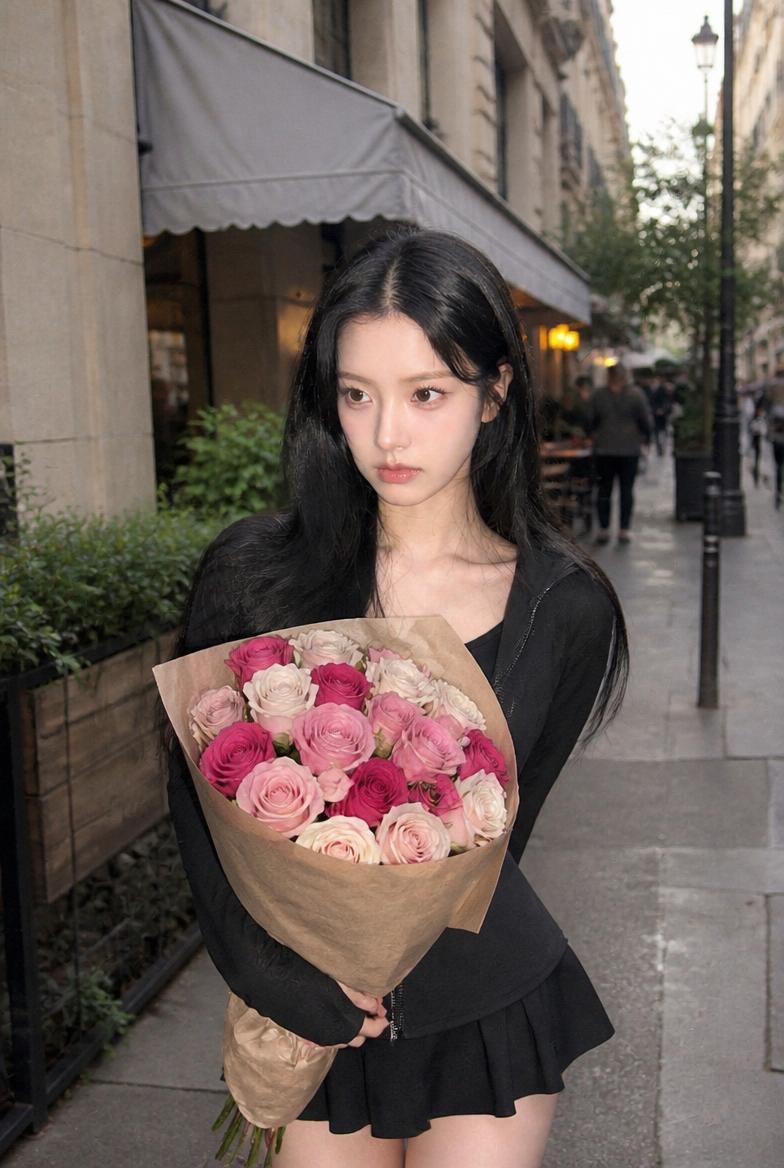
City Street Rose Bouquet Snap

Floating Streetwear Fashion Poster
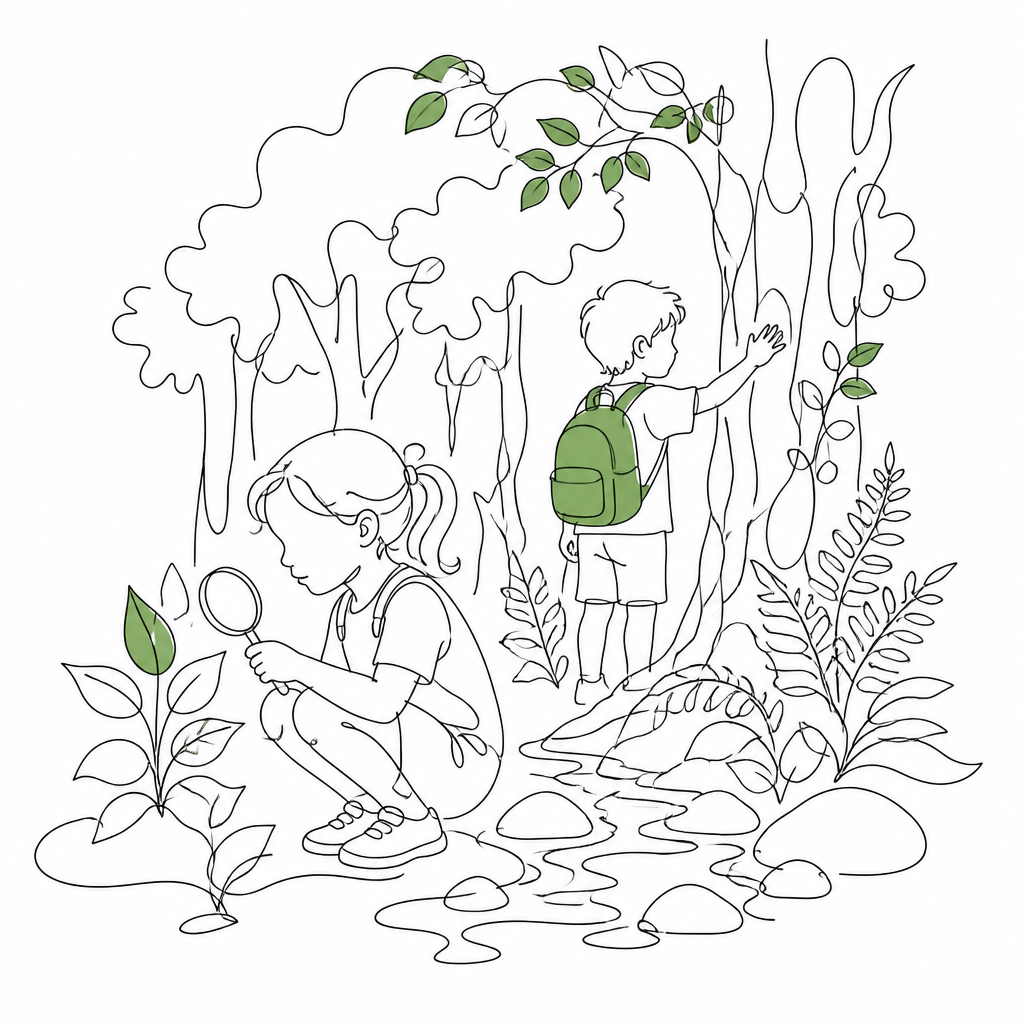
숲 체험 일러스트

Frozen Streetwear Fashion Campaign
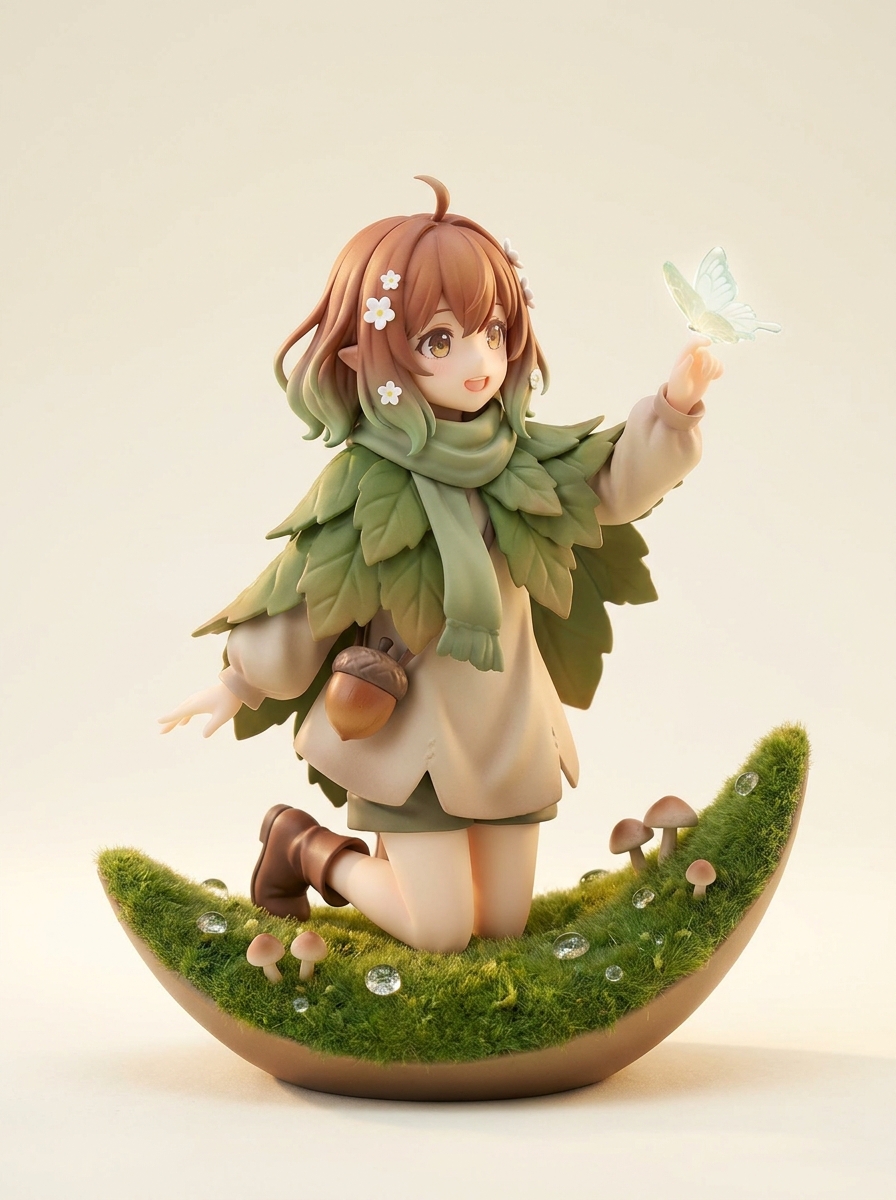
Forest Sprite Figure
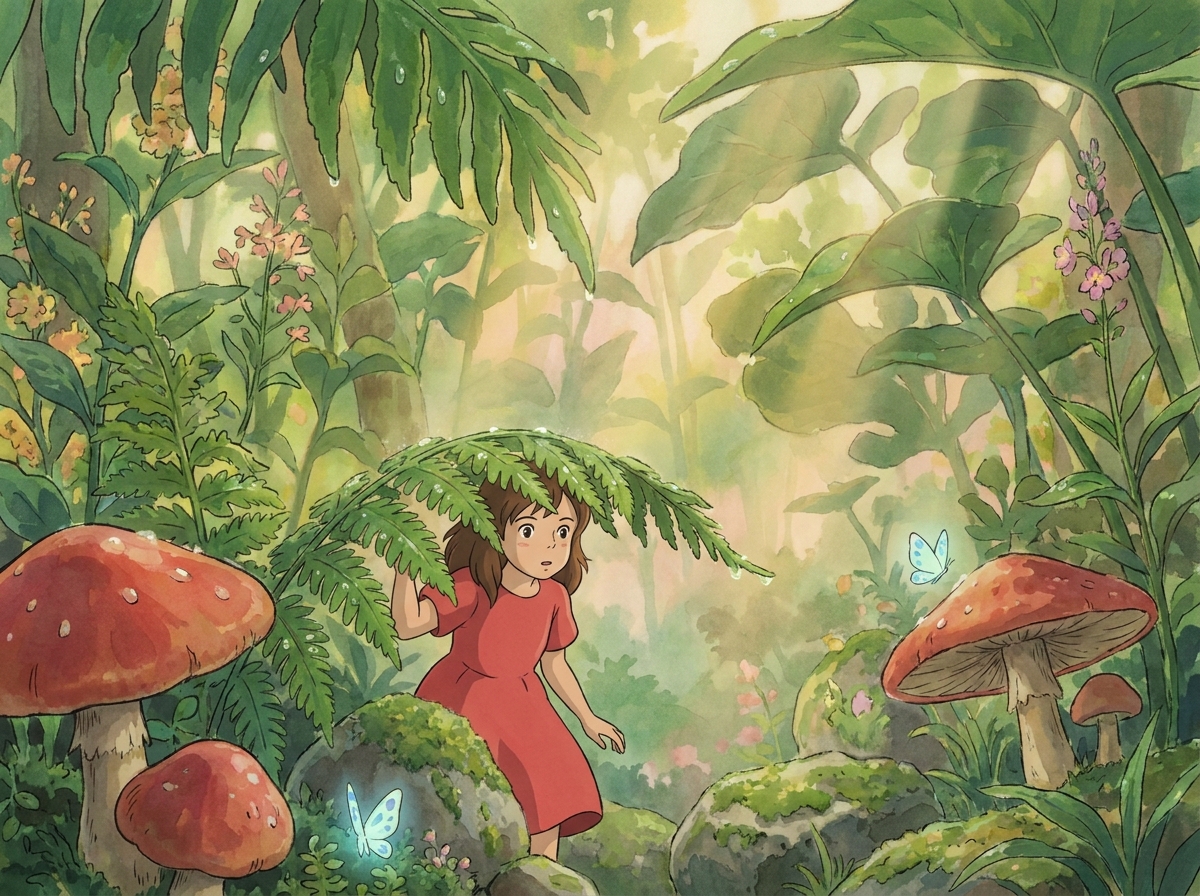
Forest Mushroom Fairy Girl
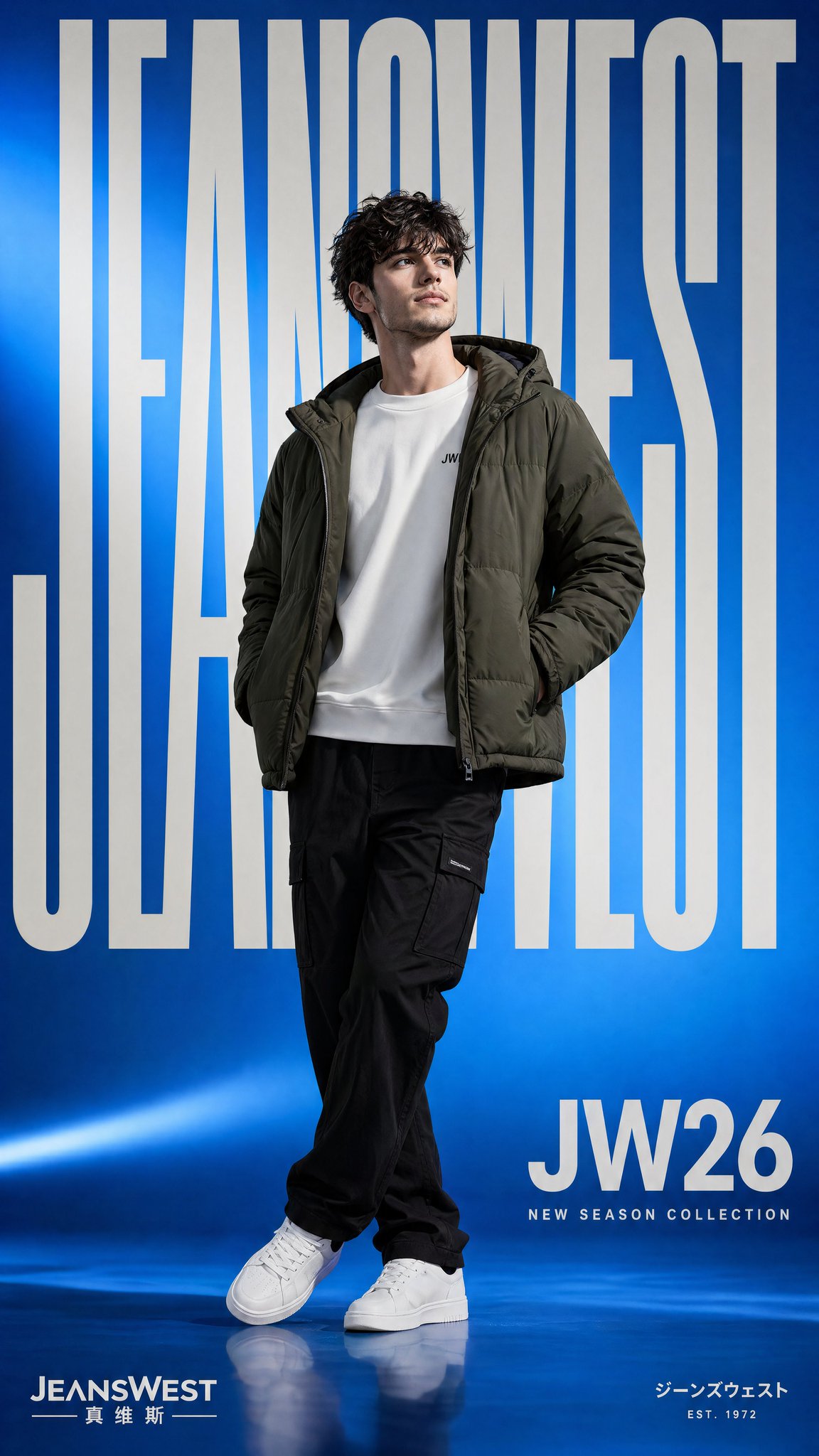
Premium Streetwear Fashion Campaign Poster Inspired by Modern Asian Apparel Advertising
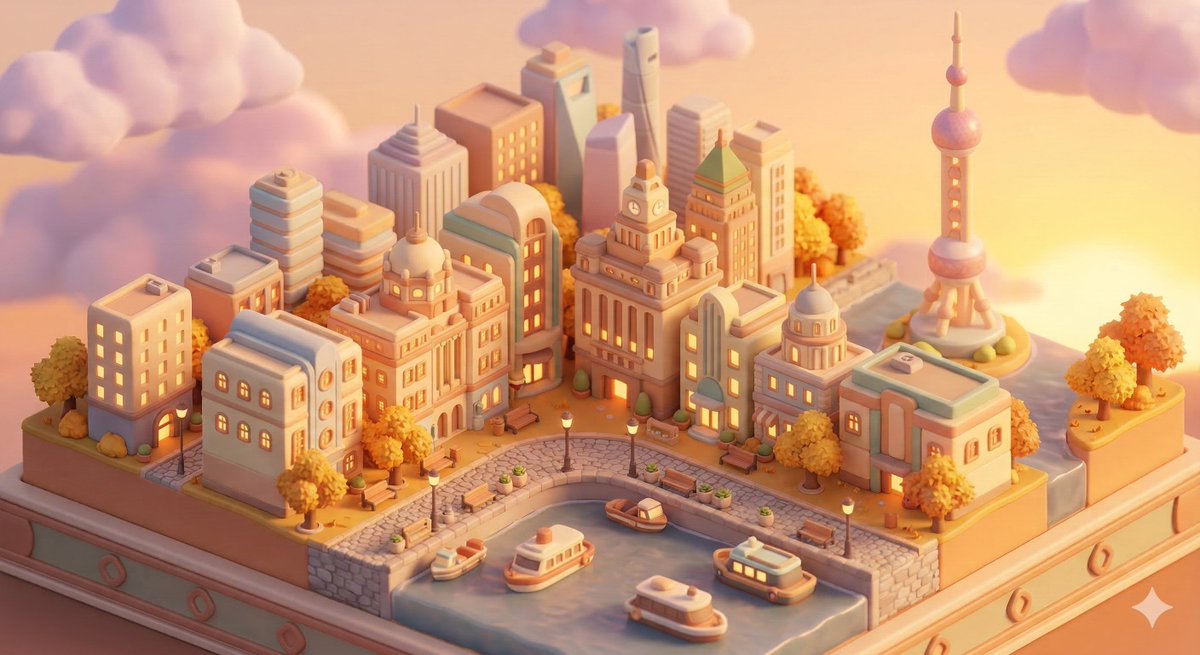
Cute 3D Street Diorama

H&M City Street Fashion Campaign

Rose Streetwear Portrait
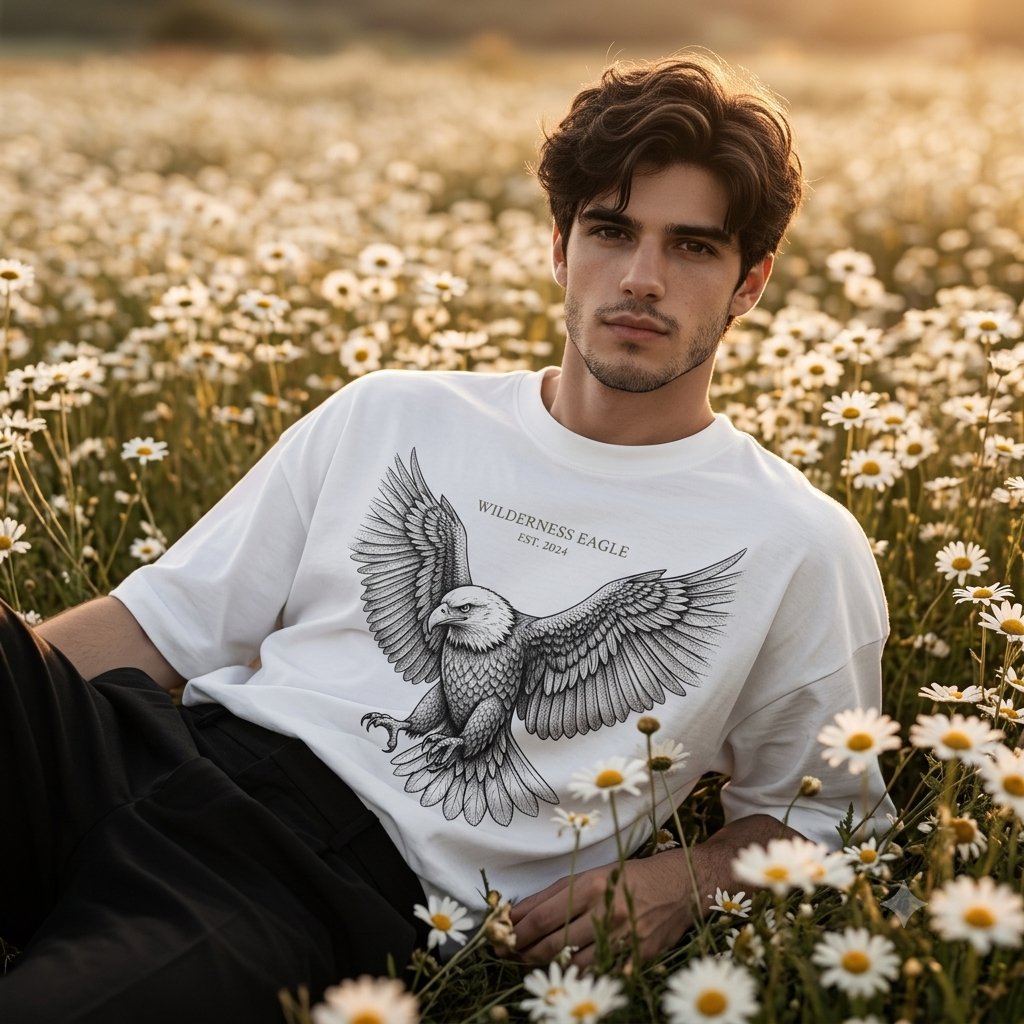
Male Model Streetwear Campaign in Daisy Field
What Are Nature Illustration AI Prompts?
Nature Illustration AI Prompts are comprehensive digital blueprints that guide AI models in visualizing the boundless beauty of the natural world. These prompts are meticulously constructed to describe not only the physical subjects-such as ancient forests, towering peaks, and meandering rivers-but also the atmospheric conditions and lighting that breathe life into a scene. Using advanced descriptors, these prompts allow the AI to synthesize diverse artistic styles, from classical landscape oil paintings to modern minimalist vector art. The goal of a nature illustration prompt is to evoke a specific emotional response, whether it be the peaceful serenity of a sun-dappled meadow or the awe-inspiring power of a mountain storm. Carat's nature illustration tag provides users with a library of verified phrases that capture the intricate textures of bark, the transparency of water, and the vastness of the horizon, ensuring that every generated image feels like a cohesive masterpiece of environmental storytelling.
Best Use Cases
The applications for nature illustrations generated via AI are incredibly diverse and impact various creative industries. Educators and environmentalists use these prompts to create engaging visual aids for presentations and educational materials regarding biodiversity and conservation. Graphic designers often rely on these illustrations to provide calming backgrounds for meditation apps, health and wellness websites, and sustainable brand identities. In the publishing world, these prompts are perfect for creating atmospheric cover art for novels or detailed internal illustrations for children's books focused on outdoor adventures. For individual creators, nature illustration prompts offer a way to generate high-resolution desktop wallpapers or custom prints for home decor. They are also widely used in social media content creation to accompany inspirational quotes or travel-related posts, providing a high-quality visual anchor that resonates with viewers' love for the outdoors. Furthermore, they serve as excellent concept art for game designers and filmmakers looking to establish the visual tone of a fictional environment.
Why This Tag Works
The Nature Illustration tag is engineered to overcome the common challenges of depicting organic complexity. AI often struggles with the chaotic yet ordered patterns of nature, such as the branching of trees or the flow of water, without proper guidance. This tag solves that by providing structural keywords that define perspective and layering, such as 'foreground foliage' and 'atmospheric haze.' It also excels at specifying lighting conditions that are notoriously difficult to capture, like the 'Tyndall effect' (light beams through trees) or 'alpenglow' on mountain tops. By utilizing these prompts, users can achieve a level of realism and artistic depth that would otherwise require hours of manual tweaking. The tag also categorizes prompts by biomes and climates, allowing for precise control over the visual output-whether you need a dry desert scene or a humid tropical rainforest. This systematic approach ensures that the generated images are not just random landscapes, but purposeful illustrations with professional-grade composition and color harmony.
Explore Related Prompts
Prompt Building Tips
When building a nature illustration prompt, always start with the time of day and the specific weather conditions, as these define the entire color palette. For example, 'dawn in a foggy pine forest' will produce cool blues and greys, while 'sunset over a rolling prairie' will result in warm golds and purples. Next, describe the specific vegetation or geological features you want to emphasize-mentioning 'moss-covered stones' or 'winding riverbed' adds tactile realism. Compositional keywords are your best friend; use terms like 'wide-angle landscape view,' 'low-angle shot,' or 'rule of thirds' to direct the AI's eye. To add an artistic flair, specify a medium like 'impasto oil paint,' 'charcoal sketch,' or 'vibrant flat illustration.' If you want to include wildlife, ensure they are placed naturally within the scene, such as 'a lone wolf standing on a rocky outcrop.' Finally, for high-detail results, include technical modifiers like '8k resolution,' 'highly detailed textures,' and 'cinematic lighting' to push the AI to its maximum creative potential.