Neon Illustration
Create stunning neon-infused illustrations with vibrant light effects and futuristic night-city vibes.
2026.07.06
Make “Neon Illustration” exactly the way you wantCreate your own “Neon Illustration”
Just ask in plain language — Carat generates optimized images and videos for you.

Start now with 100 free credits daily
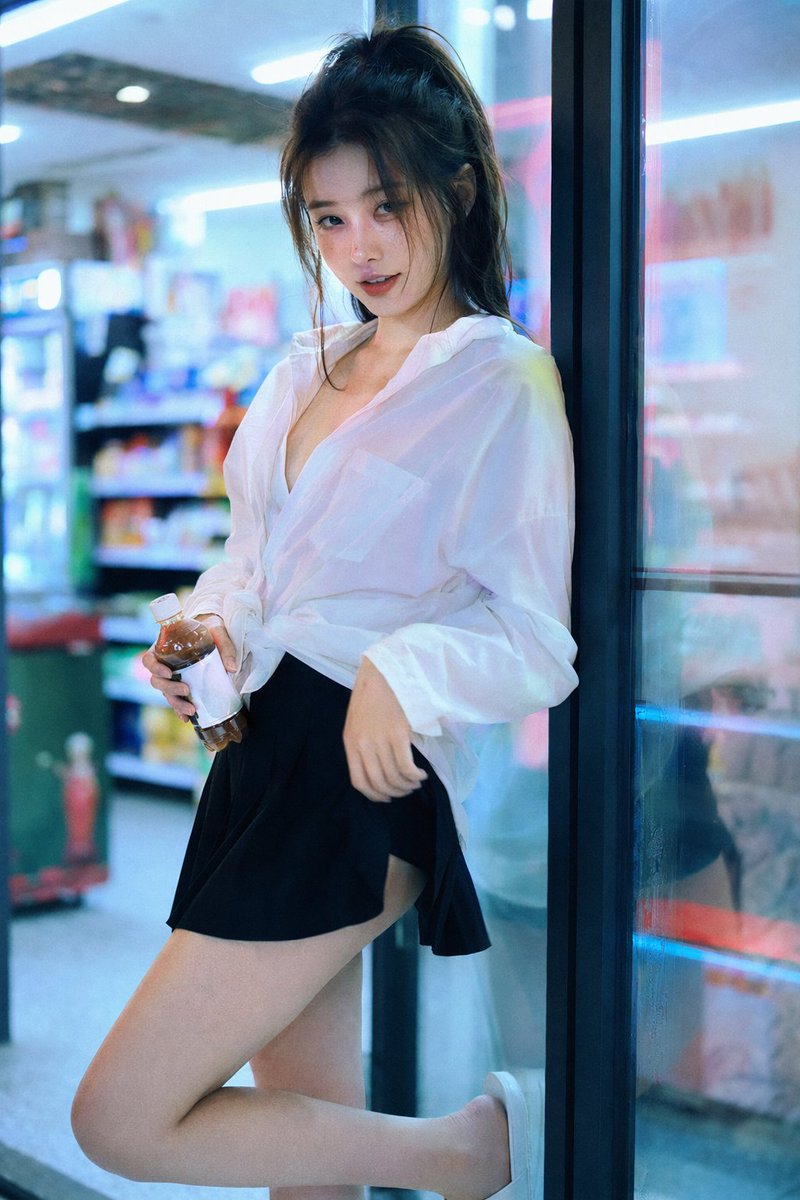
Convenience Store Neon Portrait
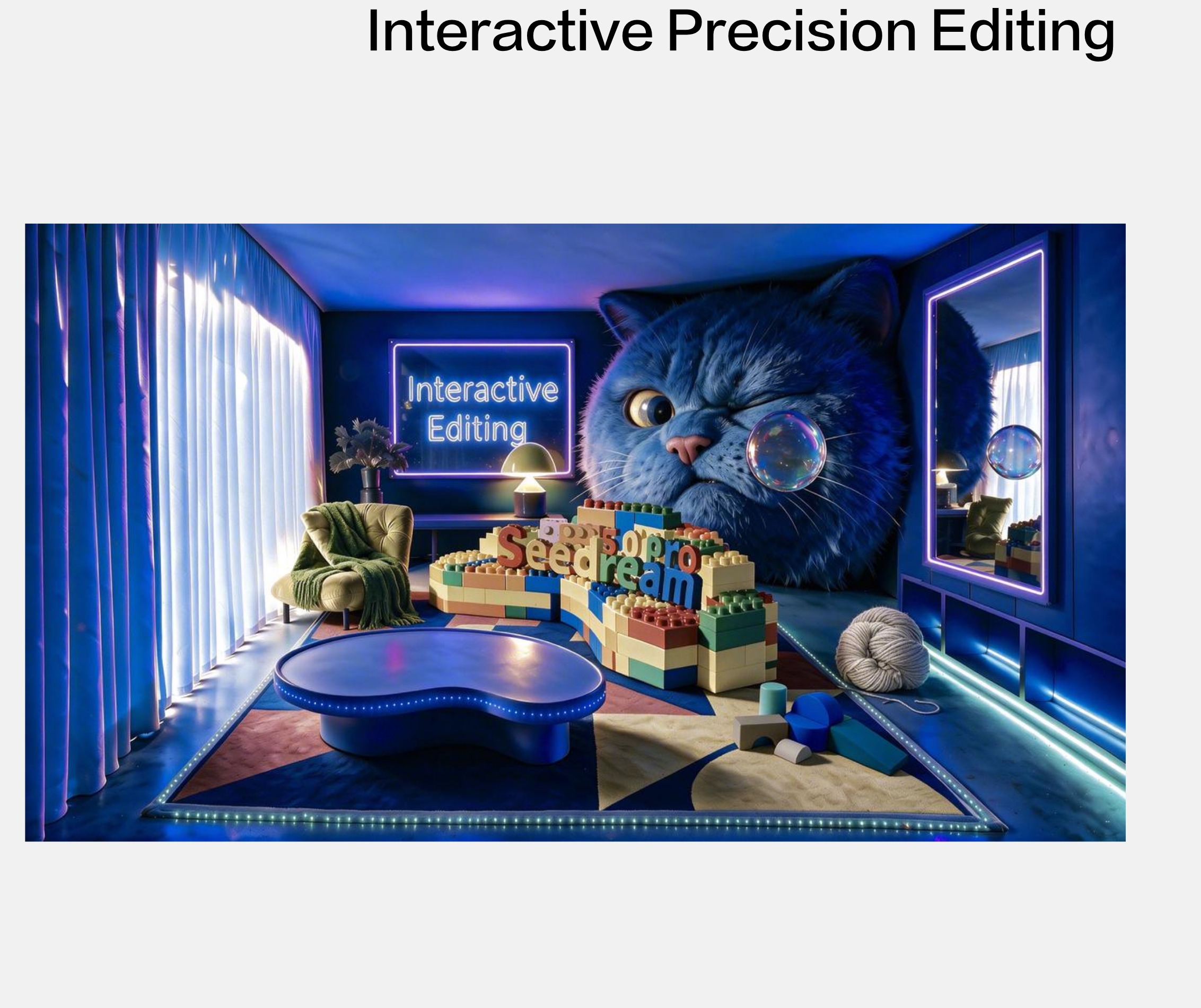
Color-Frame Region Editing
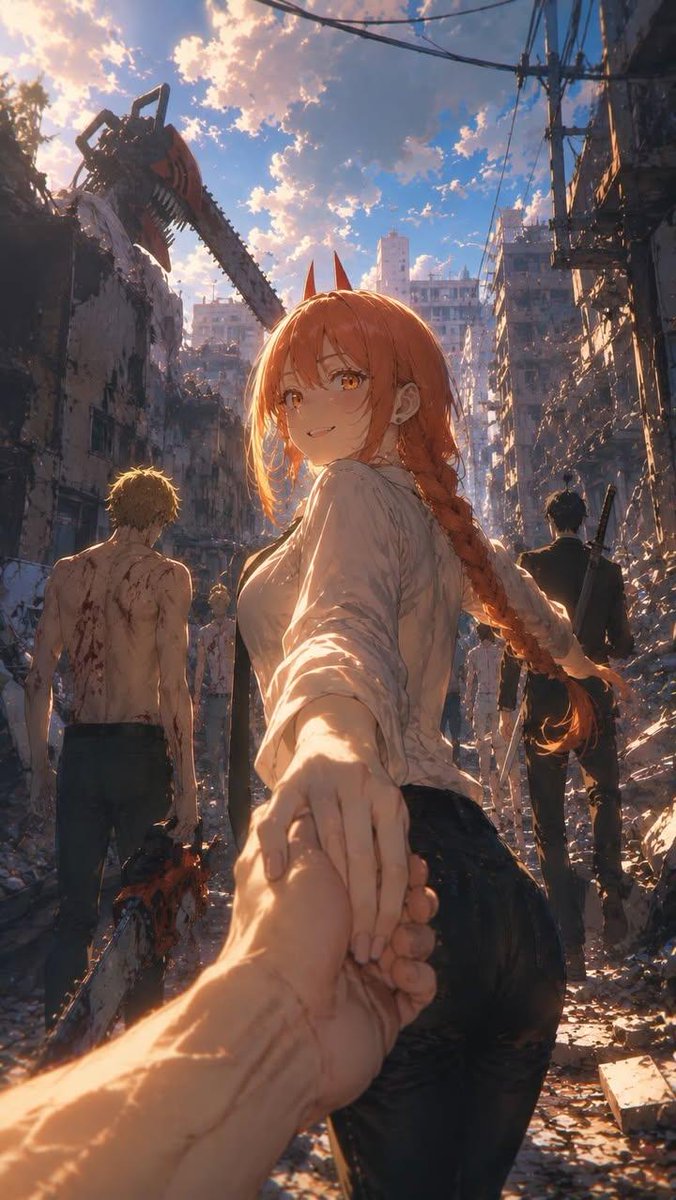
Neon Tokyo Cinematic Anime
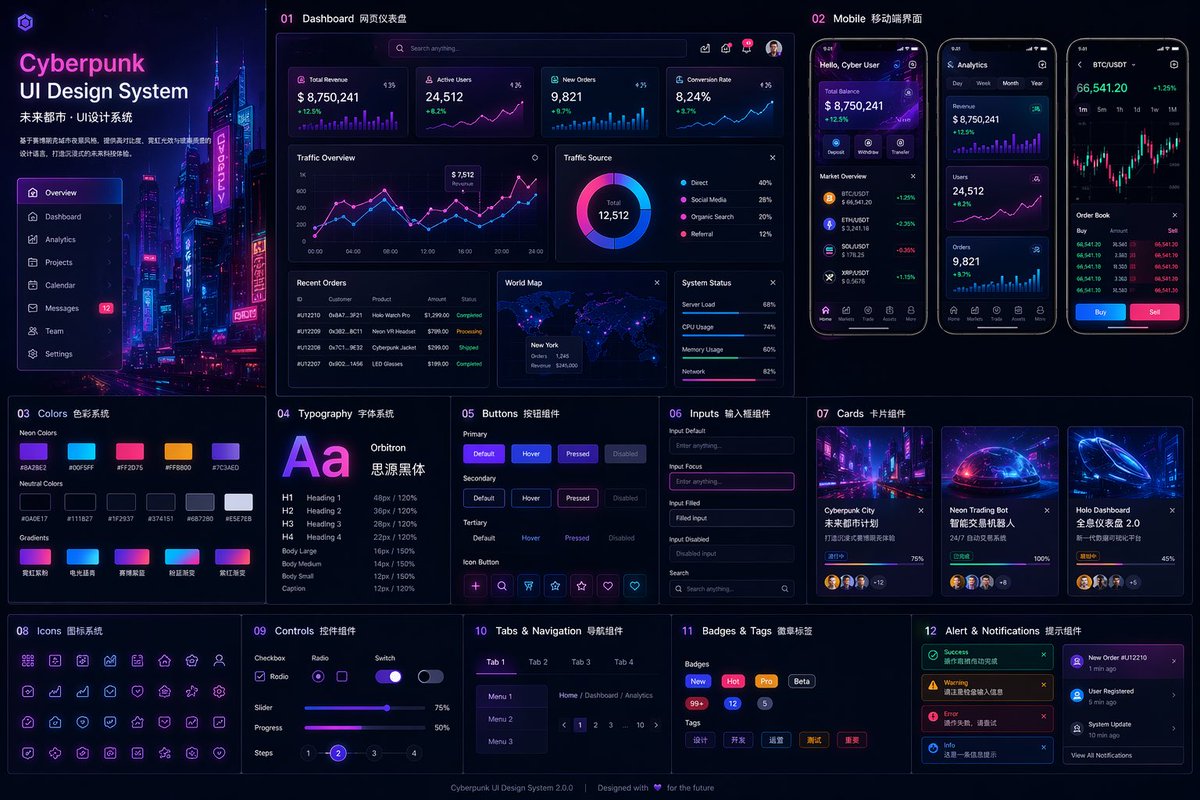
UI Design System in Futuristic Cyberpunk City Style
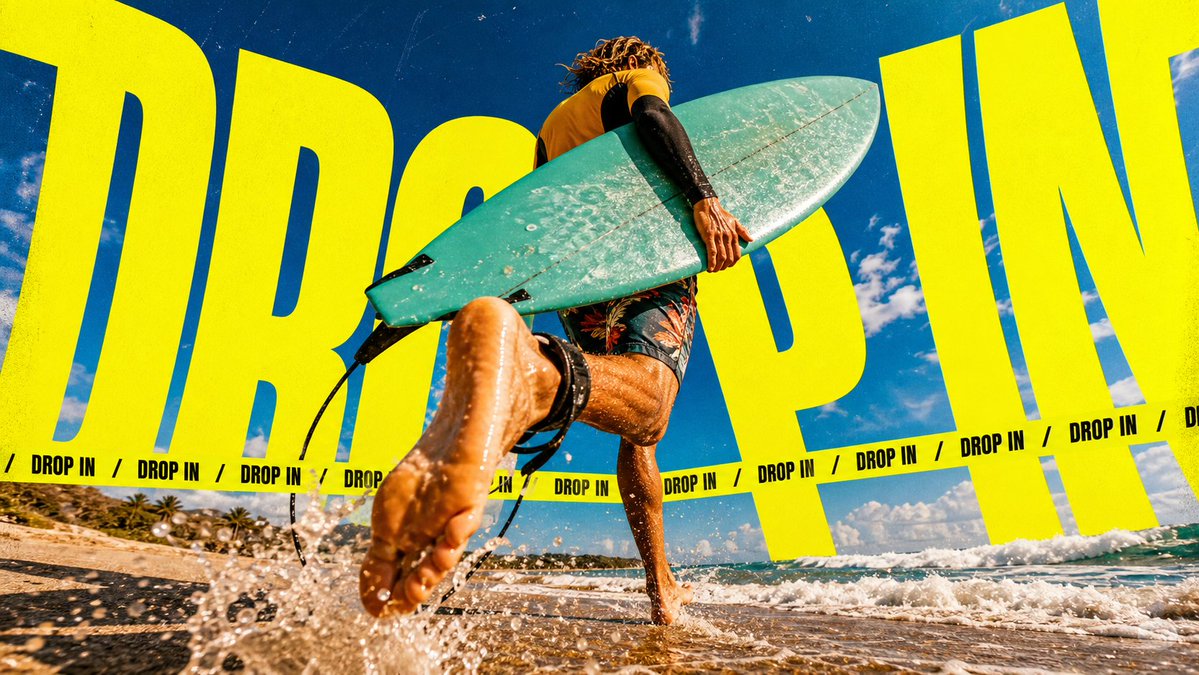
Neon Kinetic Typographic Poster
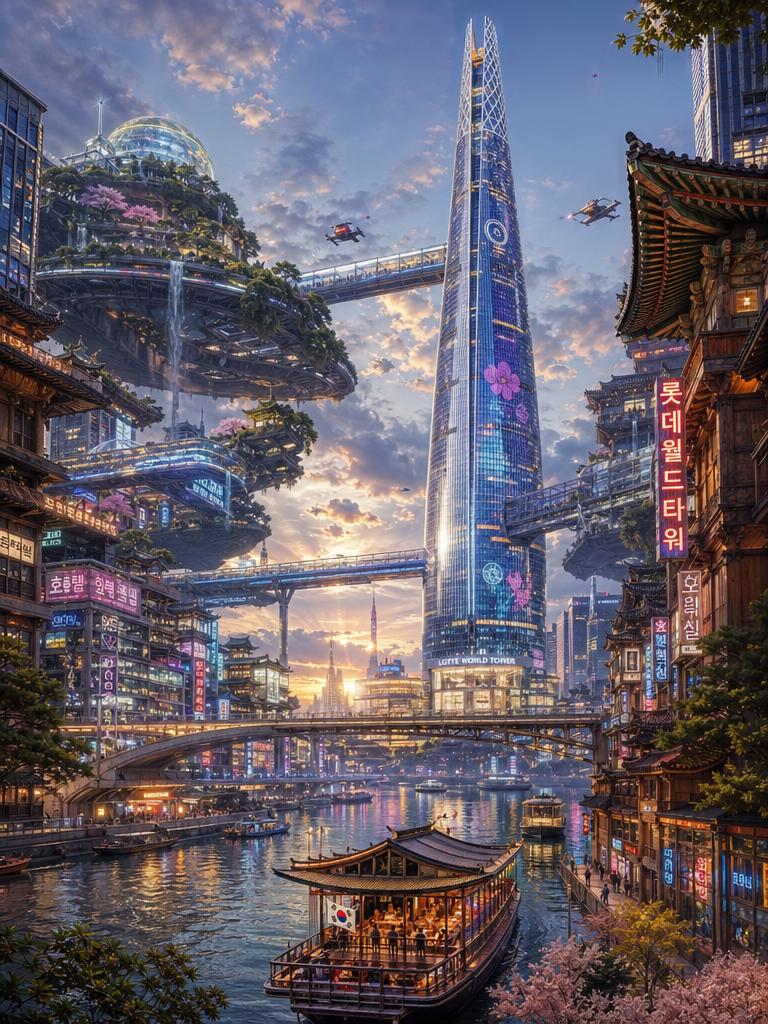
Ultra-high-definition Surrealist Futuristic Seoul Cityscape Illustration
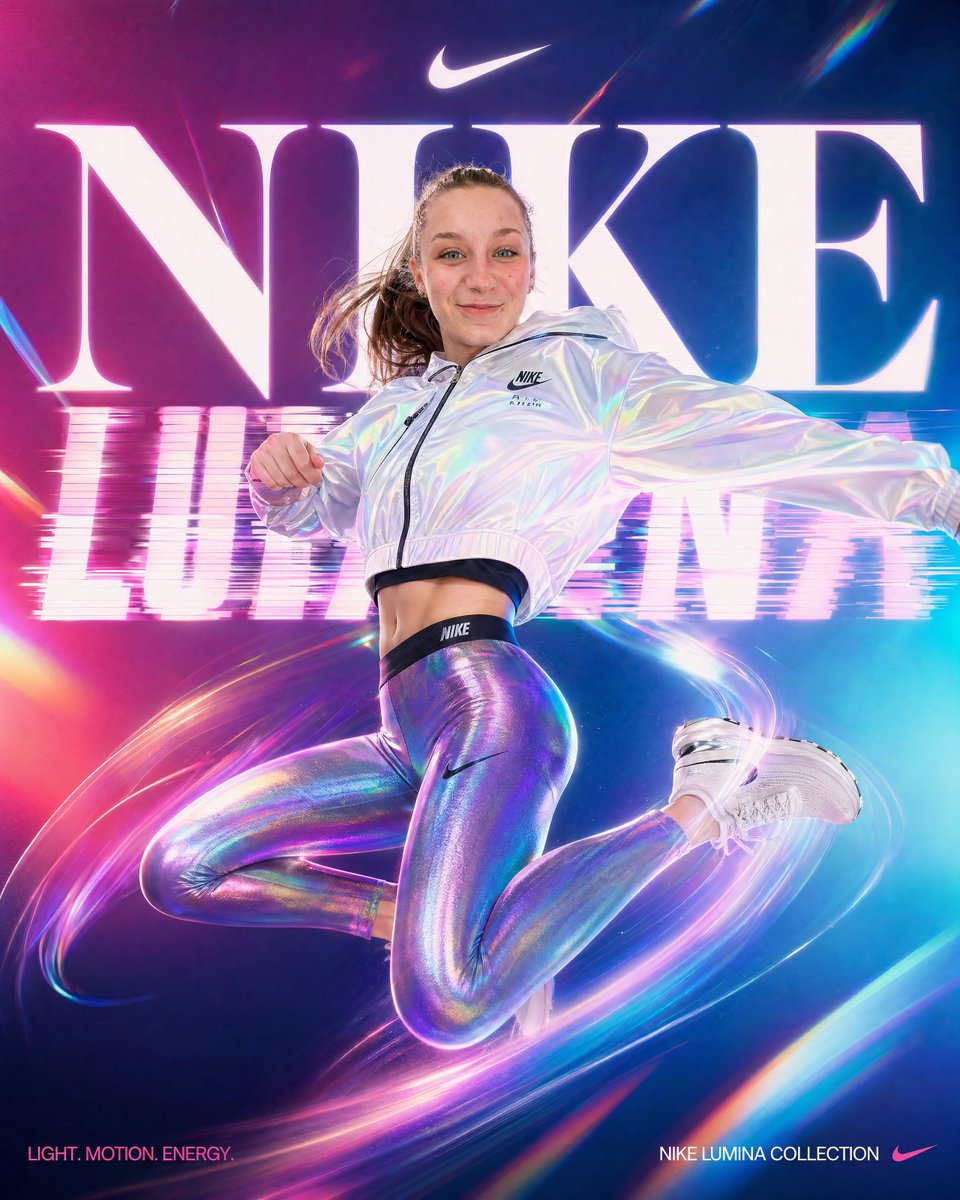
High-energy Vertical Nike Fashion Campaign Poster
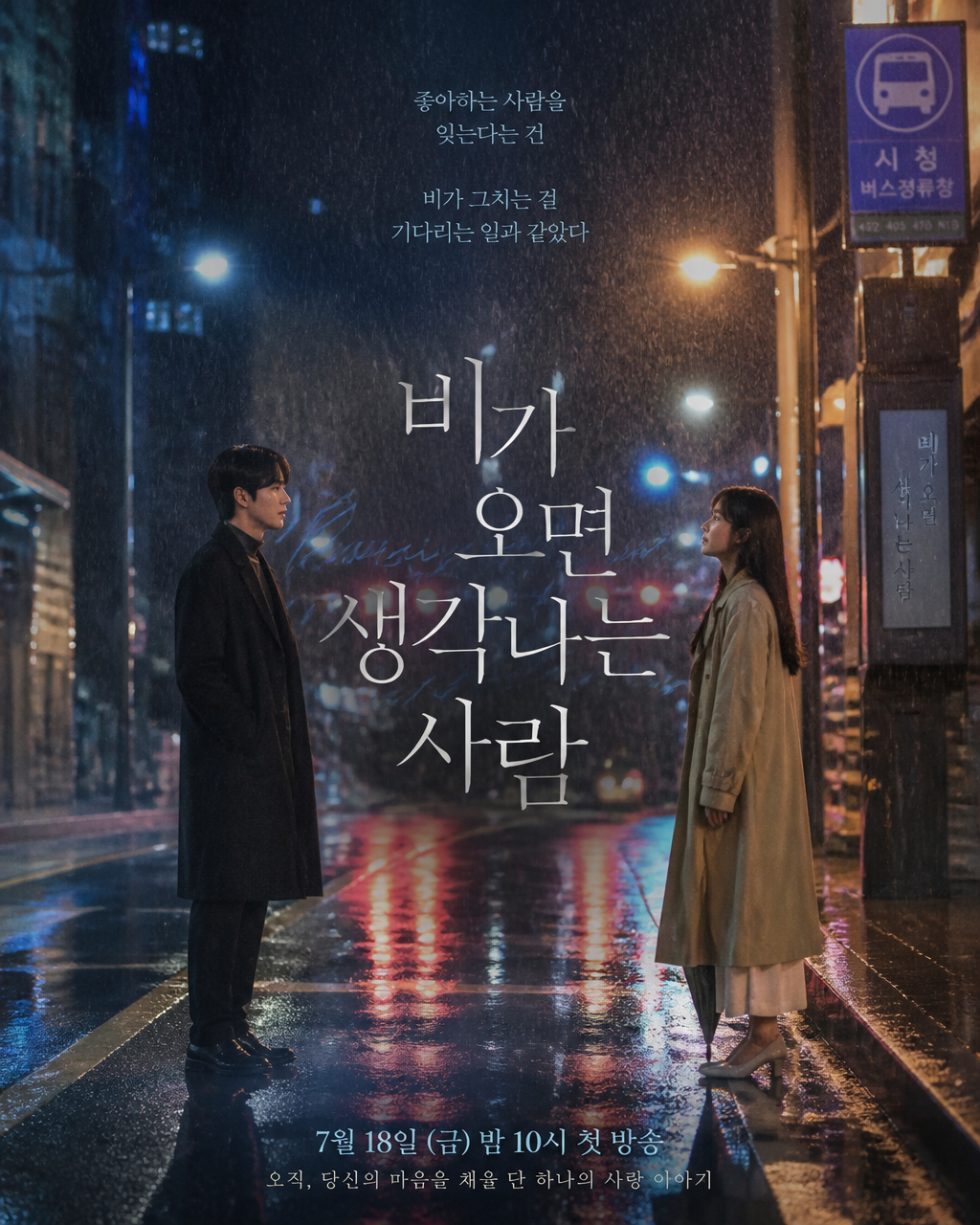
Romance Drama Poster
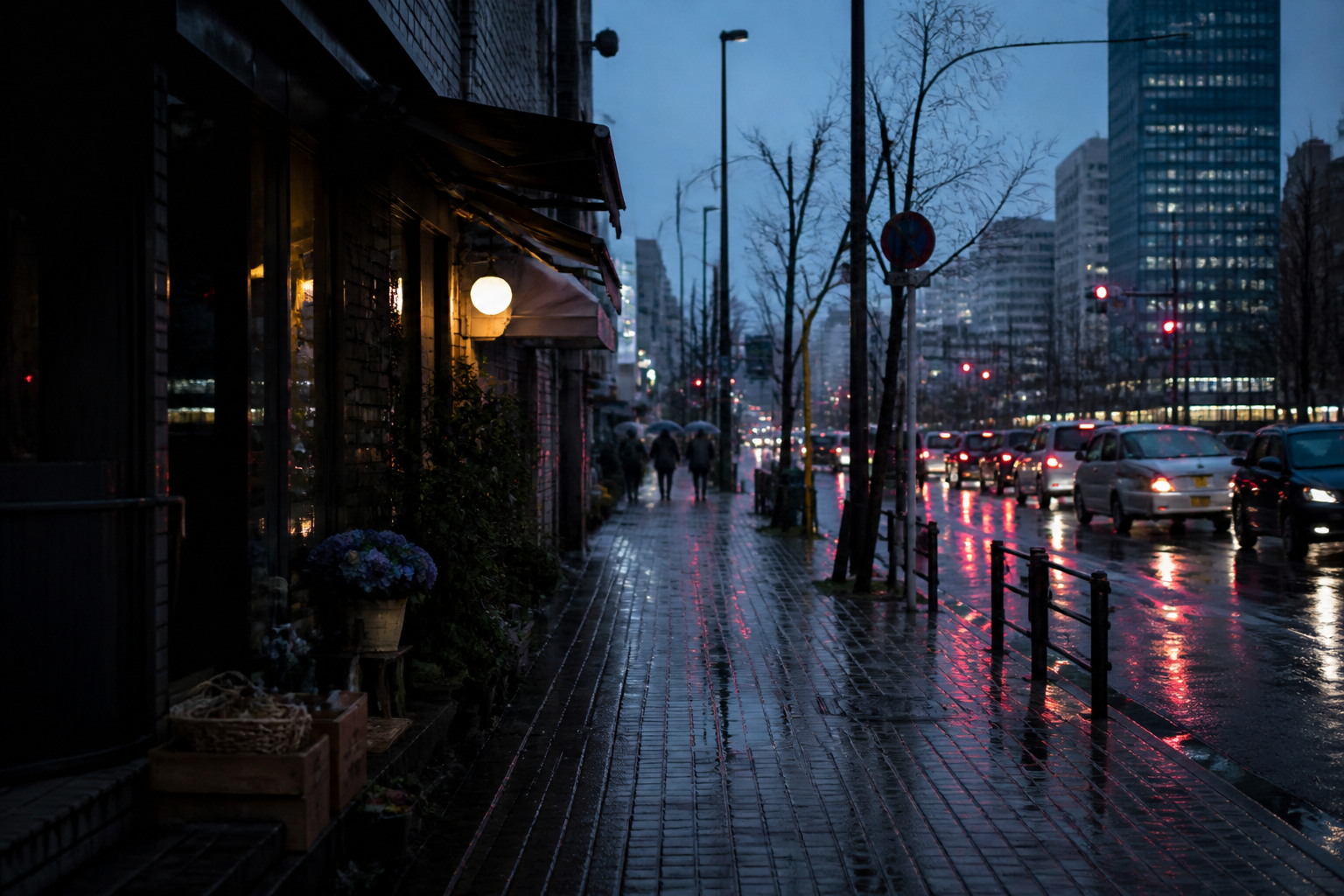
Rainy Seoul Street Photo
What Are Neon Illustration AI Prompts?
Neon Illustration AI Prompts are specialized sets of descriptive instructions designed to guide artificial intelligence in creating visually arresting artworks centered around the aesthetics of light, fluorescence, and high-contrast environments. This particular style is heavily influenced by the vibrant culture of nightlife, futuristic cybernetic themes, and the glowing radiance of gas-discharge lamps. By using Carat's advanced AI engine, creators can generate high-fidelity digital art that replicates the complex behavior of light, such as subsurface scattering, lens flares, and chromatic aberrations. These prompts allow you to bypass the steep learning curve of digital painting and traditional lighting techniques, making it possible to produce gallery-quality neon art in seconds. Whether you are looking for a retro-wave 80s aesthetic or a hyper-modern cyberpunk feel, these prompts provide the foundational structure to realize your vision.
Best Use Cases
The applications for neon-style illustrations are vast and varied in the digital landscape. They are particularly popular in the gaming industry for creating concept art that feels alive and immersive. Music producers and graphic designers often utilize this style for album art and event posters to convey a sense of energy and modernity. Social media influencers and content creators find that neon aesthetics perform exceptionally well on platforms like Instagram and YouTube, where the high-contrast colors naturally grab the viewer's attention in a crowded feed. Furthermore, the neon style is an excellent choice for branding projects that want to project a tech-savvy, innovative, or nocturnal identity. From UI/UX decorative elements to full-scale digital murals, the versatility of neon prompts makes them a staple in any modern designer's toolkit.
Why This Tag Works
The Neon Illustration tag is a powerful tool because it focuses on the emotional and atmospheric impact of color and light. The contrast between deep, dark backgrounds and piercingly bright light sources creates a dynamic range that is inherently pleasing to the human eye. This tag simplifies the process of achieving such balance by grouping together keywords that are proven to trigger the AI's understanding of luminescence. It allows for precise control over the mood - from the cool, detached feeling of electric blue to the warm, inviting glow of a sunset-orange neon sign. By providing a curated starting point, this tag ensures that users can maintain a consistent visual language across multiple generations, which is crucial for building a cohesive brand or project portfolio. It empowers creators to focus on the storytelling aspects of their art while the AI handles the technical complexities of light physics.
Explore Related Prompts
To further expand your creative horizons and experiment with different visual languages, we recommend exploring our other specialized categories. You can find inspiration in our collections for Illustration, Poster, Character, Anime Style, Cinematic Video, Pixel Art, and Ad Video. Each of these tags offers a unique perspective and can be combined with neon elements to create truly one-of-a-kind hybrid styles. For instance, combining neon with pixel art can result in a nostalgic yet modern arcade-style visual, while applying it to cinematic video prompts can elevate your motion projects with professional-grade lighting effects.
Prompt Building Tips
Creating the perfect neon illustration requires a thoughtful approach to prompt construction. Start by defining the environment - are you in a rainy alleyway or a sterile futuristic laboratory? Rain and reflective surfaces are your best friends in neon art, as they provide more opportunities for the light to bounce and interact, adding layers of complexity to the image. When specifying colors, use evocative terms like 'fluorescent magenta', 'radioactive green', or 'laser-focused white' to guide the AI toward a specific intensity. Don't forget to mention the intensity of the glow; words like 'overblown', 'soft-focus', or 'sharp-edged' can drastically change the vibe of the lighting. Lastly, consider the camera angle and lens type - a wide-angle shot with a low perspective can make neon skyscrapers look truly monumental, while a macro shot of a single neon tube can create a beautiful, abstract piece of minimalist art.