News Anchor
Create professional news anchor portraits and realistic broadcasting studio scenes using our specialized AI prompts.
2026.07.08
Make “News Anchor” exactly the way you wantCreate your own “News Anchor”
Just ask in plain language — Carat generates optimized images and videos for you.

Start now with 100 free credits daily
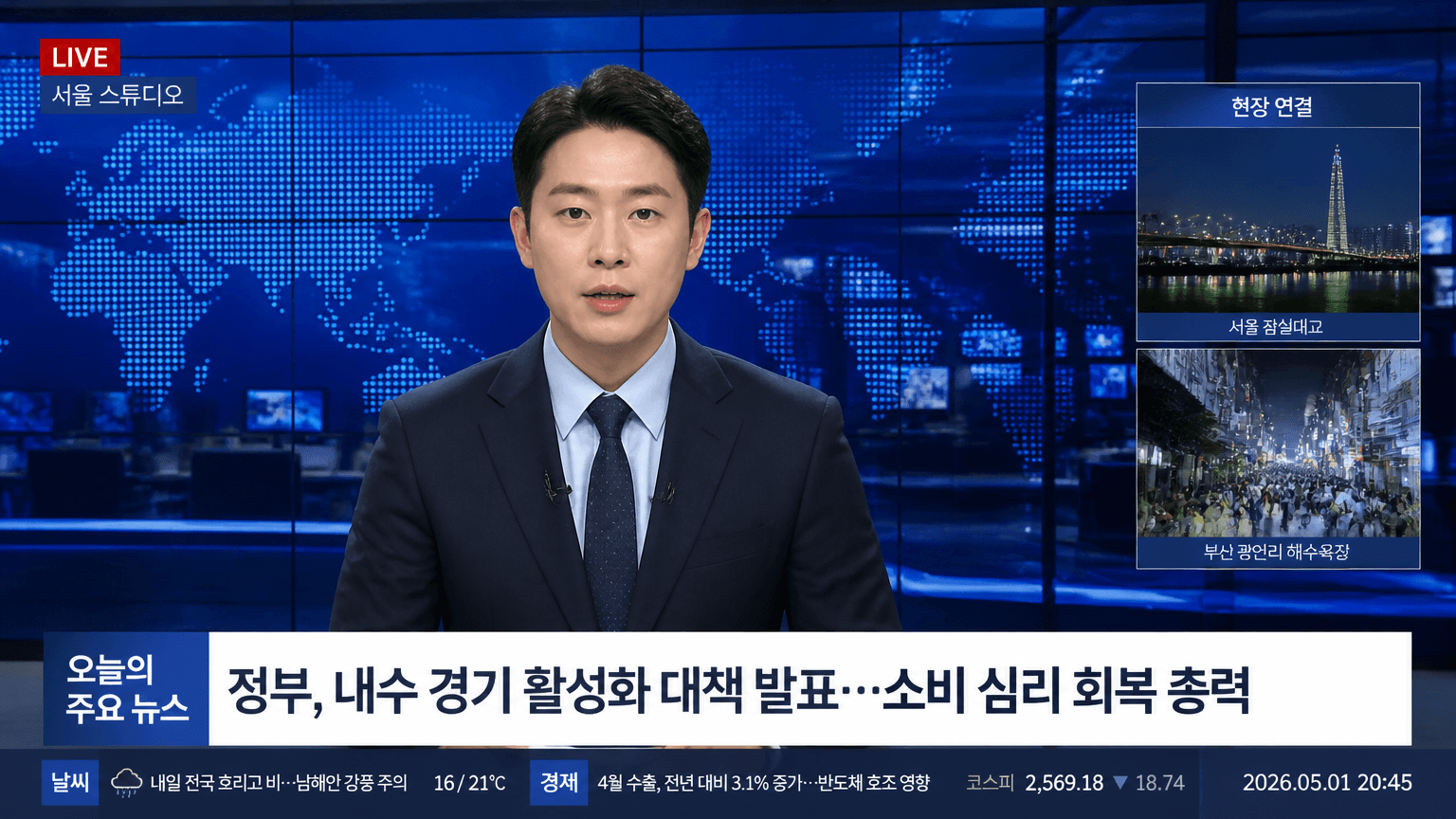
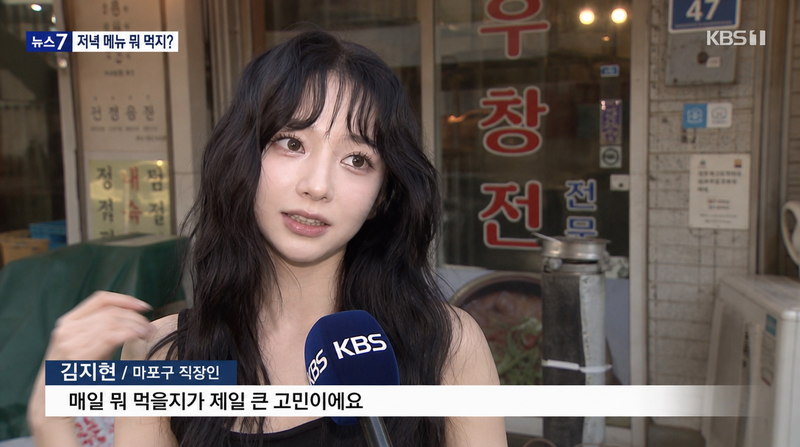
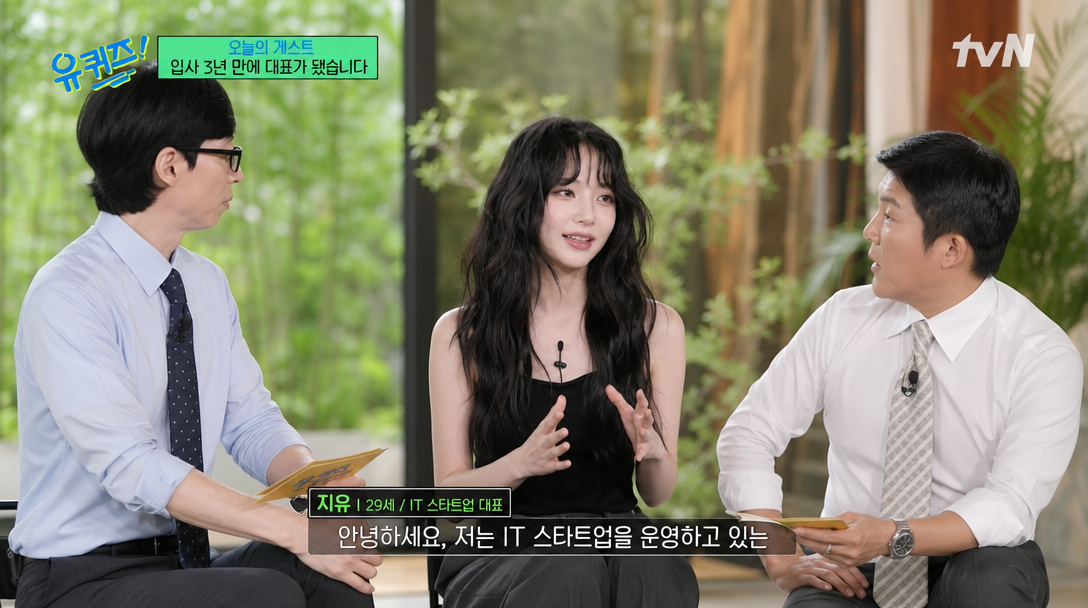
News Anchor Interview Screen

Korean Street News Interview Shot
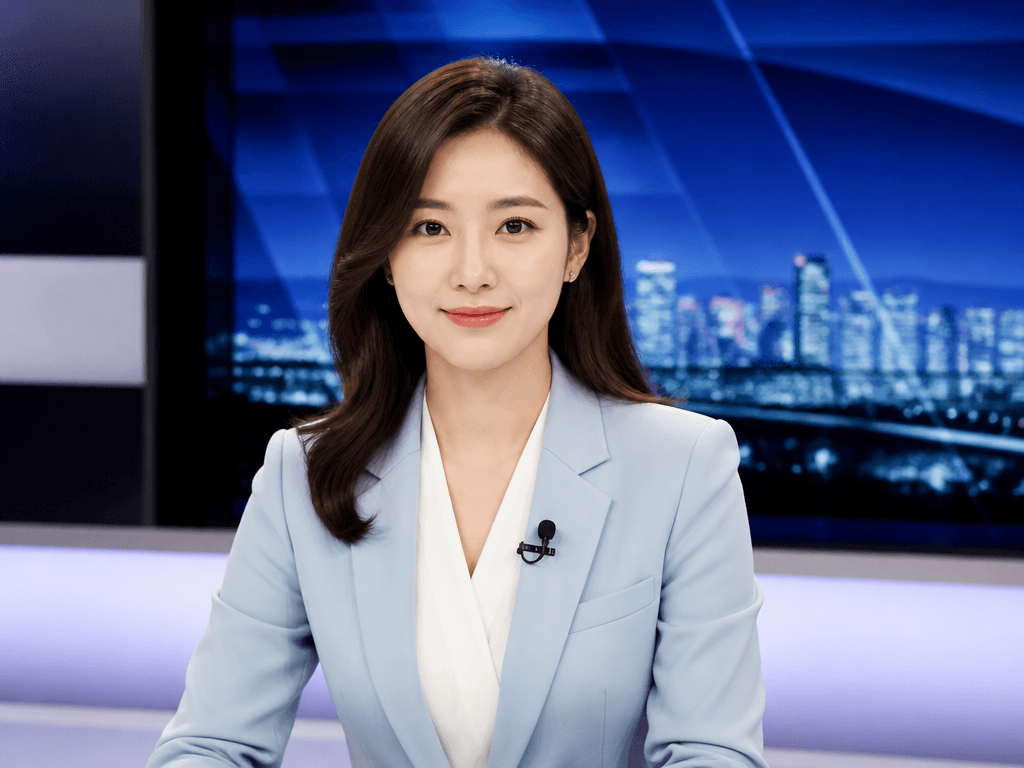
news anchor
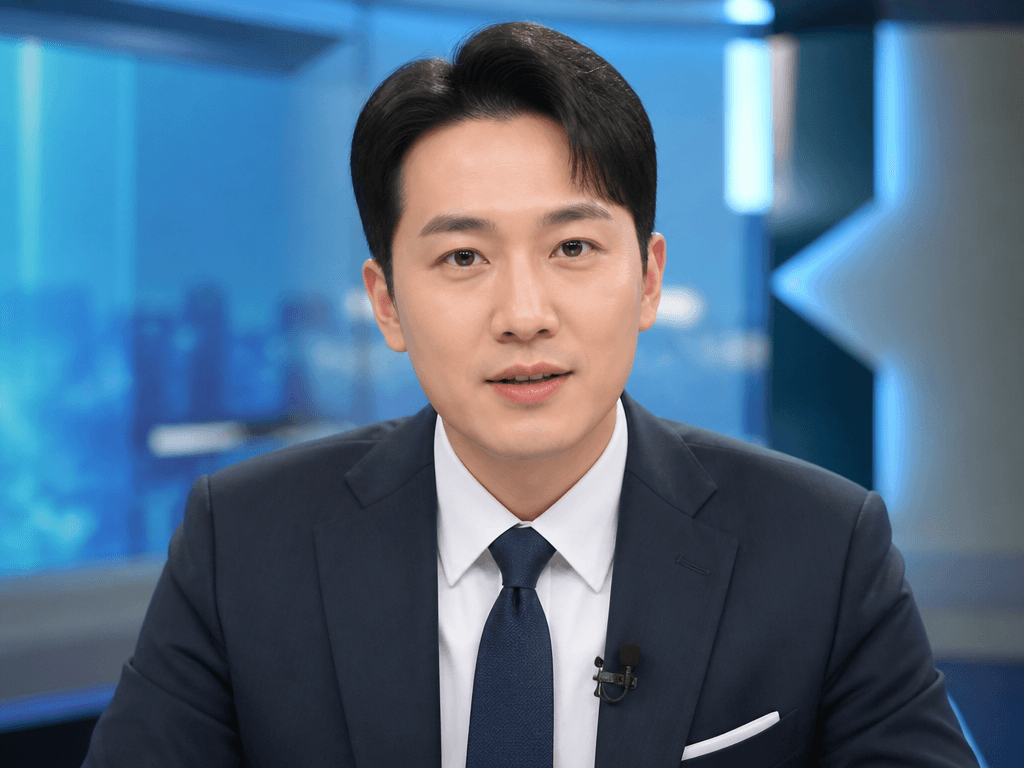
news anchor
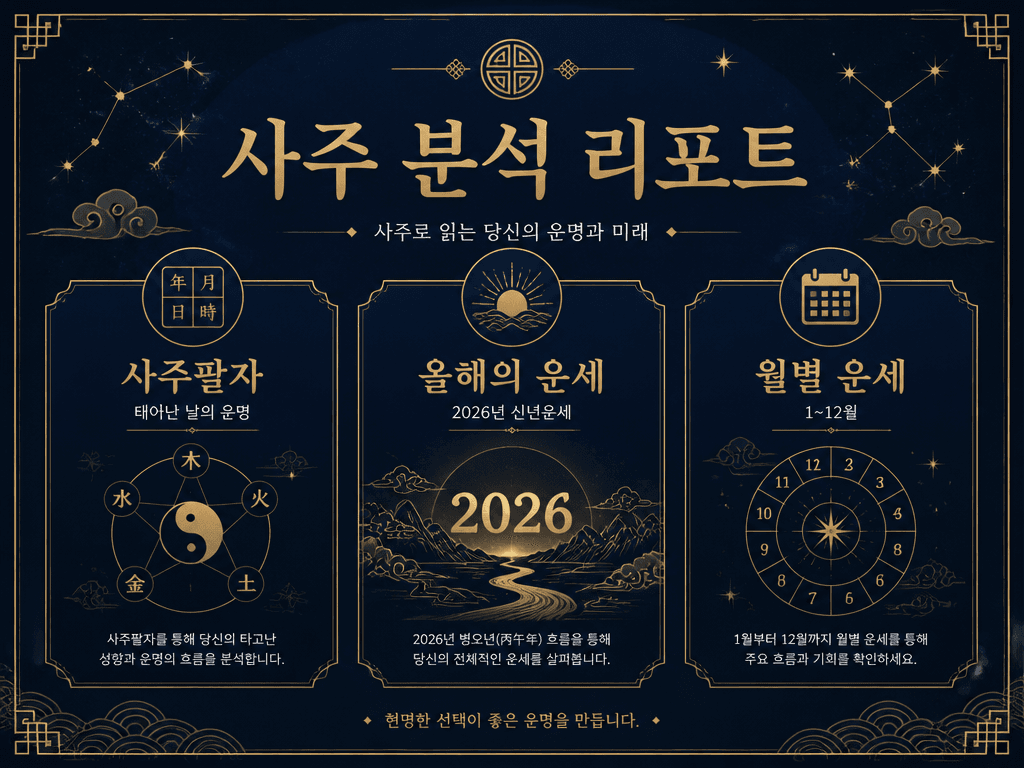
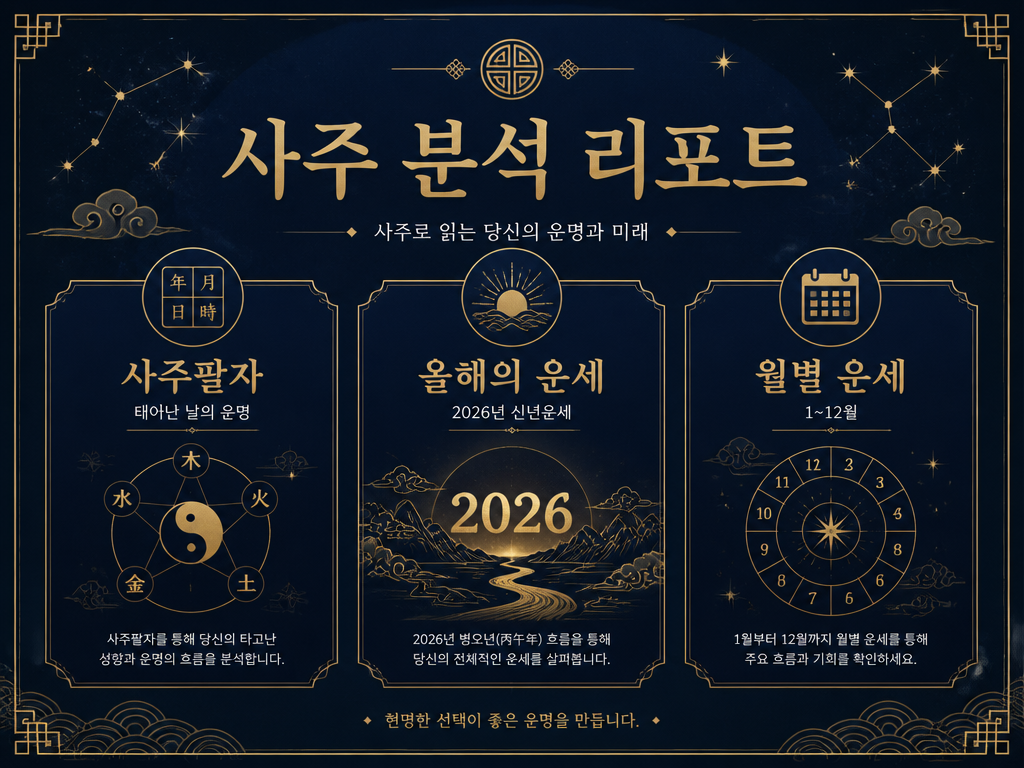
사주 분석 카드 뉴스
The Visual Authority of a News Anchor
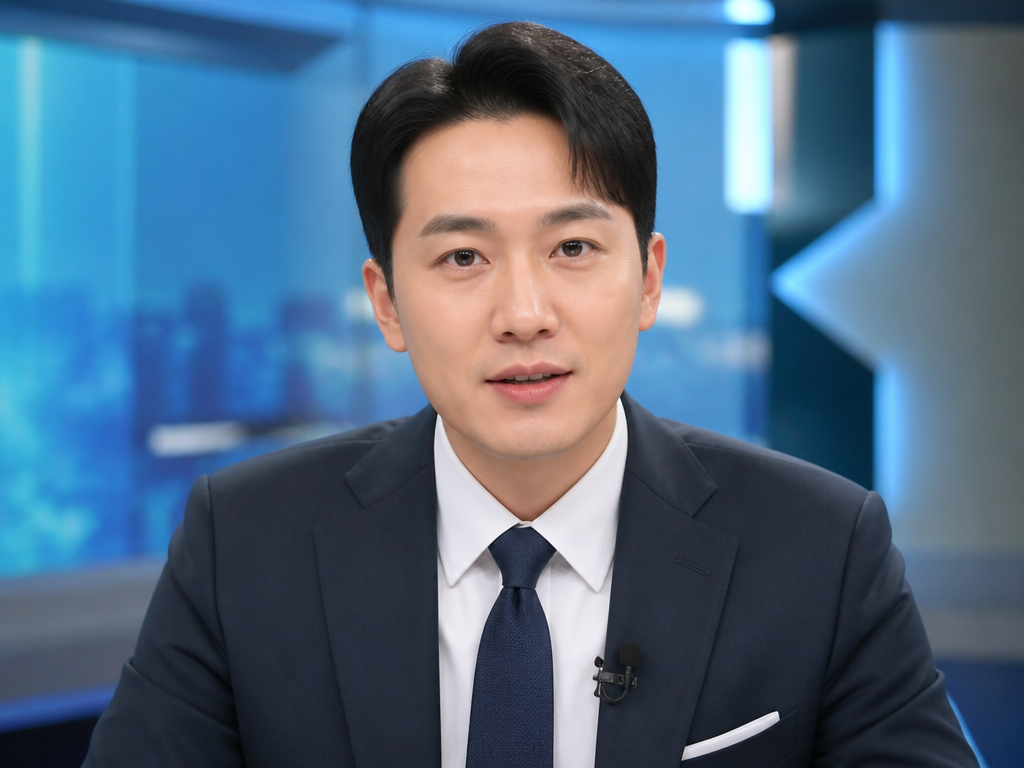
A news anchor serves as the face of information, and their visual representation must exude authority, reliability, and composure. Generating an AI image of a news anchor requires more than just a person in a suit; it involves capturing the specific ambiance of a live television broadcast. Key elements include a direct, confident gaze into the camera lens, a perfectly groomed hairstyle, and an upright posture that suggests attentiveness. The goal is to create an image that feels as if it were a high-definition screen capture from a major global news network. By focusing on these non-verbal cues in your AI prompts, you can ensure that the resulting character looks like a seasoned media professional capable of delivering breaking news to millions. This theme is ideal for creating avatars for virtual news programs, corporate communications, or educational simulations where a credible spokesperson is needed.
Studio Environment and Technical Set Design
The background of a news anchor is just as important as the subject themselves. A modern broadcasting studio is a complex environment filled with technology. To capture this in AI, your prompts should include details like 'curved high-tech news desk', 'multi-layered background with glowing blue accents', and 'large integrated LED screens displaying global weather or financial data'. These elements add depth and context to the shot. Specifying the presence of studio equipment, such as 'professional teleprompter reflections', 'boom microphones just out of frame', and 'multiple camera setups', further enhances the realism. The lighting in these environments is typically very specific; it is 'bright, even, and flattering', often referred to as high-key lighting, which eliminates harsh shadows and ensures the anchor's facial expressions are clear and readable for the audience. Including 'studio fill light' and 'rim lighting' can help separate the subject from the busy background.
Wardrobe and Professional Styling Standards
Attire plays a crucial role in the perceived credibility of a news anchor. For male anchors, prompts should specify 'crisp white dress shirts', 'perfectly knotted silk ties', and 'well-tailored charcoal or navy suits'. Avoid overly busy patterns that might cause moiré effects on a screen. For female anchors, options include 'sophisticated blazers with sharp lapels', 'structured sheath dresses in solid colors', and 'minimalist professional jewelry'. The styling should be neat and conservative; think 'polished hair with no flyaways' and 'matte professional makeup'. Even the choice of eyeglasses can be a deliberate design decision, with 'thin-framed designer glasses' adding a touch of intellectualism. By providing the AI with these specific fashion directives, you can avoid generic 'office worker' looks and achieve a specialized 'media personality' aesthetic that is instantly recognizable to any viewer.
Camera Angles and Cinematic Framing
In the world of television news, framing is standardized to ensure focus and clarity. The most common shot for a news anchor is the 'medium-close-up' or 'bust shot', which captures the head and shoulders while showing some of the desk and background. This framing creates an intimate yet professional distance from the viewer. For a more dynamic feel, you might prompt for a 'medium shot' showing the anchor seated behind a large desk with their hands holding a script or a tablet. For on-the-scene reporting, a 'full-body shot' with a 'handheld microphone with a news station logo' can be used, often with a slightly blurred 'out-of-focus city background' to simulate a live outdoor broadcast. Experimenting with 'eye-level camera angles' is essential for establishing a direct connection with the viewer, as it creates a sense of equality and honesty that is vital for news dissemination.
Mastering Post-Production and High-Quality Outputs
To achieve a result that truly looks like 4K broadcast television, you must pay attention to technical quality tags in your AI prompts. Include keywords like 'hyper-realistic', 'photorealistic', '8k resolution', and 'intricate skin details' to ensure the texture of the clothing and skin is sharp. You can also specify the 'camera lens' feel, such as 'captured on Sony A7R IV with a 50mm lens', to give the image a specific photographic quality. Using 'shallow depth of field' can help in creating a professional bokeh effect where the studio lights in the background become soft, glowing circles, further emphasizing the anchor in the foreground. Don't forget to include negative prompts for things like 'messy studio', 'blurry face', and 'inconsistent lighting' to maintain the high standards of a professional news production. With these advanced techniques, your AI-generated news anchor images will be ready for any professional media project or creative presentation.