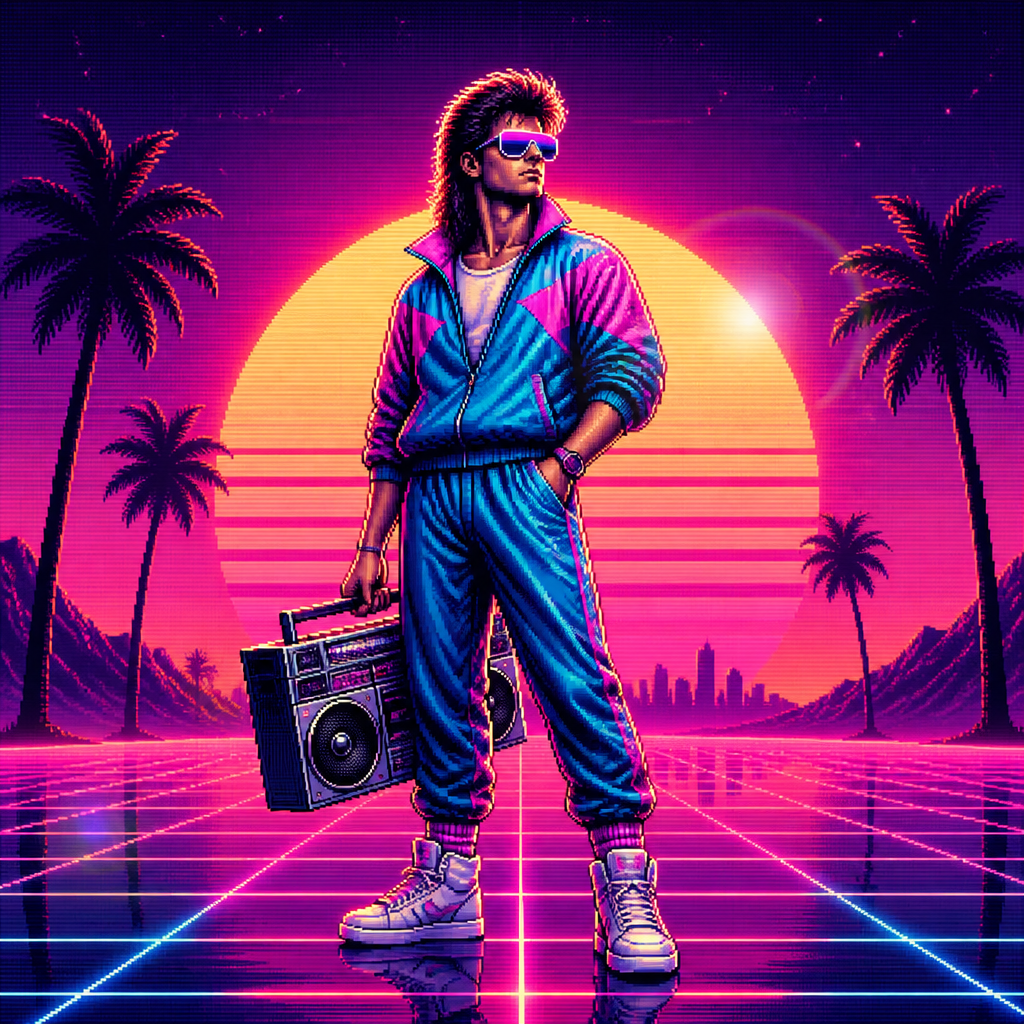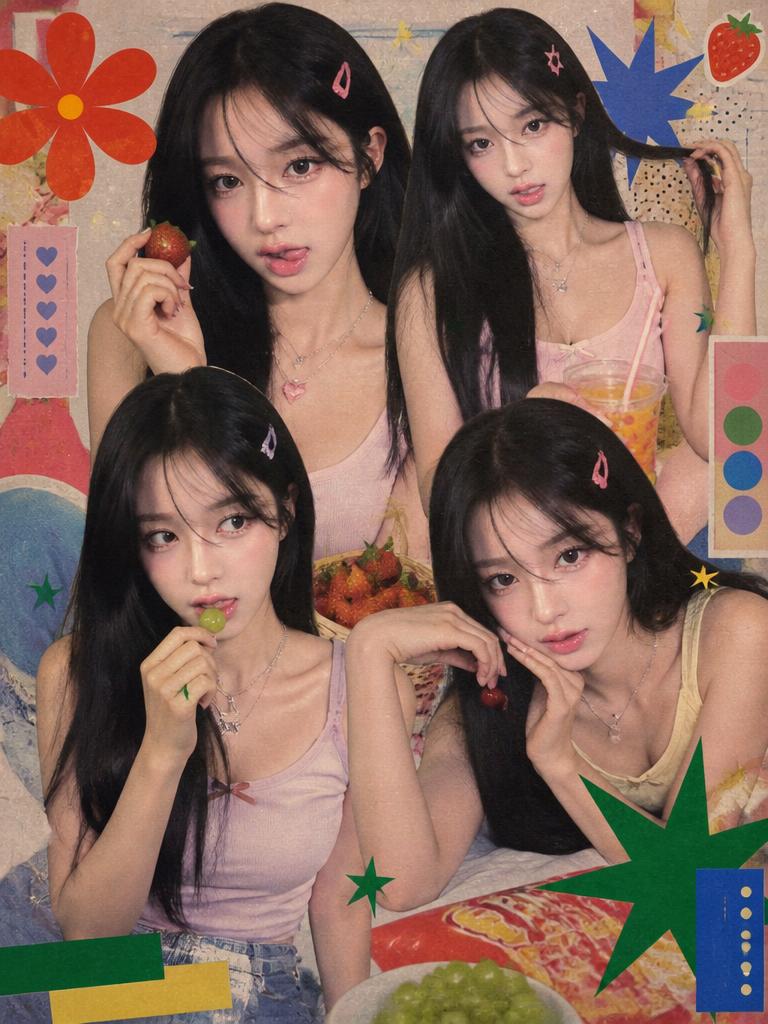
Nostalgic Design
Create emotional nostalgic designs with retro car illustrations and vintage toy prompts.
2026.07.04
Make “Nostalgic Design” exactly the way you wantCreate your own “Nostalgic Design”
Just ask in plain language — Carat generates optimized images and videos for you.

Start now with 100 free credits daily
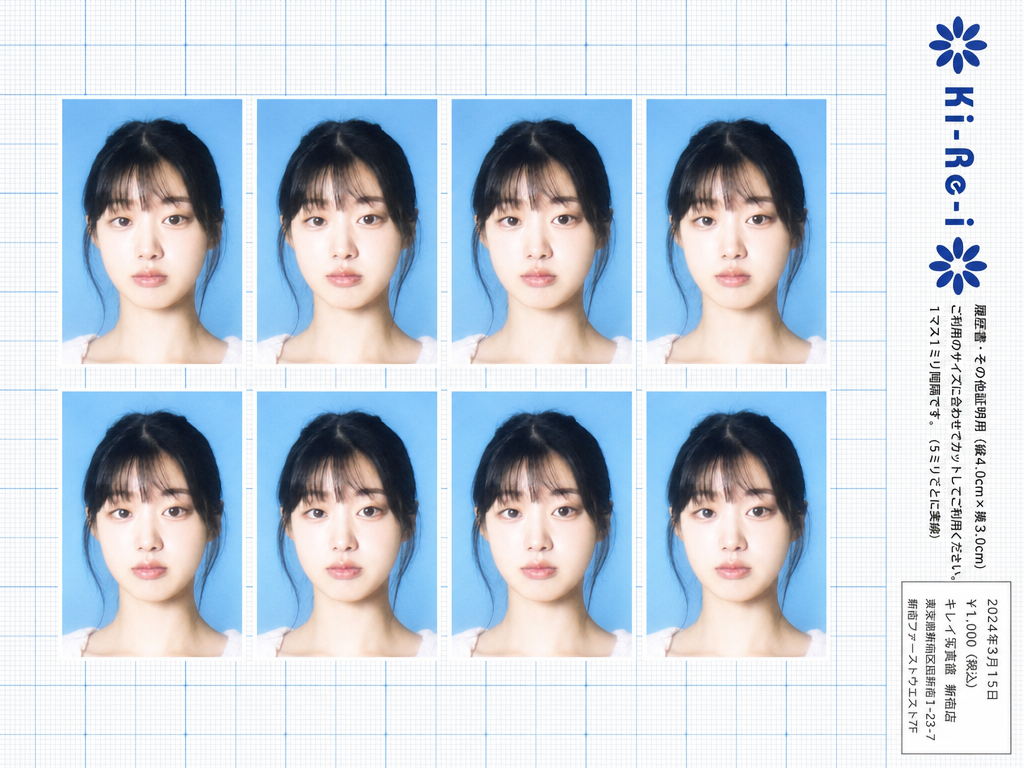
Ki-Re-i ID Photo Sheet
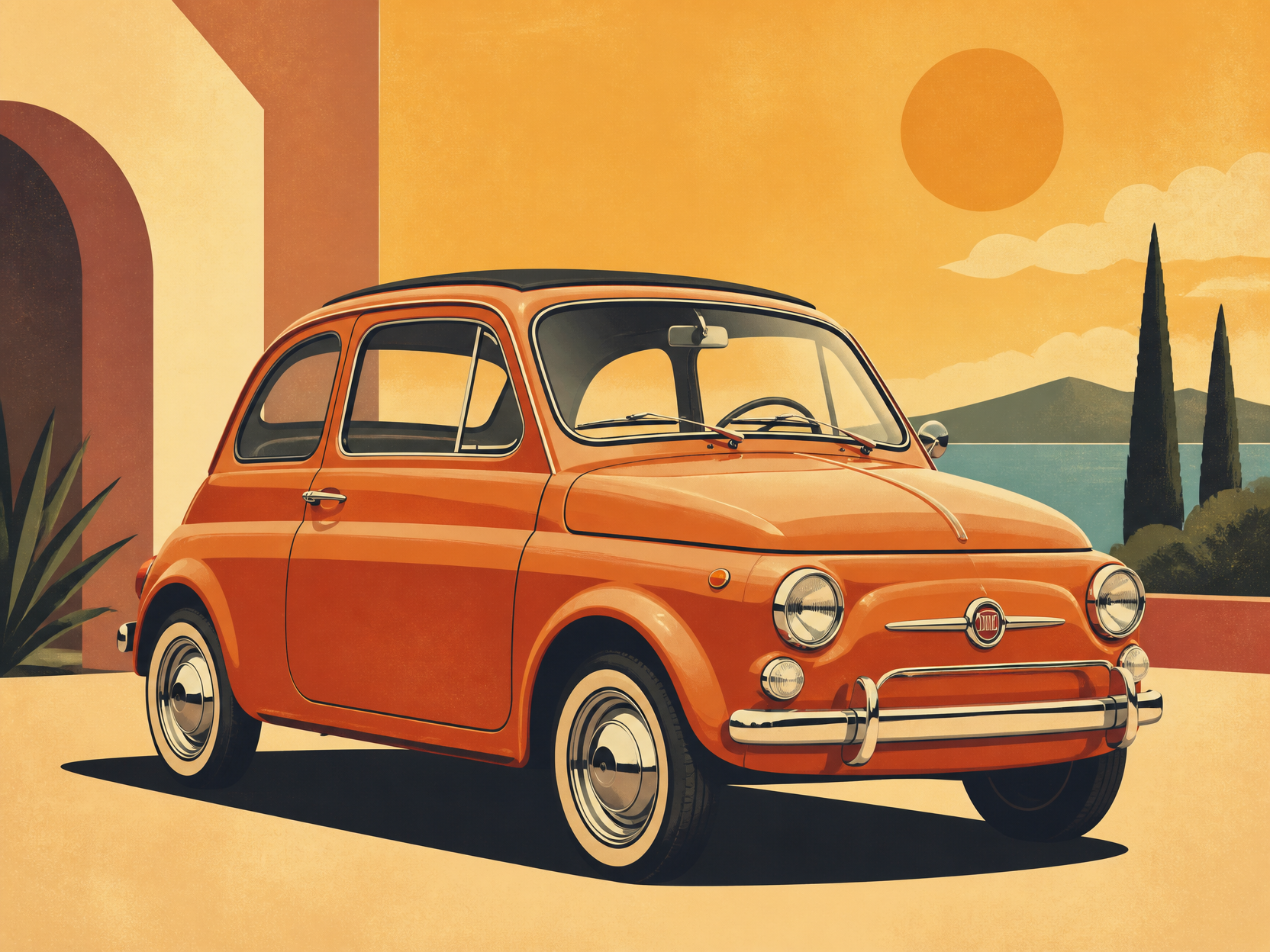
레트로 자동차 일러스트
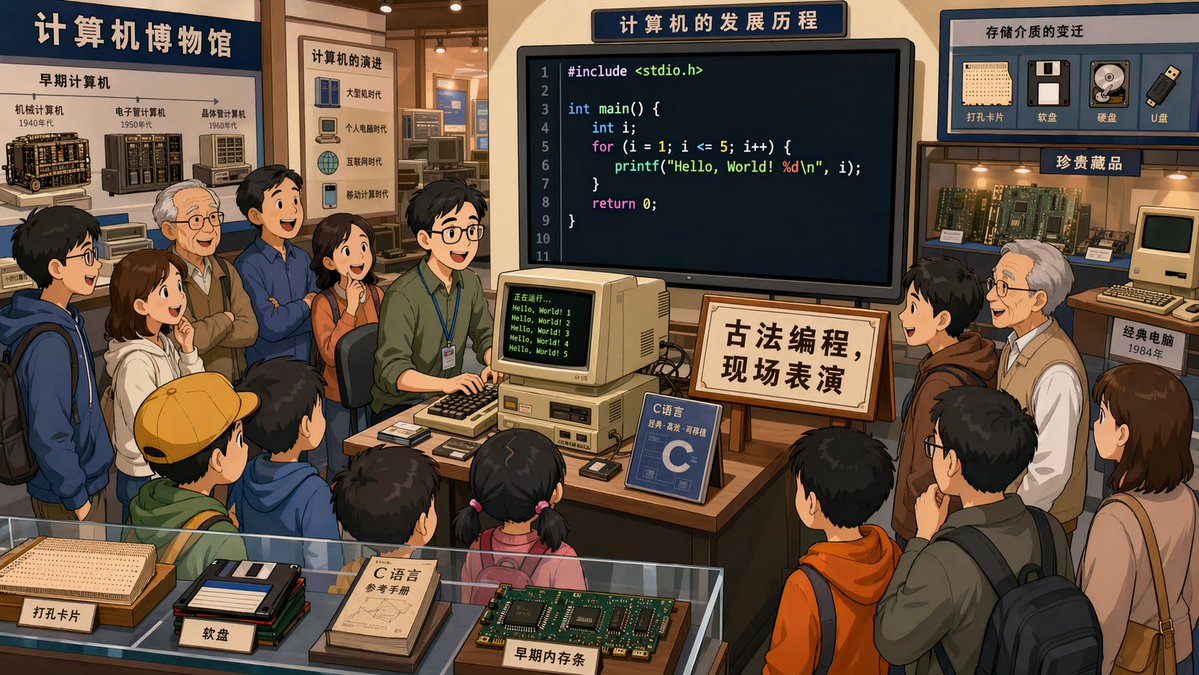
In a Computer Museum
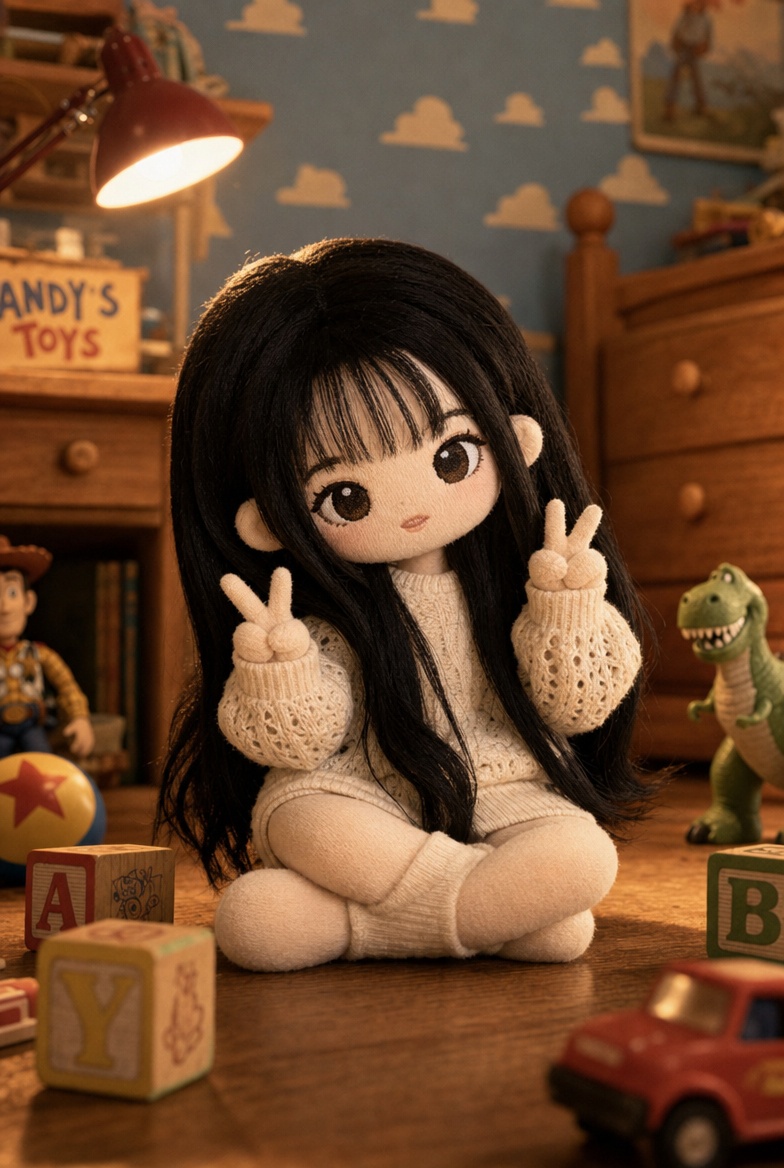
Toy Story Knit Plush Doll
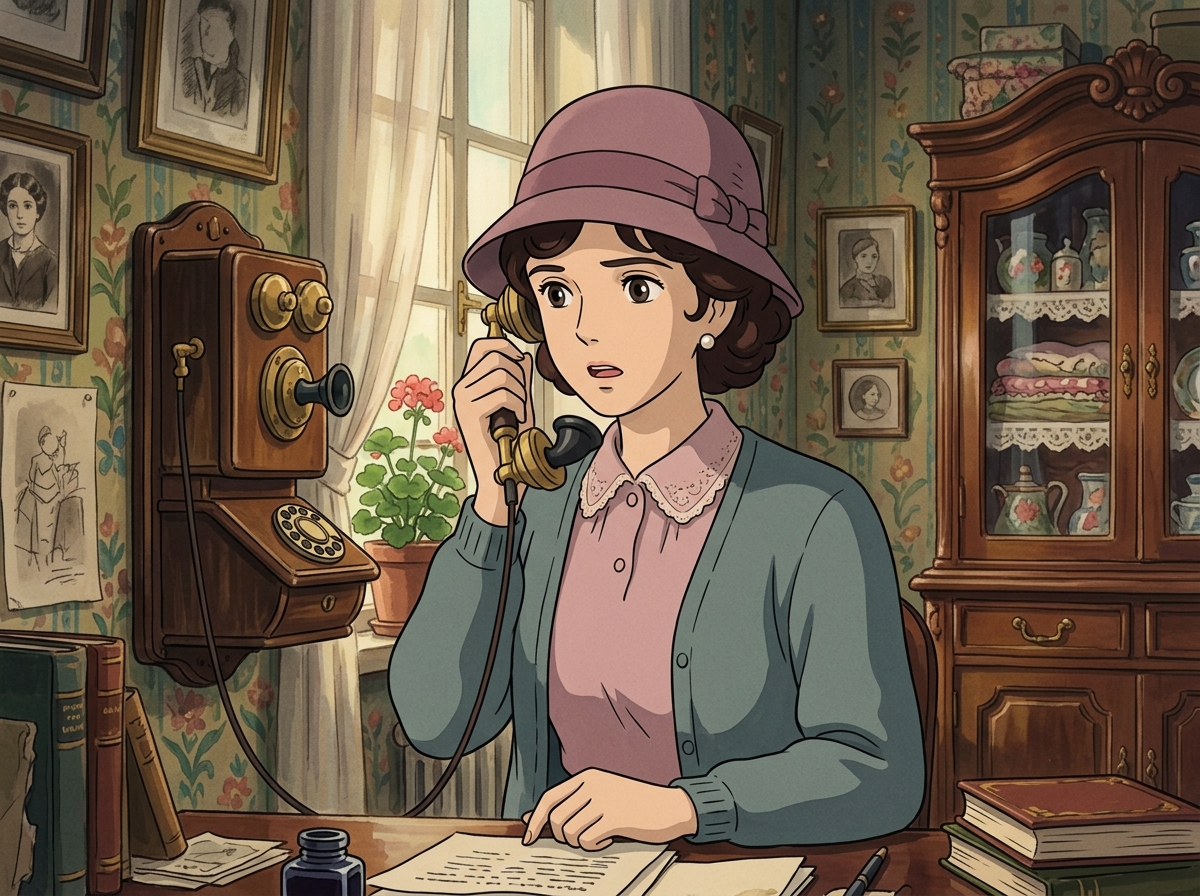
Lady on a Vintage Telephone
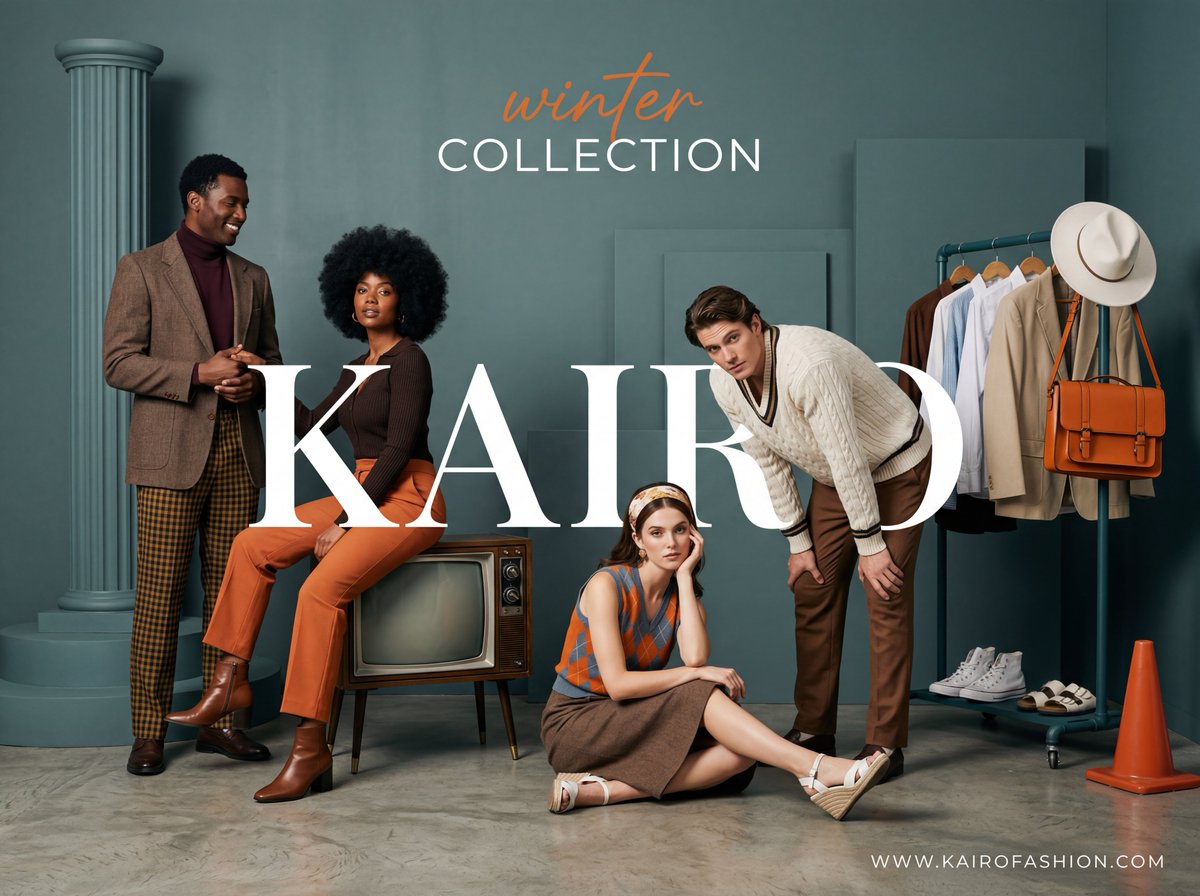
Retro Modern Fashion Advertisement
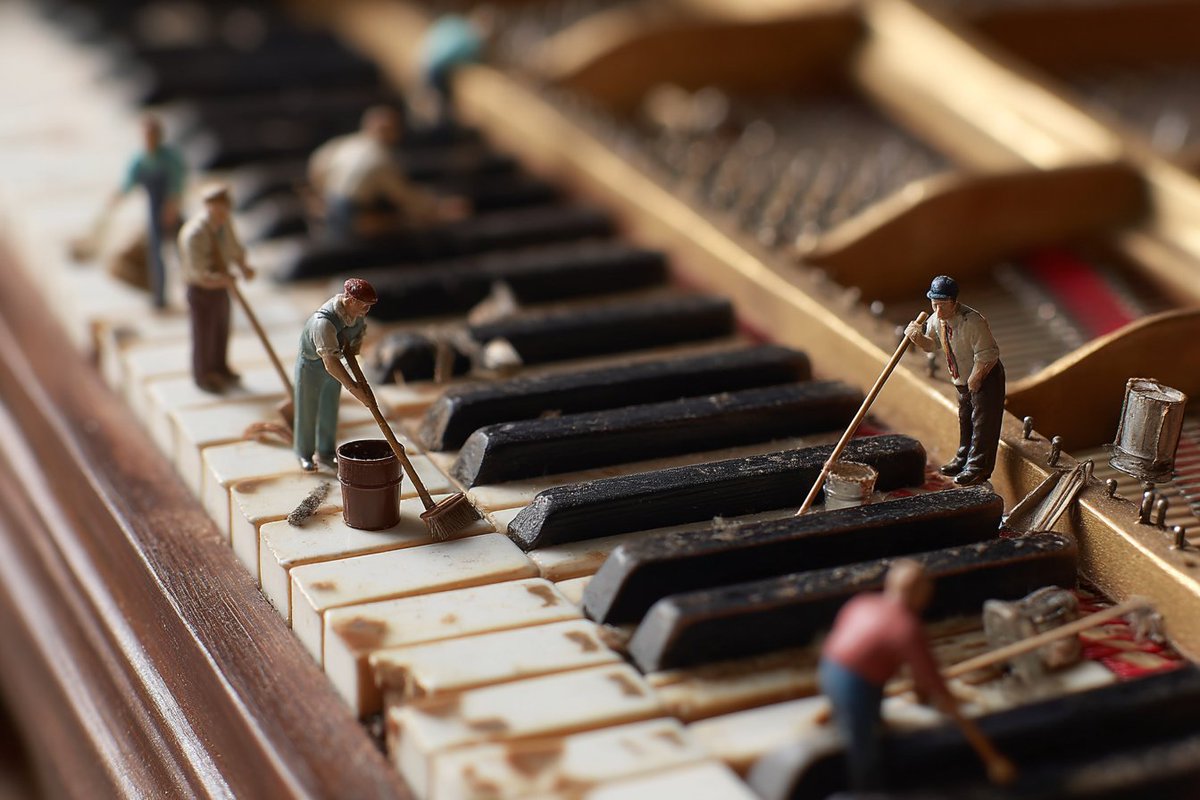
Miniature Workers Cleaning Piano Keys

Miniature Street Musician on Books
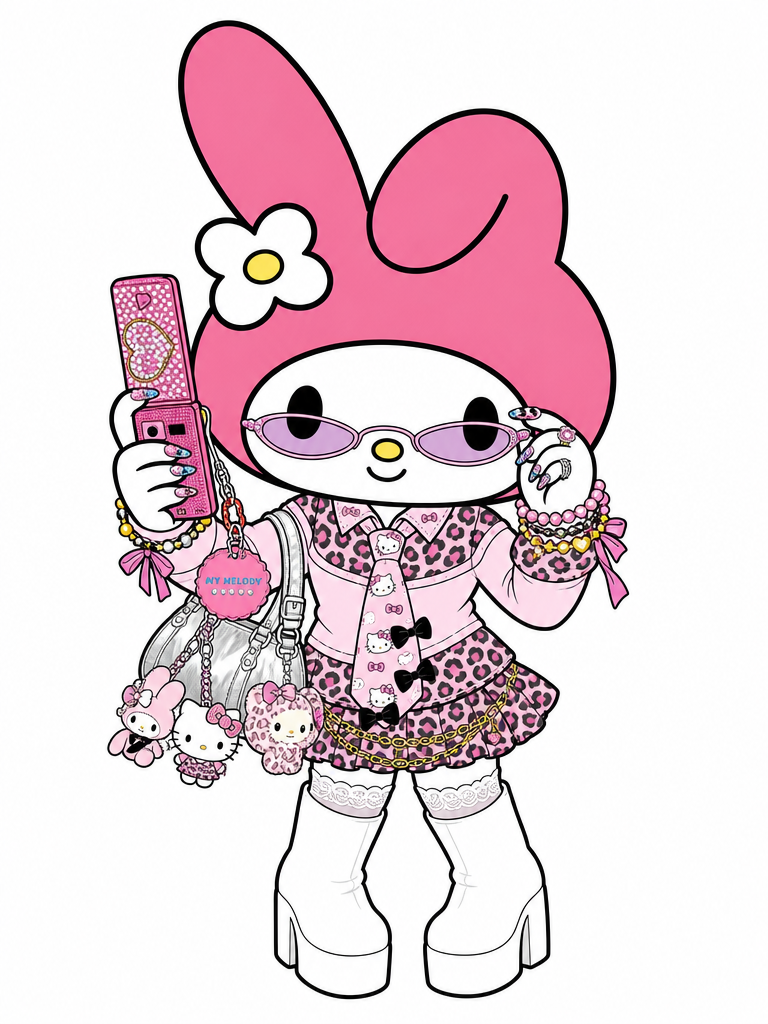
My Melody Gyaru Cosplay Illustration
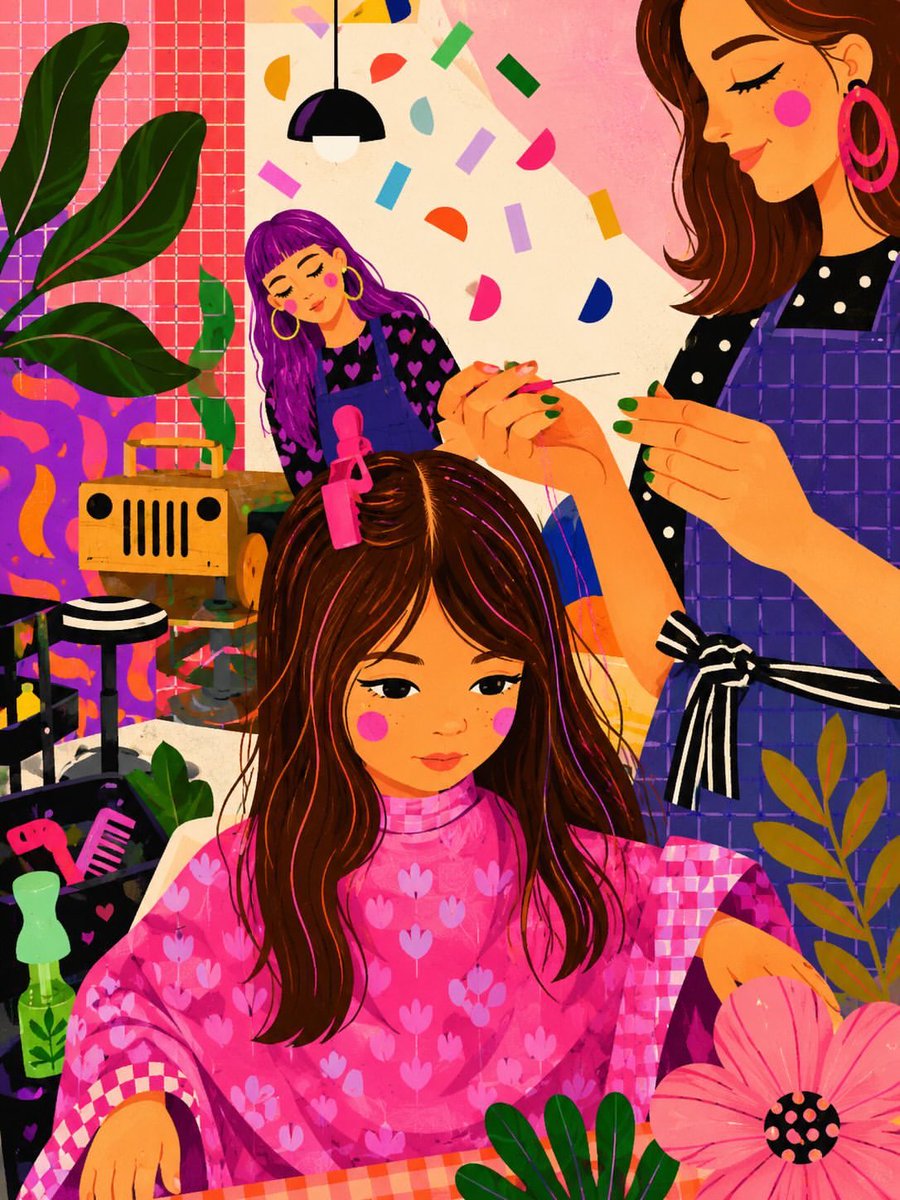
Indie Hair Salon Illustration
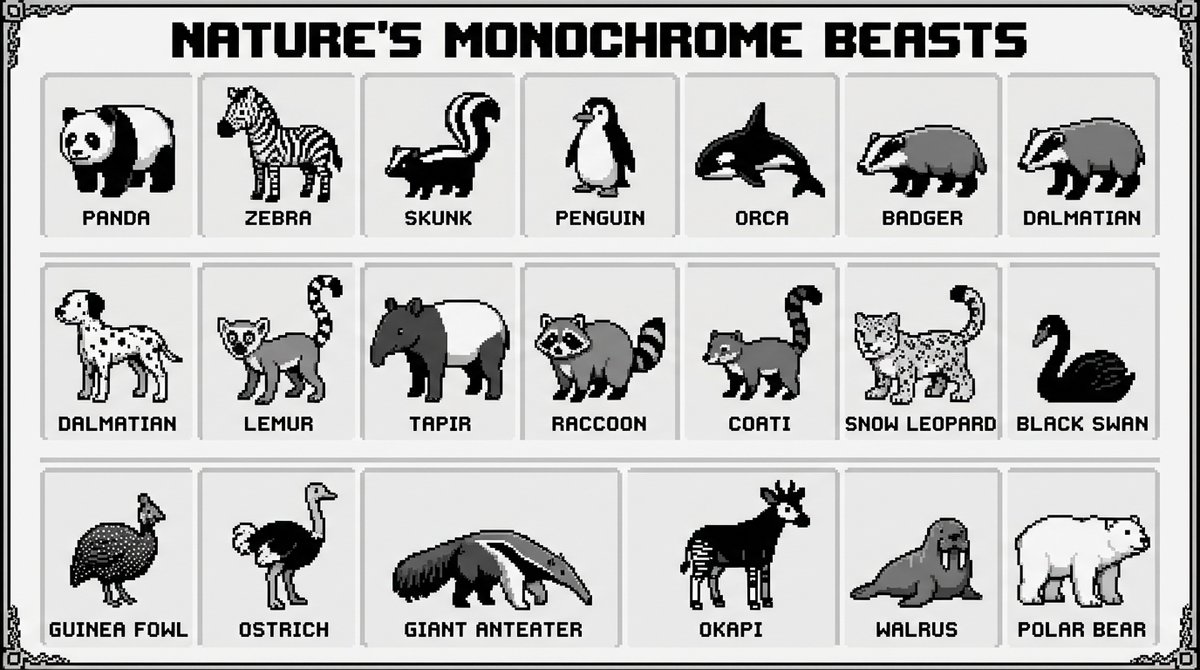
Black and White Animals Pixel Infographic
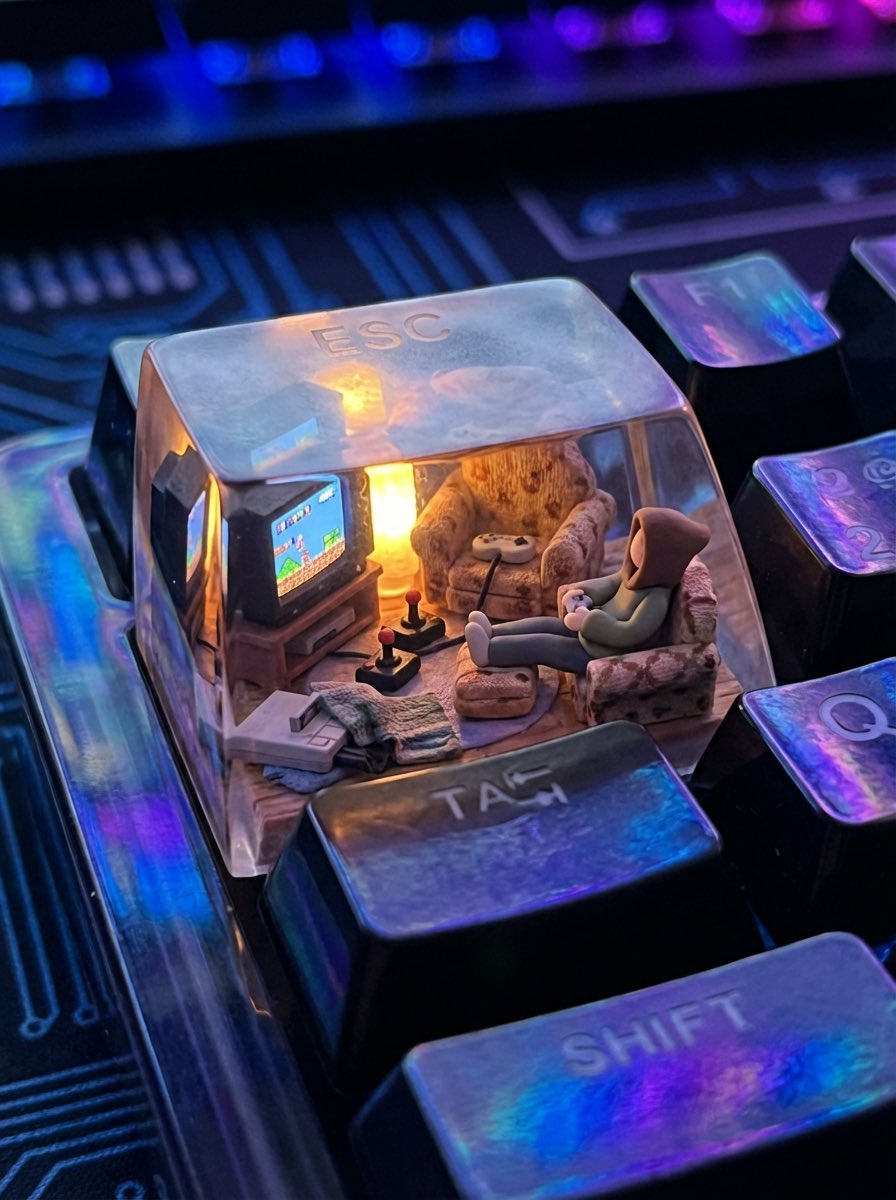
Retro Gaming Keycap Miniature
What Are Nostalgic Design AI Prompts?
Nostalgic Design AI Prompts are specialized creative instructions designed to evoke a sense of longing for the past and warmth through visual storytelling. These prompts are engineered to capture the distinct textures, color palettes, and cultural aesthetics of bygone eras, translating abstract memories into tangible digital art. Whether you are aiming to recreate the grainy, sun-soaked atmosphere of a 1970s road trip, the charmingly imperfect look of 80s retro car illustrations, or the tactile comfort of vintage plush toy designs reminiscent of a childhood playroom, these prompts provide the necessary stylistic markers. By using terms that describe physical aging, such as 'sepia tones', 'analog film grain', and 'faded edges', these prompts allow the AI to move beyond modern perfection and embrace the beauty of nostalgia. They serve as a bridge between today's technology and the timeless emotions of our shared history.
Best Use Cases
The emotional resonance of Nostalgic Design makes it a powerful tool for various creative and commercial applications. In branding, these prompts are used to create 'heritage' looks for established products or to give a new brand a sense of history and reliability through vintage-style logos and packaging. Marketing agencies use them to develop social media campaigns that tap into collective memories, fostering a deeper connection with the audience. For personal use, they are ideal for creating custom album art, nostalgic room decor posters, or digital scrapbooks that preserve personal history in an artistic way. They are also popular in the world of content creation for YouTube thumbnails or blog headers that need a cozy, 'lo-fi' aesthetic. Any project that aims to evoke a feeling of comfort, familiarity, or simple happiness can benefit from the unique touch of nostalgic design.
Why This Tag Works
The Nostalgic Design tag is uniquely effective because it focuses on emotional impact rather than just visual fidelity. It works by combining technical descriptors with mood-based keywords, ensuring that the AI understands the 'vibe' of the request. For example, instead of just generating a 'room', it might generate a '1990s bedroom with soft morning light filtering through lace curtains', which carries a much stronger narrative weight. This tag saves users from the complex task of manually adding filters or weathering effects in post-processing. It provides an immediate, cohesive aesthetic that feels authentic and lived-in. For designers and artists, this tag is a shortcut to creating works with soul and story, which is often difficult to achieve with standard digital tools. It democratizes the ability to create complex, emotion-driven art that resonates across generations.
Explore Related Prompts
If you are drawn to the beauty of the past, explore our other collections that celebrate classic styles. Dive into the world of Retro Design for more graphic-heavy vintage looks, or explore the rich textures of Oil Painting Style for a timeless artistic feel. Our Illustration and Character tags offer endless possibilities for creating nostalgic figures and scenes. For physical display, check out Poster designs, or use Card News Template to bring a retro flair to your information sharing. Finally, our Cinematic Video prompts can help you bring these nostalgic moments to life with movement and sound, creating a truly immersive experience.
Prompt Building Tips
To build a successful Nostalgic Design prompt, start by choosing a specific era or aesthetic anchor. Use keywords like 'Polaroid aesthetic', 'Kodachrome 64', or 'Victorian era' to immediately orient the AI's stylistic direction. Focus on lighting that suggests memory, such as 'golden hour', 'soft diffused glow', or 'dusk'. Describing the physical state of the object is also crucial; use terms like 'slightly weathered', 'distressed texture', 'faded colors', or 'hand-drawn imperfections'. For subject matter, think of classic icons like 'vintage typewriters', 'old cassette tapes', or 'classic vinyl records' to enhance the theme. Experimenting with camera settings in your prompt, such as 'shallow depth of field' or 'soft focus', can also help create that dreamy, distant quality associated with memories. By layering these specific descriptors, you can guide the AI to create a piece of art that feels like a rediscovered treasure from the past.