Selfie Pose
Create aesthetic selfies and Instagram-style photos with AI prompt templates for social media.
2026.07.07
Make “Selfie Pose” exactly the way you wantCreate your own “Selfie Pose”
Just ask in plain language — Carat generates optimized images and videos for you.

Start now with 100 free credits daily
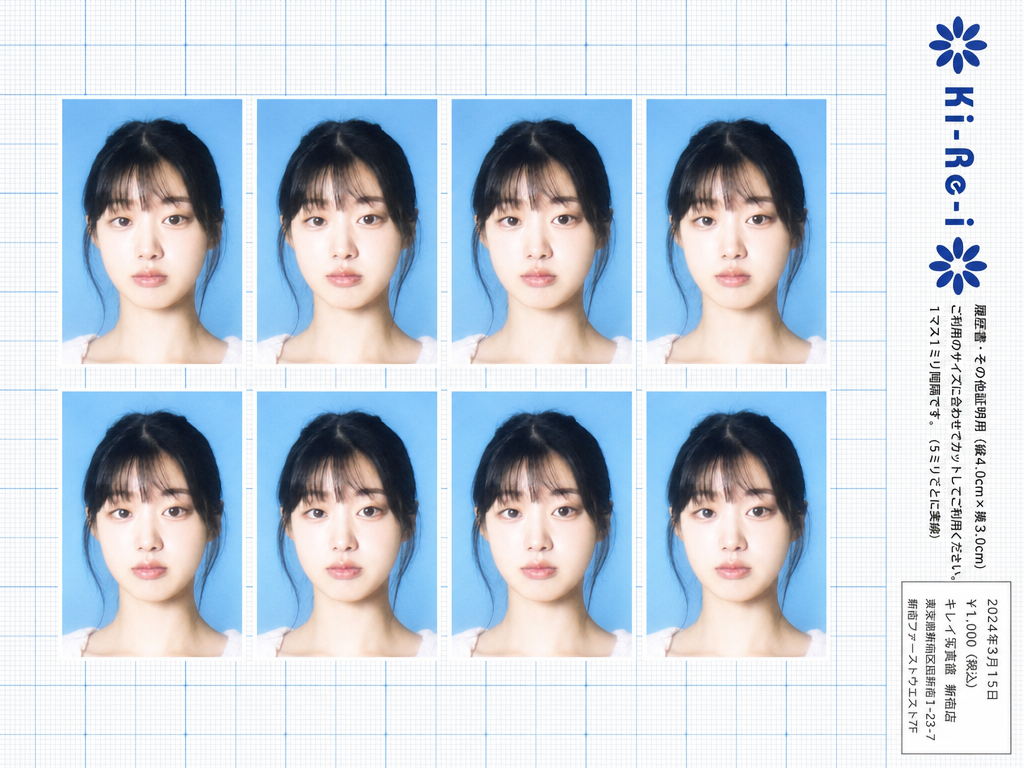
Ki-Re-i ID Photo Sheet
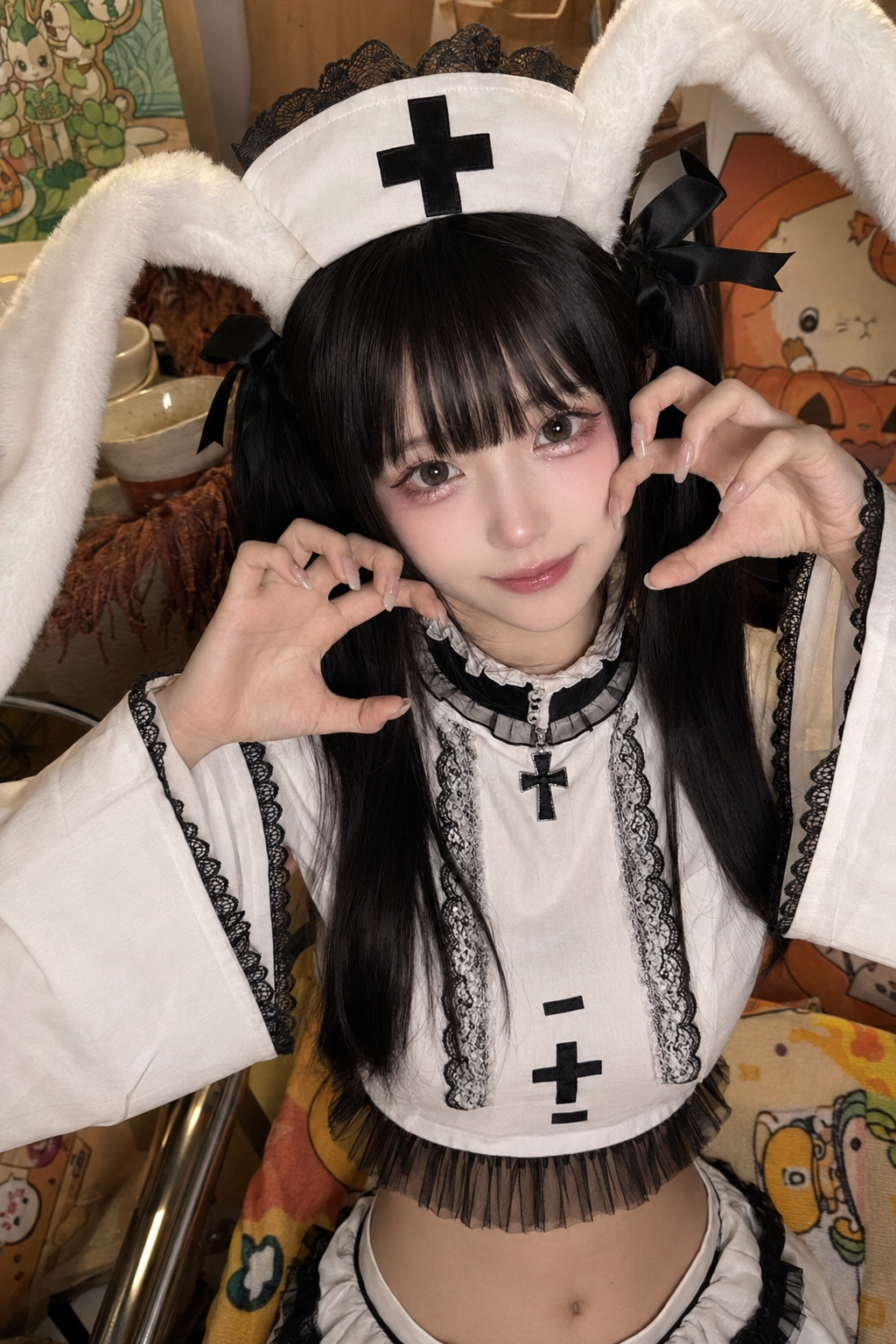
Gothic Bunny Nurse Selfie
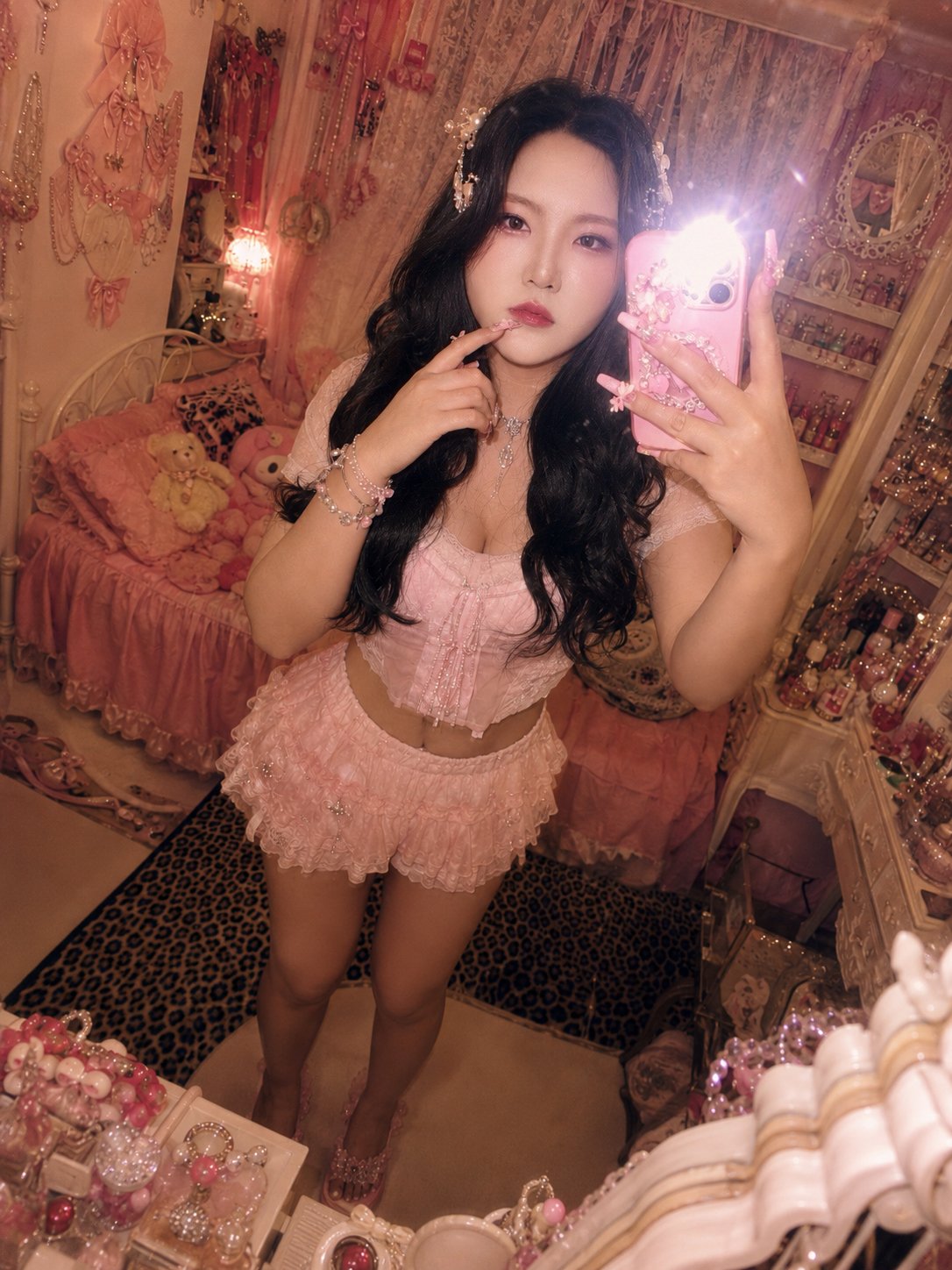
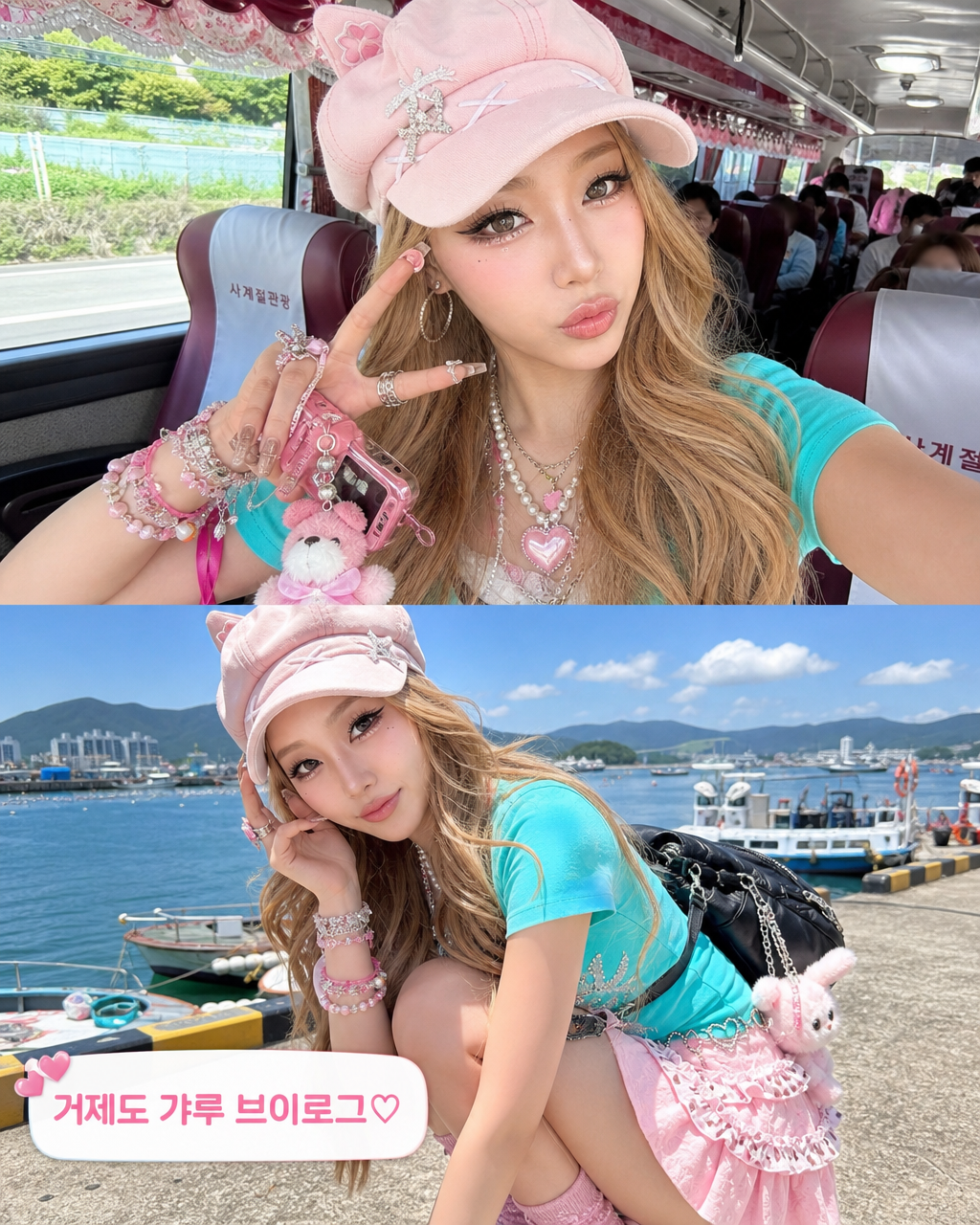
Himegyaru Mirror Selfie
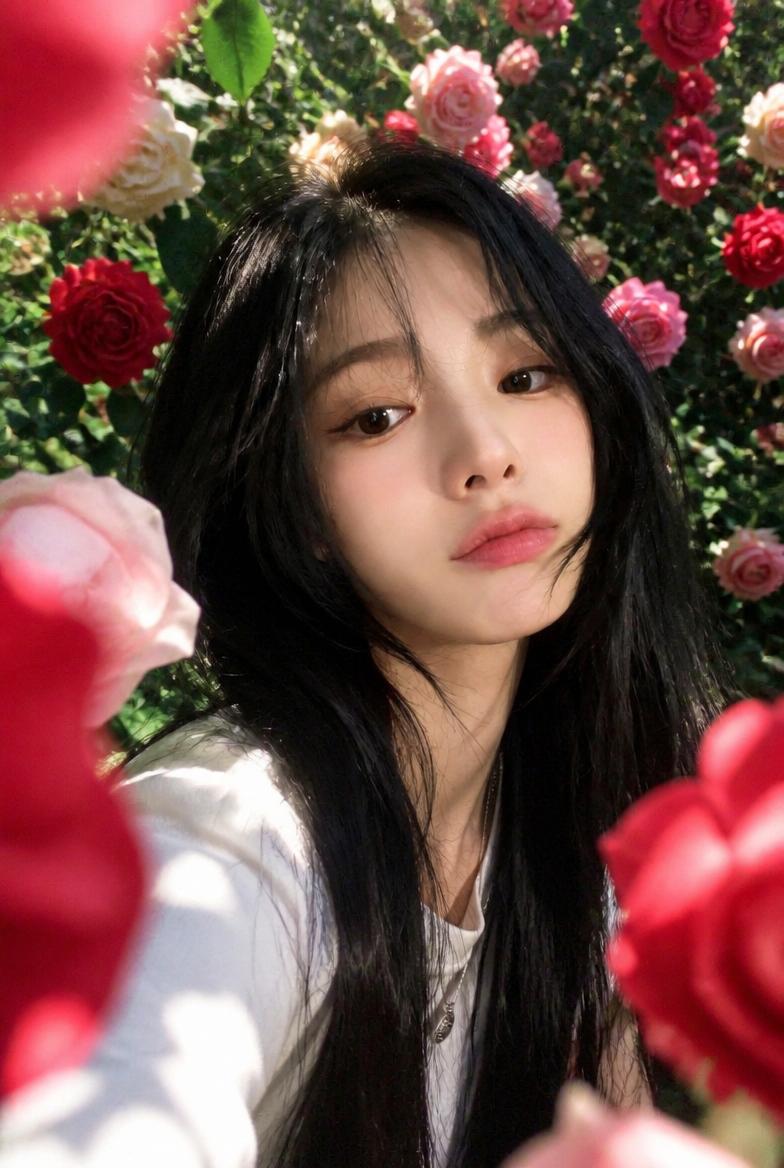
Rose Foreground Close-Up Portrait
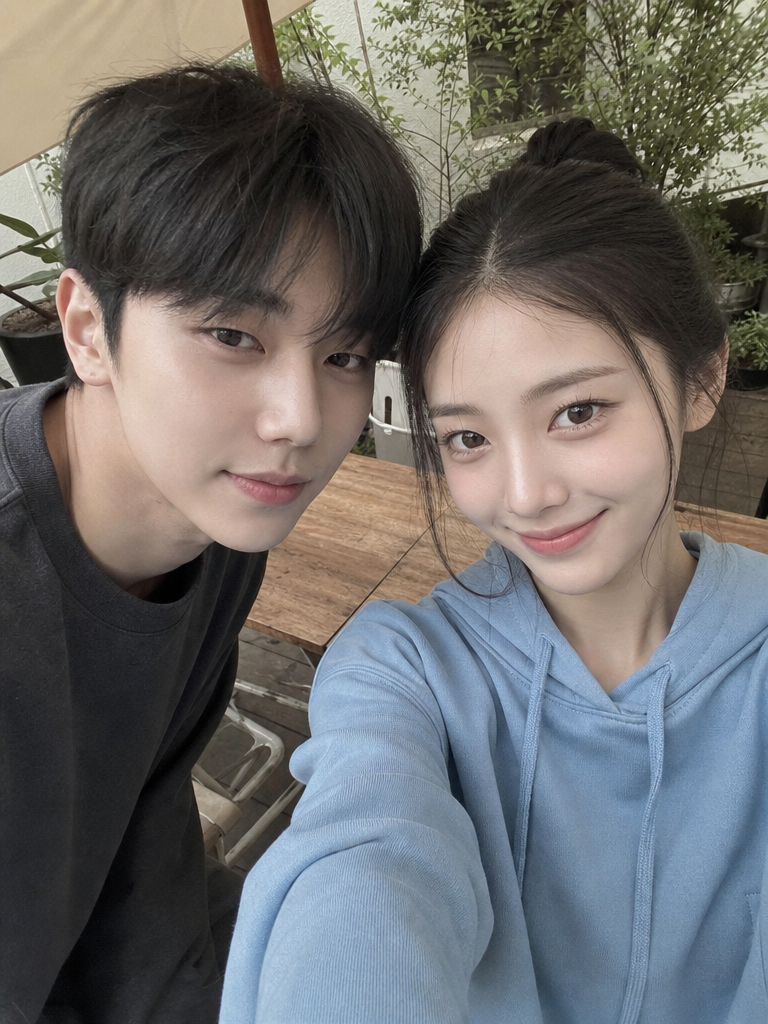
2인 셀카
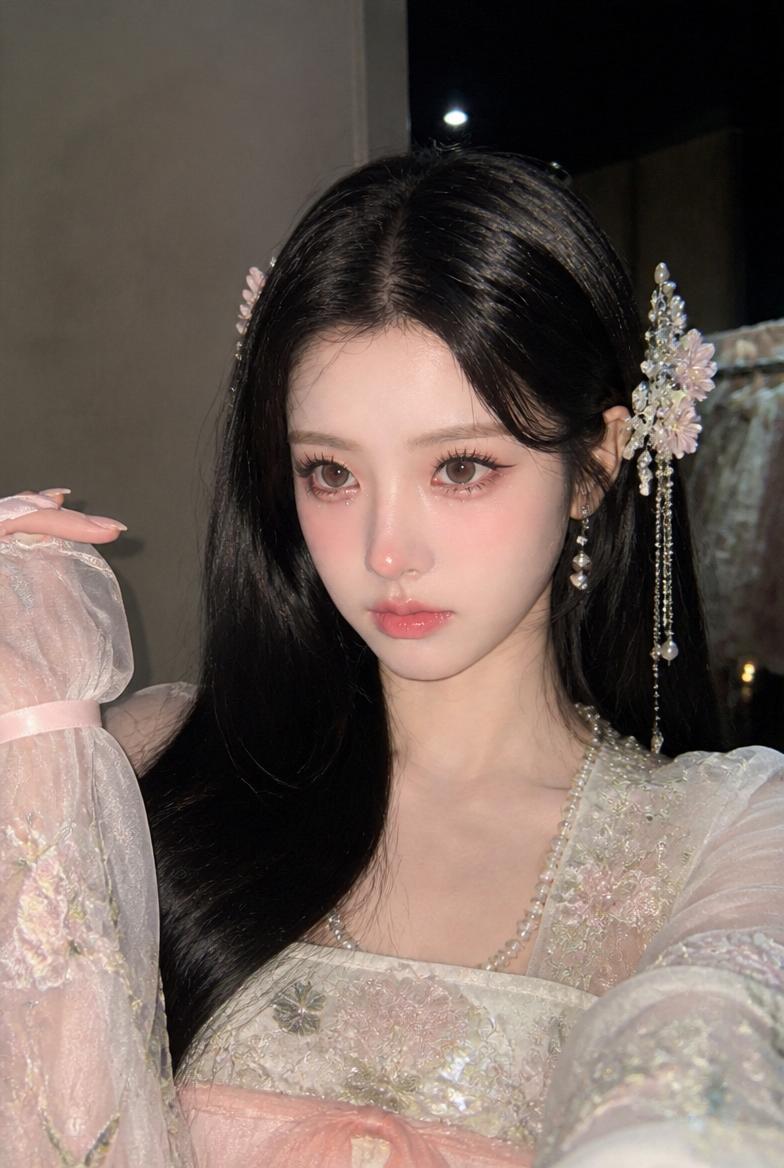
Modern Wanghong Selfie
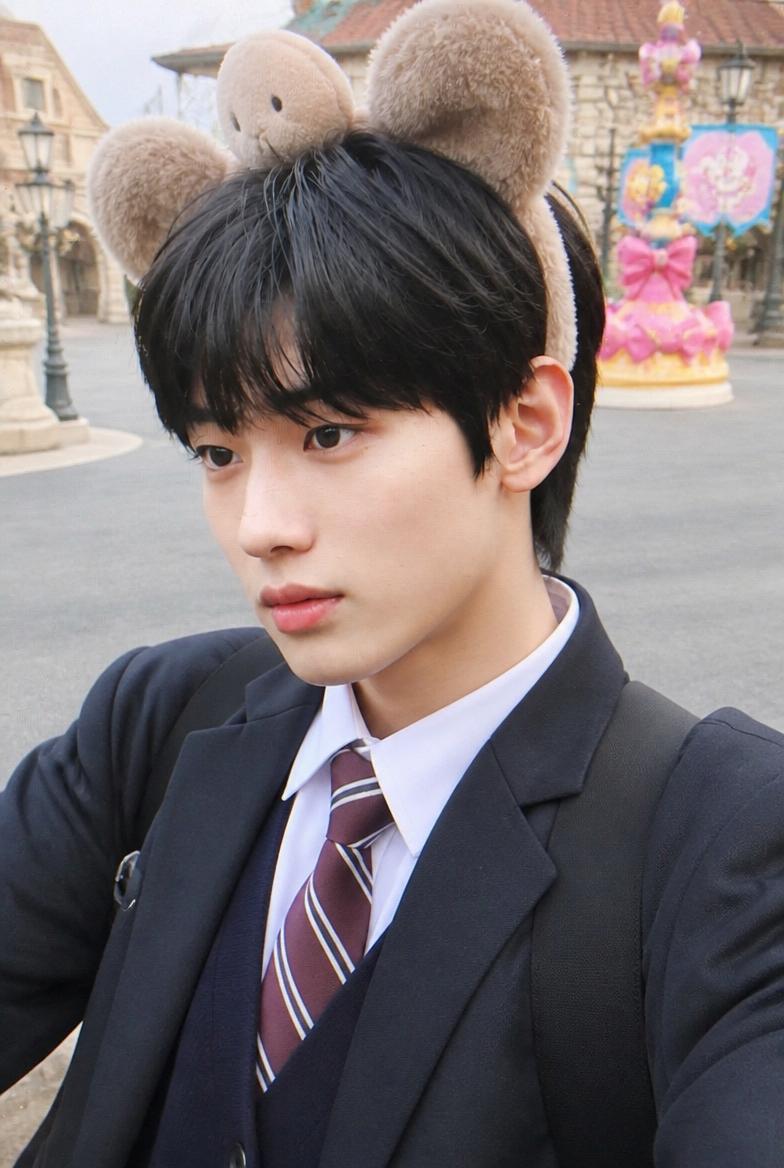
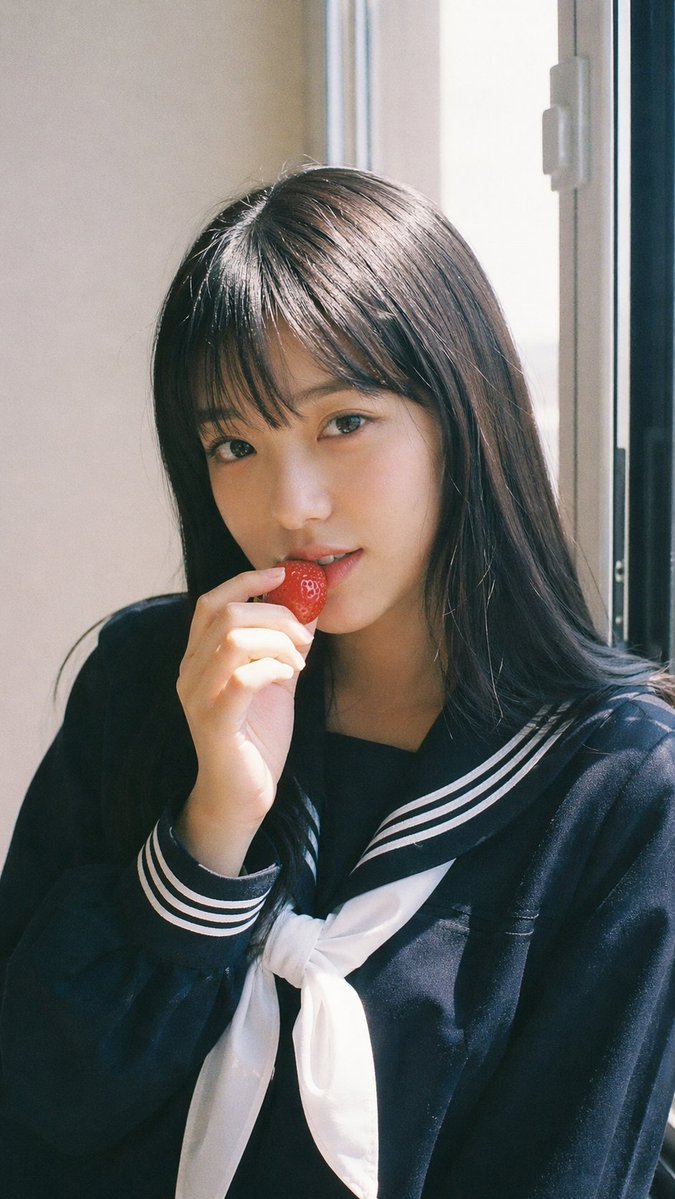
Character Headband School-Uniform Selfie
What Is a Selfie Pose?
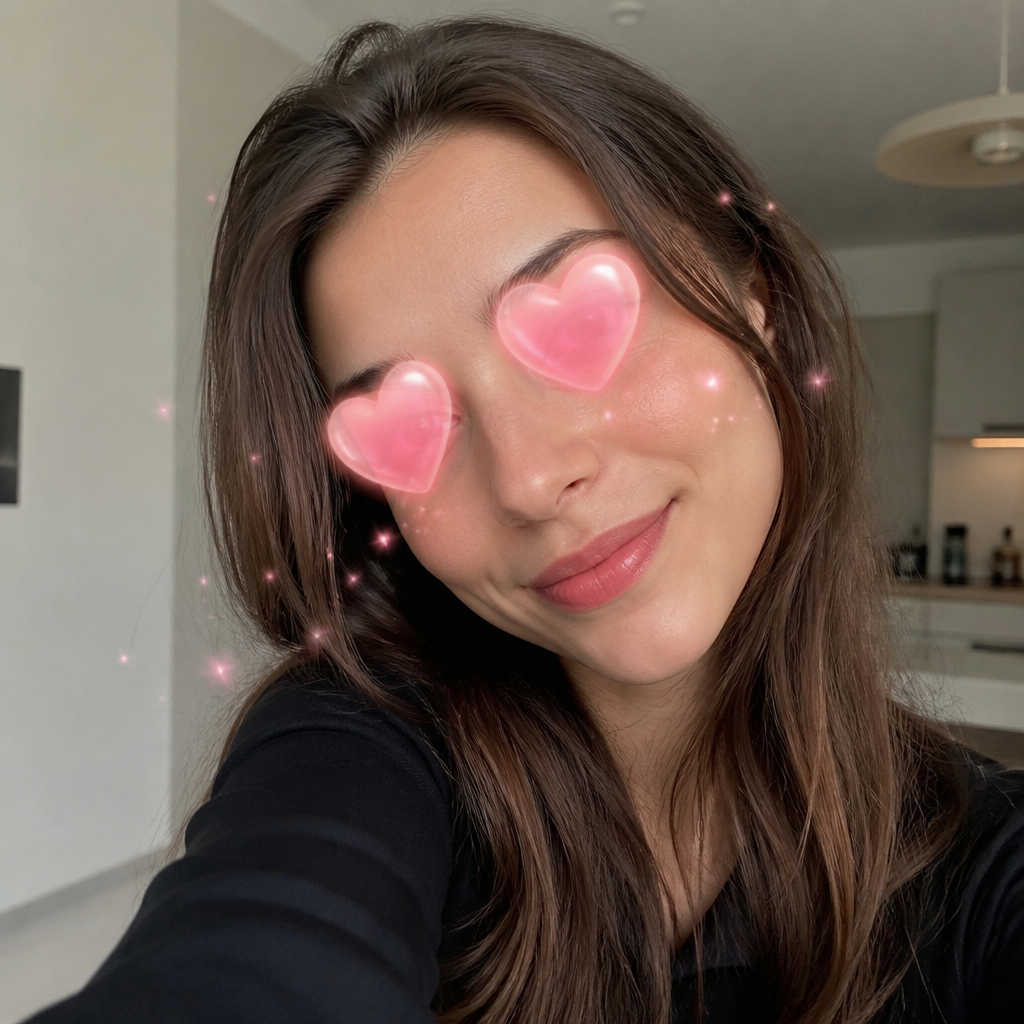
A selfie pose refers to the posture, angle, and composition a person adopts when taking a self-portrait photograph using a smartphone or digital camera. Selfies have become a primary means of self-expression on social media platforms like Instagram, TikTok, and Threads, where the angle, expression, lighting, and background collectively determine the photo's mood and impact. The art of the selfie has evolved far beyond a simple front-facing snapshot, encompassing mirror selfies, earth-stop angles, high-angle beauty shots, and casual candid frames that each convey a distinct aesthetic and emotional tone. With AI image generation tools, anyone can now produce diverse selfie poses for social media content and profile images without the limitations of physical photography.
How to Write AI Selfie Pose Prompts
When generating a selfie photo with AI, specify the shooting angle, pose, lighting, background, and device aesthetic as key elements. Include prompt phrases like "smartphone selfie composition," "high angle," "natural light," "cafe background," and "digital camera aesthetic." Different shooting methods produce distinct results: mirror selfies show the subject holding the phone in a reflective surface, earth-stop angles capture from extremely low positions for dramatic effect, and phone selfies have the characteristic slight wide-angle distortion. Specifying natural expressions and relaxed poses produces results that look like authentic, unposed selfies rather than studio portraits. Consider the emotional tone: a casual everyday selfie benefits from warm natural light and a relaxed expression, while a glamorous beauty selfie requires dramatic lighting and polished styling.
Selfie Pose Prompt Examples
A two-person selfie prompt generates a natural scene of two people taking a selfie together, capturing the candid intimacy of a shared moment. A modern wanghong selfie prompt creates a Chinese wanghong-style beauty selfie with dewy makeup and glossy skin, combining contemporary beauty trends with the casual selfie aesthetic. A character headband school uniform selfie prompt generates a playful selfie taken at what appears to be an amusement park, with fun accessories and a youthful, energetic vibe. A himegyaru mirror selfie prompt combines Japanese gyaru makeup with a mirror selfie composition, creating a distinctive aesthetic that blends fashion subculture with casual self-portrait photography. A kirei ID photo prompt produces a polished Japanese photo studio-style portrait that elevates the selfie aesthetic with professional lighting and refined styling.
Tips for Using AI Selfie Poses
Generated selfie photos can be used across social media profiles, Instagram feeds, blog content, and digital diaries. Adjust the background and lighting in the prompt to match the desired mood, and specify various angles and poses to build a diverse selfie collection that covers different aesthetics and contexts. Maintaining a consistent style across generations creates a cohesive personal branding content set that works across all social media platforms. For content creators, generating selfies with different seasonal backgrounds, lighting conditions, and outfit changes provides a rich library of images for daily posting schedules. Always specify both the technical photography parameters, such as lens type and lighting direction, and the personal style elements, such as outfit and expression, to achieve natural-looking selfies that genuinely appear to be taken by the subject themselves.
Frequently Asked Questions About Selfie Pose Prompts
Common questions include whether AI selfies look natural, whether various poses and angles can be specified, whether mirror selfies can be created, whether the photos can be used as social media profiles, and whether different backgrounds can be applied. With precise prompting, AI tools produce selfies that rival real photography with full control over angle, lighting, background, and expression. The key is specifying the shooting method, angle, and aesthetic details to generate authentic-looking selfies that serve diverse social media and personal branding needs.