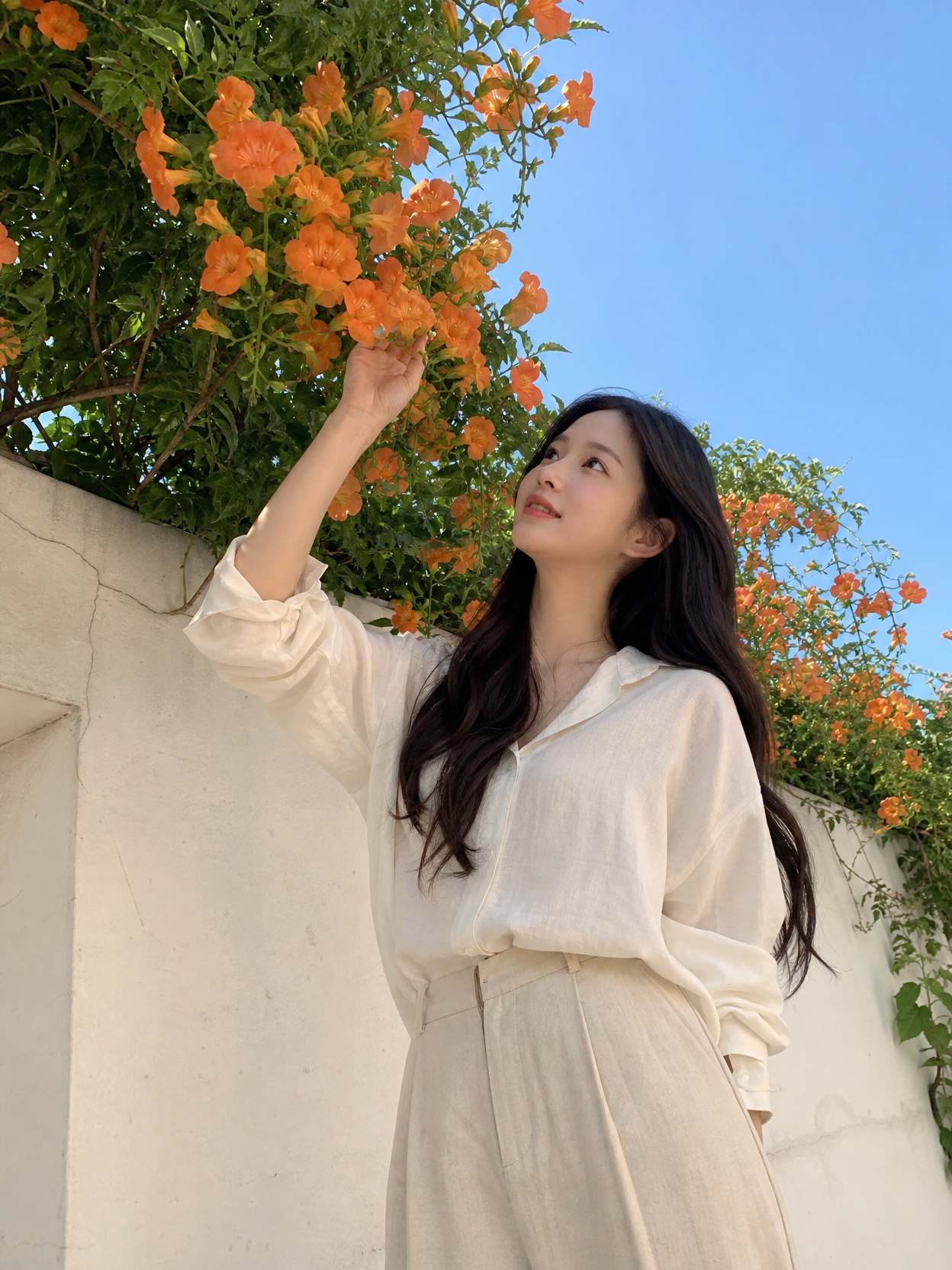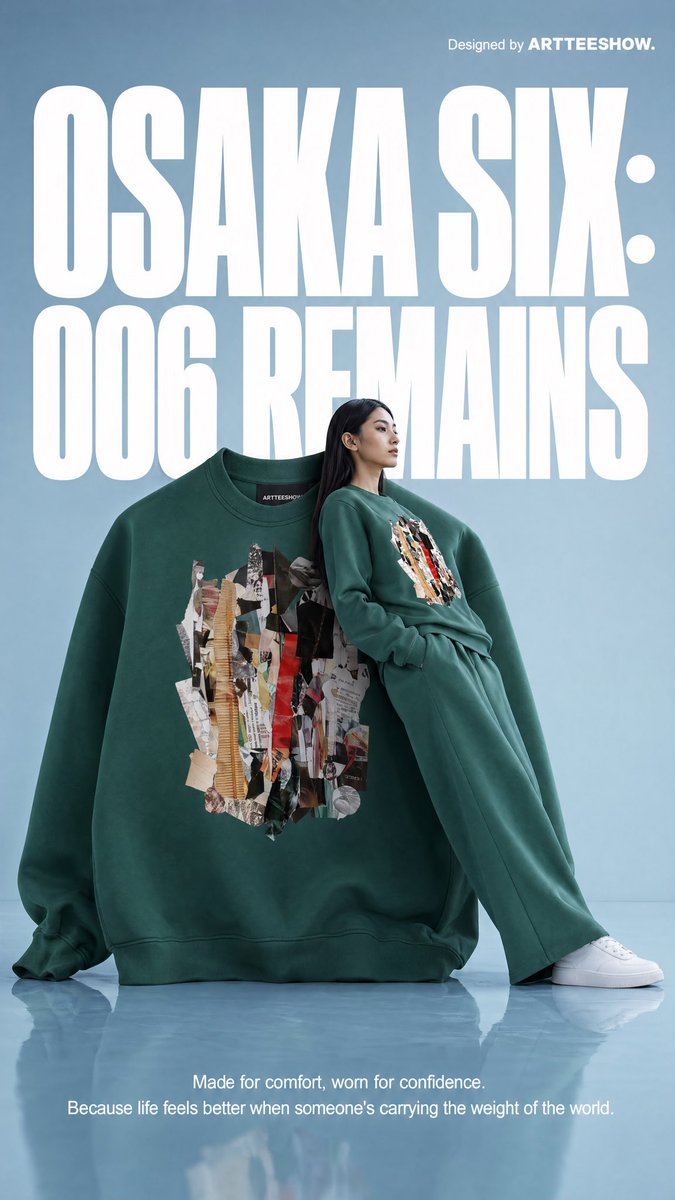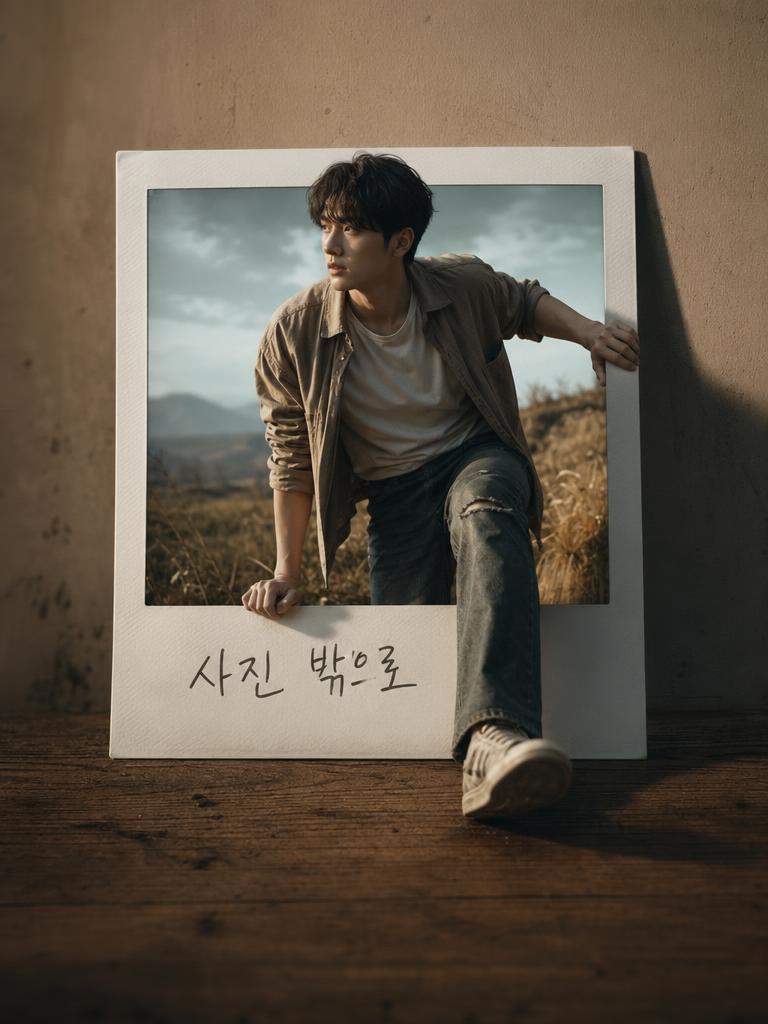
Puzzle Illustration
Dive into the world of geometric art with puzzle illustration prompts that focus on intricate interlocking patterns.
2026.07.04
Make “Puzzle Illustration” exactly the way you wantCreate your own “Puzzle Illustration”
Just ask in plain language — Carat generates optimized images and videos for you.

Start now with 100 free credits daily
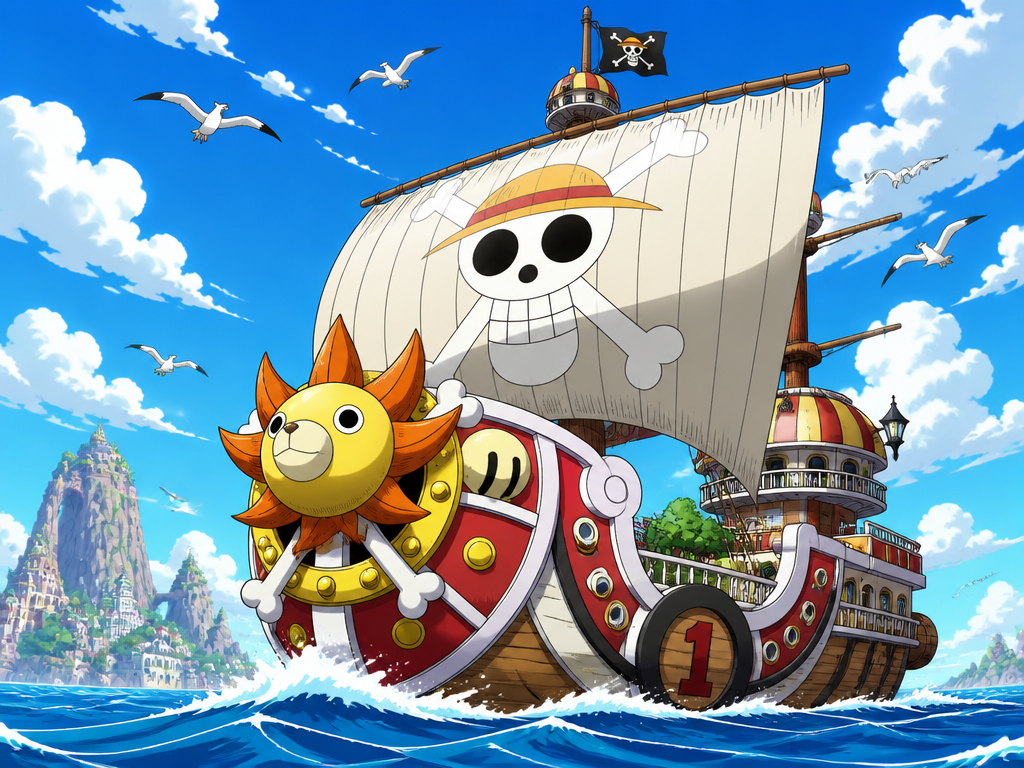
원피스 스타일 해적선
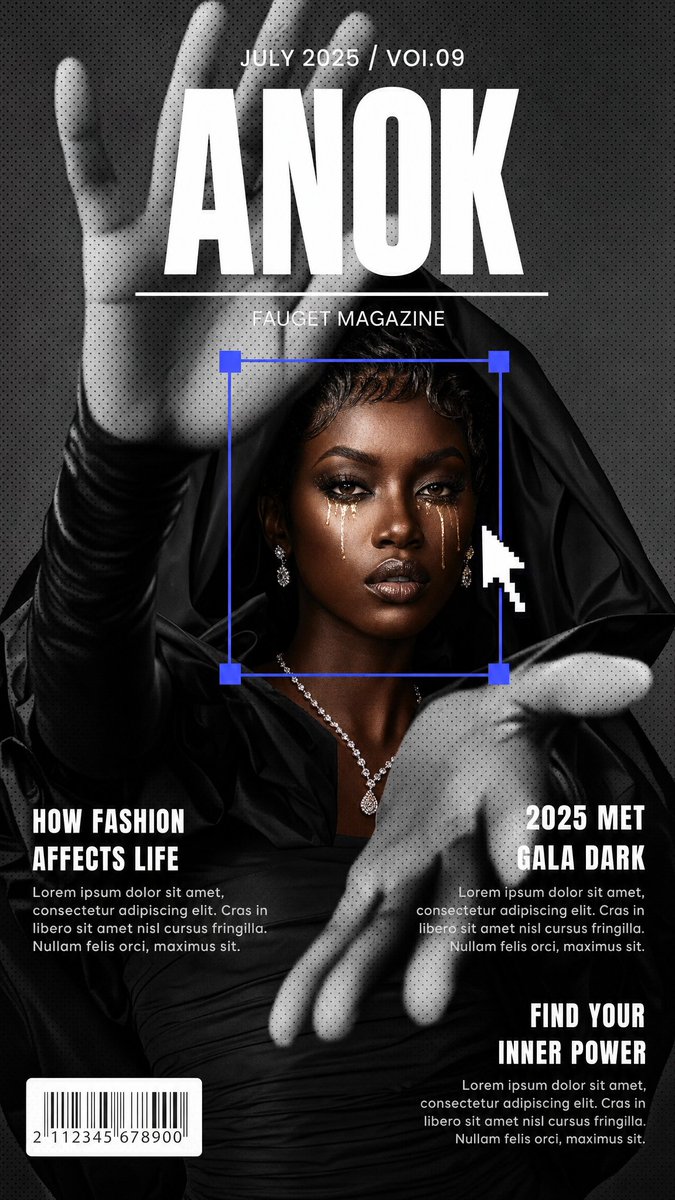
Renaissance Gold Sculpture Fashion
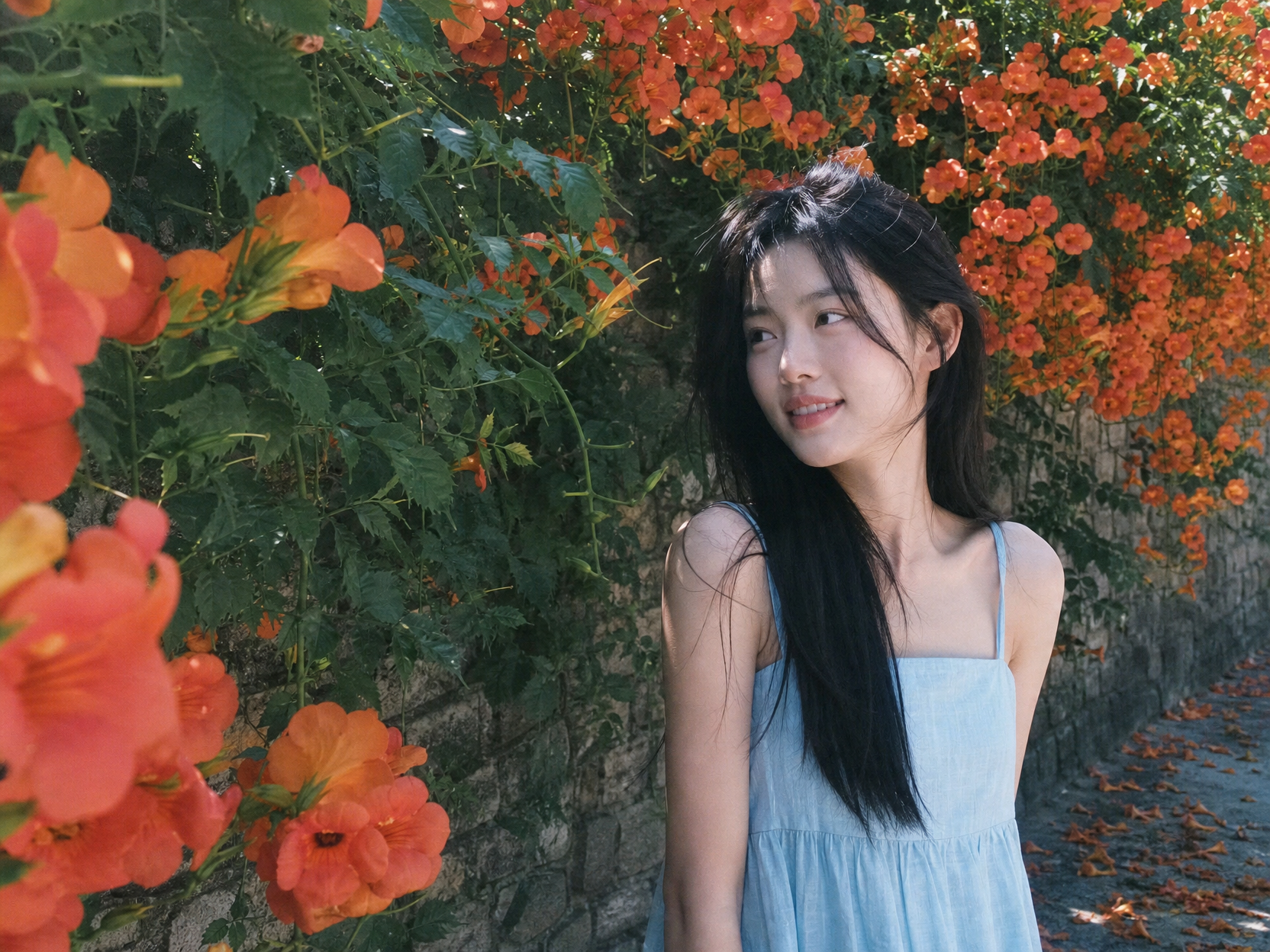
Campsis Blue Linen Sundress
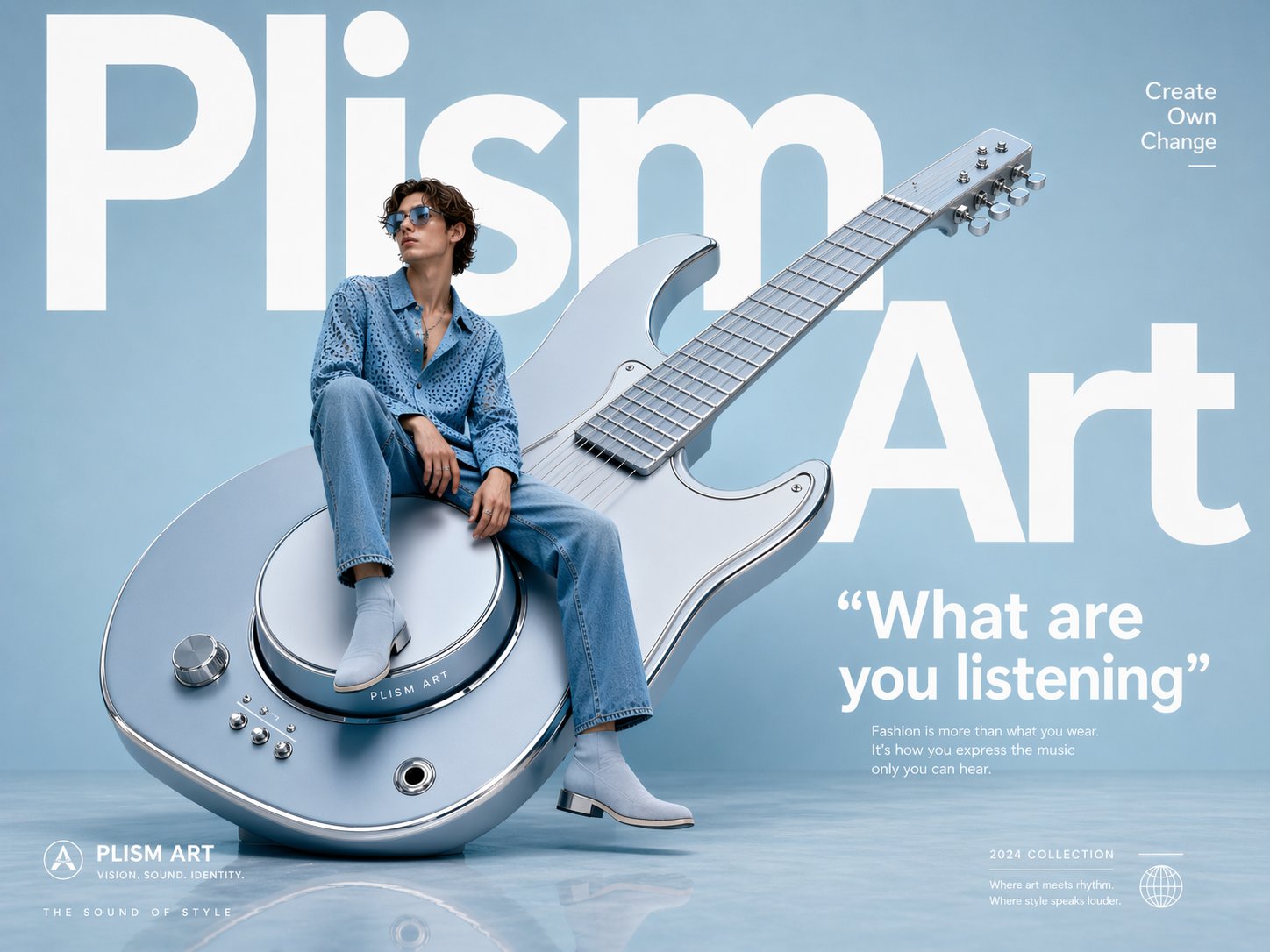
Avant-Garde Guitar Sculpture Fashion Ad
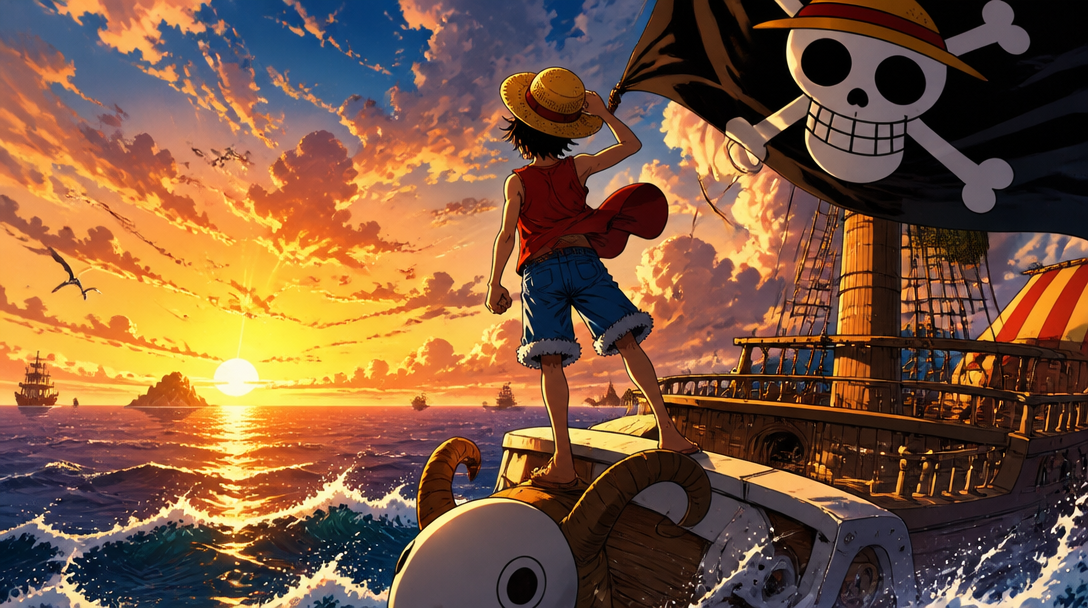
대항해 밀짚모자 해적
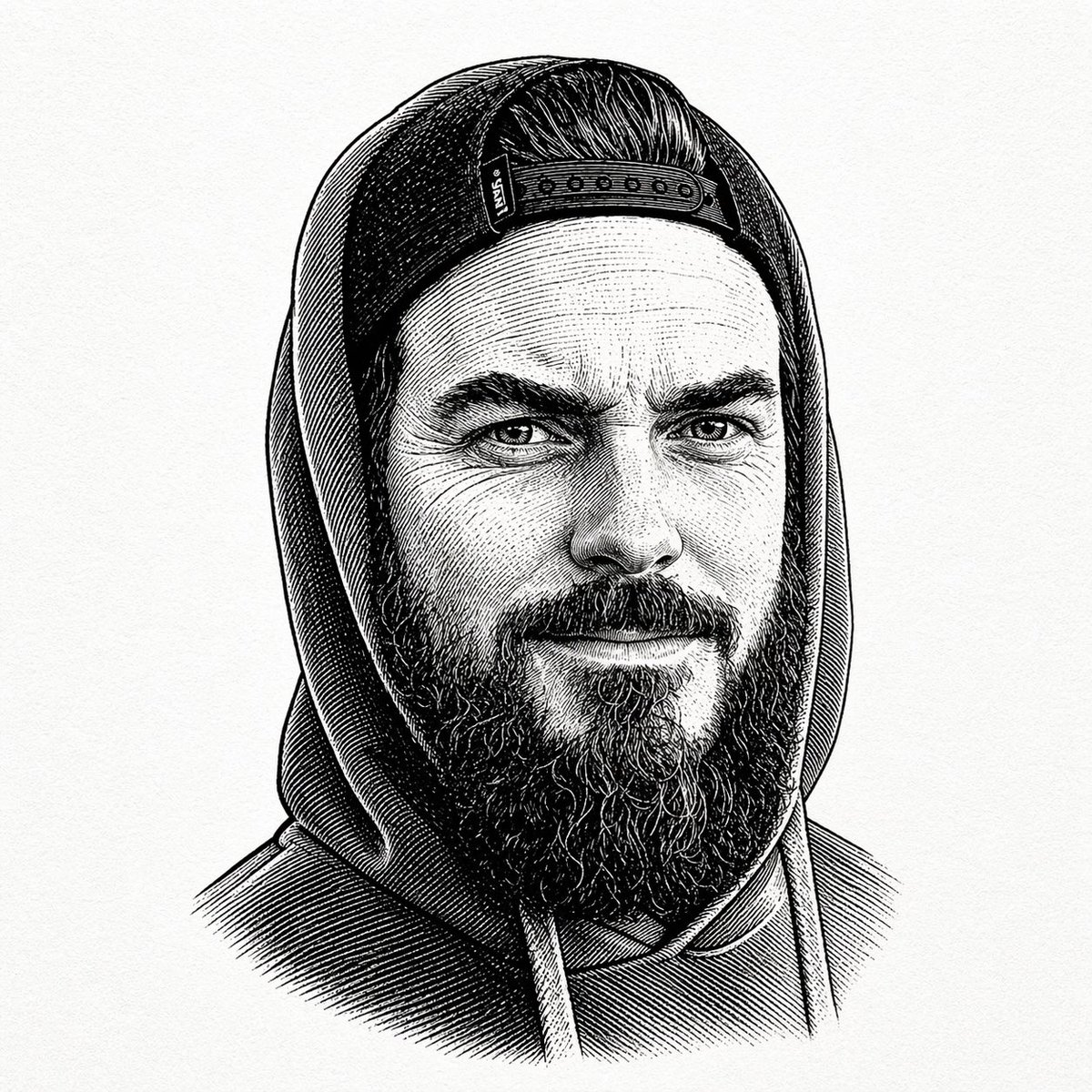
Centered BLack-and-white Vintage Engraved Portrait of a Bearded Man Wearing a Hooded
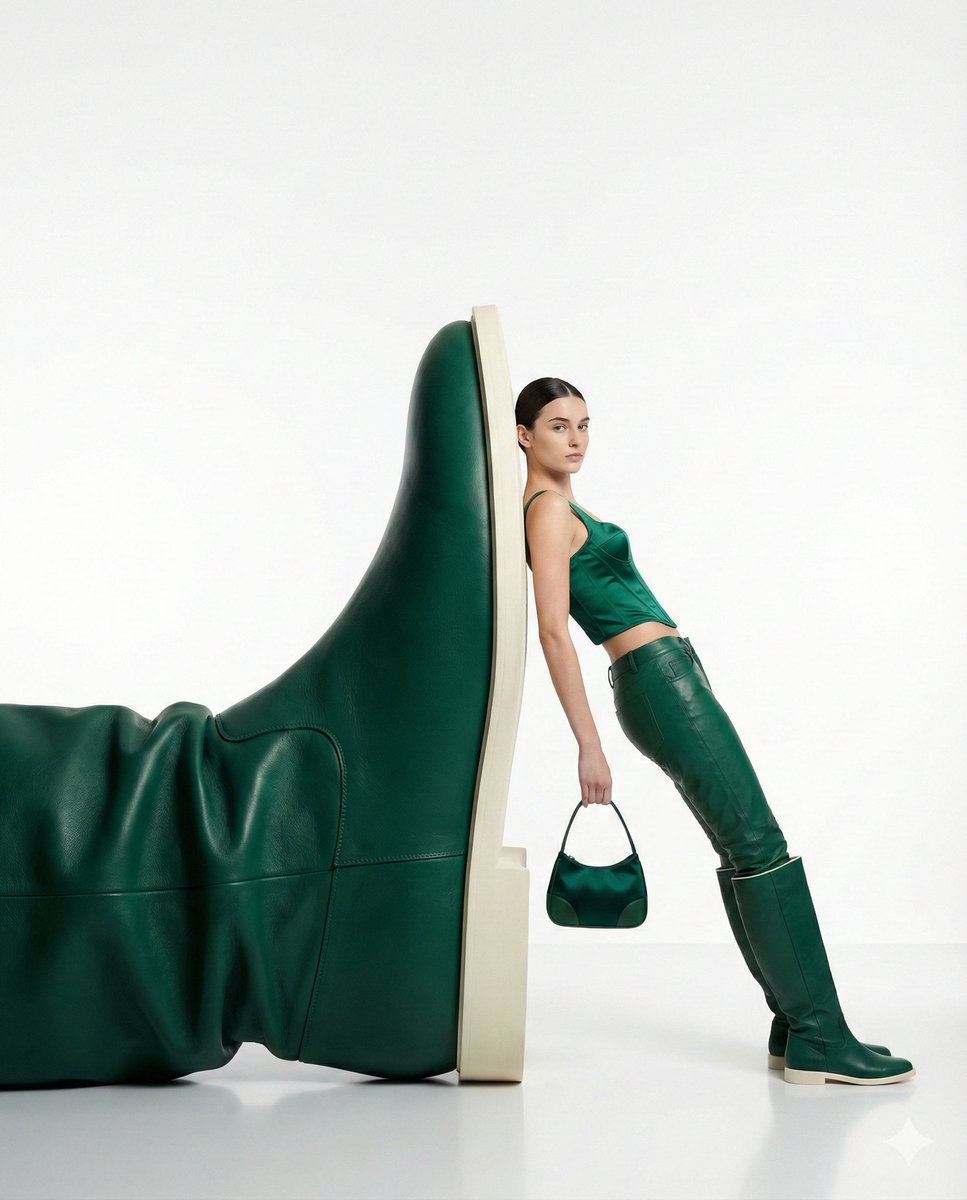
Oversized Boot Sculpture Fashion Editorial
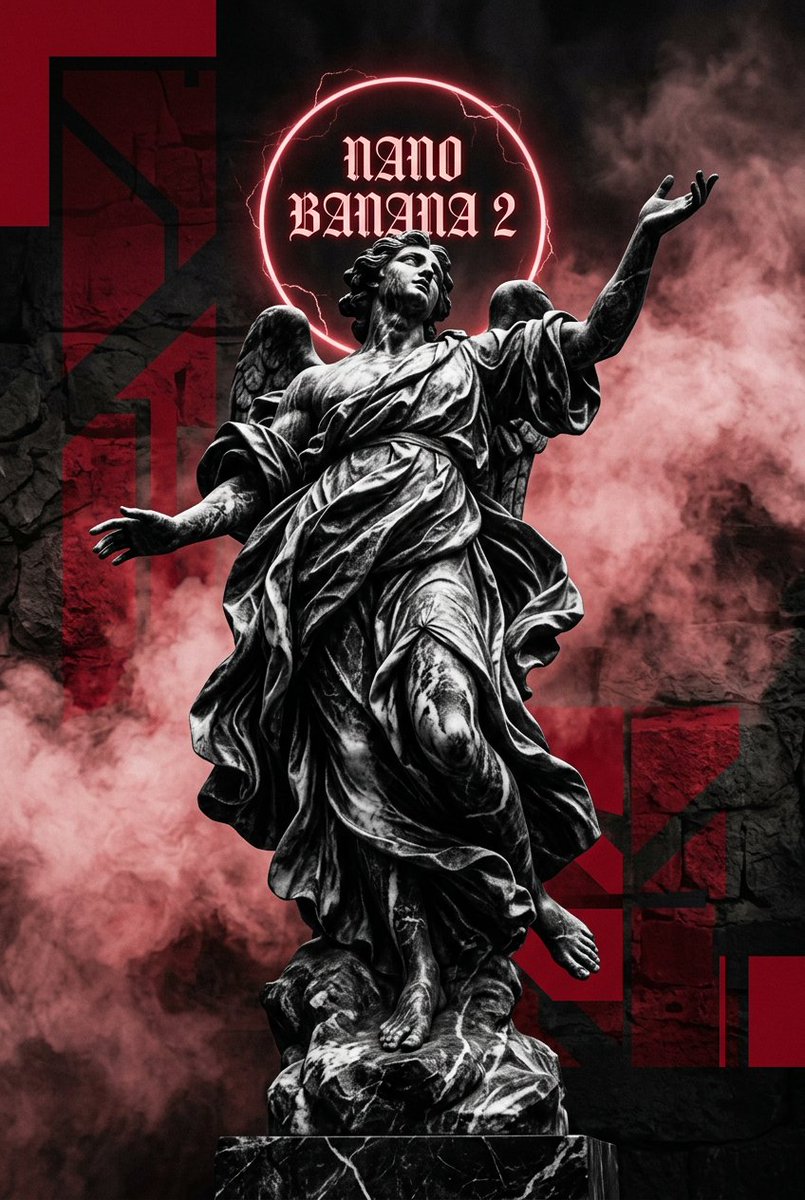
Dark Renaissance Statue Poster
What Are Puzzle Illustration AI Prompts?
Puzzle Illustration AI Prompts are sophisticated sets of instructions used to guide generative artificial intelligence in creating high-quality, specialized visual content tailored to your specific needs. By using these prompts, you can bridge the gap between abstract concepts and vivid digital art. Whether you are aiming for a technical representation or a whimsical artistic piece, these prompts provide the essential scaffolding for the AI to understand texture, lighting, composition, and style. In the modern era of digital creation, having a reliable library of Puzzle Illustration prompts is like having a team of professional illustrators at your disposal 24/7. These prompts are meticulously crafted to ensure that every output is not just a generic image, but a purposeful piece of art that aligns with professional standards and creative visions across various industries. They allow for an unprecedented level of control, enabling users to fine-tune every aspect of the generated imagery to match a particular brand identity or personal aesthetic with remarkable ease and speed.
Best Use Cases
The versatility of Puzzle Illustration prompts makes them an indispensable asset in numerous professional and creative scenarios. In the realm of commercial design, they are frequently employed to create unique marketing assets for social media campaigns, website headers, and promotional brochures where stock photos fall short. Creative professionals use them to rapidly prototype concepts for client presentations, allowing for immediate visual feedback and iteration. For independent creators and hobbyists, these prompts serve as a foundation for personalized projects such as custom stationery, digital journals, and unique gift designs. In educational settings, they help visualize complex ideas or historical motifs for textbooks and presentations. Furthermore, in the tech and engineering sectors, specialized Puzzle Illustration prompts can generate detailed diagrams and conceptual hardware art that enhance technical documentation and pitch decks. The ability to generate these assets on-demand significantly reduces the lead time for creative projects, making it possible to produce professional-grade visuals in a fraction of the time it would take through traditional methods.
Why This Tag Works
This tag is specifically designed to curate the highest performing Puzzle Illustration prompts, ensuring that users consistently achieve top-tier results. Each prompt under this category has been rigorously tested across multiple AI models to guarantee reliability and aesthetic quality. We focus on optimizing the vocabulary used in these prompts, selecting keywords that have the strongest impact on the AI's generation process. This means you won't just get an image; you'll get an image with correct anatomy, balanced lighting, and a professional finish. The inclusion of parameters for depth of field, color grading, and stylistic consistency ensures that the resulting visuals are cohesive and production-ready. By categorizing prompts under this tag, we provide a structured way for users to explore related styles and themes, facilitating a more intuitive creative workflow. This strategic approach removes the guesswork from prompt engineering, allowing you to focus on the creative direction rather than struggling with trial-and-error iterations.
Explore Related Prompts
Expand your creative horizons by exploring these closely related prompt categories. Each of these links will lead you to a curated selection of prompts that complement and enhance your current project themes.
Prompt Building Tips
Mastering the art of Puzzle Illustration prompts requires a blend of specificity and creativity. To maximize the potential of these prompts, consider the following expert tips. First, always define the artistic medium-whether it should look like a 3D render, a vintage oil painting, or a crisp vector illustration. Second, be explicit about the composition: mention camera angles, focal lengths, and the arrangement of objects within the frame to guide the AI's spatial reasoning. Third, incorporate environmental details such as lighting conditions (e.g., 'golden hour', 'studio lighting', 'cinematic shadows') to add mood and depth. Fourth, use descriptive adjectives to specify textures and materials, which is especially crucial for subjects like Puzzle Illustration where tactile qualities matter. Fifth, don't forget to include negative prompts to exclude unwanted artifacts or styles that might clash with your vision. Finally, experiment with weightings and variations to see how subtle changes in wording can lead to drastically different but equally compelling results. By layering these elements, you create a rich descriptive environment that empowers the AI to deliver its best possible work.