carat

Prompt Gallery

/

Fence Illustration

Login
Sign Up

Fence Illustration

Find detailed prompts for creating garden fences, rustic walls, and picket fence illustrations in multiple artistic styles.

2026.07.04

·
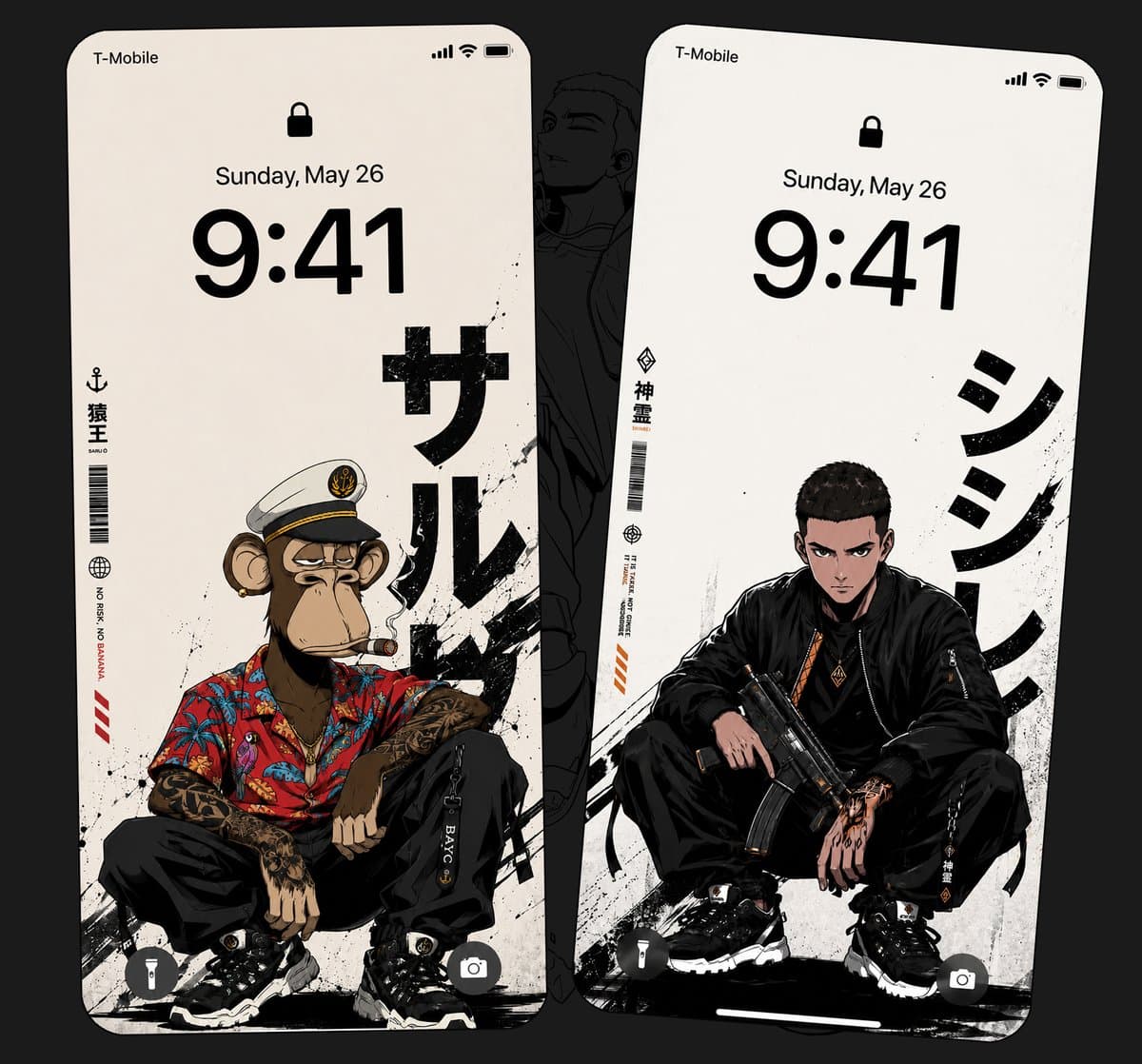
AI-generated Anime Streetwear Lock Screen Wallpaper made with GPT Image 2

Anime Streetwear Lock Screen Wallpaper

GPT Image 2· Image
Use the uploaded image as the character identity and fashion reference. Reimagine the uploaded character as a premium Japanese streetwear anime lock screen wallpaper while preserving the character’s recognizable face, hairstyle, facial proportions, silhouette, personality, expression, clothing identity, and overall visual DNA. IMPORTANT WALLPAPER COMPOSITION: Create the artwork specifically for an iPhone lock screen wallpaper (1290×2796 vertical composition). Design around the lock screen UI. Leave the upper 25–30% of the image intentionally clean with minimal visual detail to provide negative space for the clock, date, widgets, and notifications. Do not place the character’s face, eyes, typography, weapons, logos, or important design elements behind the clock area. Position the character lower in the composition, occupying the lower two-thirds of the canvas. The character should remain the focal point while naturally framing the lock screen interface above. IMPORTANT CHARACTER DIRECTION: The character should maintain direct eye contact with the viewer and face forward. Preserve the recognizable facial identity while reconstructing the face into a front-facing fashion-editorial pose. The expression should feel calm, confident, stylish, and slightly intimidating. POSE: Low crouching Japanese streetwear pose. Strong silhouette. Relaxed confidence. Fashion-editorial body language. If the original character has a weapon, redesign and preserve the weapon. The weapon should help frame the composition without blocking the character’s face. STYLE: Minimalist Japanese graphic design poster, Nogi-inspired streetwear artwork, ultra-clean anime illustration, bold black ink linework, crisp vector-inspired shapes, graphic novel aesthetics, luxury streetwear fashion illustration, collectible designer poster art, strong silhouette readability, premium graphic design composition. COLOR PALETTE: The image should remain overwhelmingly black, white, and grayscale. Extract the brightest accent color from the uploaded character and use it as the only accent color throughout the artwork. The accent color should occupy less than 10% of the image and be reserved for subtle highlights, clothing details, weapon accents, jewelry, symbols, typography, and reflections. BACKGROUND: Large vertical Japanese katakana typography integrated into the design. The typography should sit behind the character and extend beyond the canvas edges. Keep the upper clock-safe area significantly cleaner than the rest of the composition. Use strong negative space and premium poster design principles. LOCK SCREEN OPTIMIZATION: The character’s head should sit just below the clock area. Important facial features must remain unobstructed by lock screen UI. The overall wallpaper should feel intentionally designed around Apple’s lock screen layout rather than simply cropped from a poster. Premium wallpaper quality, balanced composition, elegant spacing, and strong visual hierarchy.
@mdmadeit
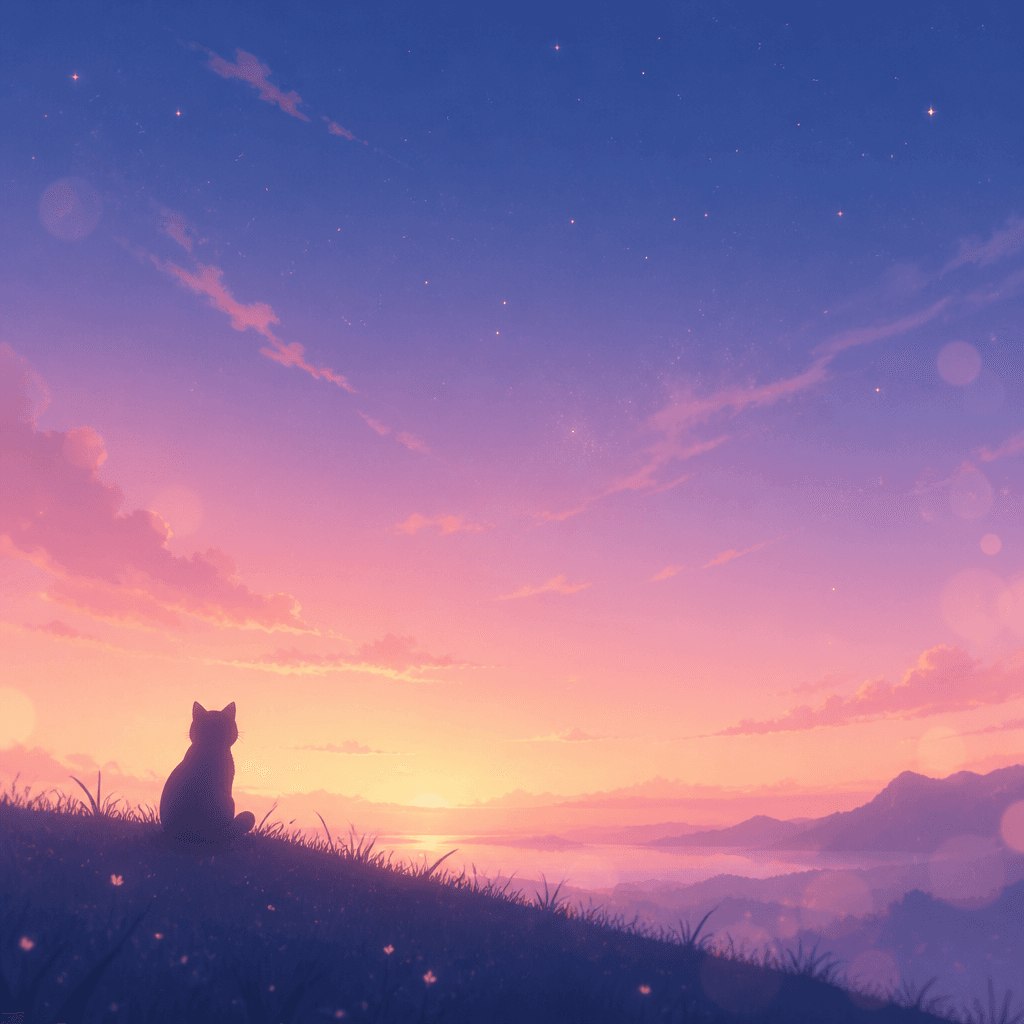
GPT 이미지 2로 생성한 감성 맥북 배경화면

감성 맥북 배경화면

GPT Image 2· Image
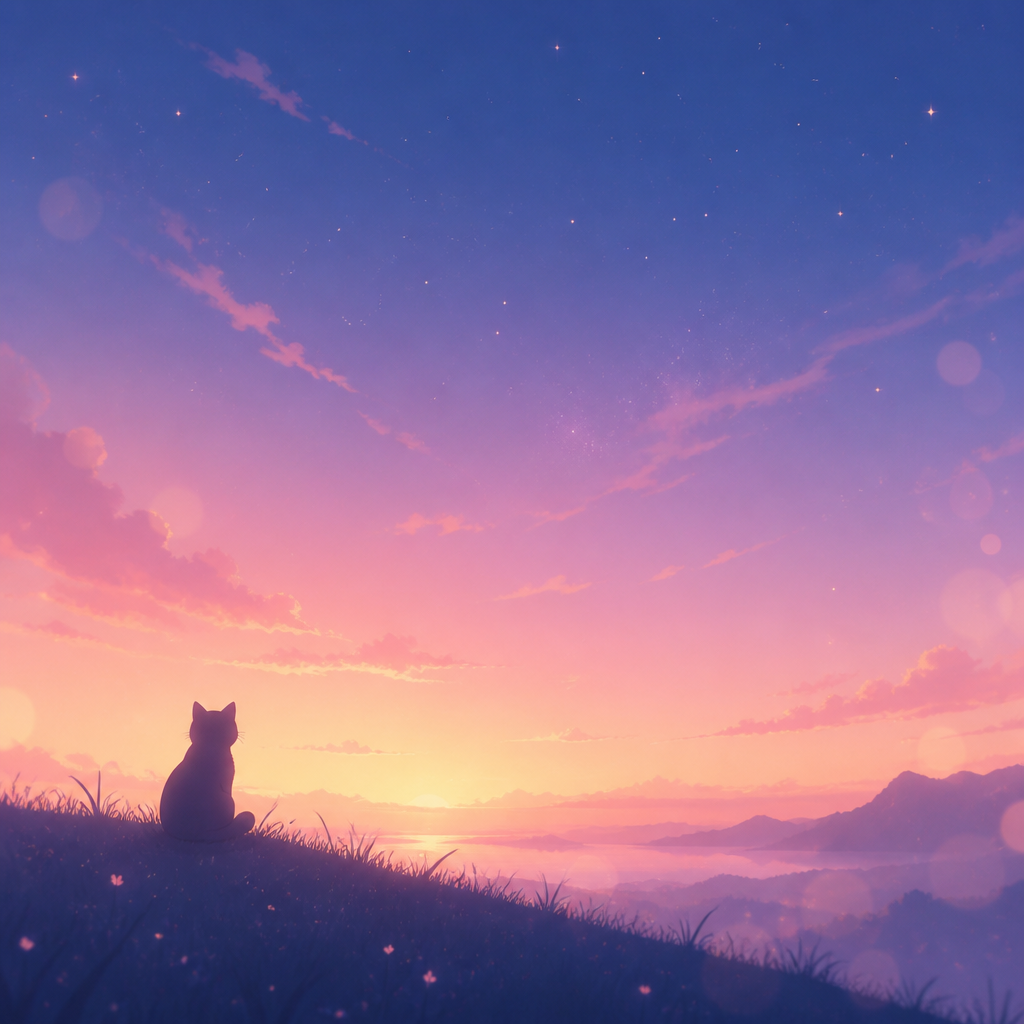
감성적인 맥북 데스크탑 배경화면, 파스텔 그라데이션 하늘과 잔별, 미니멀한 일러스트, 부드러운 보케, 아늑하고 꿈결 같은 무드, 와이드 16:10 비율, 깔끔한 여백, 고해상도 디지털 아트
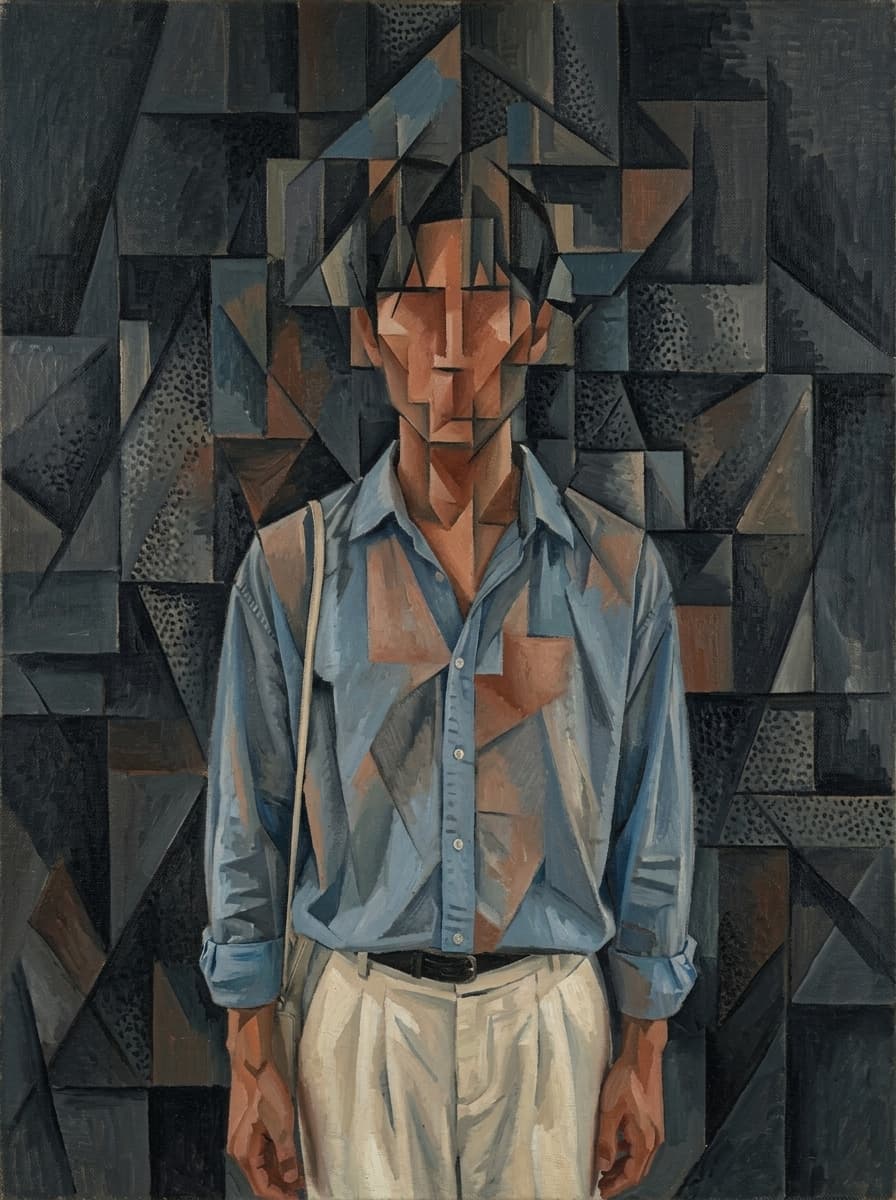
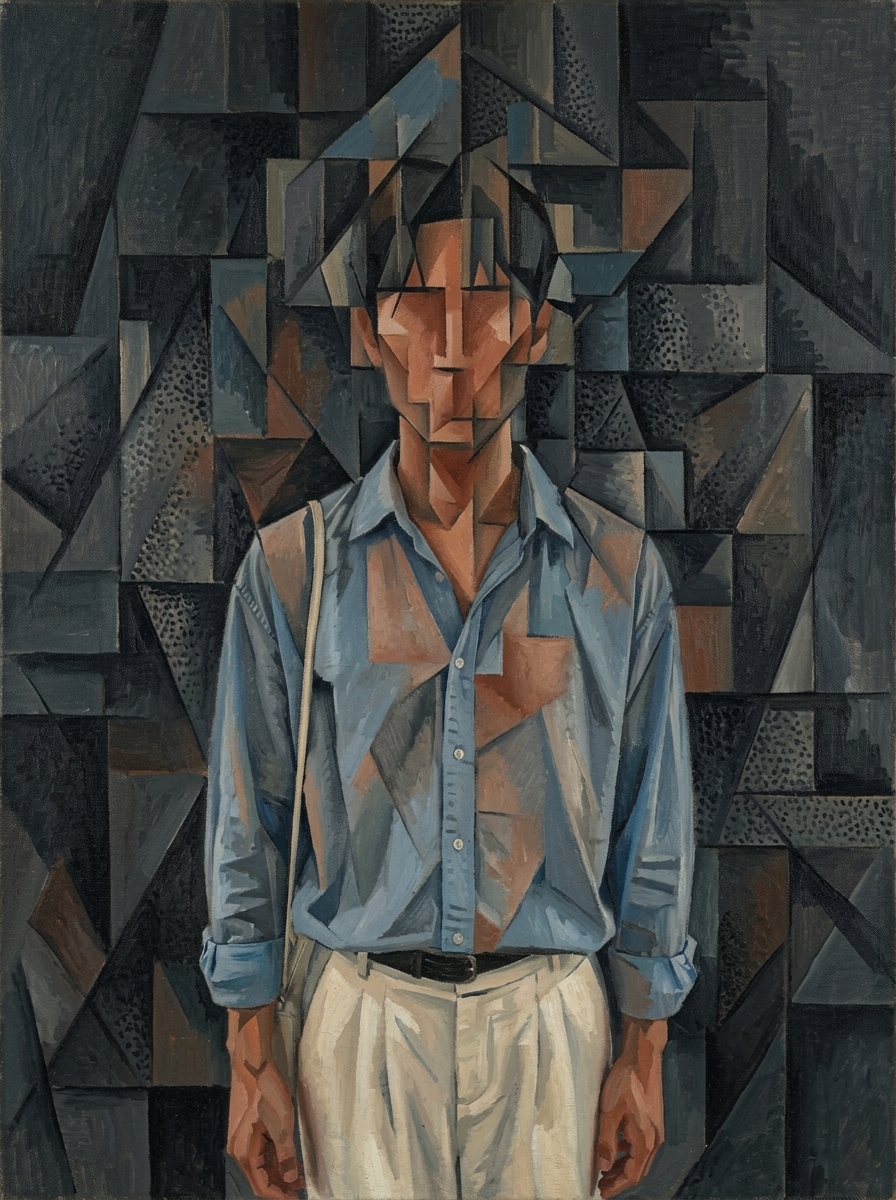
Braque-inspired analytical cubist painting with a faint human trace buried in charcoal and terracotta planes

Braque-Inspired Analytical Cubist Figure
NanoBanana 2· Image
Georges Braque analytical cubism oil painting 1913. Deconstruct this person into a dense field of interlocking geometric planes. The figure should leave only a faint ghost-like impression within the geometric structure — like a presence felt rather than seen. A viewer who looks carefully might sense a human was here, but the form is buried so deep within the geometry that it is never certain. No clear face, no readable eyes or nose, no defined silhouette — only the vaguest concentration of certain tones hinting at where a person once stood. Figure and background are fully fused into one continuous geometric fabric. Use this portrait as a color source: extract dominant tones from skin, hair, and clothing and translate into the palette. Canvas filled with interlocking planes — densest in center, simpler toward edges. Dominant deep charcoal grey and black. One region of warm burnt sienna and terracotta. Accents of dusty blue and cream. Strict horizontal, vertical, and diagonal straight lines. Some areas with stippled pointillist texture. Museum quality oil on canvas. No signature, no text, no artist name, no watermark, no inscription of any kind.
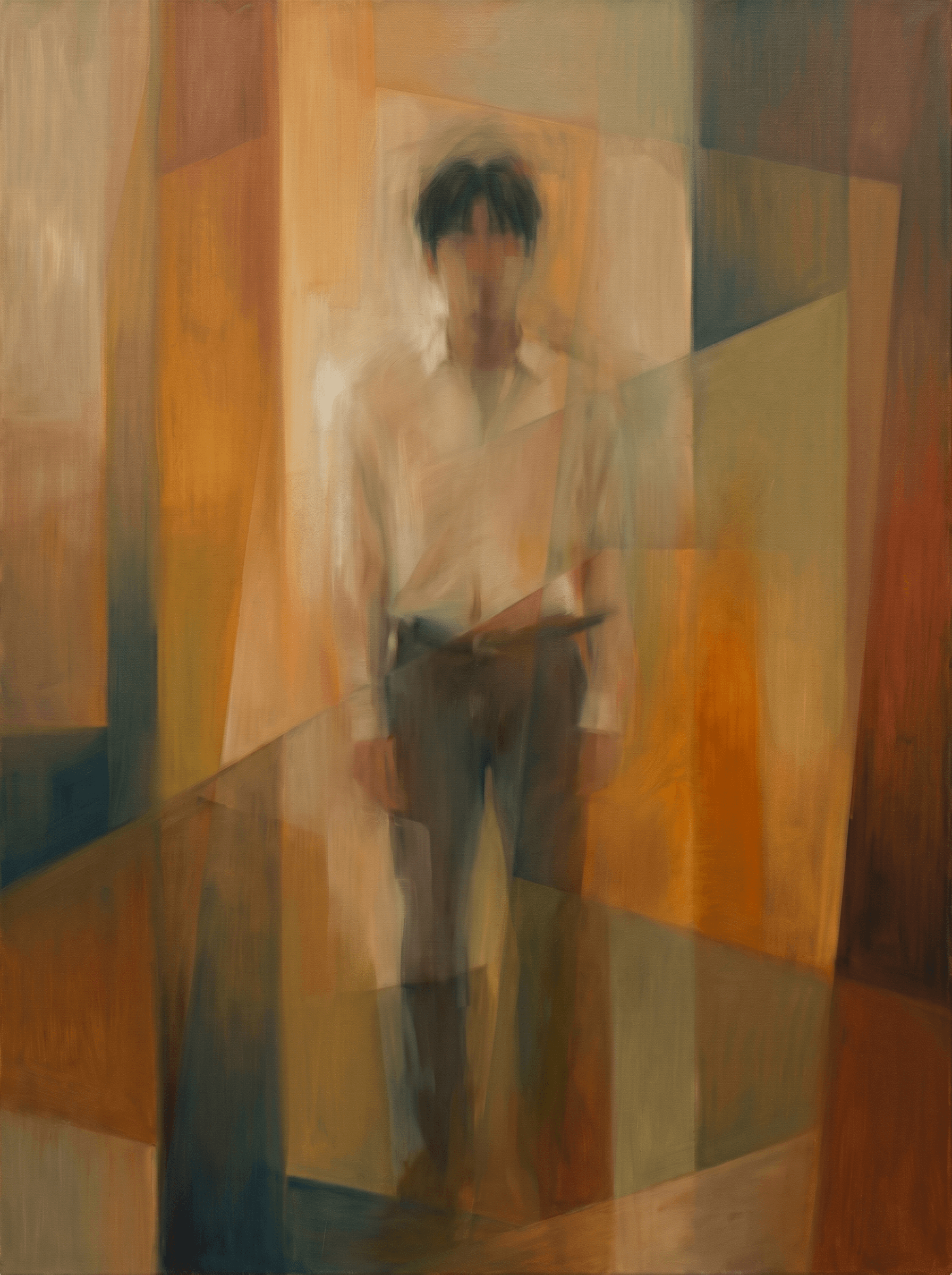
Warm cubist standing figure dissolving into ochre, umber, olive, and overlapping geometric color planes

Warm Geometric Cubist Figure

NanoBanana 2· Image
The subject : a standing portrait photograph of a person. Use the rough posture, hair mass, clothing color relationships, and main silhouette only as faint residues. The reference is the fixed painting-style reference and must dominate. Reconstruct the subject in that style: the human form itself should be blurry and indistinct, dissolving into warm overlapping geometric color fields. Do not keep a clear portrait, readable face, or sharp silhouette. Preserve only faint cues: vertical standing weight, key clothing color residues, a soft diagonal or linear accessory trace if present, and dark hair absorbed into muted planes. Use warm ochre, burnt sienna, raw umber, muted olive, beige, restrained blue-green shadows, translucent color layers, hazy plane intersections, smeared oil transitions, softened vertical bands, trapezoids, and overlapping color planes. The figure should feel like a memory inside color and plane. The final image should be the artwork itself, filling the entire frame edge to edge. No crisp contours, no pencil sketch, no stone texture, no photorealism, no realistic anatomy, no ghostly mood, no canvas object, no frame, no gallery wall, no border.
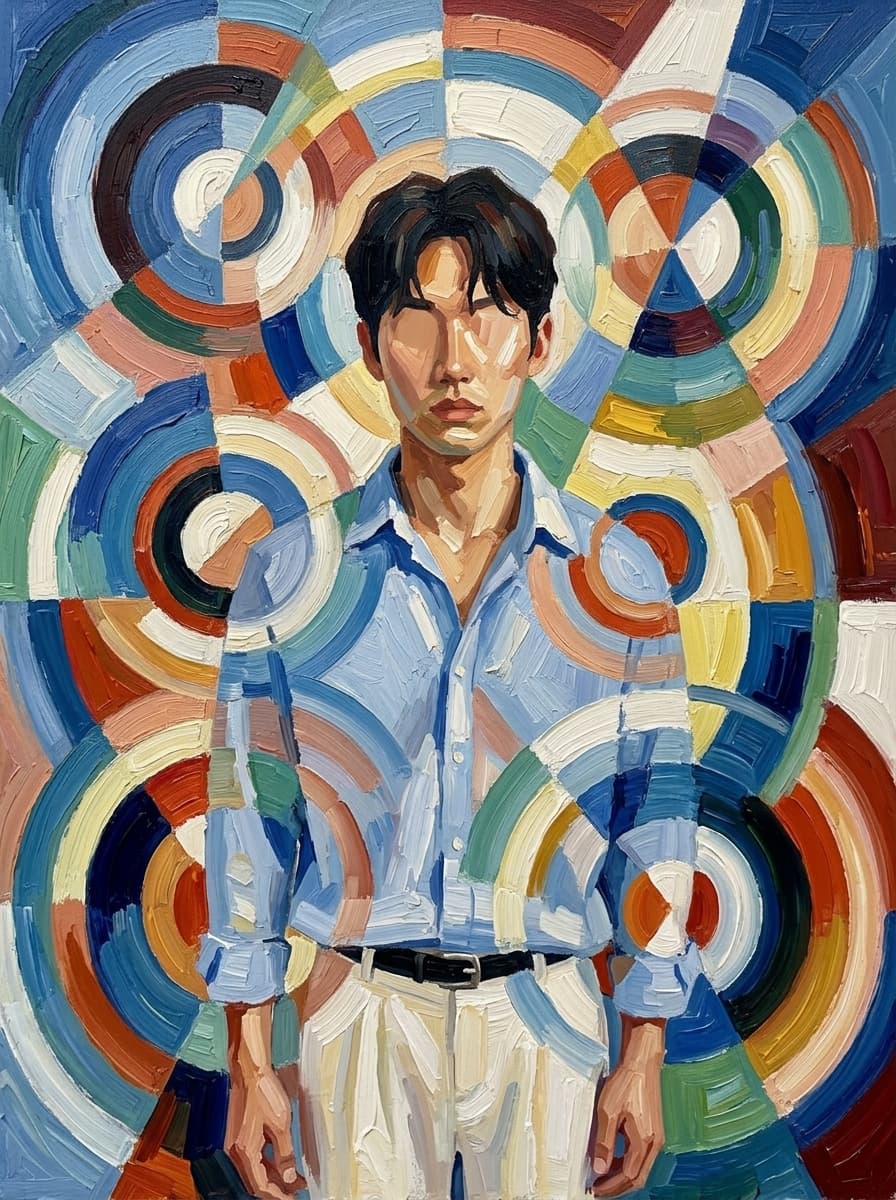
Orphism-style cubist abstraction made of concentric circles, rotating arcs, and portrait-derived colors

Orphism Circular Color Abstraction

NanoBanana 2· Image
Robert Delaunay Orphism style oil painting. Completely dissolve this figure into an explosion of overlapping concentric circles, rotating arcs, and radial geometric color planes — no face, no body, no recognizable human form remains. Multiple simultaneous viewpoints expressed as layered rotating disc fragments. Critically: derive the entire color palette exclusively from the colors present in this person's portrait — their skin tone, hair color, and clothing — and translate those exact colors into the cubist composition. The result should feel like this specific person's colors have been set in motion and spun into pure geometric rhythm. Thick impasto oil paint, visible brushstrokes, painterly and beautiful. Museum quality.

What Are Fence Illustration AI Prompts?

Fence Illustration AI prompts are specific textual instructions designed to guide artificial intelligence in generating high-quality illustrations of fences, walls, and boundary structures. Whether you envision a classic white picket fence surrounding a sun-drenched garden, a rustic stone wall in the countryside, or an ornate wrought-iron gate guarding a mysterious estate, these prompts provide the necessary linguistic framework to bring those visions to life. On the Carat platform, our Fence Illustration tag focuses on capturing the essential details that define these structures-such as the grain of the wood, the weathered texture of stone, the intricate patterns of metalwork, and the way climbing plants like ivy or roses intertwine with the fence. These AI prompts act as a bridge between your creative imagination and the digital output, allowing you to control not just the type of fence, but also its scale, perspective, and overall artistic style. For artists, designers, and hobbyists alike, these prompts offer a fast and reliable way to create background elements or focal points for a variety of digital projects, ensuring that every generated boundary structure adds meaning and aesthetic value to the scene.

Best Use Cases

The utility of Fence Illustration spans several creative and professional fields. In the realm of landscape and architectural visualization, these illustrations are perfect for creating conceptual mood boards and initial design drafts that show how a boundary structure will fit into a larger environment. Graphic designers frequently use these assets in the creation of website headers, social media graphics, and promotional materials for home-related services like gardening, real estate, or interior design. For digital storytellers and children's book illustrators, Fence Illustration provide a consistent way to build cozy and familiar settings that evoke a sense of home and safety. They are also highly popular in the digital journaling community as decorative stickers or background frames for layout designs. Additionally, these illustrations can be used as environmental assets in 2D game design, helping to define play areas or set the mood for different levels. By adjusting the season-such as adding frost for winter or fallen leaves for autumn-these prompts can be used to create timely marketing visuals throughout the year.

Why This Tag Works

Fences can be deceptively difficult for AI to generate correctly because they involve repetitive geometric patterns and precise spatial alignment. Without specific guidance, AI models might produce fences with uneven gaps or distorted planks. The Fence Illustration tag on Carat works because our prompts include technical modifiers that emphasize "structural symmetry," "even spacing," and "consistent perspective." These "guardrail" keywords help the AI maintain the integrity of the fence's design while allowing for creative flourishes. Moreover, the tag is designed to be highly contextual; it encourages the inclusion of surrounding elements like grass, flowers, or specific lighting conditions, which helps the AI understand the relationship between the fence and its environment. This results in more integrated and believable illustrations. By using our pre-optimized prompts, users can skip the frustration of poor-quality generations and immediately get results that are ready for professional use. The ability to switch between styles like minimalist vector, lush oil painting, or delicate watercolor further adds to the tag's versatility and value.

Explore Related Prompts

Enhance your environmental designs by exploring these related prompt categories. Combining different boundary styles with diverse artistic filters will help you create a truly unique and atmospheric illustration.

  • Illustration
  • Poster
  • Card News Template
  • Character
  • Watercolor Style
  • Oil Painting Style
  • Diary Sticker

Prompt Building Tips

When building your Fence Illustration AI prompts, think about the story you want the fence to tell. Is it a "brand new white wooden fence" that looks pristine and welcoming, or an "old, leaning stone wall covered in thick moss" that feels ancient and forgotten? Start with the material and its condition, then move on to the artistic style. For example: "A rustic split-rail wooden fence in a foggy meadow, cinematic lighting, soft focus background, digital painting style." To improve the composition, specify the camera's relationship to the fence-using terms like "eye-level view," "low angle to make the fence look imposing," or "side profile to show the fence receding into the distance" can drastically change the final image. Don't forget to describe the lighting; "dappled sunlight through trees" or "the golden hour glow" can transform a simple fence into a breathtaking scene. Finally, if you need the illustration to be part of a larger series, mention specific colors or plant types to maintain consistency. Carat's prompt library is a goldmine for these kinds of specific descriptors, so use them to refine your vision and create the perfect fence illustration for your needs. Iteration is key, so try combining contrasting elements to see what unique boundaries the AI can build for you.

Frequently Asked Questions

Related Prompts

Record Illustration

Record Illustration

8 prompts

Wallpaper

Wallpaper

5 prompts

Cubism Prompts

Cubism Prompts

5 prompts

Editorial

Editorial

193 prompts

Carat Prompt Gallery

Create trending AI prompts instantly

Prompts

  • Logo
  • PPT Design
  • Thumbnail
  • Poster
  • Web Novel Cover
  • ID Photo
  • Caricature
  • Product Detail Page
  • Banner

Models

  • GPT Image 2
  • Seedance 2.0
  • NanoBanana Pro
  • NanoBanana 2

Carat

  • Get started
  • About
  • Blog
  • Careers
  • Contact
  • Partnership
  • Terms
  • Privacy

© 2026 Paradot.Inc All rights reserved.