Furniture Design
Browse professional-grade AI prompts for Furniture Design and start creating instantly.
2026.07.04
Make “Furniture Design” exactly the way you wantCreate your own “Furniture Design”
Just ask in plain language — Carat generates optimized images and videos for you.

Start now with 100 free credits daily
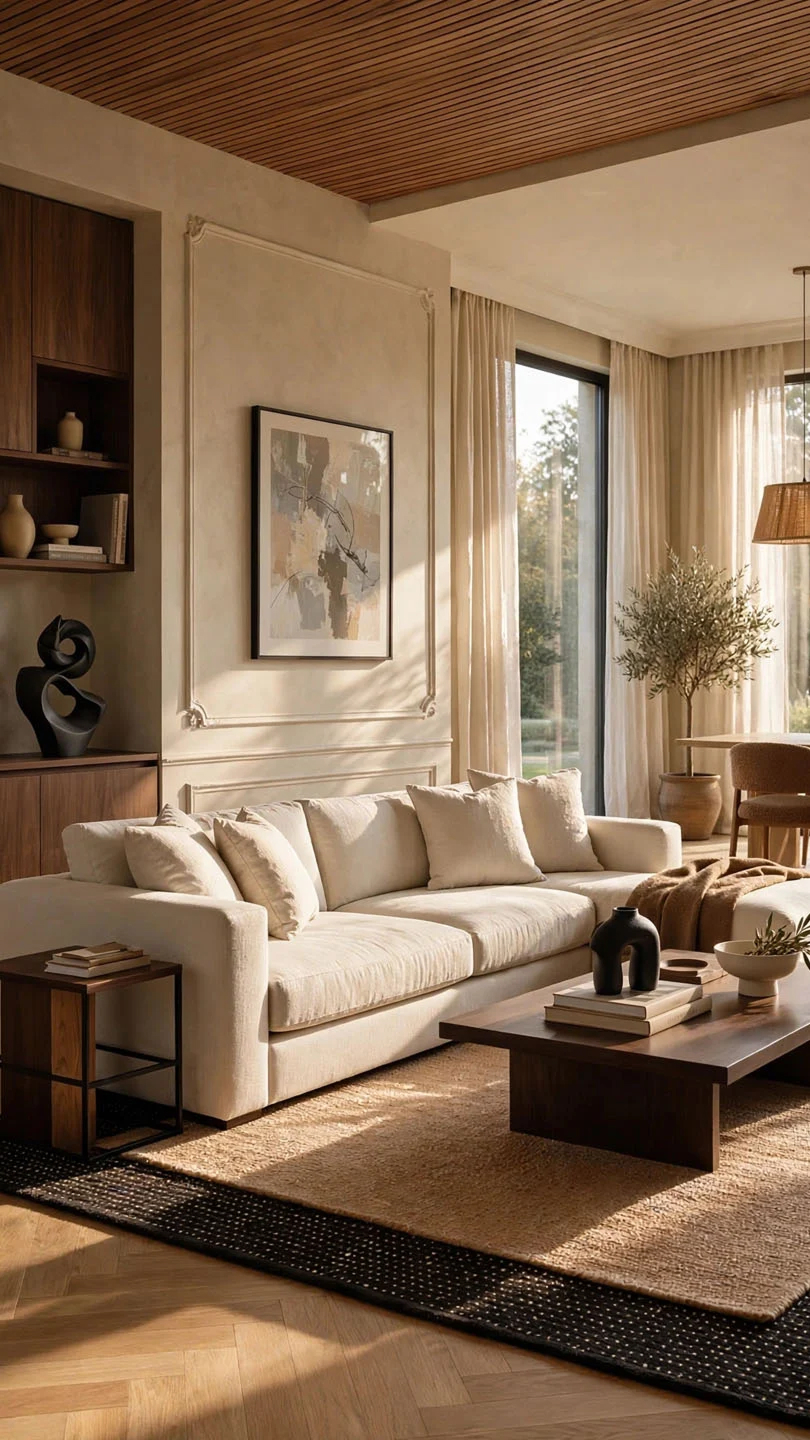
Warm Minimalist Interior
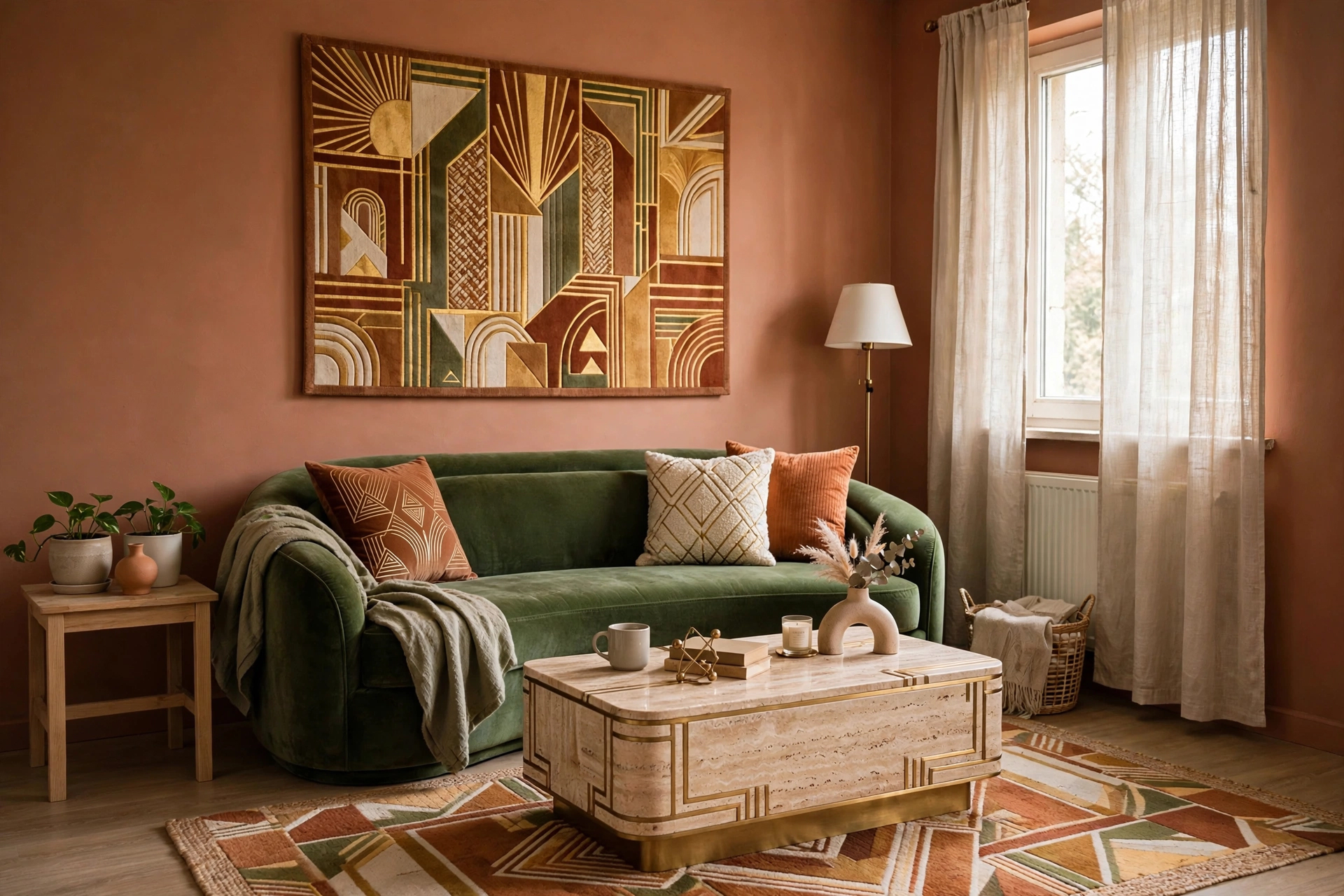
Room Redesigned in Trending Styles
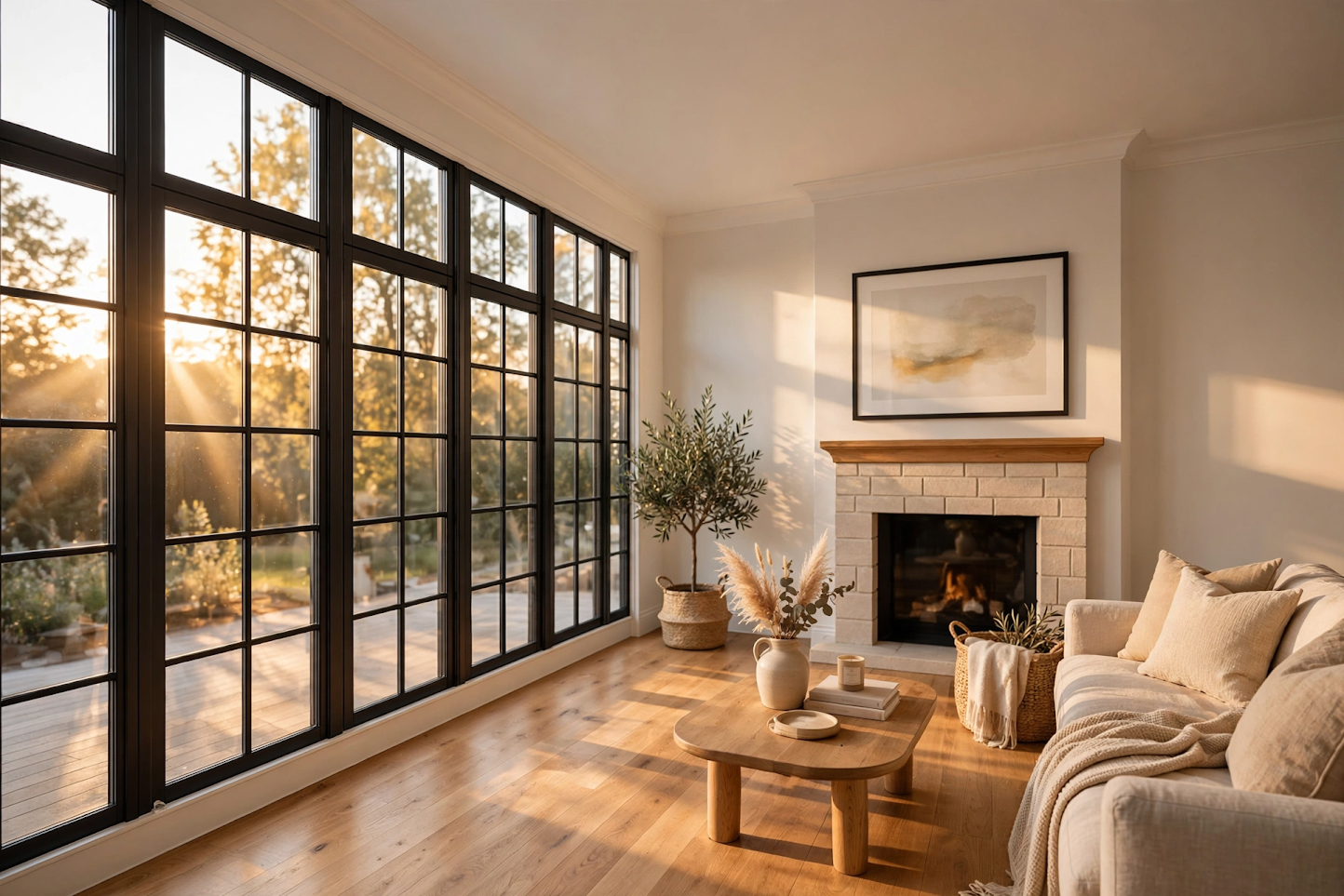
Photorealistic Scandinavian Interior
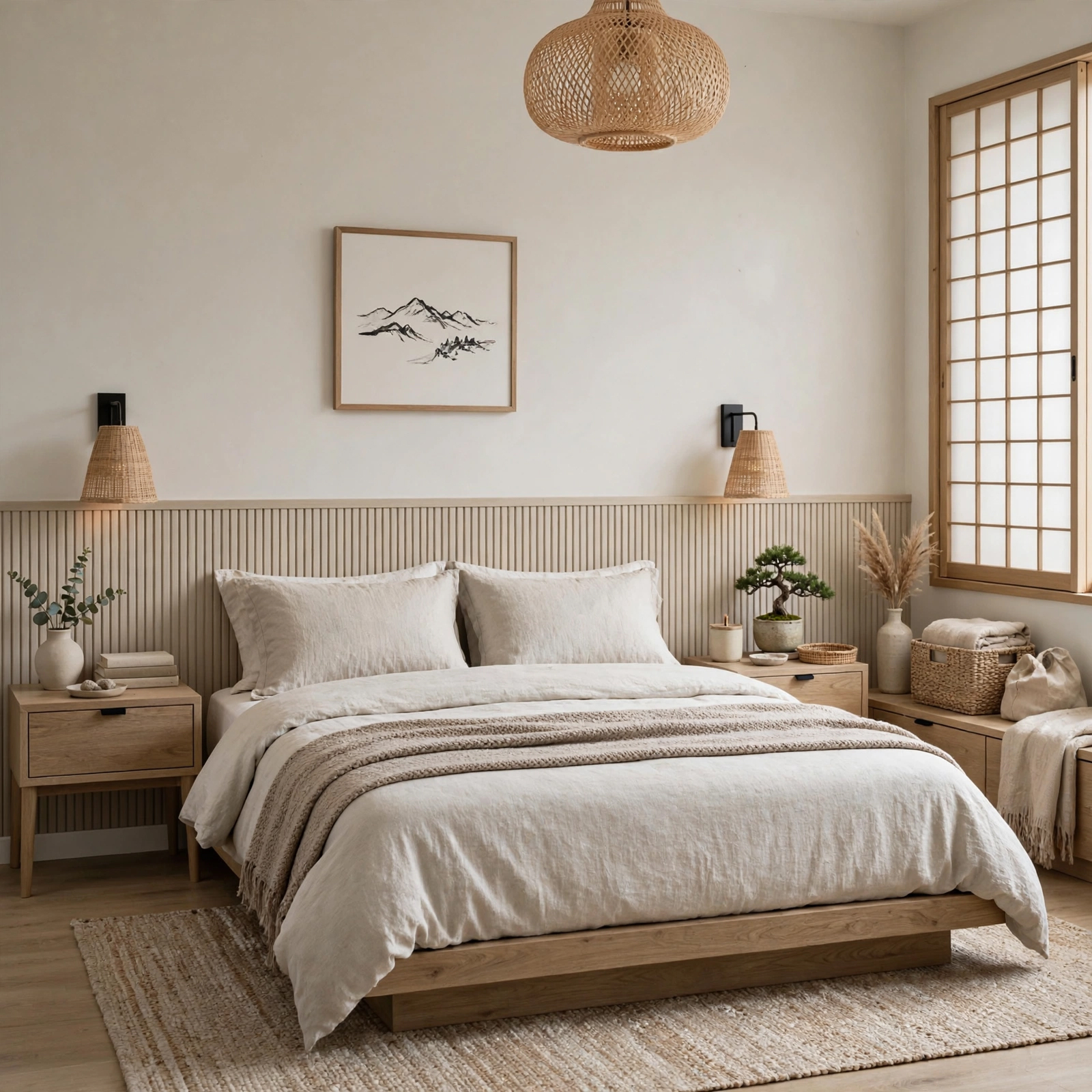
Japandi Room Restyle
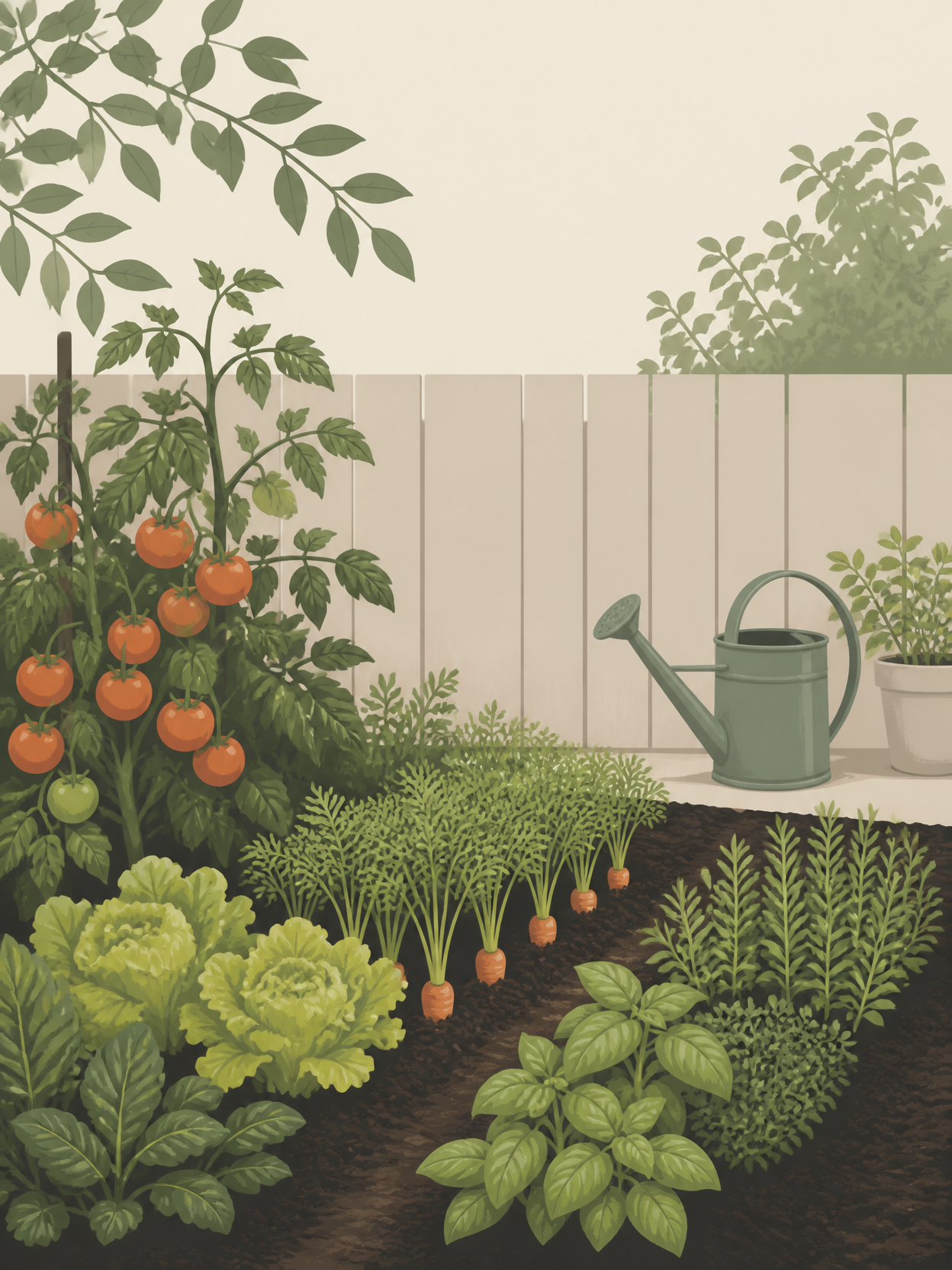
텃밭 일러스트
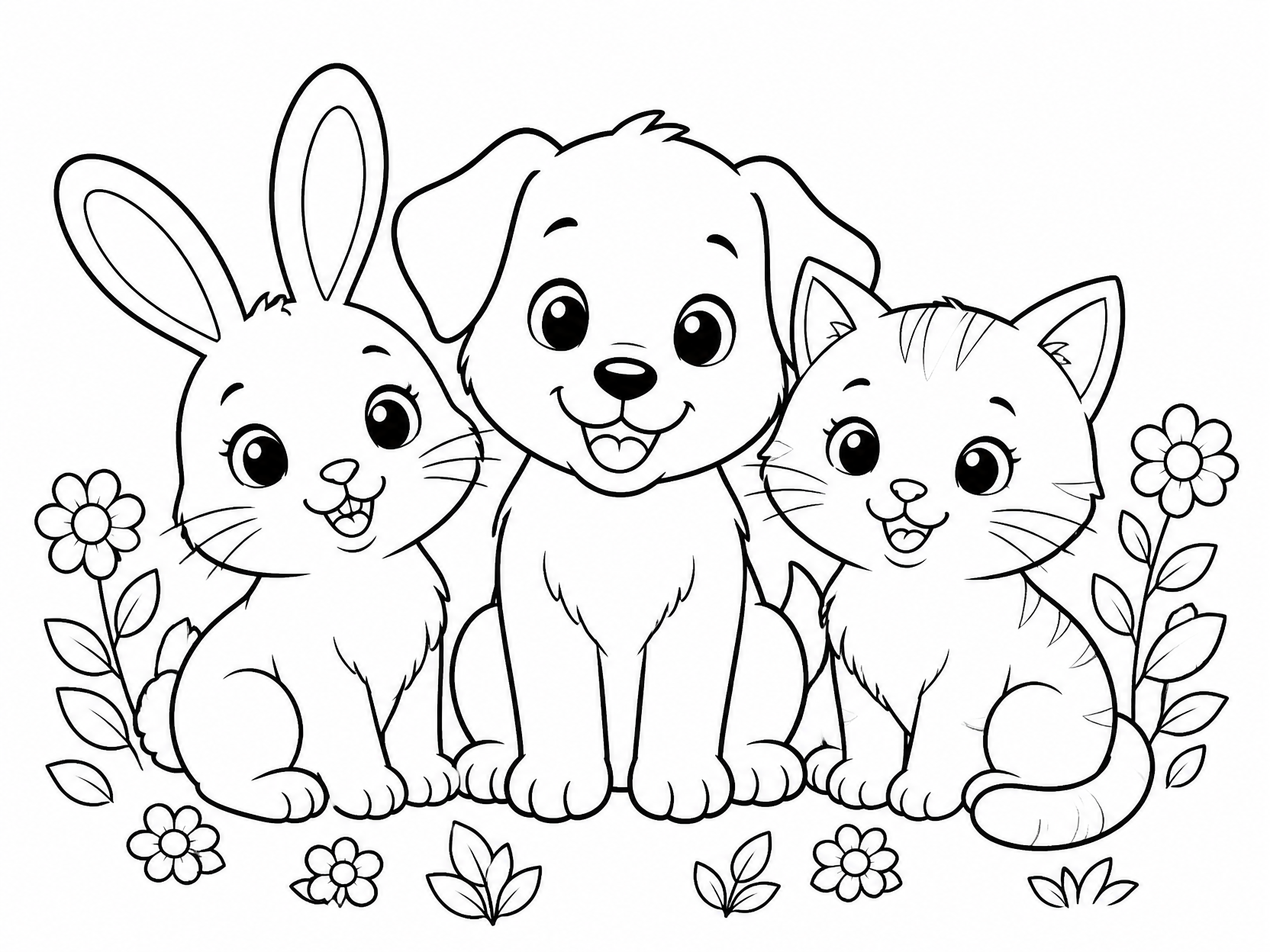
귀여운 동물 색칠도안
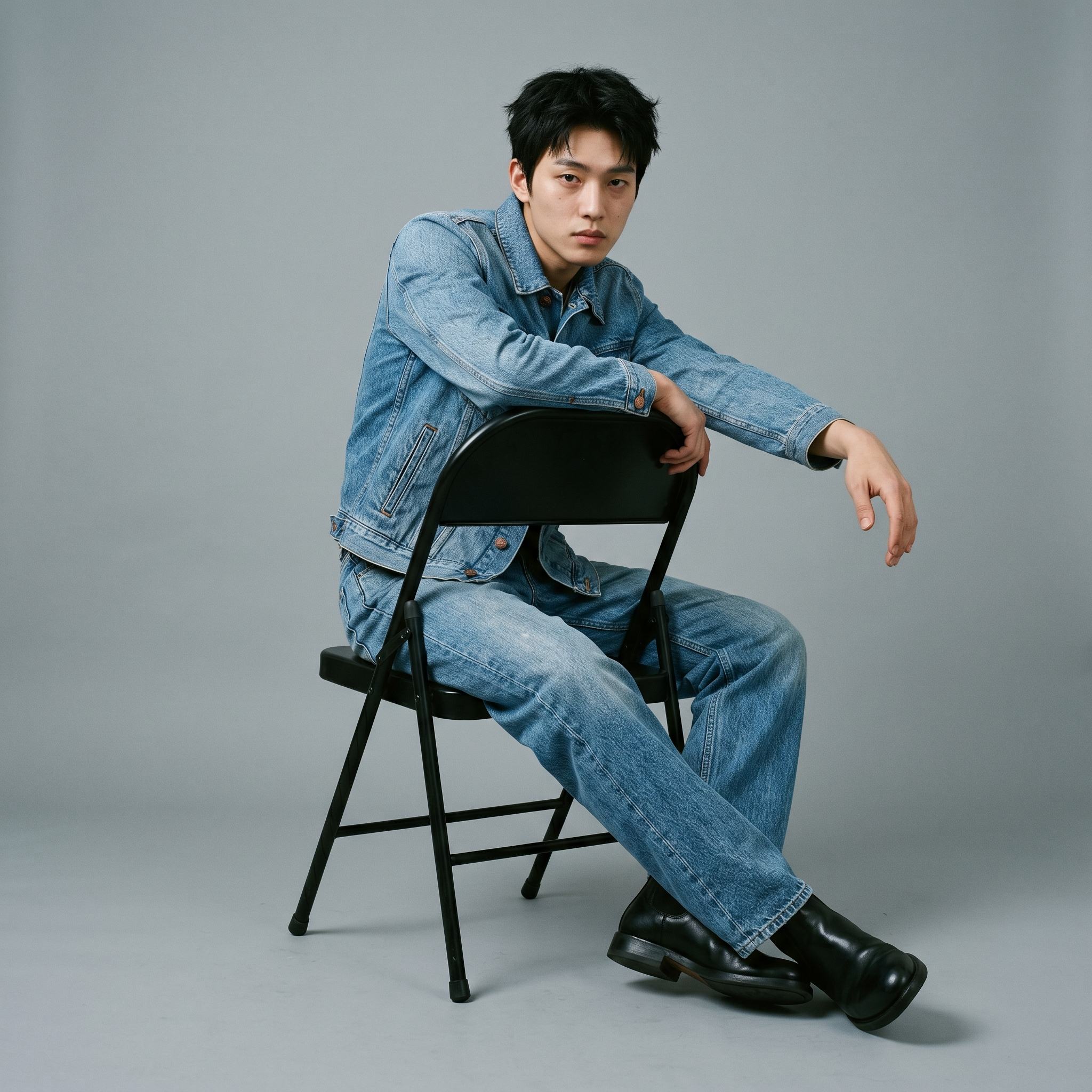
Seated Denim Editorial
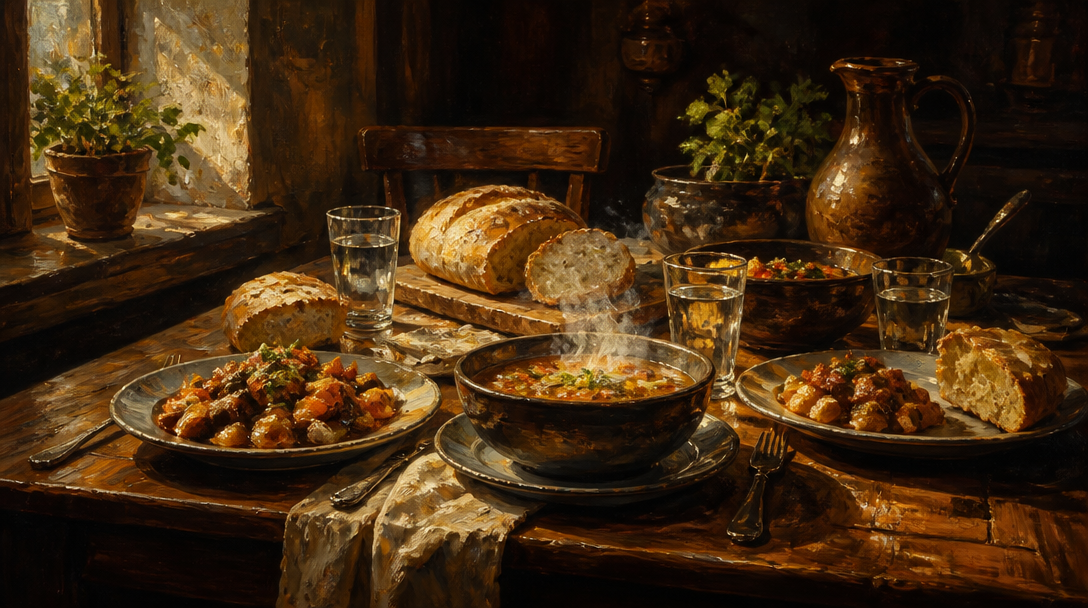
식탁 일러스트

채소 일러스트

휠체어 일러스트
What Are Furniture Design AI Prompts?
Furniture Design AI prompts are meticulously crafted sets of instructions designed to guide artificial intelligence models in generating high-quality visual assets related to Furniture Design. These prompts translate complex human concepts such as '가구 디자인, 의자 테이블 소파, furniture design, chair table sofa concepts.' into a structured format that AI algorithms can interpret effectively. In the modern era of generative media, the ability to communicate with AI is a superpower. By using these optimized prompts, creators can bypass the steep learning curve of traditional design software and jump straight to the output phase. Whether you are looking for specific textures, lighting conditions, or compositional arrangements, a well-structured prompt serves as the blueprint for your creative vision. The prompts found in the Carat gallery are pre-tested and refined to ensure that every generation meets a professional standard, allowing for consistency and excellence across multiple iterations. Understanding the nuances of these prompts is the first step toward mastering AI-driven creativity, enabling you to manifest ideas that were previously limited by manual skill or time constraints. This category focuses on providing you with the exact vocabulary needed to evoke the precise mood and detail required for your specific Furniture Design needs.
Best Use Cases
The versatility of Furniture Design prompts makes them indispensable across a wide range of industries and creative workflows. For digital marketers, these prompts are a goldmine for producing eye-catching social media content that stops the scroll. Imagine being able to generate dozens of unique variations of Furniture Design visuals for an A/B testing campaign in minutes. For concept artists and designers, these prompts serve as an incredible brainstorming tool. During the early stages of a project, you can use these prompts to rapidly prototype visual directions, helping clients visualize the end product before a single pixel is manually drawn. In the realm of e-commerce, having access to high-fidelity Furniture Design imagery can significantly lower the barrier to entry for small businesses that need professional-grade product presentations or lifestyle shots. Furthermore, educators and researchers can utilize these generated assets to create immersive learning materials or to illustrate complex theories that require specific visual context. Even for hobbyists, the ability to generate stunning Furniture Design content opens up new avenues for personal expression and digital storytelling on platforms like YouTube, Instagram, and personal blogs. The efficiency gained through these use cases allows creators to focus more on strategy and narrative rather than the repetitive tasks of asset creation.
Why This Tag Works
What sets the Furniture Design tag apart and makes it so valuable is its focus on precision and aesthetic quality. In a world saturated with generic AI content, standing out requires a level of detail that only expertly engineered prompts can provide. This tag ensures that the AI pays attention to the subtle elements that define a high-quality Furniture Design asset-elements like refractive indices, atmospheric scattering, and complex surface geometries. By using these tags, you are not just asking for a general image; you are requesting a specific cinematic experience or a designer-grade illustration. Another reason this tag works so well is its adaptability. Each prompt is designed with variables in mind, allowing you to easily swap out colors, moods, or specific objects while maintaining the overall structural integrity of the output. This 'modular' approach to prompting is what professional AI artists use to maintain brand consistency across large-scale projects. Moreover, the prompts associated with this tag have been optimized to avoid common AI artifacts, ensuring cleaner lines, more natural lighting, and anatomically correct details where applicable. For anyone serious about the quality of their AI-generated media, this tag provides a reliable foundation that guarantees professional results every time, regardless of the user's technical background.
Explore Related Prompts
Check out these related topics to expand your creative horizons and discover new styles:
Illustration, Poster, Card News Template, Character, Oil Painting Style, Watercolor Style, Infographic. Each of these categories complements the current tag by offering different perspectives, styles, and functional applications that can be layered or combined for even more complex results.
Prompt Building Tips
To truly master Furniture Design generation, it is essential to look beyond the basic subject matter and consider the technical parameters of the 'virtual camera.' First, always consider the lighting. Terms like 'volumetric lighting,' 'golden hour,' or 'soft diffusion' can dramatically shift the emotional weight of your Furniture Design creation. Second, define the camera perspective. Whether you need a low-angle shot to convey power, a bird's eye view for a grand overview, or a shallow depth of field to focus on intricate details, specifying these elements will lead to a much more intentional result. Third, don't forget the material properties. Describing the specularity of a surface, the roughness of a texture, or the translucency of a material helps the AI render more believable interactions between light and matter. Additionally, experimented with different artistic styles or technical mediums. For example, combining Furniture Design with 'Unreal Engine 5 render style' or 'National Geographic photography' provides the AI with a clear stylistic anchor. Finally, remember that prompting is an iterative process. Start with the core tags provided here, observe the results, and then add specific adjectives or technical terms to fine-tune the output to your exact liking. The more descriptive and structured your input, the more rewarding the output will be.