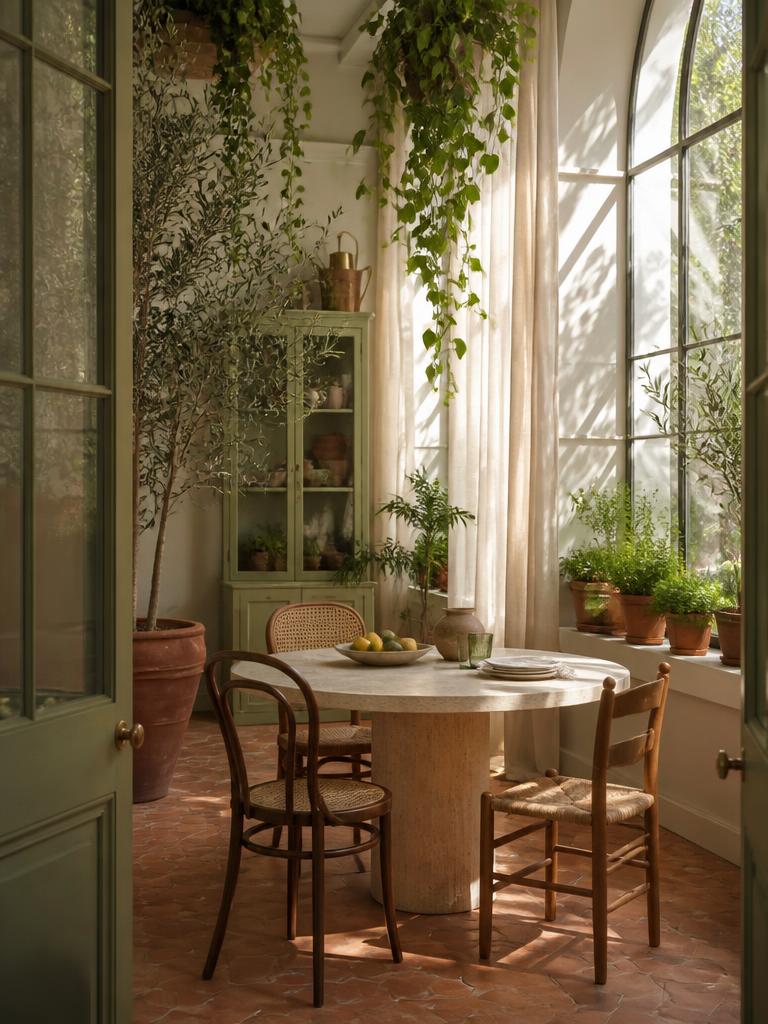
Interior Design
클리닉, 코티지, 미니어처 공간, 포스터형 건축 비교처럼 공간 분위기와 배치를 시각화하는 태그입니다.
2026.07.02
Make “Interior Design” exactly the way you wantCreate your own “Interior Design”
Just ask in plain language — Carat generates optimized images and videos for you.

Start now with 100 free credits daily
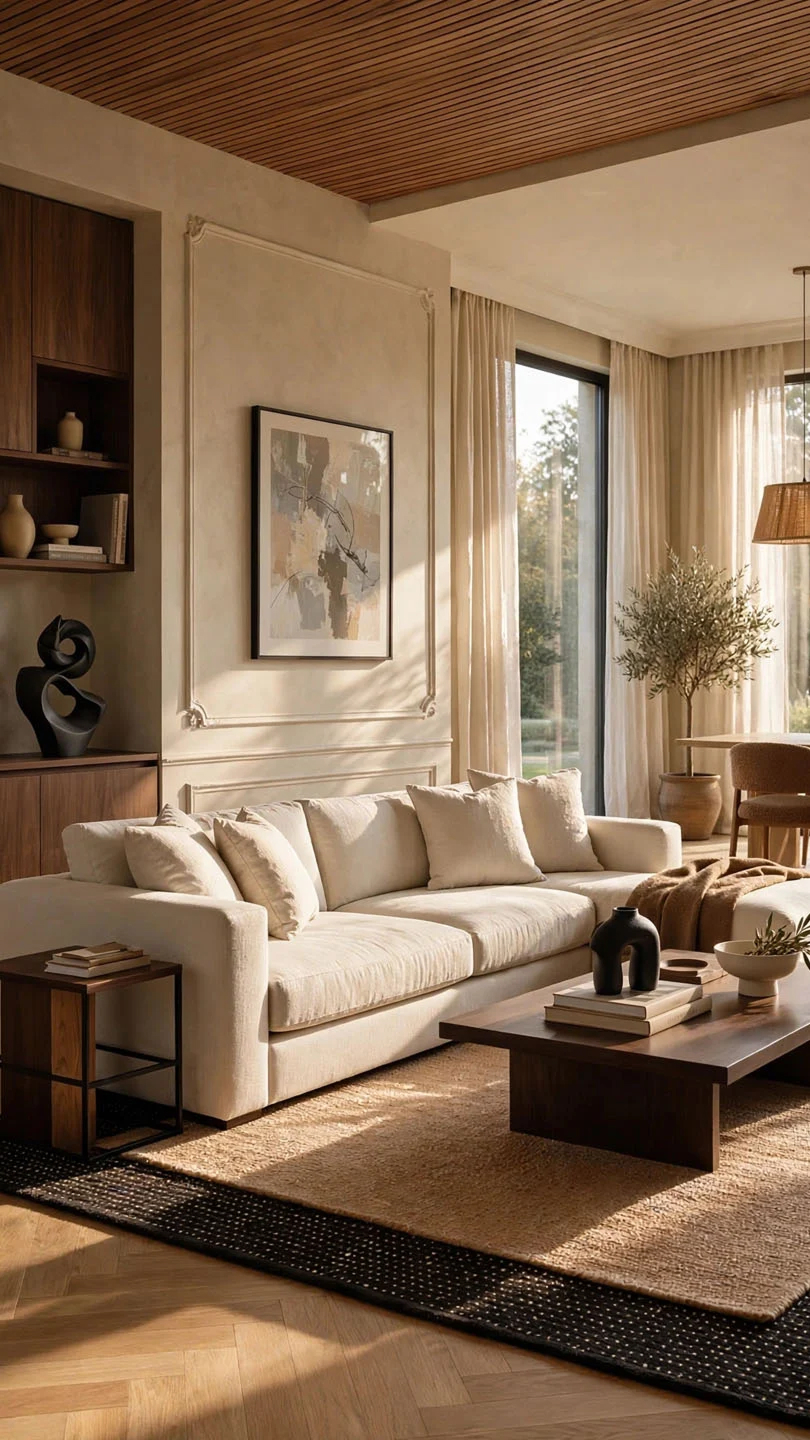
Warm Minimalist Interior
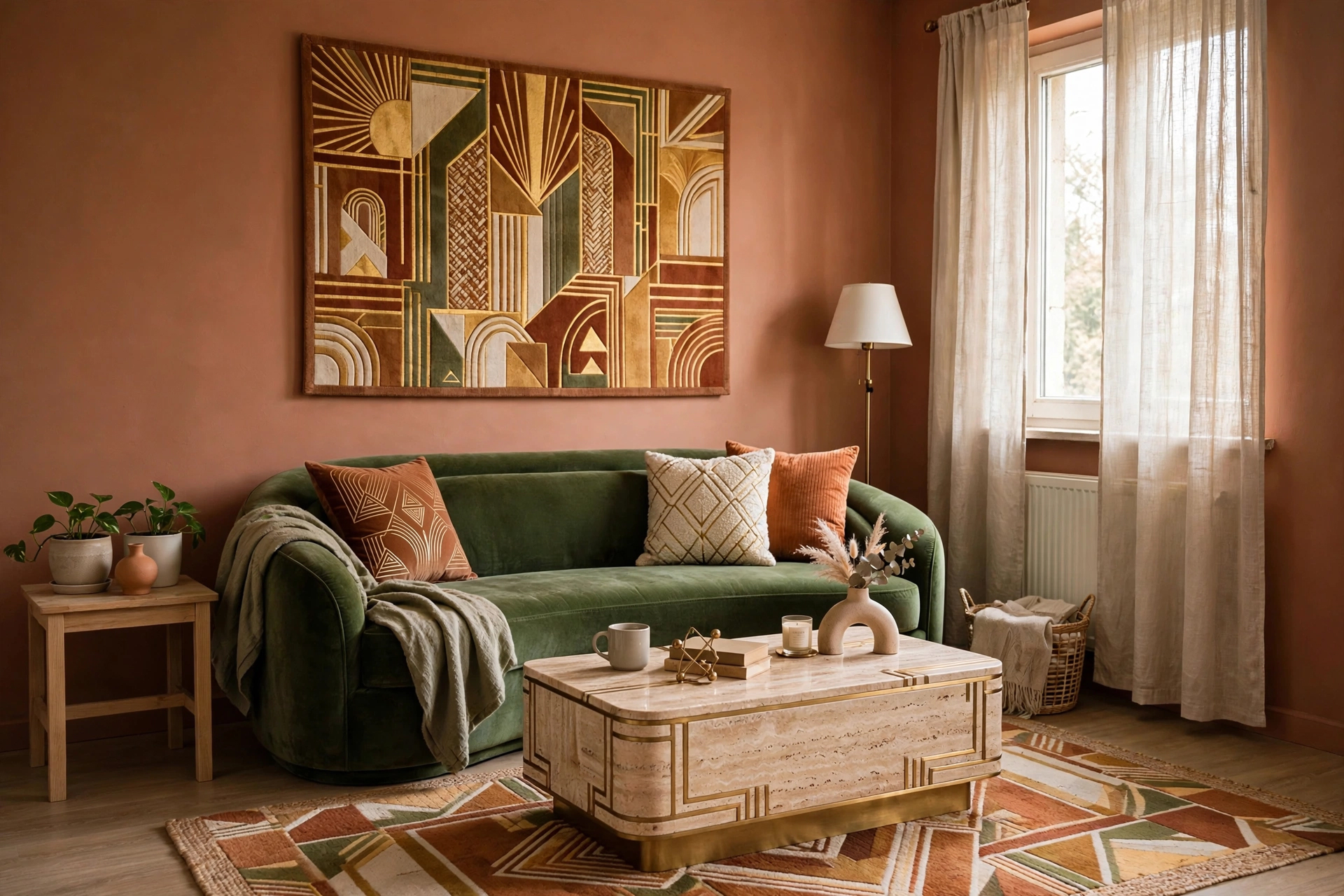
Room Redesigned in Trending Styles
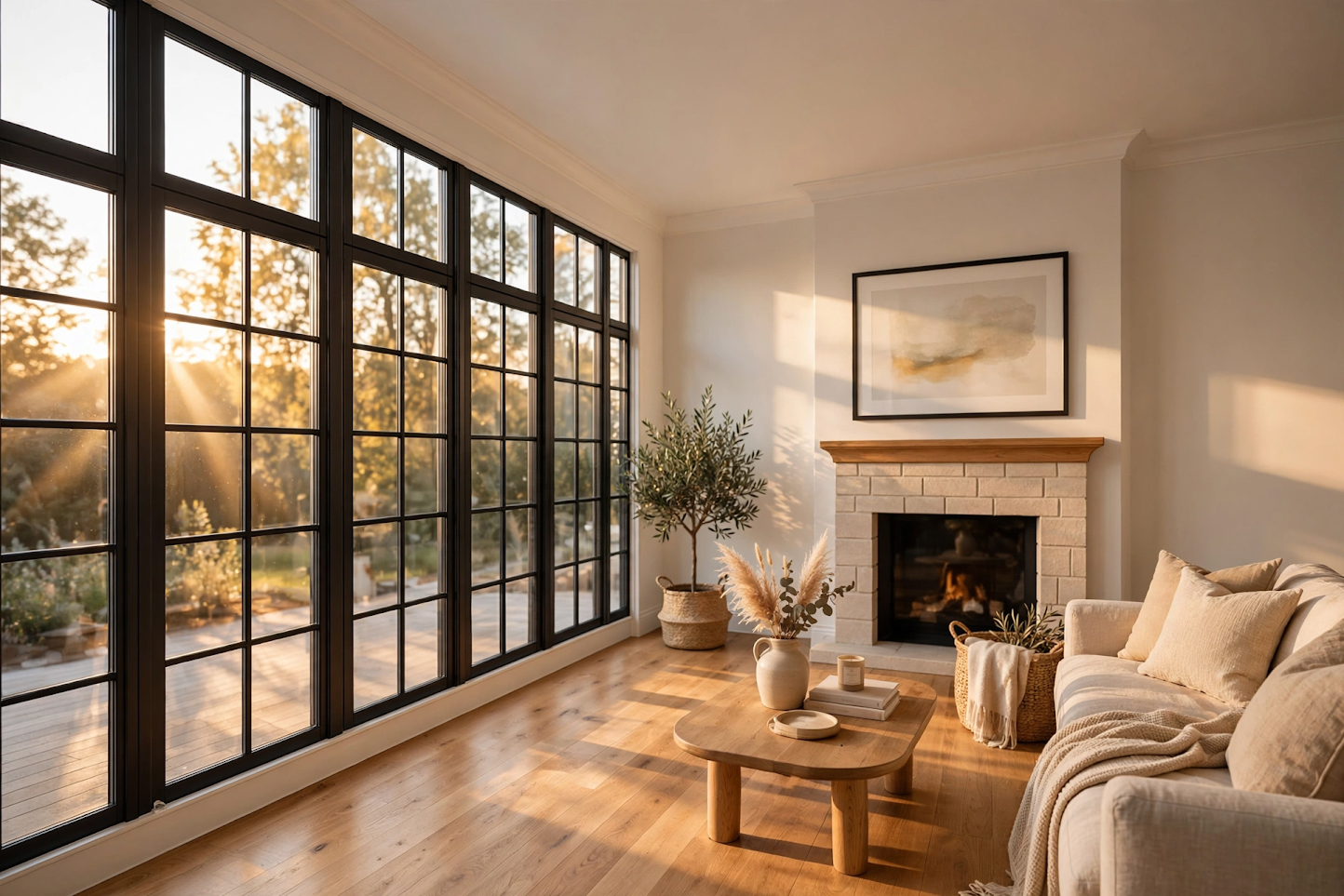
Photorealistic Scandinavian Interior
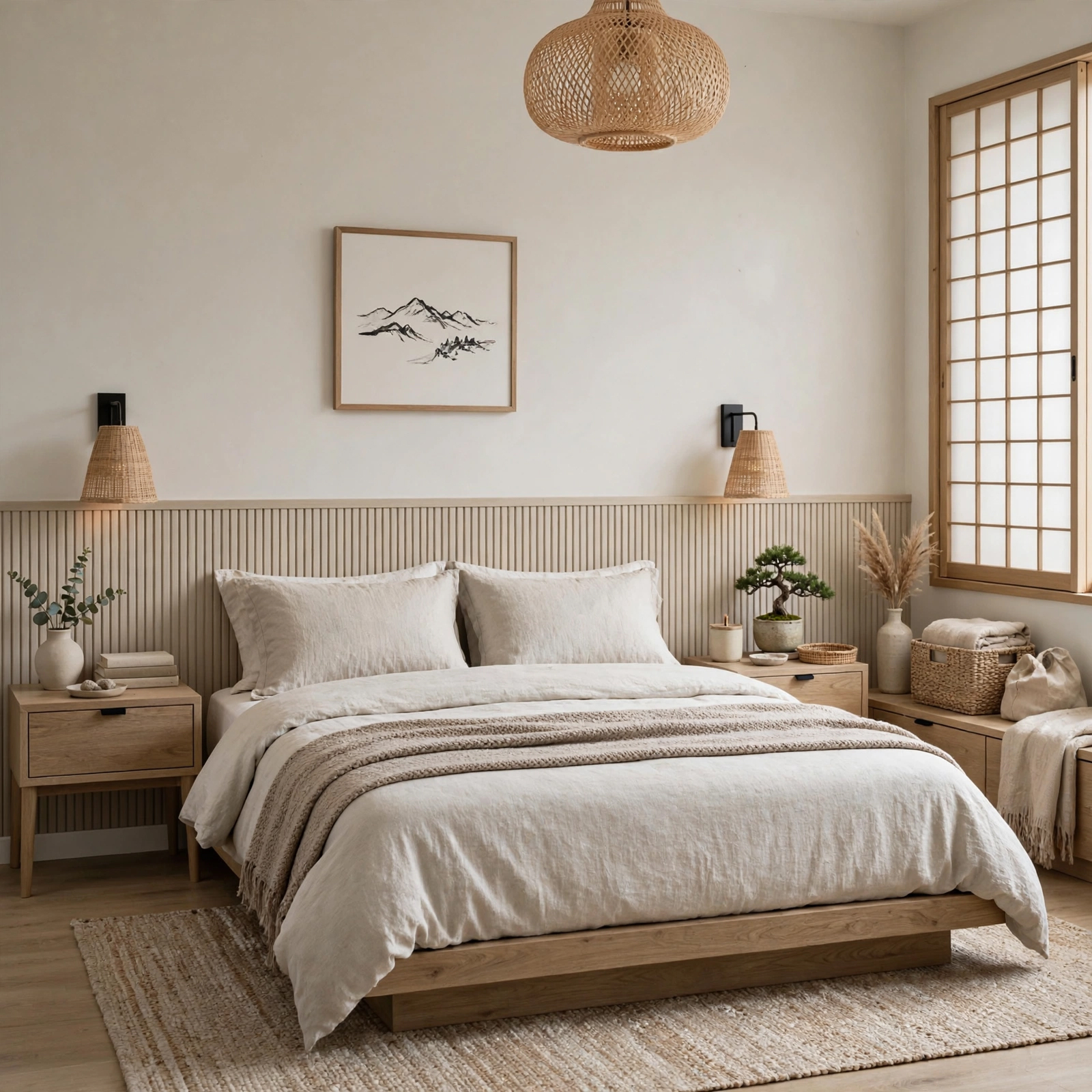
Japandi Room Restyle
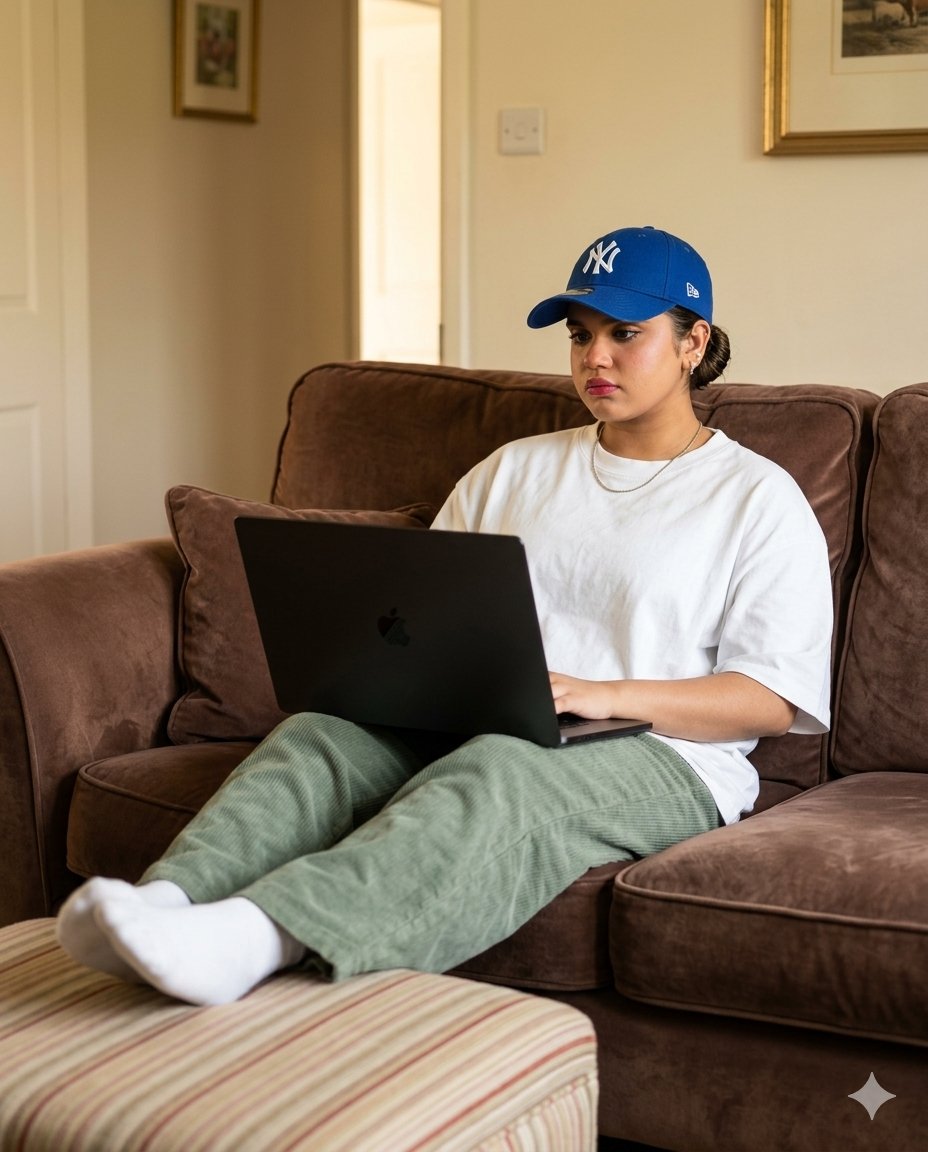
Cozy English Cottage Interior with Laptop
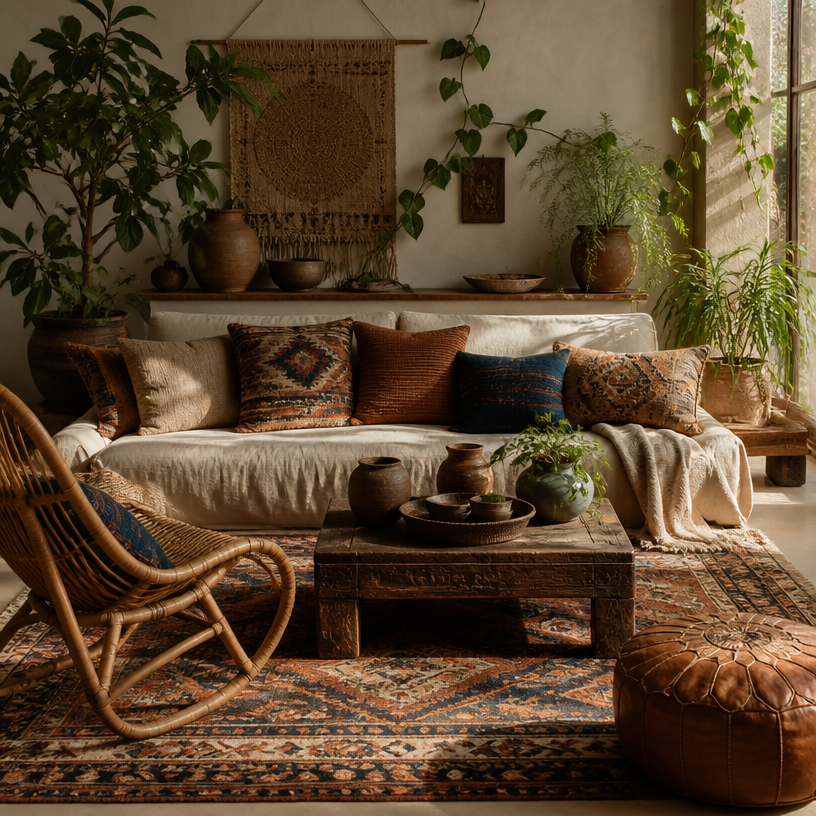
보헤미안 인테리어
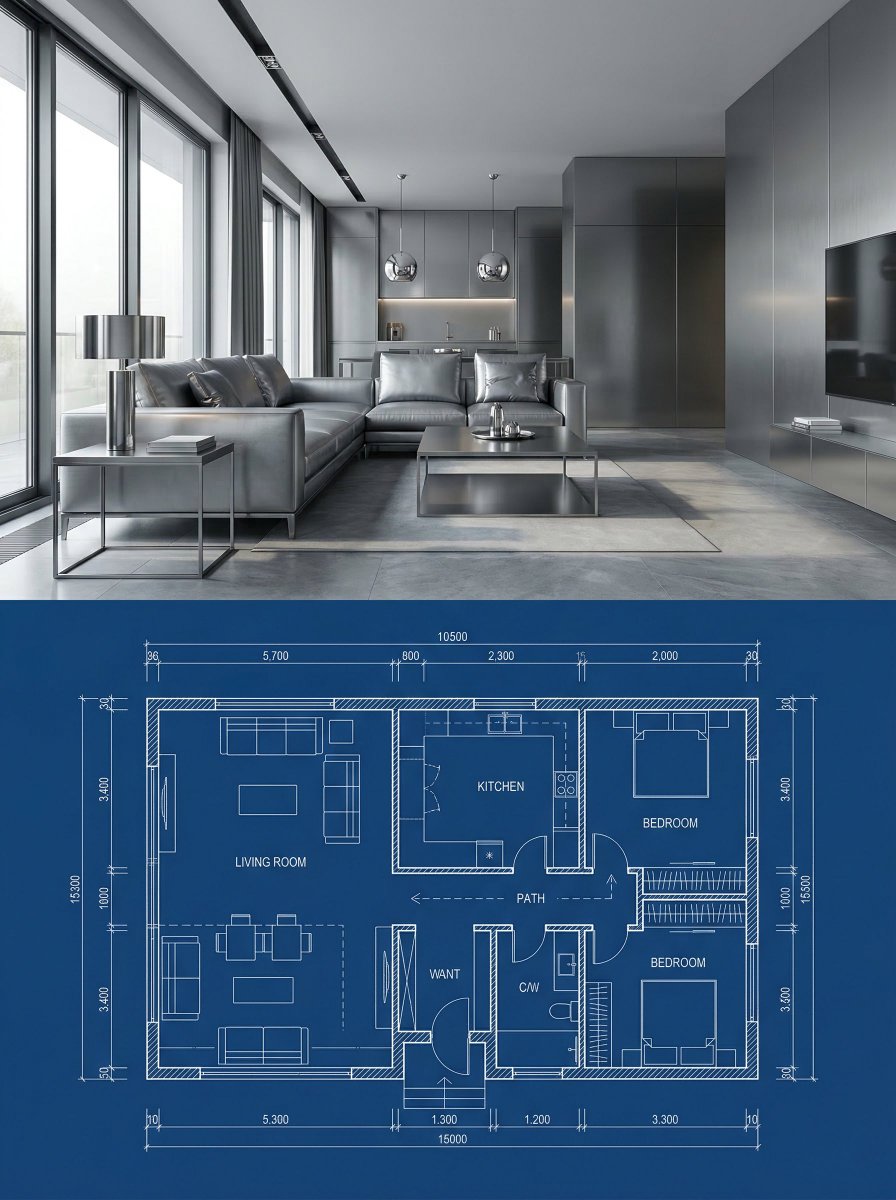
Interior Architecture Comparison Poster
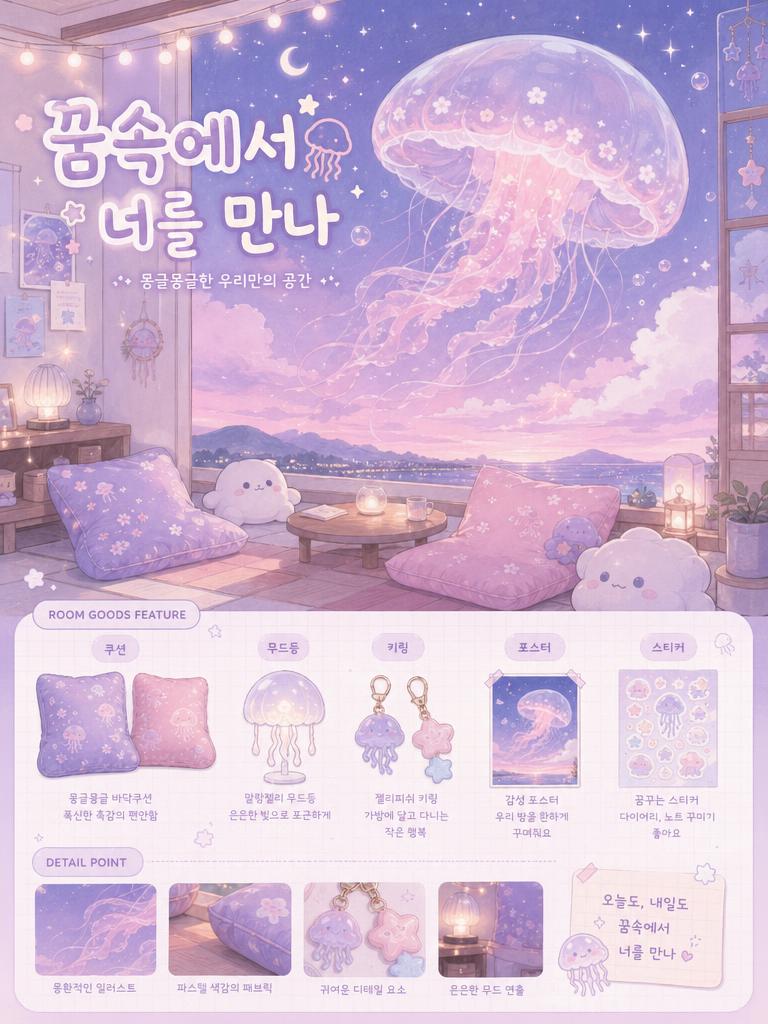
Soft Dreamy Korean Room Decoration Poster
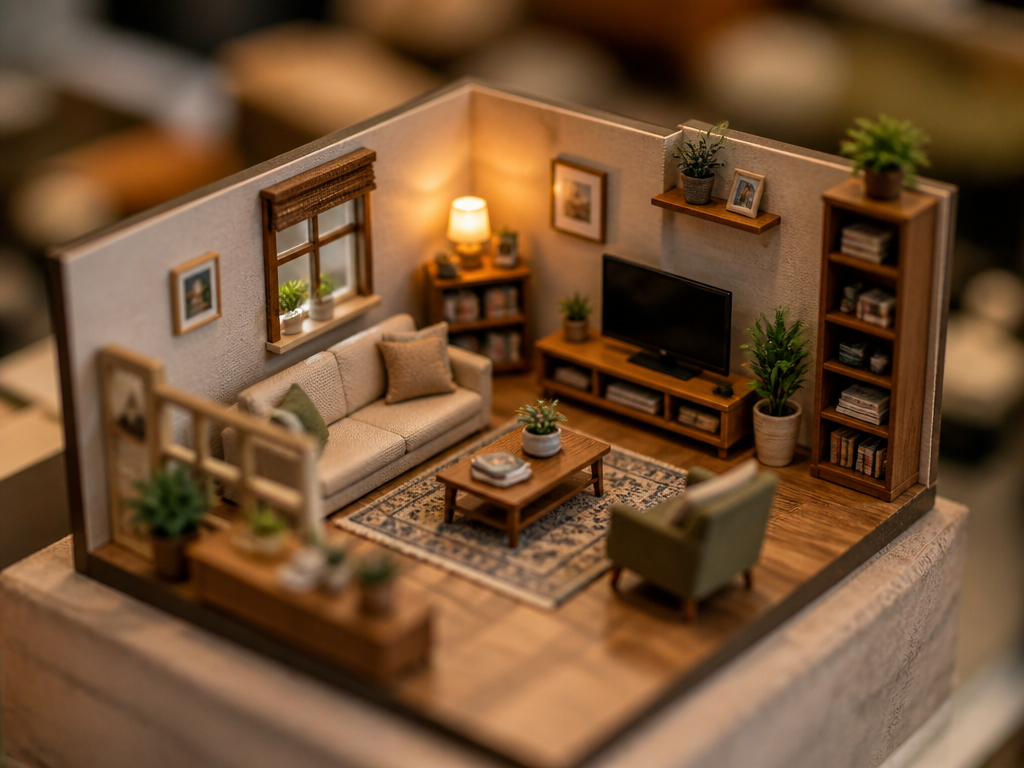
미니어처 스타일 인테리어
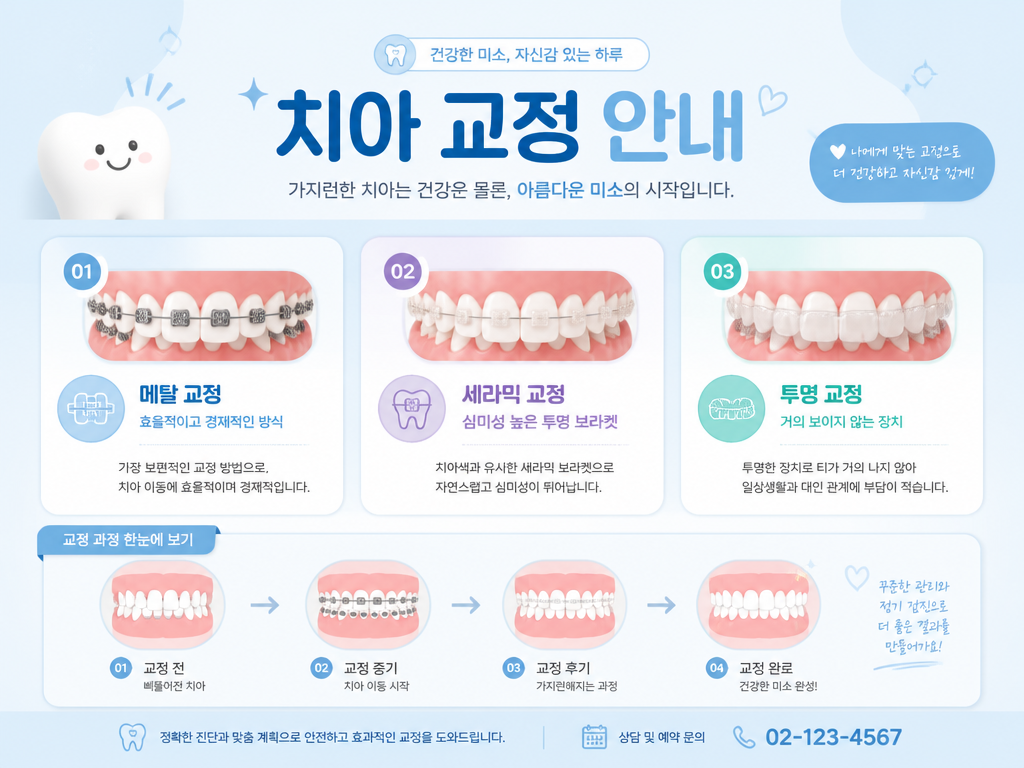
치과 클리닉 인테리어
What are Interior Design AI prompts?
Interior Design prompts help you create a focused image direction with a clear subject, environment, composition, lighting, camera language, texture, and delivery format. The purpose is not to ask for a vague style sample but to give the model enough production context to make deliberate choices. This tag is useful when you need prompts that can be adapted for campaigns, social posts, thumbnails, product pages, concept boards, or shortform scenes while keeping the creative structure consistent. A strong prompt defines what the viewer should notice first, what mood the asset should communicate, and which details must stay stable across variations.
Main use cases
- 클리닉 인테리어
- 코티지 무드보드
- 미니어처 공간
- 건축 비교 포스터
- 매장 콘셉트 제안
Why this tag is useful
Interior Design outputs can become generic when the prompt only names a theme. Add the subject, background, visual hierarchy, camera distance, motion or lens, color palette, material detail, and finishing style. These constraints help the model decide what belongs in the frame and what should stay secondary. For commercial work, this also makes review easier because you can compare versions with a shared structure instead of evaluating unrelated experiments. You can create one version for a hero visual, another for a close crop, and another for a social layout while preserving the same core identity.
When adapting a prompt, change one variable at a time. Test the background first, then lighting, then camera distance, then styling details. This creates a clean iteration path and prevents the final result from feeling overprompted. Clear constraints usually produce more polished assets than long lists of disconnected adjectives. For video, add timing, action beats, camera movement, and transition notes so the scene does not drift away from the intended rhythm.
Related prompts to explore
Prompt building tips
- Start with the final channel and aspect ratio so the composition is generated for the right surface.
- Describe the subject in one compact sentence, then add environment, lighting, camera, material, and mood.
- Include negative guidance for unwanted artifacts such as messy text, distorted faces, unstable motion, or irrelevant props.
- After the first result, keep the core prompt and revise only one variable per test. This creates a reliable iteration path for Interior Design assets and helps you move from concept to publishable output faster.