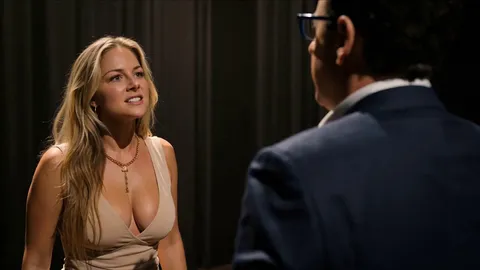
Plan documentary-style interview frames with speaker placement, eye-lines, lighting, and background depth.
2026.07.21
No prompts available
Interview video prompts describe the camera language and atmosphere needed to present a speaker's words and expertise with clarity. They can specify the speaker's position, the direction of the eye-line, the amount of looking room, whether an interviewer shoulder appears in the foreground, and how much the background should fall out of focus. AI-generated keyframes are useful before a shoot, for YouTube thumbnail planning, brand documentary treatments, and educational video direction.
A medium close-up placed on a third is a reliable starting point because it shows expression while leaving room for a conversational eye-line. If the speaker looks toward the left, leave space in that direction so the unseen interviewer feels present. A softly blurred shoulder, notebook, or microphone in the foreground can make the shot feel like a real exchange rather than a static portrait. For direct educational delivery, an eye-level centered frame may communicate more authority and intimacy.
A soft key from a window or large light source keeps facial expression natural. A subtle rim light can separate the head and shoulders from the background without looking staged. Add one or two context objects, such as books, tools, or product samples, to suggest the speaker's field. Avoid a crowded set that competes with the face. A 50mm shallow-depth look focuses attention, while a 35mm frame can reveal more of the working environment when context matters.
List the speaker's role, interview purpose, camera height, shot size, eye-line, light direction, background objects, color grade, and space reserved for captions. A specialist explaining a process may benefit from a medium shot with visible gestures; a personal testimony may need a closer frame that prioritizes the eyes. Treat generated names and lettering as placeholders and add accurate identity information during editing.
Once a reference frame is chosen, create matching front-facing, over-the-shoulder, hand-and-notes insert, and wide-room shots using the same lighting and grade. Keep music low enough for speech, and protect the face and mouth area from unnecessary graphics. Before publishing, confirm appearance consent, quotation permission, and any documents or brand marks visible in the setting. A consistent visual bible makes a short interview feel deliberate even when it is assembled from a small number of shots.