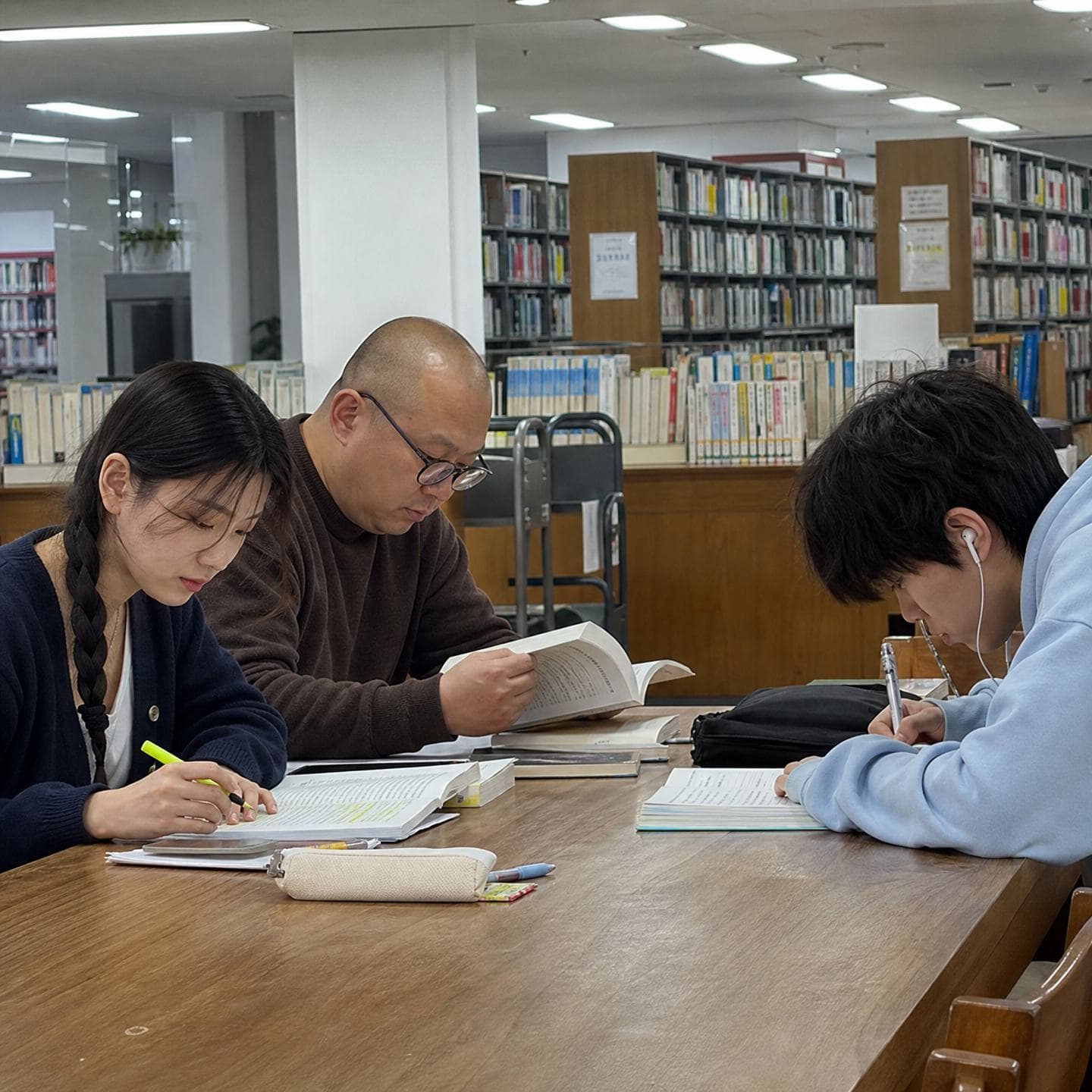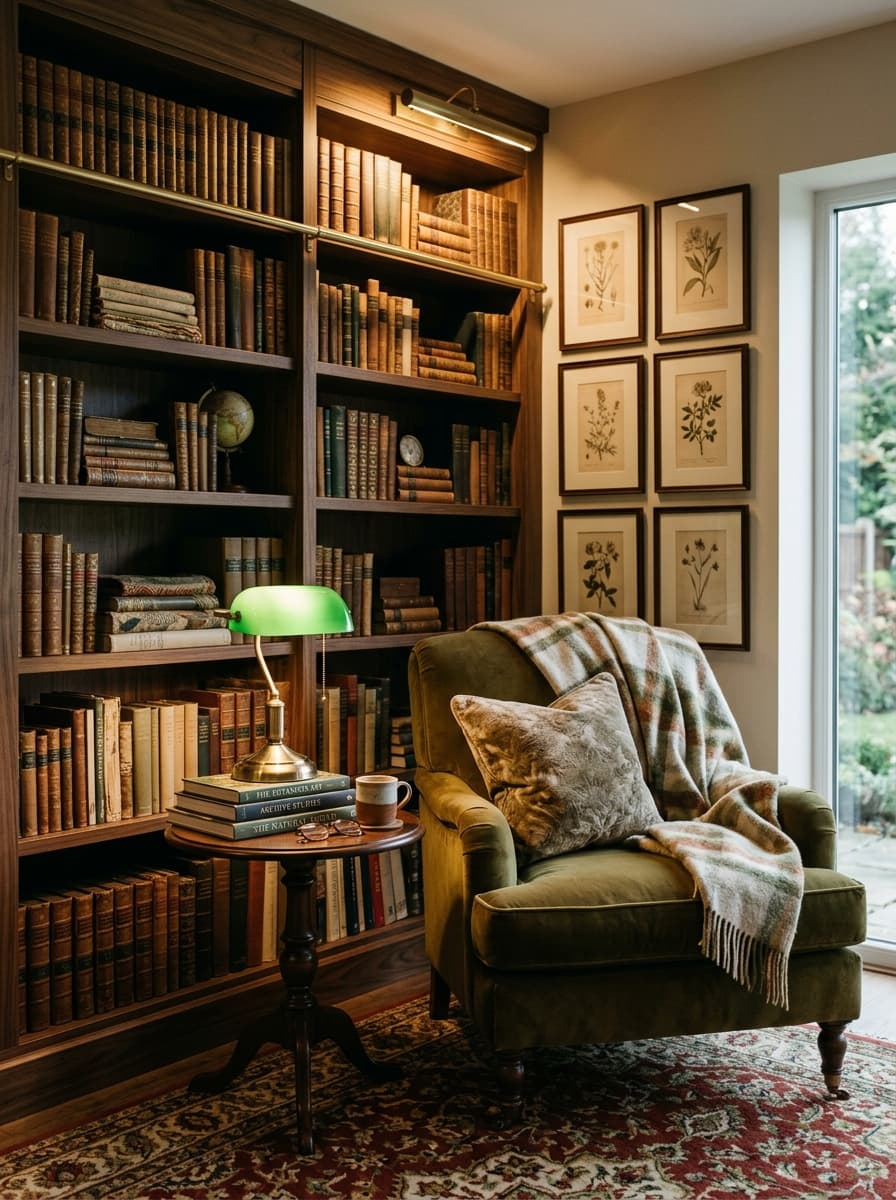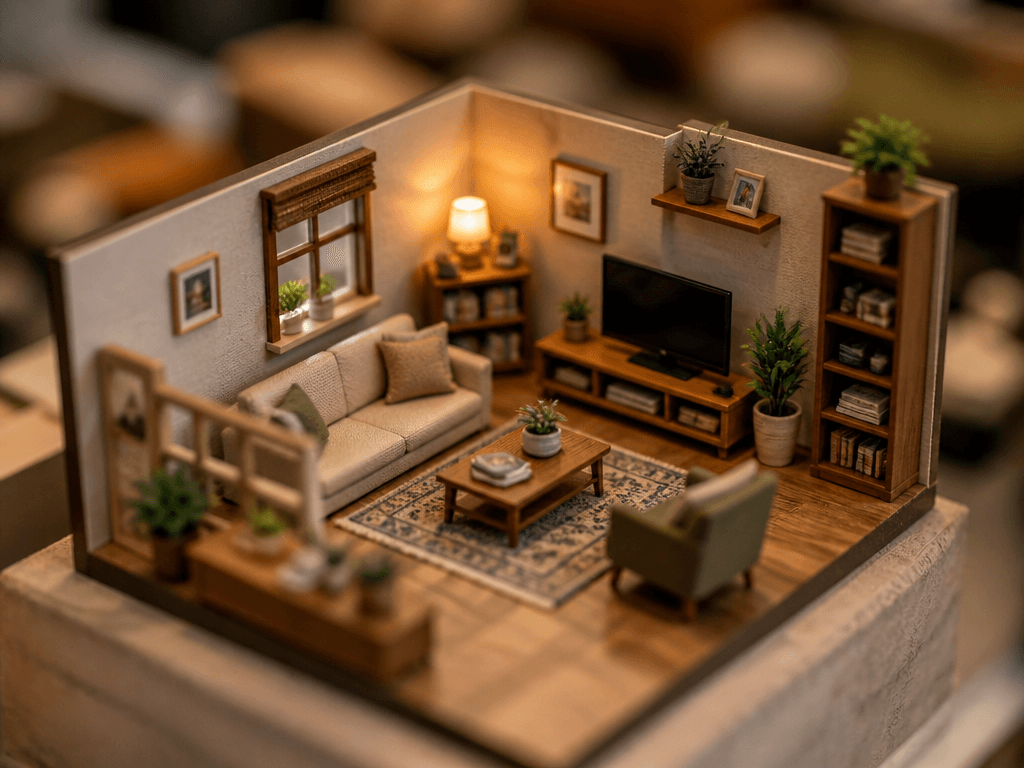
Discover elegant AI image prompts for creating serene and magnificent library spaces filled with books.
2026.07.05


Library Illustration AI Prompts are meticulously crafted verbal instructions designed to help artificial intelligence generate atmospheric and detailed images of library environments. These prompts guide the AI in rendering the specific aesthetics of book-filled spaces-ranging from grand, multi-story historical archives with wooden ladders and spiraling staircases to sleek, futuristic digital learning centers. By defining parameters such as the texture of old paper, the smell of mahogany shelves, and the particular way light filters through tall windows, these prompts allow for the creation of immersive spaces that evoke a sense of knowledge, history, and quiet contemplation. They are the essential bridge between a vague idea of a room with books and a sophisticated, professionally composed spatial illustration.
These prompts are invaluable for a wide range of creative and professional applications. Educators and librarians can use them to create captivating reading encouragement posters or visual aids for literacy programs. Publishers and authors often utilize library illustrations as background art for book covers, promotional materials, or as concept art for settings within their stories. In the digital realm, these images make excellent backgrounds for study-themed YouTube videos, meditation apps, or blog posts about literature and philosophy. They are also popular in the 'Dark Academia' community for creating aesthetic mood boards and social media content. For interior designers or architects, these AI-generated visions can serve as initial mood-setting inspiration for library or home office projects.
Illustrating a library is a complex task that requires precise handling of perspective, lighting, and a massive amount of repetitive detail-specifically the thousands of individual book spines. This tag works effectively because it provides the AI with a structural framework that manages this complexity effortlessly. The prompts are optimized to ensure that the AI maintains a consistent vanishing point and realistic scale across extensive rows of bookshelves. Furthermore, it excels at capturing the 'mood' of a library, such as the dusty sunbeams typical of old archives or the crisp, clean lighting of modern university centers. This allows users to obtain high-quality, emotionally resonant images that would take a human illustrator days to complete, ensuring a professional standard with minimal effort.
Expand your creative horizons by browsing these related prompt categories and artistic styles.
When building a library prompt, the most important element is defining the 'era' and 'architectural style'. Starting with terms like 'Victorian library', 'Modernist concrete library', or 'Ancient scrolls archive' sets a strong foundation. To add life to the scene, include 'human' or 'living' elements such as 'a steaming cup of coffee on a wooden desk', 'an open book with handwritten notes', or 'a cozy armchair in the corner'. Lighting descriptors are also critical; try using 'ambient lamp lighting' for a warm, cozy feel or 'bright natural skylight' for an airy, energetic vibe. You can also specify the state of the books-'neatly organized' for a formal look or 'overflowing stacks on the floor' for a more lived-in, scholarly atmosphere. Finally, mention the perspective, like 'wide-angle view from the floor looking up' to emphasize the height and majesty of the shelves.