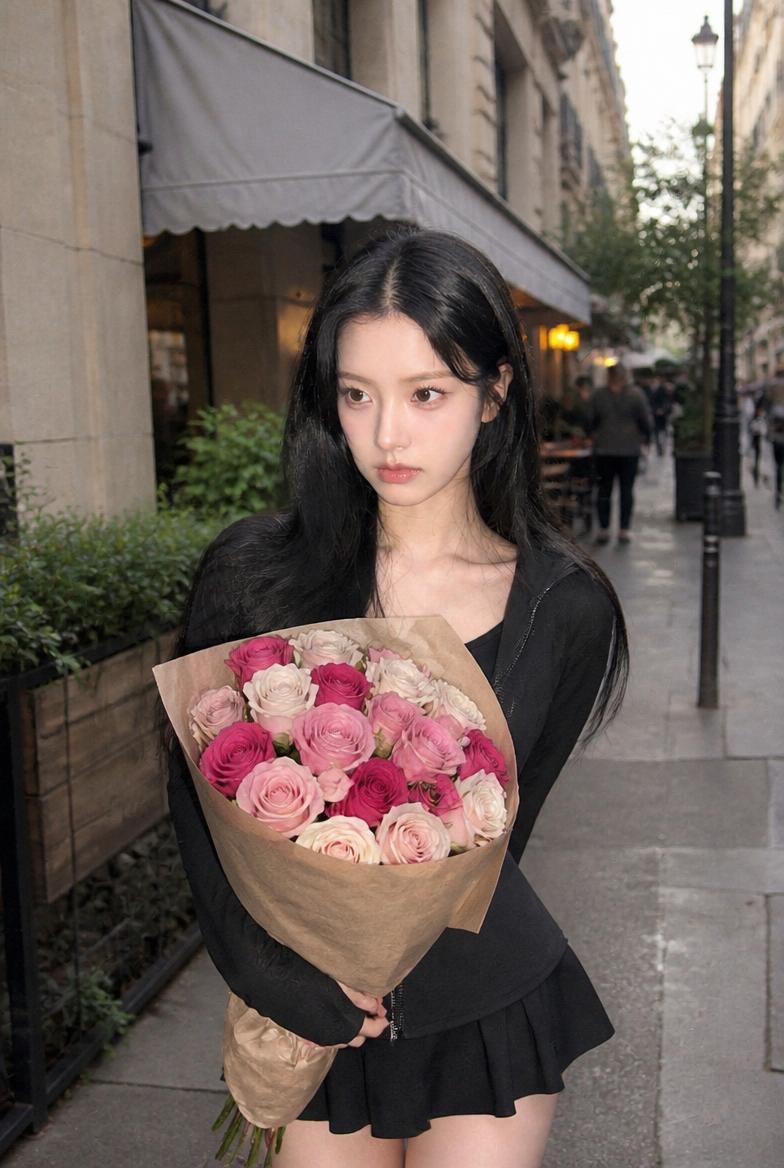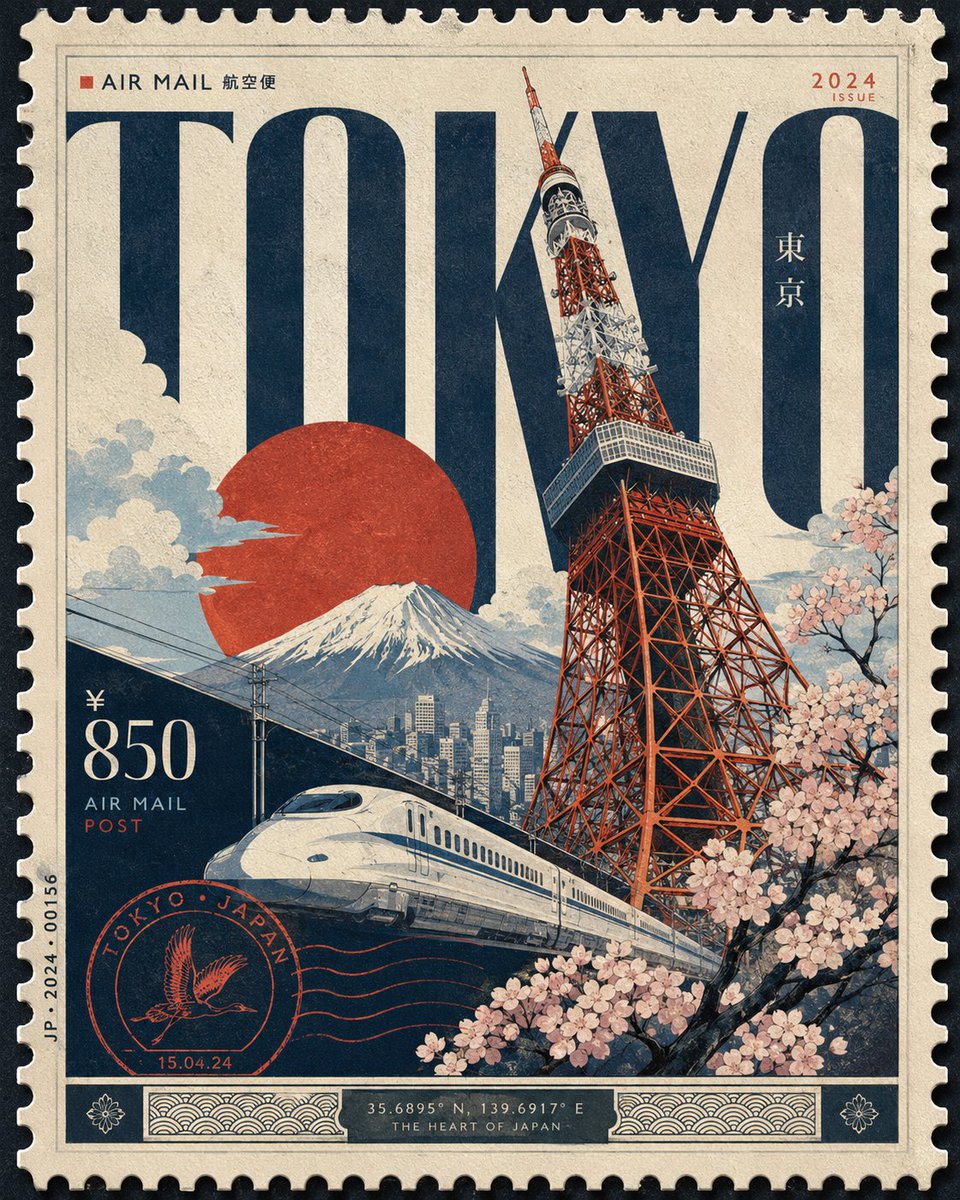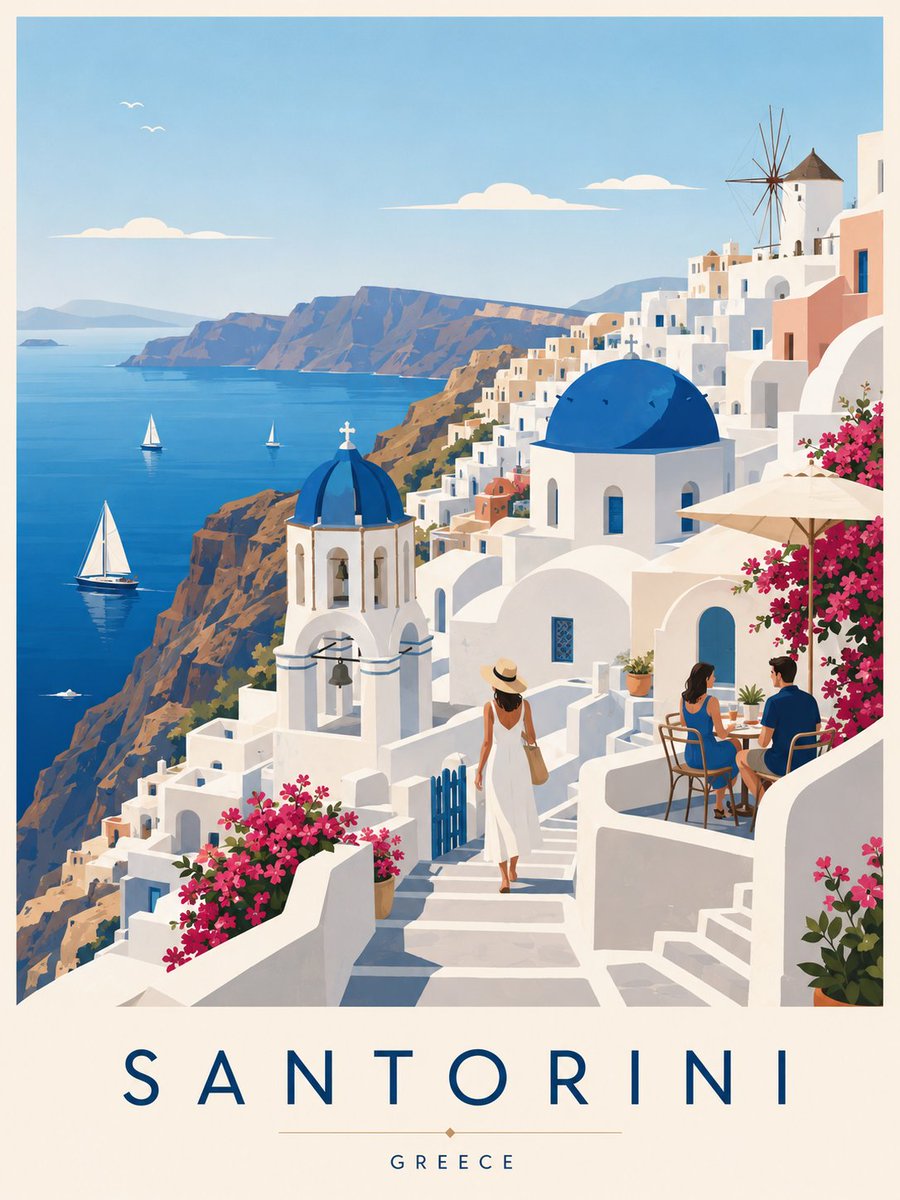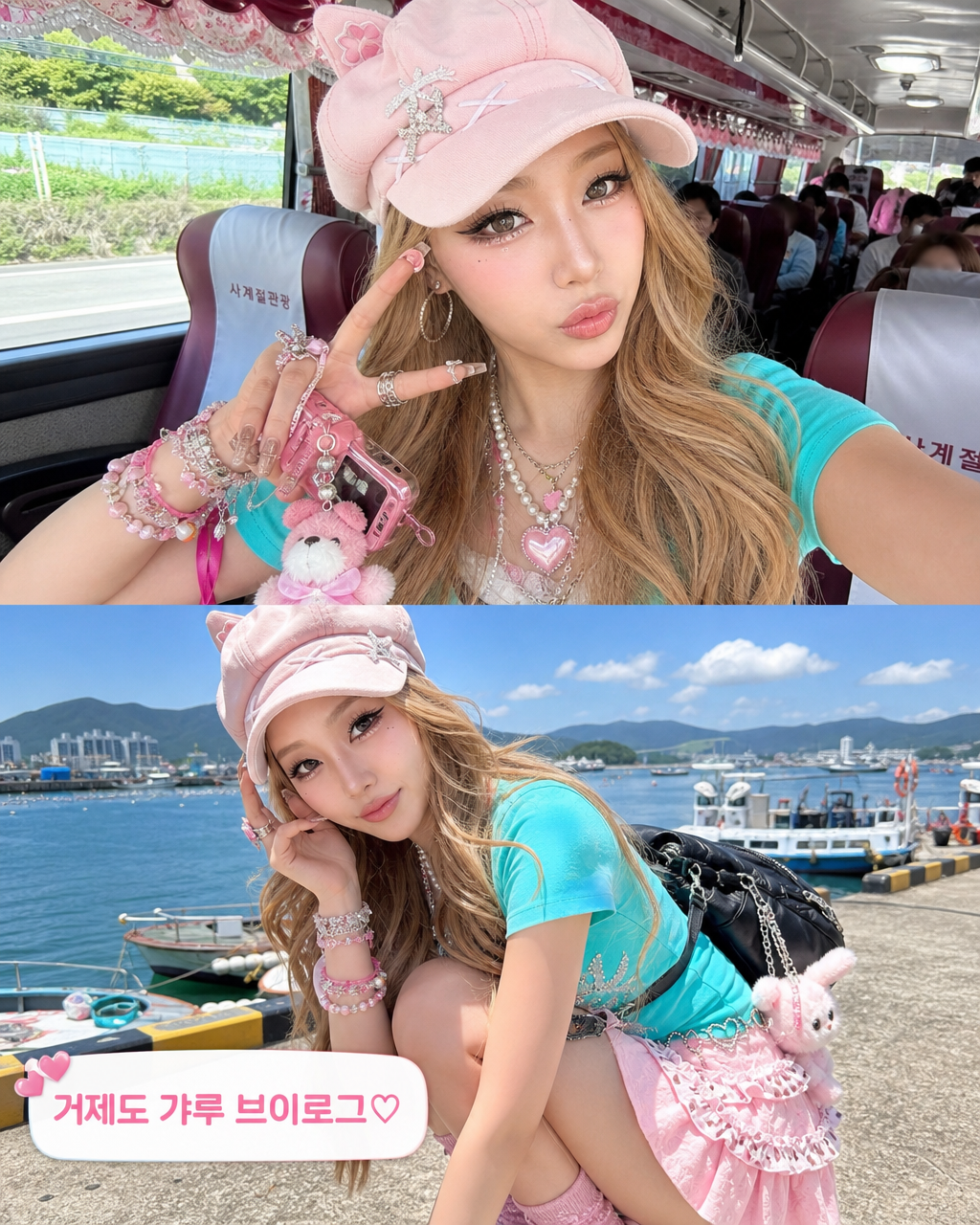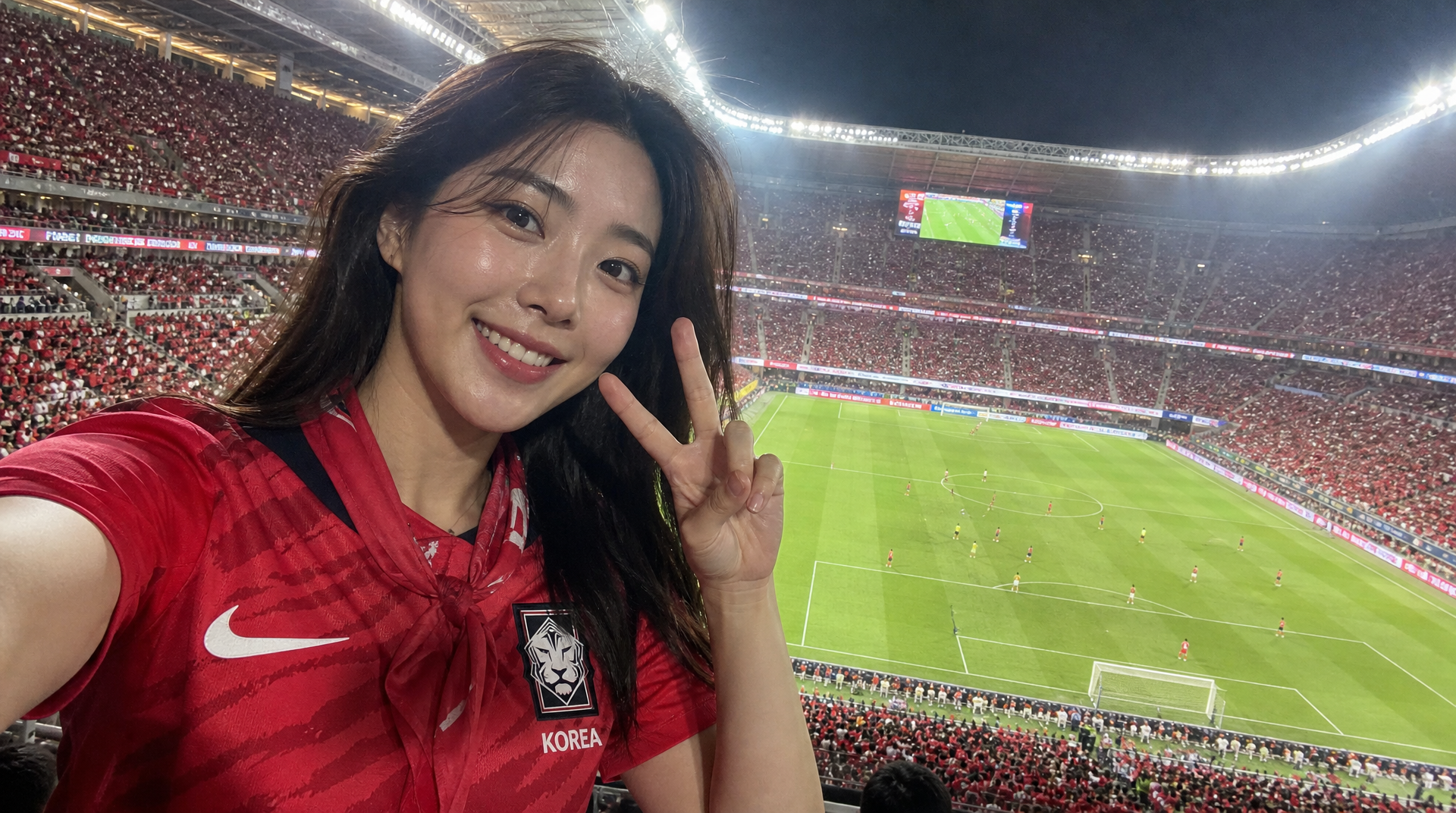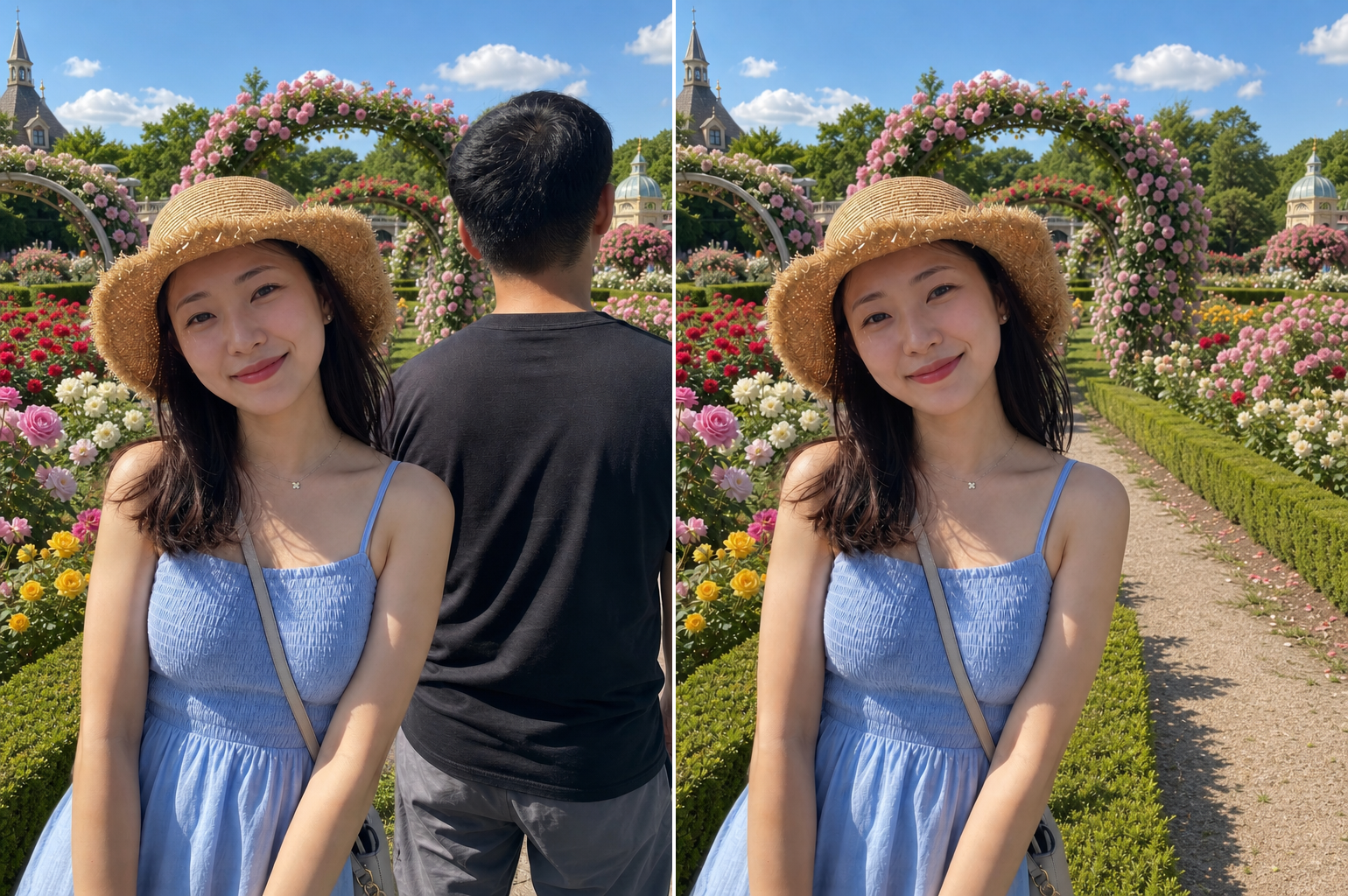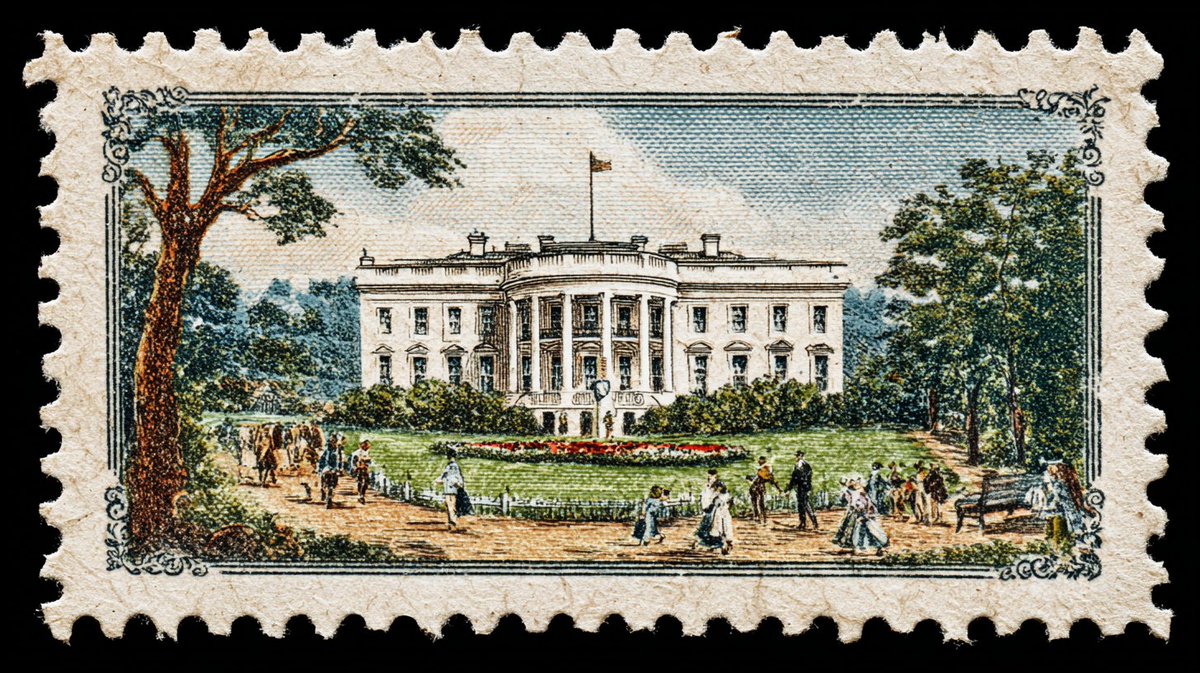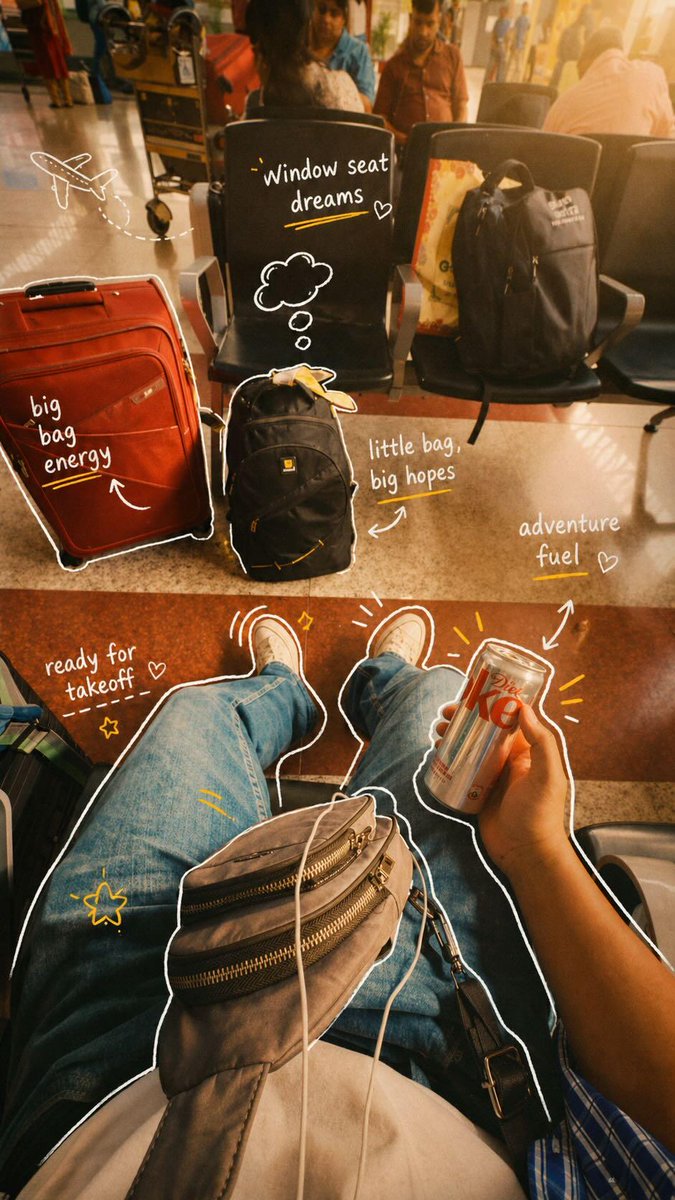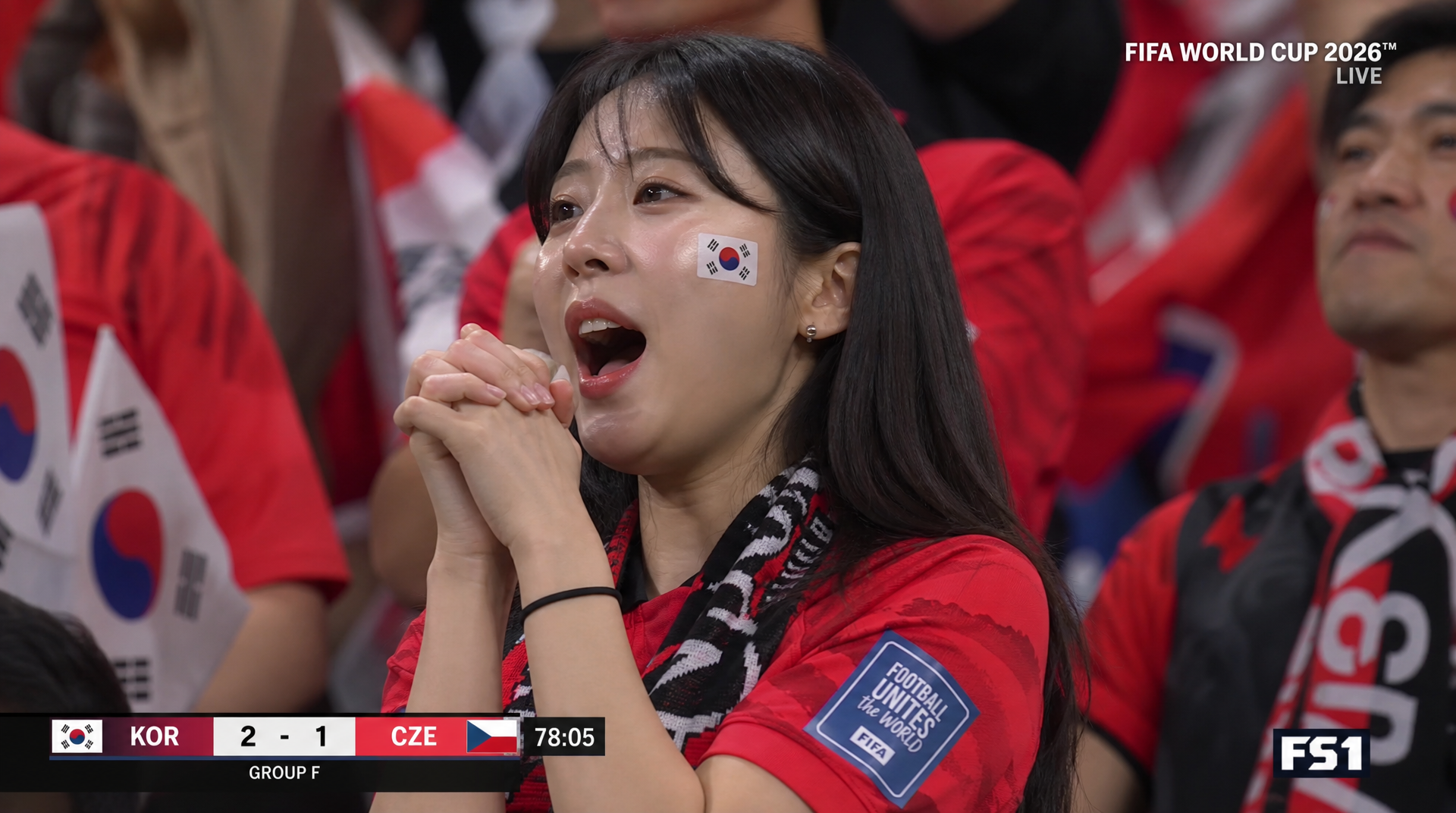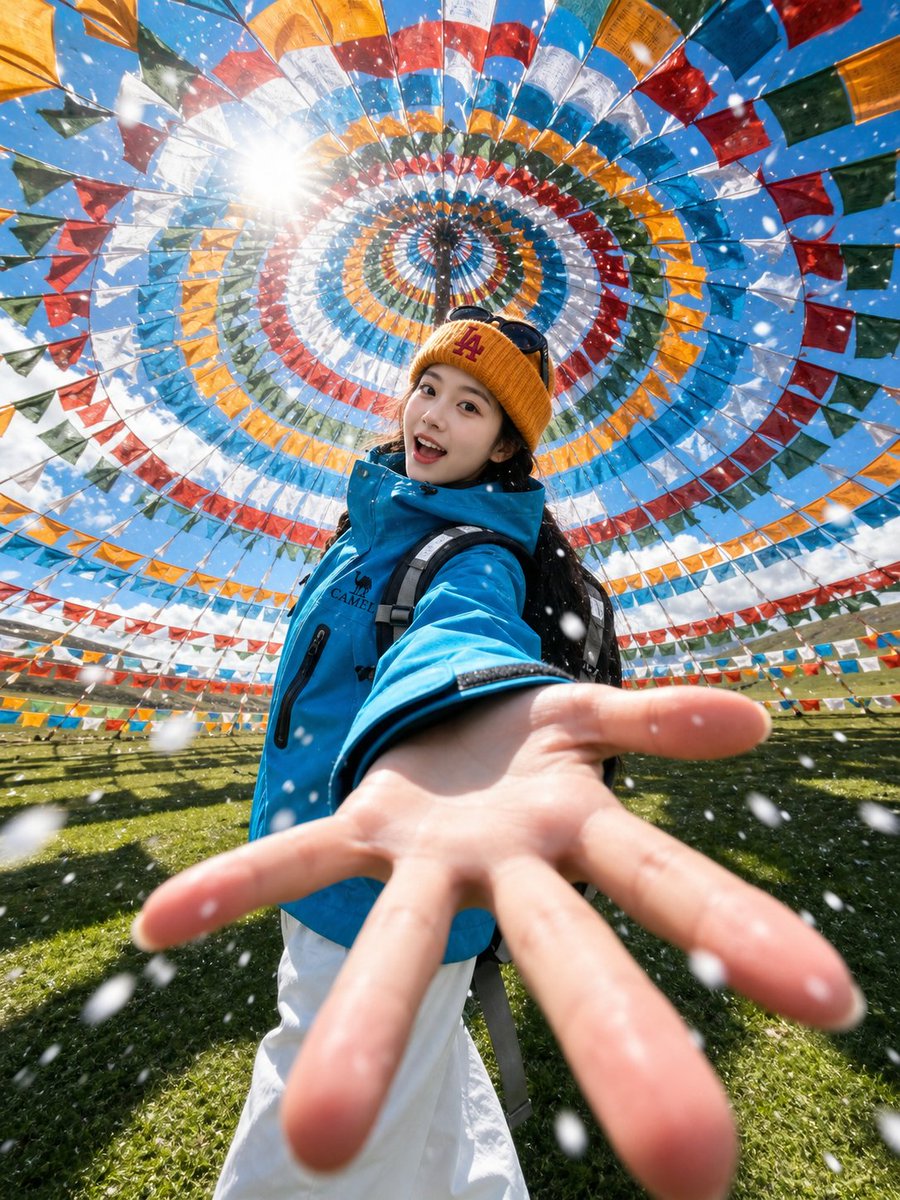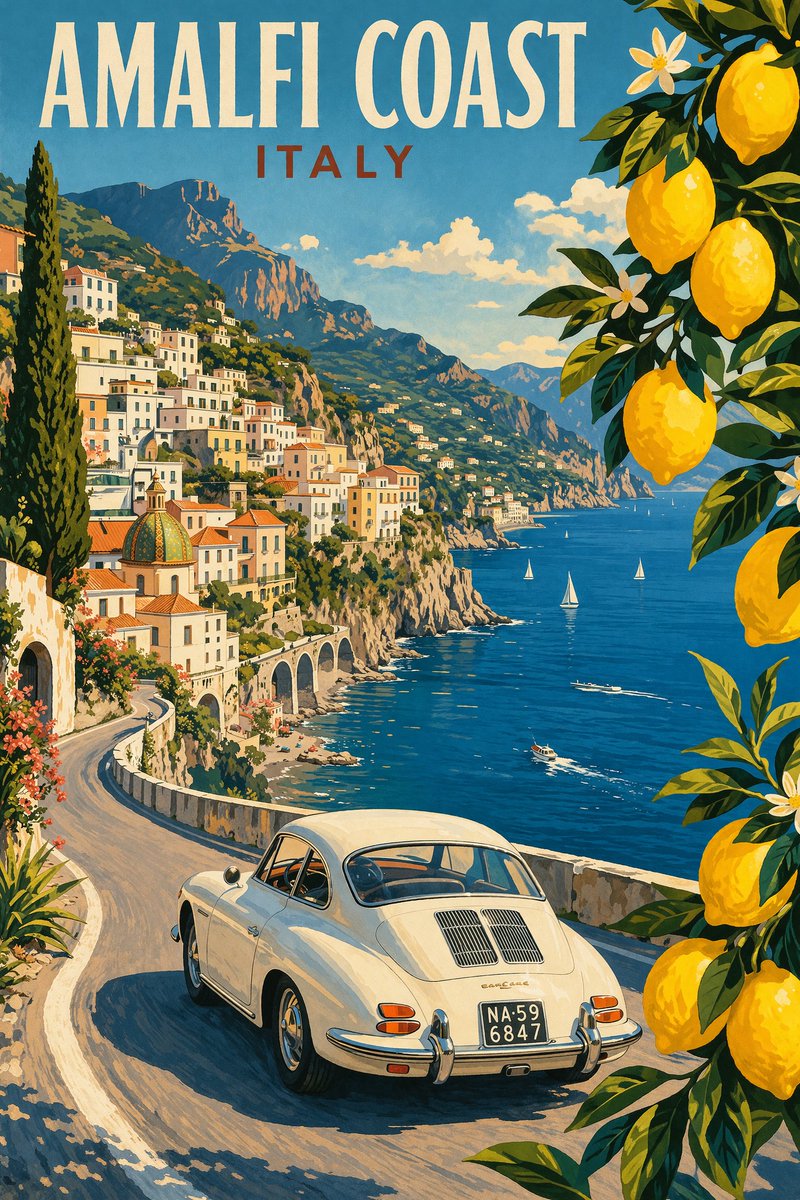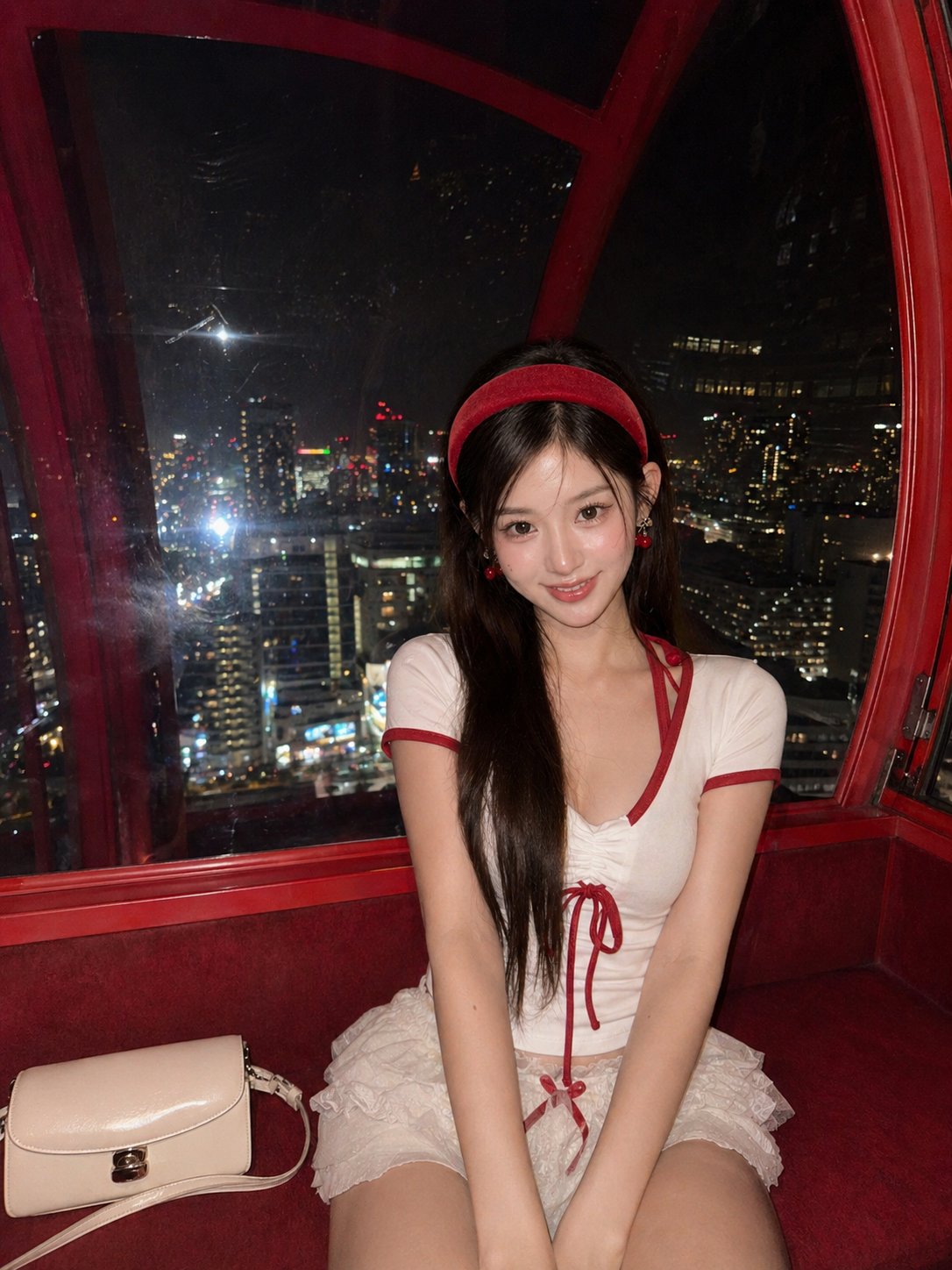
Explore inspiring AI prompts for creating beautiful travel illustrations, from serene beaches to bustling European streets.
2026.07.05


Travel Illustration AI Prompts are specialized instructional strings designed to evoke the essence of exploration and the aesthetic beauty of diverse global destinations through artificial intelligence. These prompts act as a creative catalyst, enabling users to transform abstract concepts like 'adventure' or 'relaxation' into tangible visual art. Whether you are dreaming of a cozy cabin in the snowy Alps, a colorful bazaar in Marrakech, or a solitary hiker overlooking a misty canyon, these AI-driven instructions provide the framework for the machine to render specific textures, lightings, and compositions associated with travel. Using Carat's travel-focused prompts, creators can bypass the limitations of stock photography and generate unique, stylized illustrations that capture the subjective feeling of a journey rather than just a literal record of a place. It's about bringing the 'wanderlust' to life in a way that resonates with viewers on an emotional level.
The demand for high-quality travel illustrations spans across multiple industries, including hospitality, publishing, and digital media. Travel agencies and tourism boards use these AI-generated visuals to create enchanting brochures and social media campaigns that spark the imagination of potential travelers. Lifestyle bloggers and influencers incorporate these illustrations into their websites to provide a consistent and artistic aesthetic that photography alone might lack. For editorial designers, travel prompts are invaluable for creating magazine covers or interior spreads that require a specific thematic look, such as 'vintage 1950s vacation' or 'modern digital nomad lifestyle'. Additionally, these prompts are perfect for creating personalized gifts, such as custom-illustrated travel journals, luggage tags, or decorative posters for home interiors that celebrate a favorite destination.
The 'Travel Illustration' tag on Carat is highly effective because it prioritizes 'mood and storytelling' over generic scenery. AI models can sometimes struggle with the nuance of travel-specific aesthetics, but our curated prompts are optimized to include the right balance of environmental detail and emotional tone. This tag eliminates the guesswork for users, providing them with reliable formulas to generate popular styles like flat vector travel art, nostalgic postcards, or painterly landscapes. It is particularly useful for creators who need to maintain visual consistency across a series of travel-related posts or products. By focusing on the unique elements that signify 'travel'-such as specific types of luggage, transportation, and iconic landmarks-this tag ensures that the resulting images are instantly recognizable and emotionally evocative.
Broaden your creative horizons by checking out our other related tags. For general artistic guidance, start with Illustration. If you are looking to create high-impact marketing materials, visit Poster. To focus on the travelers themselves, the Character tag offers excellent human-centric prompts. For a soft, dreamy look, Watercolor Style is a perfect match, while Oil Painting Style provides a classic, textured finish. For those inspired by Japanese animation, Anime Style is highly recommended. Finally, for those creating educational or social media content, Card News Template can help you organize your travel tips and images into a clean, professional layout.
Creating a captivating travel illustration requires attention to three primary layers of detail. First, the 'Hero Element': define the focal point of the journey, whether it's a 'red classic van parked by the lake' or 'a person looking out of a high-speed train window'. Second, 'Geographical Context': use specific environmental descriptors like 'lush tropical jungle', 'arid desert dunes', or 'quaint cobblestone streets' to ground the image in a specific part of the world. Third, 'Color Palette and Lighting': specify the mood through color, such as 'warm pastel sunset', 'cool morning mist', or 'vibrant Mediterranean colors'. Additionally, adding stylistic descriptors like 'isometric 3D style' or 'minimalist line art' will help the AI understand the technical execution you desire. By layering these specific instructions, you ensure that the AI produces a coherent and inspiring travel narrative.